-
 Microsoft Announces Windows and Surface Event for October to Showcase Local AI, Next Generation of AI PCs16 September 2026
 -
IFA 2026: Nvidia RTX Spark PCs, Local AI Tools Announced With October Launch Planned4 September 2026
-
Nvidia's DLSS 5 Graphics Upscaler Launches in NBA 2K27 This Week Amidst 'AI Slop' Backlash2 September 2026
-
Nvidia Agrees to Buy Hugging Face for $12.9 Billion: Report27 August 2026
-
ONMO+ 'Smart Console' Review: A Console-Like Cloud Gaming Experience for Casuals20 August 2026
- Home
- Laptops
- Laptops News
- Nvidia to Reportedly Cut GeForce RTX 50 Series GPU Production Amid Global RAM Shortage
Nvidia to Reportedly Cut GeForce RTX 50 Series GPU Production Amid Global RAM Shortage
Due to the ongoing global RAM shortage, Nvidia will reportedly adjust the production of the RTX 50 series GPUs in 2026.
Written by Akash Dutta, Edited by Rohan Pal | Updated: 18 December 2025 14:55 IST
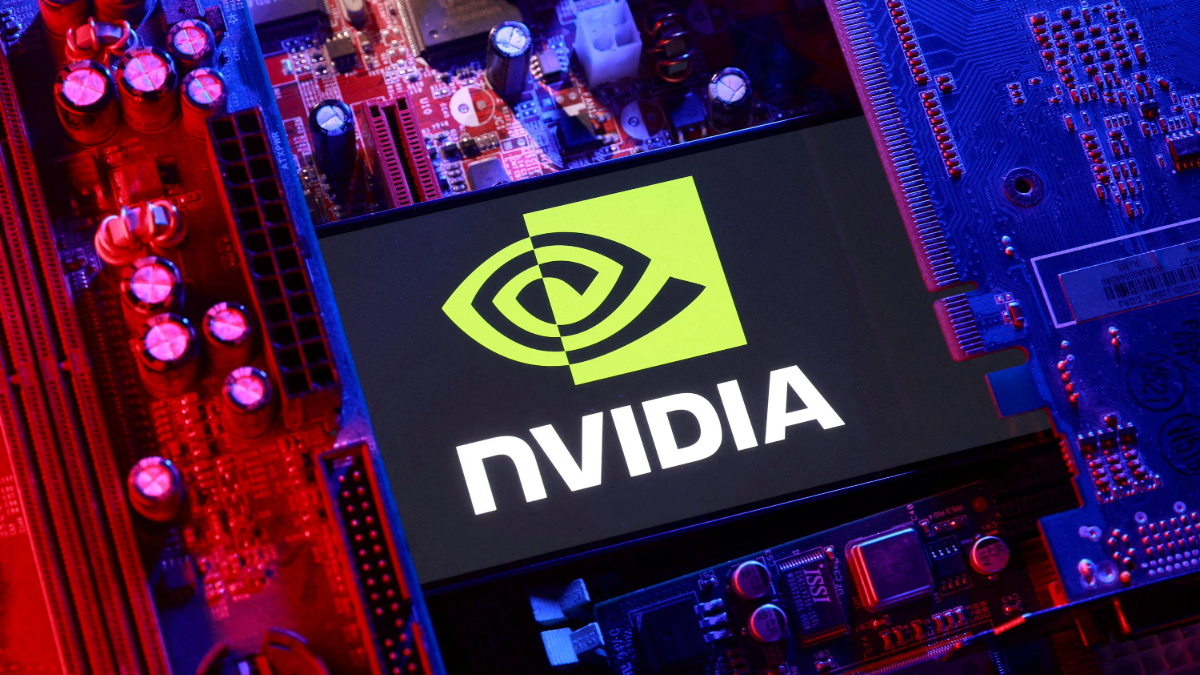
Photo Credit: Reuters
Nvidia is rumoured to launch the GeForce RTX 50 Super series in the second half of 2026
Click Here to Add Gadgets360 As A Trusted Source

Advertisement
Nvidia is reportedly preparing to reduce production of its GeForce RTX 50 series graphics cards by as much as 30 to 40 percent in early 2026 due to ongoing memory shortages. As per the report, the first GPU products that will be affected by this adjustment are GeForce RTX 5070 Ti and GeForce RTX 5060 Ti 16GB GDDR7, as the RAM shortage has particularly affected the GDDR6 or GDDR7 variants. Earlier, a report claimed that the shortage could also result in smartphone brands not bringing the 16GB RAM variant to the market in 2026.
Nvidia to Reportedly Reduce Production of GeForce RTX 5070 Ti, 5060 Ti
According to China's BoBantang (via Benchlife), Nvidia has told its suppliers to cut down the production of the GeForce RTX 50 series GPUs by 30 to 40 percent in the first half of 2026 compared to the same period in the ongoing year. The report also claims that the chipmaker has not yet informed its third-party customers about a price hike for the consumer products, but it might be close to doing so.
The report suggests that Nvidia's planned cuts are linked to shortages across multiple memory segments, including GDDR7 and broader VRAM supply, pressing it to adjust how it allocates memory chips among its GPU product stacks. Nvidia might be favouring higher-margin and enterprise-focused GPUs over the affordable consumer-focused products.
Notably, the RTX 50 lineup is Nvidia's flagship consumer GPU series based on the Blackwell chipset. The lineup includes a range of graphics cards, from mid-tier models RTX 5060 Ti and RTX 5070 Ti to higher-end models, such as the RTX 5080 and RTX 5090. The report specifically mentioned the RTX 5070 Ti and the 16GB version of the RTX 5060 Ti as among the first cards that could see reduced supply in 2026 if the claimed plan goes ahead.
A major reason behind the global RAM shortage is said to be the rapid expansion of AI data centres, which are consuming far larger volumes of high-performance memory than traditional consumer hardware. Chipmakers have reportedly increasingly prioritised the data-centre-grade products for AI companies, as they command higher margins.
As a result, capacity that would typically go toward consumer graphics cards and PCs has been redirected toward enterprise and AI customers. Memory suppliers such as Samsung, SK Hynix and Micron have publicly highlighted strong demand from AI accelerators, which has reshaped production planning across the industry.
Comments
Get your daily dose of tech news, reviews, and insights, in under 80 characters on Gadgets 360 Turbo. Connect with fellow tech lovers on our Forum. Follow us on X, Facebook, WhatsApp, Threads and Google News for instant updates. Catch all the action on our YouTube channel.
Related Stories




Advertisement
Follow Us




-
![[Sponsored] Samsung Galaxy Z Fold8: How It Fits Into an Actor’s Busy Day | Camera, Multitasking & More](https://www.gadgets360.com/static/desktop/images/spacer.png)
03:41
[Sponsored] Samsung Galaxy Z Fold8: How It Fits Into an Actor’s Busy Day | Camera, Multitasking & More -
09:53
iPhone 18 Goes On Sale In India: Huge Crowds, Long Queues At Apple Stores -
06:32
Google Pixel 11 Pro XL Review: The Most Exciting Pixel Yet? | 120X Zoom + Tensor G6 -
05:20
Samsung Galaxy Watch Ultra 2 Review: Is This the Best Android Smartwatch? -
07:01
Samsung Galaxy Z Fold 8 Review: Is This the Best Foldable Phone?
-
Harry Potter फैंस के लिए भारत में लॉन्च हुआ Realme 16 Pro स्पेशल एडिशन
-
Amazon Great Indian Festival 2026: इस दिन शुरू होगी अमेजन सेल
-
Jio के इन प्लान में फ्री मिल रहा है Amazon Prime Lite सब्सक्रिप्शन
-
Honor 600 Elite 5G लॉन्च हुआ 8GB रैम, 108MP कैमरा, 8100mAh बैटरी के साथ, IP68, IP69K रेटिंग
-
Vivo Y600K Turbo जल्द हो सकता है लॉन्च, Google Play Console पर लिस्टिंग
Advertisement
Popular on Gadgets
- Samsung Galaxy S26 Ultra
- Motorola Razr Fold
- ChatGPT
- OPPO Find N6
- Mobiles Under Rs. 40,000
- Vivo X300 Ultra
- Asus Zenbook S14
- iQOO 15
- Vivo X300 Pro
- Lenovo Yoga Slim 7i Aura Edition
- iQOO 15R
- Vivo X Fold 5
- Sony PlayStation 5
- HP OmniPad 12
- OnePlus Nord CE 6 Lite
- OnePlus Pad 4
- OPPO F33 Pro 5G
- Cryptocurrency
- HP OmniBook Ultra 14 (2026)
- iPhone 17
- Eureka Forbes AP 355 Room Air Purifier
- Latest Mobile Phones
- Compare Phones
Latest Gadgets
- Ai+ Nova 2 Power 5G
- Lava Virat Curve 5G
- Lava Bold N4 Pro 5G
- Samsung Galaxy A08
- Itel Muzik 450L
- OPPO K14 Lite
- Samsung Galaxy A18 4G
- iPhone Duo
- Lenovo LOQ 15AHP11
- Lenovo Legion 5a (2026)
- Xiaomi Pad 9 Pro
- Xiaomi Pad 9
- Apple Watch Ultra 4
- Apple Watch Series 12
- Haier M70 Mini LED 65-inch
- Xiaomi TV FX Mini LED 65
- Acer Predator Atlas 8
- Asus ROG Ally
- Blue Star 1.5 Ton 5 Star Inverter Split AC (IE518ZNURS)
- Blue Star 2 Ton 3 Star Inverter Window AC (WIE324L)

- About Us
- Sitemaps
- Feedback
- Archives
- Contact Us
- RSS
- Advertise
- Career
- Privacy Policy
- Ethics
- Editorial Policy
- Terms & Conditions
- Complaint Redressal
Download Our Apps
Available in Hindi
© Copyright Red Pixels Ventures Limited 2026. All rights reserved.