-
 Samsung Galaxy Smartphones Get Inactivity Restart Security Feature With Latest Update: Report9 March 2026
 -
Samsung Reportedly ‘Looking Into’ Adding Vibe Coding Tools in Future Galaxy Smartphones9 March 2026
-
Samsung Galaxy M17e 5G With 50-Megapixel Camera, 6,000mAh Battery to Launch in India on March 17: Features, Specifications9 March 2026
-
Samsung Galaxy Smartphone Prices Reportedly Hiked in India; Several Models Said to Be Affected6 March 2026
-
Samsung Galaxy A37 5G and Galaxy A57 5G Specifications Reportedly Leaked in Full Ahead of Launch6 March 2026
- Home
- Mobiles
- Mobiles News
- Samsung Testing 12,000mAh, 18,000mAh Batteries With Dual Cell and Triple Cell Designs, Leaked Reports Show
Samsung Testing 12,000mAh, 18,000mAh Batteries With Dual Cell and Triple Cell Designs, Leaked Reports Show
A 20,000mAh prototype reportedly failed Samsung's tests after about 960 charge cycles.
Written by Sucharita Ganguly, Edited by David Delima | Updated: 10 March 2026 19:45 IST
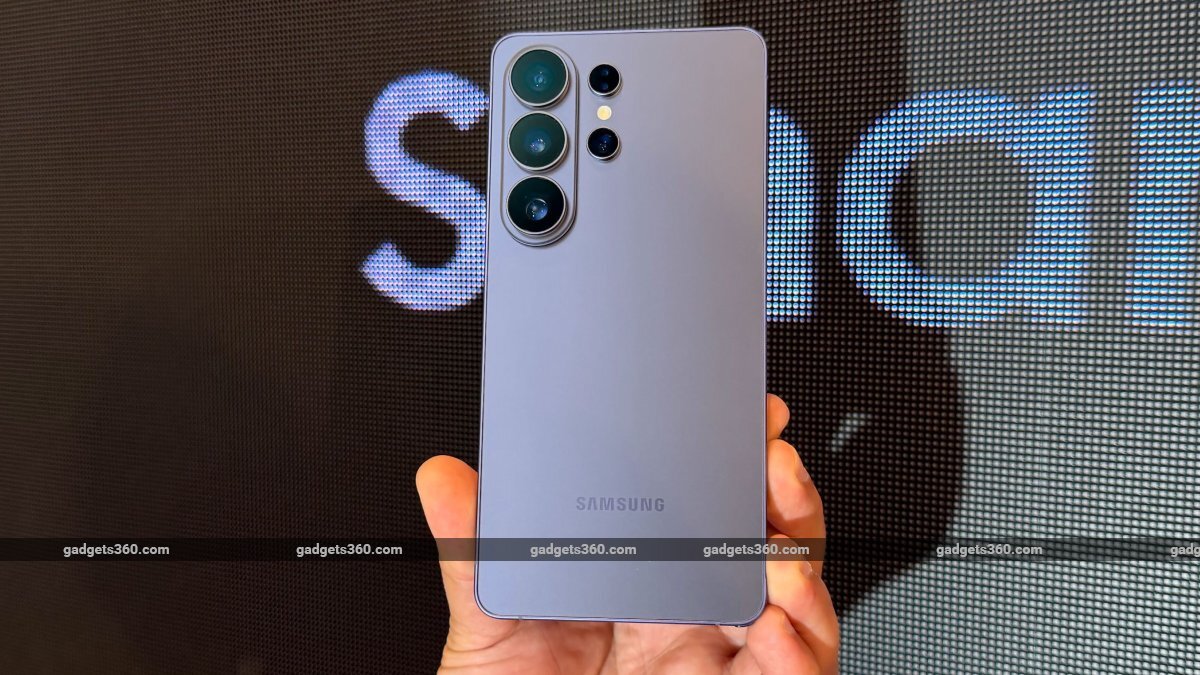
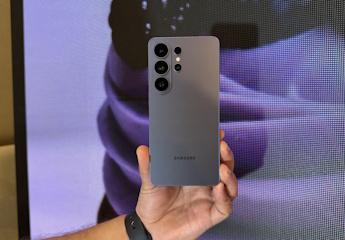
Samsung Galaxy S26 Ultra (pictured) packs a 5,000mAh battery
Click Here to Add Gadgets360 As A Trusted Source

Advertisement
Samsung is reportedly testing high-capacity silicon-carbon (Si-C) smartphone batteries, including 12,000mAh and 18,000mAh prototypes. A leaked document suggests Samsung SDI is refining cell stacking designs and battery management software to improve reliability, thermal performance, and efficiency. The company has taken a cautious approach to new battery technologies since the Galaxy Note 7 incidents in 2016 and is still evaluating Si-C batteries before introducing them commercially. If development succeeds, thinner high-capacity cells could eventually power future flagship smartphones and foldable phones without increasing device thickness.
Samsung SDI Testing Next-Gen Silicon-Carbon Batteries for Phones
The South Korean tech firm is testing silicon-carbon smartphone batteries, including 12,000mAh and 18,000mAh prototypes, according to information shared in a post on X by user Schrödinger (@phonefuturist). The post also claims that a larger 20,000mAh silicon-carbon battery previously under evaluation failed durability testing after about 960 charge cycles.
Samsung SDI is testing 12K, 18K mAh Si/C cells. The 20K failed at 960 cycles. Race is on. 👀
— Schrödinger (@phonefuturist) March 9, 2026
Full PDF available, Samsung tracking system didn't work much. Anyways it's not free. pic.twitter.com/D8NDy4weNw
Silicon-carbon batteries can store more energy than lithium-ion cells by using a silicon-based anode instead of graphite, allowing higher capacity without significantly increasing battery size. Several modern smartphone models, especially from Chinese firms, have already adopted this technology.
Leaked testing details suggest that the 20,000mAh unit used a dual-cell design combining a 12,000mAh primary cell measuring about 6.3mm thick with a secondary 8,000mAh cell measuring roughly 4mm. The prototype reportedly did not meet Samsung's durability targets during testing, prompting the company to continue development with smaller silicon-carbon battery configurations.
One prototype reportedly offers a total capacity of 12,000mAh and uses a dual-cell structure consisting of a 6,800mAh cell measuring around 4.7mm and a 5,200mAh cell measuring approximately 3.2mm. The intended combined thickness is under about 9.3mm, although some test samples reportedly exceeded that limit.
Samsung is also reportedly testing an 18,000mAh configuration built using three cells rated at 6,699mAh, 6,000mAh, and 5,257mAh, with thicknesses of roughly 4.2mm, 3.9mm, and 3.28mm, respectively. The target stacked thickness is about 12.3mm, but additional thermal interface layers between the cells have reportedly pushed some prototypes to around 12.8mm.
The testing programme reportedly aims for a lifespan of around 1,500 charge cycles for the 12,000mAh and 18,000mAh batteries, although development is still ongoing. The 12,000mAh version is said to prioritise stability and could theoretically deliver around 20 to 25 hours of screen-on time on a smartphone connected to both mobile data and Wi-Fi.
Comments
Get your daily dose of tech news, reviews, and insights, in under 80 characters on Gadgets 360 Turbo. Connect with fellow tech lovers on our Forum. Follow us on X, Facebook, WhatsApp, Threads and Google News for instant updates. Catch all the action on our YouTube channel.
Related Stories


Samsung Testing 12,000mAh, 18,000mAh Batteries With Dual Cell and Triple Cell Designs, Leaked Reports Show


Advertisement
Follow Us




-
04:54
Redmi Note 15 Review: Features, Specifications, Pros, Cons, And Everything Else -
04:50
Mercedes V-Class First Impressions: Tech, Comfort & Executive Luxury -
04:34
Apple's Surprise March Launches! iPhone 17e, M5 Macs & MacBook Neo -
02:58
What Punch Taught Us at Tech360 about Mental Health! -
04:38
Realme 16 Pro Review | Camera, Performance & Battery Test | Best Mid-Range Phone?
-
Xiaomi Pad 8 टैबलेट 13 मेगापिक्सल कैमरा, 9200mAh बैटरी के साथ लॉन्च
-
21 हजार रुपये सस्ता मिल रहा OnePlus का फ्लैगशिप स्मार्टफोन, देखें डील
-
WhatsApp पर गूगल अकाउंट के जरिए कैसे लें बैकअप, चैट रहेगी सुरक्षित
-
Redmi K90 Ultra में गेमिंग के लिए मिल सकते हैं फीचर्स, 8,000mAh से ज्यादा हो सकती है बैटरी
-
Poco X8 Pro सीरीज जल्द होगी लॉन्च, 2 मॉडल हो सकते हैं शामिल
Advertisement
Popular on Gadgets
- Samsung Galaxy Unpacked 2026
- iPhone 17 Pro Max
- ChatGPT
- iOS 26
- Laptop Under 50000
- Smartwatch Under 10000
- Apple Vision Pro
- Oneplus 12
- OnePlus Nord CE 3 Lite 5G
- iPhone 13
- Xiaomi 14 Pro
- Oppo Find N3
- Tecno Spark Go (2023)
- Realme V30
- Best Phones Under 25000
- Samsung Galaxy S24 Series
- Cryptocurrency
- iQoo 12
- Samsung Galaxy S24 Ultra
- Giottus
- Samsung Galaxy Z Flip 5
- Apple 'Scary Fast'
- Housefull 5
- GoPro Hero 12 Black Review
- Invincible Season 2
- JioGlass
- HD Ready TV
- Latest Mobile Phones
- Compare Phones
Latest Gadgets
- Itel Zeno 100
- Poco C85x 5G
- Realme Note 80
- Vivo V70 FE
- Realme C83 5G
- Nothing Phone 4a Pro
- Infinix Note 60 Ultra
- Nothing Phone 4a
- MacBook Neo
- MacBook Pro 16-Inch (M5 Max, 2026)
- Tecno Megapad 2
- Apple iPad Air 13-Inch (2026) Wi-Fi + Cellular
- Tecno Watch GT 1S
- Huawei Watch GT Runner 2
- Xiaomi QLED TV X Pro 75
- Haier H5E Series
- Asus ROG Ally
- Nintendo Switch Lite
- Haier 1.6 Ton 5 Star Inverter Split AC (HSU19G-MZAID5BN-INV)
- Haier 1.6 Ton 5 Star Inverter Split AC (HSU19G-MZAIM5BN-INV)

- About Us
- Sitemaps
- Feedback
- Archives
- Contact Us
- RSS
- Advertise
- Career
- Privacy Policy
- Ethics
- Editorial Policy
- Terms & Conditions
- Complaint Redressal
Download Our Apps
Available in Hindi
© Copyright Red Pixels Ventures Limited 2026. All rights reserved.