-
 Huawei, Qualcomm Announce Multi-Year Patent Licensing Agreement Covering 5G, AI and More5 October 2026
 -
Qualcomm Is Working on GPU Drivers That Could Improve PC Games on Android28 September 2026
-
Qualcomm Could Bring Samsung’s 2nm Process to Future Snapdragon Flagships: Here’s What We Know28 September 2026
-
Microsoft Moves Away From Copilot+ PC Branding for Windows PCs: Report28 September 2026
-
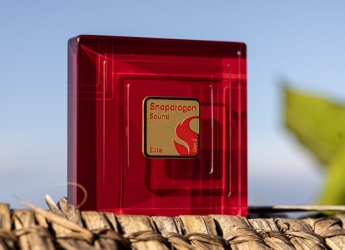
Snapdragon Summit 2026: Qualcomm Launches Snapdragon Sound Elite Gen 2 for AI-Powered Audio Wearables24 September 2026
Qualcomm Unveils Robotics-Focused Dragonwing IQ10 Series SoC, Expands IoT Portfolio Ahead of CES 2026
Qualcomm’s new Dragonwing IQ10 series processors are designed for humanoids, AMRs, and industrial robotics.
Written by Akash Dutta, Edited by Ketan Pratap | Updated: 5 January 2026 19:30 IST

Photo Credit: Reuters
Qualcomm also unveiled new Dragonwing Q-8750 and Q-7790 processors for IoT workloads
Click Here to Add Gadgets360 As A Trusted Source

Advertisement
Qualcomm made several new announcements across its automotive, Internet of Things (IoT), and robotics operations, ahead of the Consumer Electronics Show (CES) 2026. The San Diego-based chipmaker introduced multiple new processors across the IoT and robotics space, and also shared an update on the adoption of its Snapdragon Digital Chassis solution. Among them, the biggest highlight was the unveiling of the new Dragonwing IQ10 series chipsets for robotics applications, which can power a wide range of robots and handle artificial intelligence (AI) workloads.
Qualcomm Showcases Updates Across Automotive, IoT, and Robotics
In a press briefing, the tech giant shared these announcements with the media. During CES 2026, Qualcomm will also showcase some of them at its exhibition, allowing visitors to experience them in person. Starting with the automotive segment, the company highlighted the growing adoption of its Snapdragon Digital Chassis platform, which is said to power more than 400 million vehicles globally across different price segments and classes of vehicles.
- Qualcomm snapdragon 615 vs mediatek mt 6572
- With Qualcomm introducing a new chipset for AI wearables, are smartwatches going to be more AI-focused in the coming day
- Motorola Edge 70 Max India Launch Date Announced. Here is What You Need to Know
- Nothing Phone 4b Design Has Been Revealed Along with Key Features. What Are Your Thoughts?
- Galaxy S26’s launch just cemented iPhone 17’s position as the best phone under 1 lakh
Qualcomm positioned the platform as a foundation for connected car systems across digital cockpits, advanced driver assistance systems (ADAS), connectivity, and cloud-connected services. The company claimed that its Ride Flex platform is the first to combine mixed-criticality ADAS workloads with IVI functionality on a single chip. Additionally, the Snapdragon Ride Elite SoC also offers agentic AI on premium platforms.
On the IoT front, Qualcomm announced an expansion of its processors, software, services, and development tools, supported by technologies gained through five recent acquisitions. A key part of this update is the launch of the Dragonwing Q-7790 and Q-8750 chipsets, which are designed for edge computing deployments that require on-device AI processing, multimedia capabilities, and security. Qualcomm said these processors target a wide range of industries, from enterprise and industrial IoT to smart infrastructure and connected devices.
Qualcomm also pointed to its acquisition of Augentix, which it said strengthens its ability to deliver specialised SoCs for intelligent cameras and computer vision applications. The move is aimed at customers building vision-based systems that require real-time AI inference at the edge, rather than relying on cloud processing. According to the company, this portfolio expansion is intended to serve organisations of different sizes, from large enterprises to smaller developers deploying AI-enabled IoT solutions.
In robotics, Qualcomm announced the new Dragonwing IQ10 Series processors, which support and facilitate an end-to-end, general-purpose robotics architecture, designed to scale across multiple robot categories. The chipsets are equipped with the company's 18-core Oryon CPUs, which offer five times the performance of its predecessor. It also supports up to 20 concurrent cameras and up to 7000 trillion operations per second (TOPS) for heavy AI workloads.
Qualcomm said the architecture prioritises power efficiency, safety, and scalability, while supporting continuous learning through software updates. The company added that the robotics platform is backed by a growing partner ecosystem, enabling faster deployment across sectors such as retail, logistics, manufacturing, and industrial automation.
Comments
Get your daily dose of tech news, reviews, and insights, in under 80 characters on Gadgets 360 Turbo. Connect with fellow tech lovers on our Forum. Follow us on X, Facebook, WhatsApp, Threads and Google News for instant updates. Catch all the action on our YouTube channel.
Related Stories




Qualcomm Unveils Robotics-Focused Dragonwing IQ10 Series SoC, Expands IoT Portfolio Ahead of CES 2026


Advertisement
Follow Us




-
04:37
[Sponsored]: CP PLUS CarKam CP-F89B: 4K Dashcam With Rear Camera, GPS & Emergency Recording -
04:23
[Partner Content] Your Phone Can Do WAY More Than You Think | OPPO ColorOS 16 -
01:59
Samsung Galaxy Z Fold8 Ultra: Unfold the Ultra Night -
03:24
Apple Pay Launches In India: Supported Devices, Cards And Payments Explained -
00:21
[Sponsored] Samsung Galaxy Z Fold8, Fold8 Ultra
-
Flipkart Big Billion Days: ₹20 हजार में आने वाले टॉप 5 टैबलेट
-
Aadhaar के साथ बैंक अकाउंट की सुरक्षा के लिए यूज करें ये फीचर
-
Flipkart Sale: ₹90 हजार वाला Pixel फोन मिल रहा ₹21 हजार से ज्यादा सस्ता
-
Flipkart Big Billion Days Sale 2026: ₹30 हजार वाले स्मार्टफोन्स पर बेस्ट डील्स
-
Vivo ने लॉन्च किया 10,200mAh बैटरी वाला नया फोन, 50MP कैमरा, Dimensity 7300e चिप!
Advertisement
Popular on Gadgets
- Samsung Galaxy S26 Ultra
- Motorola Razr Fold
- ChatGPT
- OPPO Find N6
- Mobiles Under Rs. 40,000
- Vivo X300 Ultra
- Asus Zenbook S14
- iQOO 15
- Vivo X300 Pro
- Lenovo Yoga Slim 7i Aura Edition
- iQOO 15R
- Vivo X Fold 5
- Sony PlayStation 5
- HP OmniPad 12
- OnePlus Nord CE 6 Lite
- OnePlus Pad 4
- OPPO F33 Pro 5G
- Cryptocurrency
- HP OmniBook Ultra 14 (2026)
- iPhone 17
- Eureka Forbes AP 355 Room Air Purifier
- Latest Mobile Phones
- Compare Phones
Latest Gadgets
- Vivo Y32 (2026)
- Infinix Smart 20 HD
- Vivo V80
- Vivo S2 FE
- Vivo Y600K Turbo
- Realme P4s Lite
- Vivo S60t
- OPPO F35 5G
- Lenovo ThinkBook 14x
- Dell 14 Plus 2-in-1 (AMD Ryzen AI 7 350, 2025)
- Samsung Galaxy Tab S12+
- Samsung Galaxy Tab S12 Ultra
- Amazfit T-Rex Dual Solar
- OPPO Watch S2
- Toshiba 65-Inch 4K Ultra HD Smart Mini LED QLED TV (65Z670SP)
- Haier M70 Mini LED 65-inch
- Acer Predator Atlas 8
- Asus ROG Ally
- Blue Star 1.5 Ton 5 Star Inverter Split AC (IE518ZNURS)
- Blue Star 2 Ton 3 Star Inverter Window AC (WIE324L)

- About Us
- Sitemaps
- Feedback
- Archives
- Contact Us
- RSS
- Advertise
- Career
- Privacy Policy
- Ethics
- Editorial Policy
- Terms & Conditions
- Complaint Redressal
Download Our Apps
Available in Hindi
© Copyright Red Pixels Ventures Limited 2026. All rights reserved.