-
 Samsung Wallet Adds Fingerprint Authentication for UPI Payments Up to Rs 10,000 in India24 September 2026
 -
Samsung Galaxy S26 Series Price in India Allegedly Hiked by Up to Rs. 25,000, Now Starts at Rs. 1,02,99923 September 2026
-
Samsung Galaxy S27, S27 Plus, S27 Pro, S27 Ultra RAM and Storage Details Leaked Online22 September 2026
-
Amazon Great Indian Festival Sale Offers, Discounts on iPhone 16, Samsung Galaxy S25 Ultra and More Teased22 September 2026
-
Samsung's One UI 9 Update Rollout Date Confirmed for Galaxy S25, Galaxy Z Fold 7 and Z Flip 722 September 2026
Samsung to Reportedly Start Manufacturing Its Next-Gen AI Memory Chip in 2026
Samsung and SK Hynix are reportedly gearing up to mass produce its sixth-generation high-bandwidth memory (HBM4) chips.
Written by Akash Dutta, Edited by Rohan Pal | Updated: 26 December 2025 17:37 IST
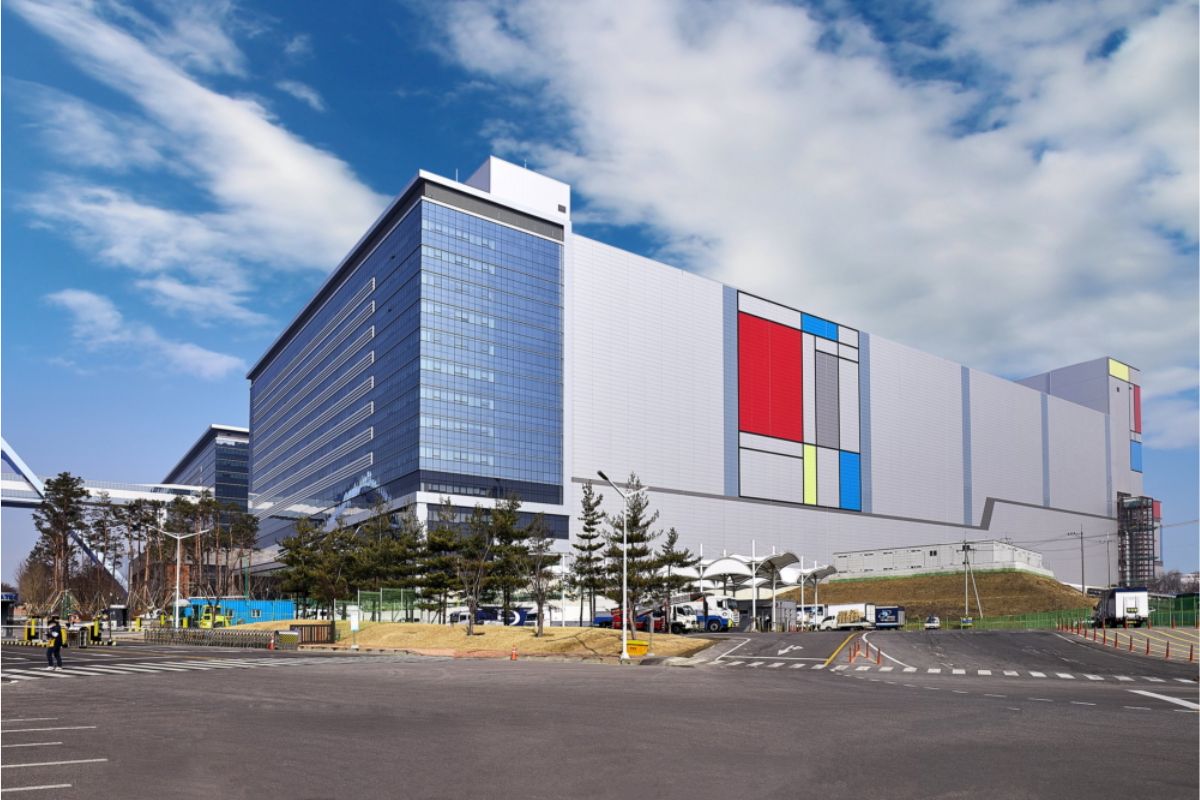
Photo Credit: Samsung
Samsung has reportedly passed Nvidia’s quality testing recently
Click Here to Add Gadgets360 As A Trusted Source

Advertisement
Samsung and SK Hynix are reportedly gearing up to start mass production of their sixth-generation high-bandwidth memory (HBM) chips next year. Dubbed HBM4, the latest memory chip is custom built for artificial intelligence (AI) workloads, and brings significant performance and customisability gains. As per the report, Samsung's production efforts will begin first in February 2026, and SK Hynix is said to complete manufacturing in September 2026. Notably, most of these chips will reportedly be used in Nvidia's Vera Rubin AI accelerator system.
Samsung, SK Hynix Reportedly Planning to Manufacture HBM4 Chips
According to South Korean outlet SEDaily, both semiconductor giants will start mass manufacturing HBM4 AI memory chips. Micron and other players in the industry are not expected to begin fabrication of these chips in 2026, which can help Samsung and SK Hynix in creating a bigger divide from the rest of the market. Even among the two, Samsung's production cycle will reportedly begin before SK, in February.
Interestingly, the new memory chips are unlikely to be available to the consumer market, claimed the publication. Instead, both companies have separate deals with Nvidia to offer the HBM4 for its AI accelerator Vera Rubin. A SamMobile report had recently claimed that Samsung had passed Nvidia's quality tests, making it eligible to supply the required chips.
On the other hand, SK Hynix is said to be collaborating with TSMC to adopt a 12nm logic process for the base die, which will function as the brain of HBM4. Samsung is using a 10nm logic process for the same. The memory chip will reportedly offer twice the bandwidth alongside power efficiency gains of nearly 40 percent. HBM4 reportedly also brings cusomisability with AI and non-AI products, offering better integration with chipsets.
Focusing just on the production volume, Samsung's monthly DRAM manufacturing of 6,50,000 units is said to exceed SK Hynix's 5,50,000 units. The same gap is reportedly seen in the production of HBM chips with Samsung leading SK by nearly 10,000 units per month (1,70,000 vs 1,60,000 units).
Despite the mass production, the consumer market is not said to be benefitting as both Samsung and SK Hynix's next year's HBM capacities are reportedly booked by AI companies. This means the ongoing RAM shortage is likely to continue throughout 2026.
Comments
Get your daily dose of tech news, reviews, and insights, in under 80 characters on Gadgets 360 Turbo. Connect with fellow tech lovers on our Forum. Follow us on X, Facebook, WhatsApp, Threads and Google News for instant updates. Catch all the action on our YouTube channel.
Related Stories




Advertisement
Follow Us




-
![[Sponsored] Samsung Galaxy Z Fold8: How It Fits Into an Actor’s Busy Day | Camera, Multitasking & More](https://www.gadgets360.com/static/desktop/images/spacer.png)
03:41
[Sponsored] Samsung Galaxy Z Fold8: How It Fits Into an Actor’s Busy Day | Camera, Multitasking & More -
09:53
iPhone 18 Goes On Sale In India: Huge Crowds, Long Queues At Apple Stores -
06:32
Google Pixel 11 Pro XL Review: The Most Exciting Pixel Yet? | 120X Zoom + Tensor G6 -
05:20
Samsung Galaxy Watch Ultra 2 Review: Is This the Best Android Smartwatch? -
07:01
Samsung Galaxy Z Fold 8 Review: Is This the Best Foldable Phone?
-
Trump-Xi की मुलाकात से महंगे होंगे फोन या घटेंगे दाम?
-
Flipkart Big Billion Days: इन 6 स्मार्टफोन पर सेल से पहले मिल रही है डील
-
Bank Strike 2026: 28 से 30 सितंबर तक बैंक हड़ताल, क्या UPI और ATM चलेंगे?
-
Samsung का फ्लैगशिप अल्ट्रा फोन मिल रहा ₹47,000 सस्ता, ऐसे उठाएं ऑफर का लाभ
-
Apple के 20th एनिवर्सरी iPhone में मिल सकता है क्वाड-कर्व्ड डिस्प्ले
Advertisement
Popular on Gadgets
- Samsung Galaxy S26 Ultra
- Motorola Razr Fold
- ChatGPT
- OPPO Find N6
- Mobiles Under Rs. 40,000
- Vivo X300 Ultra
- Asus Zenbook S14
- iQOO 15
- Vivo X300 Pro
- Lenovo Yoga Slim 7i Aura Edition
- iQOO 15R
- Vivo X Fold 5
- Sony PlayStation 5
- HP OmniPad 12
- OnePlus Nord CE 6 Lite
- OnePlus Pad 4
- OPPO F33 Pro 5G
- Cryptocurrency
- HP OmniBook Ultra 14 (2026)
- iPhone 17
- Eureka Forbes AP 355 Room Air Purifier
- Latest Mobile Phones
- Compare Phones
Latest Gadgets
- Mivi One 5G
- Xiaomi 18 Pro Max
- Motorola Signature 27
- OPPO Find X10 E
- OnePlus N6 Lite 4G
- Ai+ Nova 2 Power 5G
- Lava Virat Curve 5G
- Lava Bold N4 Pro 5G
- Microsoft Surface Laptop, 13-inch (2nd Edition)
- Lenovo LOQ 15AHP11
- Microsoft Surface Pro, 12-inch (2nd Edition)
- Xiaomi Pad 9 Pro
- Amazfit T-Rex Dual Solar
- OPPO Watch S2
- Haier M70 Mini LED 65-inch
- Xiaomi TV FX Mini LED 65
- Acer Predator Atlas 8
- Asus ROG Ally
- Blue Star 1.5 Ton 5 Star Inverter Split AC (IE518ZNURS)
- Blue Star 2 Ton 3 Star Inverter Window AC (WIE324L)

- About Us
- Sitemaps
- Feedback
- Archives
- Contact Us
- RSS
- Advertise
- Career
- Privacy Policy
- Ethics
- Editorial Policy
- Terms & Conditions
- Complaint Redressal
Download Our Apps
Available in Hindi
© Copyright Red Pixels Ventures Limited 2026. All rights reserved.