-
 Bhutan Moves Over $11 Million Worth of Bitcoin From Government Holdings, Arkham Data Shows10 March 2026
 -
MeitY Launches Blockchain India Challenge, Invites Startups to Solve Governance Problems25 February 2026
-
Hackers Send Physical Phishing Letters Impersonating Trezor and Ledger to Trick Users17 February 2026
-
X Building Smart 'Cashtags' to Let Users Check Cryptocurrency Prices in Real-Time16 February 2026
-
Coinbase Launches New Wallets to Let AI Agents Access and Trade Cryptocurrency12 February 2026
- Home
- Cryptocurrency
- Cryptocurrency News
- Thailand Targets Crypto Mule Accounts Linked to Scams, Illegal Transfers as Authorities Freeze 10,000 Wallets
Thailand Targets Crypto Mule Accounts Linked to Scams, Illegal Transfers as Authorities Freeze 10,000 Wallets
Authorities and exchanges in Thailand tighten monitoring of digital asset transactions to curb scam-linked activity.
Written by Rahul Dhingra, Edited by David Delima | Updated: 10 March 2026 17:44 IST
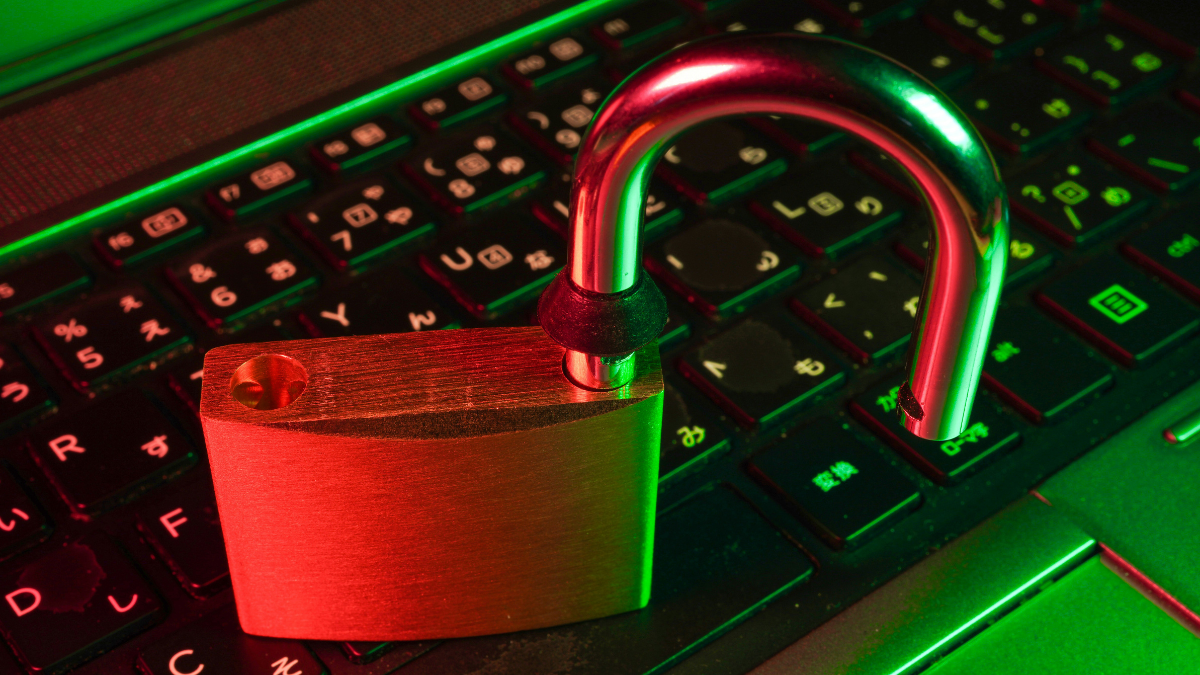
Photo Credit: Unsplash/FlyD
Thai regulators and exchanges step up efforts to curb crypto-related financial crime
Click Here to Add Gadgets360 As A Trusted Source

Advertisement
More than 10,000 accounts suspected of being used to launder illegal funds have been frozen by Thai cryptocurrency operators as authorities step up their efforts to combat financial crime in the digital asset sector. The decision comes after regulators and industry groups tightened monitoring procedures to identify so-called “mule accounts” linked to scams and illegal transfers. Thailand is strengthening oversight of crypto platforms amidst rising concerns about the use of digital currencies in fraudulent activities.
Regulators and Exchanges Coordinate to Identify Suspicious Wallet Activity
The crackdown is part of a coordinated initiative involving the Securities and Exchange Commission (SEC), the Thai Digital Asset Operators Trade Association, the Bank of Thailand, the Anti-Money Laundering Office, and the Cyber Crime Investigation Bureau.
To swiftly identify suspicious transactions and accounts, the regulators recently collaborated with licensed digital asset operators to implement more stringent screening protocols and improved Know Your Customer (KYC) checks. To stop money from being moved to suspected mule accounts, authorities have also increased data-sharing channels between banks, law enforcement, and cryptocurrency operators.
According to industry representatives, the freeze was put in place after thousands of suspicious accounts were found using new screening guidelines. Att Thongyai Asavanund, Chief Executive Officer of KuCoin Thailand and chairman of the Thai Digital Asset Operators Trade Association, said the stricter process allowed operators to detect and freeze more than 10,000 accounts suspected of involvement in money laundering schemes.
Thailand has increasingly emerged as an important market for digital assets in Southeast Asia. USD Coin (USDC) and Tether (USDT) were a few stablecoins that were accepted by the country as legitimate cryptocurrencies for exchange and settlement via regulated digital asset companies. The idea behind this move was to ensure that the crypto space sees innovation while the operations stay within the country's legal framework.
The most recent attempts show Thailand's commitment to strike a proper balance between the expansion of its digital asset ecosystem and complete measures to prevent fraud and money laundering. Authorities are attempting to strengthen oversight while maintaining trust in Thailand's quickly growing cryptocurrency industry by collaborating closely with exchanges, financial institutions, and law enforcement organisations.
Comments
Get your daily dose of tech news, reviews, and insights, in under 80 characters on Gadgets 360 Turbo. Connect with fellow tech lovers on our Forum. Follow us on X, Facebook, WhatsApp, Threads and Google News for instant updates. Catch all the action on our YouTube channel.
Related Stories





Thailand Targets Crypto Mule Accounts Linked to Scams, Illegal Transfers as Authorities Freeze 10,000 Wallets


Advertisement
Follow Us




-
04:54
Redmi Note 15 Review: Features, Specifications, Pros, Cons, And Everything Else -
04:50
Mercedes V-Class First Impressions: Tech, Comfort & Executive Luxury -
04:34
Apple's Surprise March Launches! iPhone 17e, M5 Macs & MacBook Neo -
02:58
What Punch Taught Us at Tech360 about Mental Health! -
04:38
Realme 16 Pro Review | Camera, Performance & Battery Test | Best Mid-Range Phone?
Advertisement
Popular on Gadgets
- Samsung Galaxy Unpacked 2026
- iPhone 17 Pro Max
- ChatGPT
- iOS 26
- Laptop Under 50000
- Smartwatch Under 10000
- Apple Vision Pro
- Oneplus 12
- OnePlus Nord CE 3 Lite 5G
- iPhone 13
- Xiaomi 14 Pro
- Oppo Find N3
- Tecno Spark Go (2023)
- Realme V30
- Best Phones Under 25000
- Samsung Galaxy S24 Series
- Cryptocurrency
- iQoo 12
- Samsung Galaxy S24 Ultra
- Giottus
- Samsung Galaxy Z Flip 5
- Apple 'Scary Fast'
- Housefull 5
- GoPro Hero 12 Black Review
- Invincible Season 2
- JioGlass
- HD Ready TV
- Latest Mobile Phones
- Compare Phones
Latest Gadgets
- Poco C85x 5G
- Realme Note 80
- Vivo V70 FE
- Realme C83 5G
- Nothing Phone 4a Pro
- Infinix Note 60 Ultra
- Nothing Phone 4a
- Honor 600 Lite
- MacBook Neo
- MacBook Pro 16-Inch (M5 Max, 2026)
- Tecno Megapad 2
- Apple iPad Air 13-Inch (2026) Wi-Fi + Cellular
- Tecno Watch GT 1S
- Huawei Watch GT Runner 2
- Xiaomi QLED TV X Pro 75
- Haier H5E Series
- Asus ROG Ally
- Nintendo Switch Lite
- Haier 1.6 Ton 5 Star Inverter Split AC (HSU19G-MZAID5BN-INV)
- Haier 1.6 Ton 5 Star Inverter Split AC (HSU19G-MZAIM5BN-INV)

- About Us
- Sitemaps
- Feedback
- Archives
- Contact Us
- RSS
- Advertise
- Career
- Privacy Policy
- Ethics
- Editorial Policy
- Terms & Conditions
- Complaint Redressal
Download Our Apps
Available in Hindi
© Copyright Red Pixels Ventures Limited 2026. All rights reserved.