-
 MediaTek Dimensity 9600 Pro Reportedly Sees Major Price Hike Over Dimensity 9500, May Still Be Below Snapdragon 8 Elite Gen 6 Pro17 September 2026
 -
Apple’s iOS 18 Warranty Terms Under Consumer Regulator’s Scrutiny in India: Report16 September 2026
-
Apple iCloud+ Plans in India Now Include Apple TV and Arcade at No Extra Cost15 September 2026
-
Mac Mini M6 Geekbench Listing Reportedly Reveals Performance Gains Over M5 Chip15 September 2026
-
iPhone Air Trade-In Value Matches Cheaper iPhone 17 in US, Despite Higher Launch Price15 September 2026
- Home
- Laptops
- Laptops News
- Apple Caps Security Bug Reports Amid Surge in AI Generated Findings: Report
Apple Caps Security Bug Reports Amid Surge in AI-Generated Findings: Report
Apple reportedly said that it is using Claude and OpenAI Codex Security to find flaws in macOS and WebKit.
Written by Nithya P Nair, Edited by Rohan Pal | Updated: 3 August 2026 13:03 IST

Photo Credit: Apple
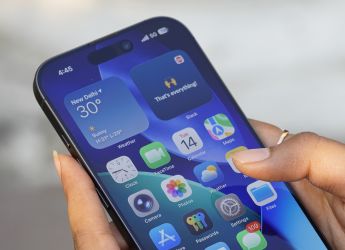
Apple reportedly said that it is using Claude and OpenAI Codex Security to find flaws in macOS and WebKit
Click Here to Add Gadgets360 As A Trusted Source

Advertisement
Artificial intelligence is helping security researchers discover software vulnerabilities, and this trend appears to be creating a new challenge for Apple. The iPhone maker is now reportedly limiting the number of active security reports each researcher can have open simultaneously after a series of AI-assisted submissions have created a new challenge for the company. The AI tools are producing both genuine and false Mac vulnerabilities. Apple is said to be using AI to help prioritise incoming reports, but human experts still review them.
Apple Caps Bug Reports
As reported by the Financial Times, AI-generated bug reports have prompted Apple to limit security submissions. The publication, citing cybersecurity firm Bynario, states that it discovered more than 50 potential security flaws in Apple's macOS operating system within three weeks, including a privilege escalation chain that could allow attackers to take full control of a Mac.
- Apple to Introduce redesigned Apple Pencil models in 2027
- Apple to introduce a new device leasing programme, Apple Upgrade tomorrow
- Apple has increased the prices of Apple Music and Apple One Subscription plans
- Apple is planning to bring OLED technology to the iPad mini
- Apple Brings Back Card Payments for App Store and iCloud Transactions in India After Five Years
Bynario, using its Atlas security platform powered by GPT-5.5, reportedly uncovered a flaw in macOS Screen Sharing. The vulnerability allowed an authenticated Virtual Network Computing (VNC) client to access protected data and create files with root privileges under certain conditions. This attack affected systems in which Screen Sharing or Remote Management were enabled together with legacy VNC password authentication. Apple later assigned the flaw as CVE-2026-43760 and addressed it in its macOS Tahoe 26.6 update.
Bynario has reportedly developed a working exploit that demonstrated how the flaw could be used to execute commands with root privileges. It reportedly submitted the exploit to Apple, helping its engineers reproduce the issue and validate a fix.
These latest findings show AI's increasing role in uncovering vulnerabilities in less time. The Cupertino-based company reportedly said that researchers are using Claude and OpenAI Codex Security to find flaws in macOS and WebKit. The AI speeds up vulnerability discovery, but Apple still needs to manually verify each report before issuing a fix.
Apple has reportedly revamped its bug bounty programme to speed up this verification process with rewards of over $5 million (roughly Rs. 47 crore) for the most critical exploit chains. The programme also includes Target Flags to help researchers provide stronger proof of exploits.
Comments
Get your daily dose of tech news, reviews, and insights, in under 80 characters on Gadgets 360 Turbo. Connect with fellow tech lovers on our Forum. Follow us on X, Facebook, WhatsApp, Threads and Google News for instant updates. Catch all the action on our YouTube channel.
Related Stories






Advertisement
Follow Us




-

06:32
Google Pixel 11 Pro XL Review: The Most Exciting Pixel Yet? | 120X Zoom + Tensor G6 -
05:20
Samsung Galaxy Watch Ultra 2 Review: Is This the Best Android Smartwatch? -
07:01
Samsung Galaxy Z Fold 8 Review: Is This the Best Foldable Phone? -
06:39
Samsung Galaxy Z Fold8 Ultra Review: Cameras, Battery, Performance Tested -
04:33
[Sponsored] JBL Live 780NC: Great Sound, Perfect Comfort, Smart ANC & 80-Hour Battery
Advertisement
Popular on Gadgets
- Samsung Galaxy S26 Ultra
- Motorola Razr Fold
- ChatGPT
- OPPO Find N6
- Mobiles Under Rs. 40,000
- Vivo X300 Ultra
- Asus Zenbook S14
- iQOO 15
- Vivo X300 Pro
- Lenovo Yoga Slim 7i Aura Edition
- iQOO 15R
- Vivo X Fold 5
- Sony PlayStation 5
- HP OmniPad 12
- OnePlus Nord CE 6 Lite
- OnePlus Pad 4
- OPPO F33 Pro 5G
- Cryptocurrency
- HP OmniBook Ultra 14 (2026)
- iPhone 17
- Eureka Forbes AP 355 Room Air Purifier
- Latest Mobile Phones
- Compare Phones
Latest Gadgets
- Samsung Galaxy A08
- Itel Muzik 450L
- OPPO K14 Lite
- Samsung Galaxy A18 4G
- iPhone Duo
- OPPO A7 Pro
- Huawei Mate XT 2 Ultimate Design
- Realme 16 Pro Harry Potter Edition
- Asus Vivobook S14 (S5452MA)
- Acer Aspire G 3D 16
- Xiaomi Pad 9 Pro
- Xiaomi Pad 9
- Apple Watch Ultra 4
- Apple Watch Series 12
- Haier M70 Mini LED 65-inch
- Xiaomi TV FX Mini LED 65
- Acer Predator Atlas 8
- Asus ROG Ally
- Blue Star 1.5 Ton 5 Star Inverter Split AC (IE518ZNURS)
- Blue Star 2 Ton 3 Star Inverter Window AC (WIE324L)

- About Us
- Sitemaps
- Feedback
- Archives
- Contact Us
- RSS
- Advertise
- Career
- Privacy Policy
- Ethics
- Editorial Policy
- Terms & Conditions
- Complaint Redressal
Download Our Apps
Available in Hindi
© Copyright Red Pixels Ventures Limited 2026. All rights reserved.