-
 Best Smartphones Under Rs. 45,000 with Snapdragon Processor: Redmi Note 17 Pro, OnePlus Nord 6 and More18 October 2026
 -
Best Gaming Smartphones Under Rs. 50,000: Redmi Turbo 5, OnePlus Nord 6, and more4 October 2026
-
Nothing Deals Revealed for Phone 4 Series, CMF Buds Lineup, More Ahead of Flipkart's Big Billion Days Sale2 October 2026
-
Nothing Phone (4a) and Phone (4b) Get New Base Variants in India With 6GB of RAM: Price, Specifications28 September 2026
-
Best Mobiles Under Rs. 70,000 With Telephoto Cameras in India27 September 2026
- Home
- Mobiles
- Mobiles Features
- Nothing Phone 4a’s Glyph Bar Explained: A Simpler Take on Nothing's Glyph Interface
Nothing Phone 4a’s Glyph Bar Explained: A Simpler Take on Nothing's Glyph Interface
Nothing says the new design offers smoother diffusion, ensuring clearer visual alerts without uneven illumination.
Written by Shaurya Tomer, Edited by David Delima | Updated: 6 March 2026 14:12 IST
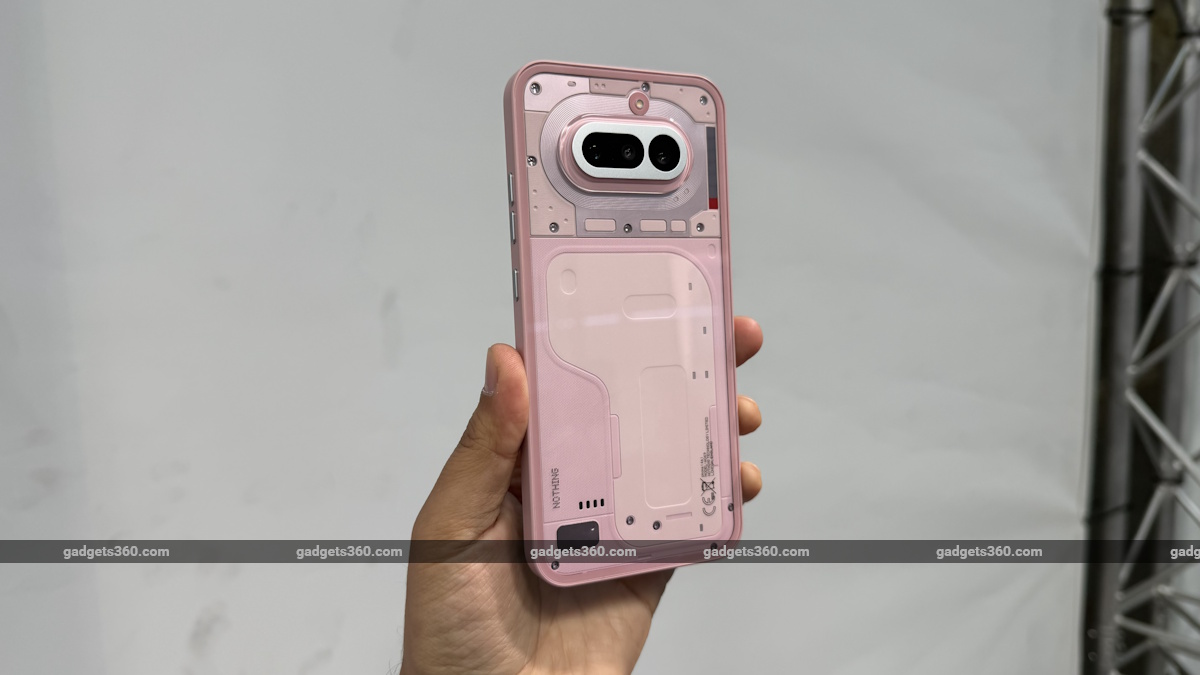
The Glyph bar is located to the right of the camera deco on the Phone 4a
Click Here to Add Gadgets360 As A Trusted Source

 Nothing Phone 4A FAQs
Advertisement
Nothing recently refreshed its mid-range smartphone portfolio with the introduction of the Phone 4a series. While the Nothing Phone 4a Pro headlines the UK-based brand's latest lineup, the standard Phone 4a brings a significant shift to the design language. The most striking update is the introduction of the Glyph Bar, a departure from the segmented Glyph Interface found on the previous “a” series models. The Glyph Bar offers a simpler layout and updated interactions, while continuing the core idea of using LEDs on the rear panel for visual cues.
Here's a closer look at how Nothing Phone 4a's Glyph Bar works and what it offers.
- Motorola Edge 70 Pro vs Vivo V70 vs Nothing Phone 4a Pro
- Is the Nothing Phone (4a) the most "stylish" phone under 25k?
- Phones like Nothing Phone 4a, 4a Pro are launching soon. Will these compete with Redmi, Realme phones?
- Best budget 5G phone under ₹30,000?
- MWC 2026 is starting soon. What kind of announcements do you expect this year?
What is the Glyph Bar?
The Glyph Bar is Nothing's latest iteration of its back-panel lighting interface, specifically designed for the Phone 4a. It is present as a vertical row of LEDs located to the right of the camera deco. It consists of 63 mini-LEDs organised into six individually addressable square zones.
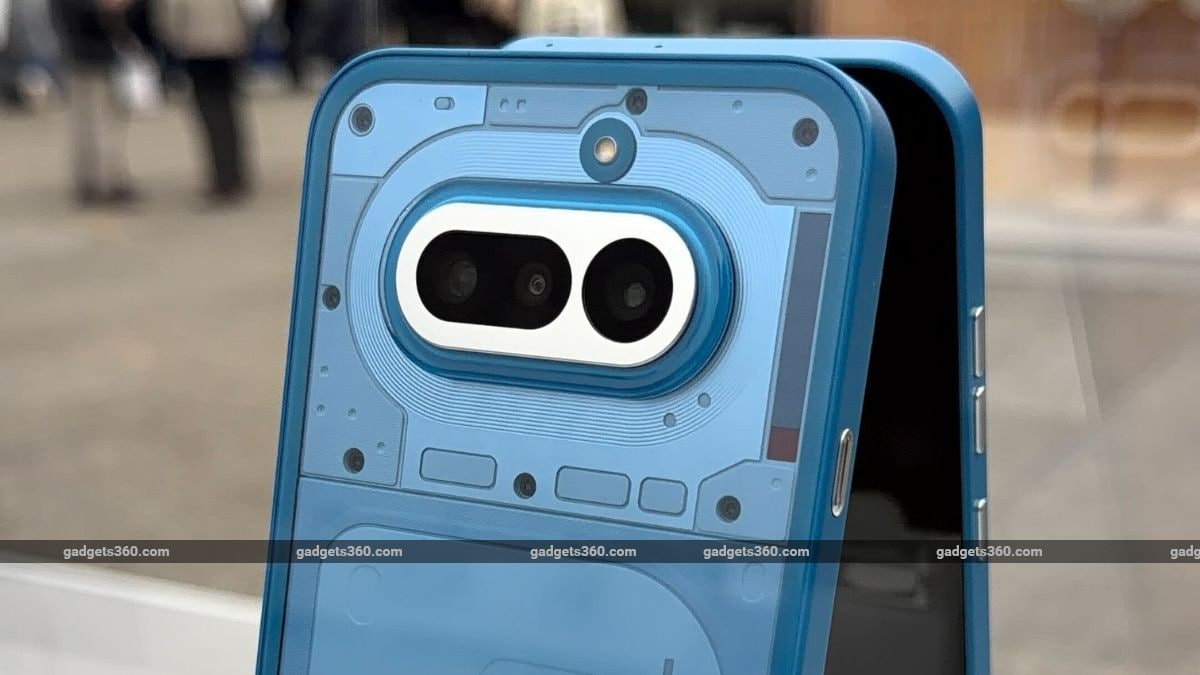
The new Glyph Bar on the Nothing Phone 4a
This layout is significantly more compact than the flagship Nothing Phone 3, which uses a "Glyph Matrix" comprised of 489 micro-LEDs to display complex animations and pixelated text. As per the company, the Glyph Bar on the Phone 4a is designed to be 40 percent brighter than its predecessor, reaching up to 3,500 nits to ensure that alerts remain visible even in direct, bright sunlight.
The system is also claimed to use redesigned lighting technology intended to eliminate issues such as light leakage or yellow edges. Nothing says the new design offers smoother diffusion, ensuring clearer visual alerts without uneven illumination.
How the Glyph Bar Works
The Glyph Bar serves as a programmable notification system using LEDs, reacting to various system alerts and user actions. The segments of the lighting system can animate or alter brightness to convey different information from the handset, without needing to illuminate the screen.
Smarter notifications are another feature of the Glyph Bar. As per the company, it can deliver progress-based notifications, including calls, messages, charging, and countdown timers. For example, segments of the lighting system can fade out to indicate a countdown, giving users a better understanding of the time left.
Glyph Bar features Essential Alerts, which allow users to set custom lighting sequences and distinctive ringtones for their contacts, enabling them to easily identify a notification at a glance using the lighting pattern. Apart from this, it works for system actions, too. For example, it can serve as the indicator for the physical-style volume slider, while the bar can also fill up during charging, indicating the battery level.
Nothing Phone 4A FAQsWhat are the main features of the Nothing Phone 4a?
The Nothing Phone 4a is available with up to 12GB of RAM paired with 256GB of internal storage. It features a dual rear camera setup comprising a 50MP main camera and a 50MP secondary sensor, along with a 32MP front-facing selfie camera. The phone supports fast charging with 50W wired charging, backed by a 5400mAh battery. It is powered by the 4 nm TSMC processor and comes with a 6.78-inch flexible AMOLED display that supports up to a 120Hz refresh rate. The Nothing Phone 4a is available in 4 colour options.
When was the Nothing Phone 4a released?
The Nothing Phone 4a was launched on March 5, 2026
Where can I buy the Nothing Phone 4a?
You can buy the Nothing Phone 4a through the official Nothing website, e-commerce platforms such as Flipkart, and select retail stores across India.
- KEY SPECS
- NEWS
Display 6.78-inch
Processor Snapdragon 7s Gen 4
Front Camera 32-megapixel
Rear Camera 50-megapixel + 50-megapixel + 8-megapixel
RAM 6GB, 8GB, 12GB
Storage 128GB, 256GB
Battery Capacity 5400mAh
OS Android 16
Resolution 1,224x2,720 pixels
Comments
Get your daily dose of tech news, reviews, and insights, in under 80 characters on Gadgets 360 Turbo. Connect with fellow tech lovers on our Forum. Follow us on X, Facebook, WhatsApp, Threads and Google News for instant updates. Catch all the action on our YouTube channel.
Related Stories


Advertisement
Follow Us




-
![[Sponsored] LG NANO 4K UHD AI TV NU885: Gemini Search, Dolby Atmos & 5 Years of Updates](https://www.gadgets360.com/static/desktop/images/spacer.png)
04:17
[Sponsored] LG NANO 4K UHD AI TV NU885: Gemini Search, Dolby Atmos & 5 Years of Updates -
00:57
[Sponsored] Samsung Galaxy Z Fold8 My Fan Cam in Action: Find the Moment, Then Share It -
01:41
[Sponsored] What Do You Need To Know Before Your Next Run? | Samsung Galaxy Watch Ultra2 -
01:32
[Sponsored] Big Day Tomorrow? Prep Today | Samsung Galaxy Watch Ultra2 -
04:37
[Sponsored]: CP PLUS CarKam CP-F89B: 4K Dashcam With Rear Camera, GPS & Emergency Recording
-
iPhone 16 आज भी Amazon सेल में मिल रहा ₹15 हजार से ज्यादा सस्ता
-
OnePlus 15 को Amazon Great Indian Festival Sale में खरीदें सस्ता
-
₹2250 सस्ता मिल रहा Motorola का 7000mAh बैटरी वाला फोन! Flipkart पर ऑफर
-
HMD Vibe 2 Max बजट फोन लॉन्च होगा 108MP कैमरा, 6,000mAh बैटरी फीचर के साथ!
-
₹18999 में मिल रहा Moto G Max फोन! 7000mAh बैटरी, Flipkart सेल में ऑफर
Advertisement
Popular on Gadgets
- Samsung Galaxy S26 Ultra
- Motorola Razr Fold
- ChatGPT
- OPPO Find N6
- Mobiles Under Rs. 40,000
- Vivo X300 Ultra
- Asus Zenbook S14
- iQOO 15
- Vivo X300 Pro
- Lenovo Yoga Slim 7i Aura Edition
- iQOO 15R
- Vivo X Fold 5
- Sony PlayStation 5
- HP OmniPad 12
- OnePlus Nord CE 6 Lite
- OnePlus Pad 4
- OPPO F33 Pro 5G
- Cryptocurrency
- HP OmniBook Ultra 14 (2026)
- iPhone 17
- Eureka Forbes AP 355 Room Air Purifier
- Latest Mobile Phones
- Compare Phones
Latest Gadgets
- Samsung Galaxy F70 5G
- Tecno Spark 50S 5G
- Vivo Y600s Pro
- Vivo Y32 (2026)
- Infinix Smart 20 HD
- Vivo V80
- Vivo S2 FE
- Vivo Y600K Turbo
- HP ZBook Ultra G3a
- Dell Pro Rugged 14
- Amazon Alexa Tablet 8
- Amazon Alexa Tablet 11
- Amazfit T-Rex Dual Solar
- OPPO Watch S2
- Toshiba 65-Inch 4K Ultra HD Smart Mini LED QLED TV (65Z670SP)
- Haier M70 Mini LED 65-inch
- Acer Predator Atlas 8
- Asus ROG Ally
- Blue Star 1.5 Ton 5 Star Inverter Split AC (IE518ZNURS)
- Blue Star 2 Ton 3 Star Inverter Window AC (WIE324L)

- About Us
- Sitemaps
- Feedback
- Archives
- Contact Us
- RSS
- Advertise
- Career
- Privacy Policy
- Ethics
- Editorial Policy
- Terms & Conditions
- Complaint Redressal
Download Our Apps
Available in Hindi
© Copyright Red Pixels Ventures Limited 2026. All rights reserved.