-
 OnePlus 16 Launch Date Confirmed for October 12 in China: 185Hz Gaming Mode Revealed28 September 2026
 -
OnePlus N6 Lite 4G vs iQOO Z11 Lite vs Samsung Galaxy M17: Price in India, Specifications and Features Compared27 September 2026
-
Best Gaming Phones Under Rs. 80,000 in India: iQOO 15, OnePlus 15, Realme GT 8 Pro, and More27 September 2026
-
Best Gaming Phones Under Rs. 50,000 in India: Poco X8 Pro Max, Redmi Turbo 5 and More26 September 2026
-
OnePlus 16 Camera Specifications Revealed; Will Feature a 200-Megapixel Primary Camera and More24 September 2026
- Home
- Mobiles
- Mobiles News
- OnePlus 15 Security Flaw Could Give Malicious Apps Full Root Access Without User Permission
OnePlus 15 Security Flaw Could Give Malicious Apps Full Root Access Without User Permission
The company confirmed the vulnerabilities in May and was preparing a fix, but no security update was available when the findings were disclosed yet.
Written by Sucharita Ganguly, Edited by Rohan Pal | Updated: 29 September 2026 13:16 IST
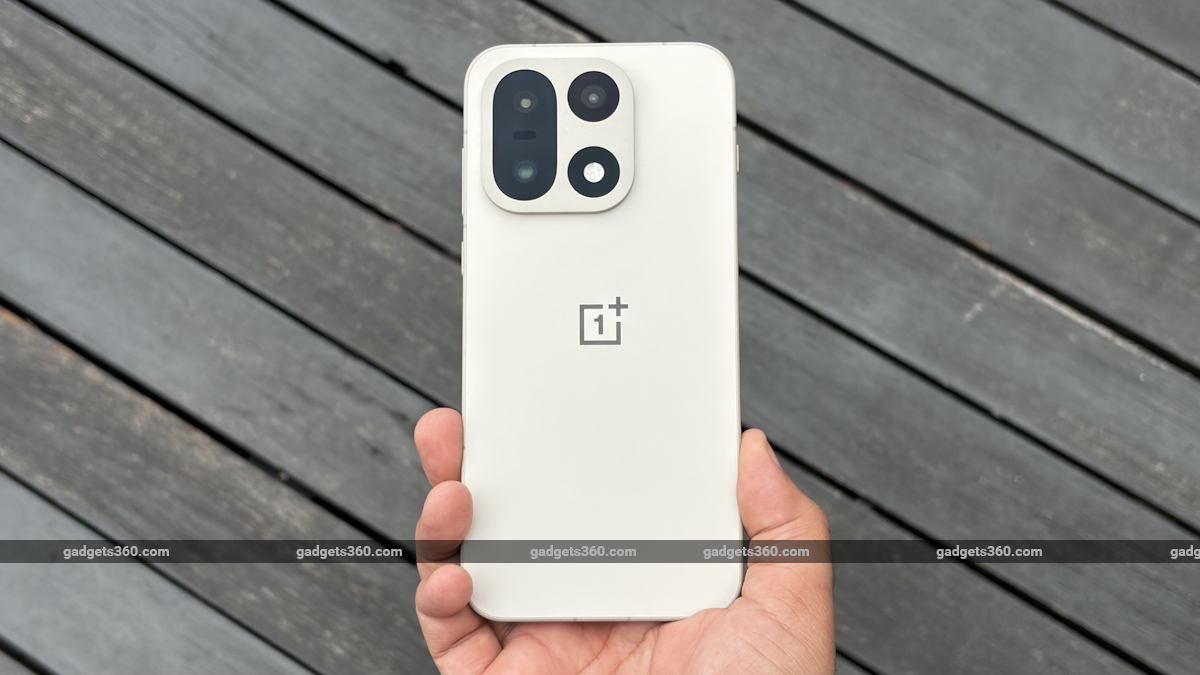
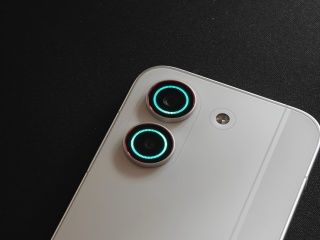
The vulnerabilities are said to affect the OnePlus 15 (pictured) and the older 12 Pro
Click Here to Add Gadgets360 As A Trusted Source

Advertisement
OnePlus is reportedly facing a serious security issue that could allow a malicious Android app to gain root access without requesting any permissions. Ethical hacker Rasmus Moorats found two vulnerabilities that can be chained to obtain extensive control over affected devices. The flaws reportedly work on the OnePlus 15 running the latest OxygenOS and may extend to other OnePlus and Oppo phones. OnePlus confirmed the issues months ago, but had not released a fix when Moorats published his findings in September.
OnePlus Security Flaws Could Give Apps Full Device Control
According to a blog post by ethical hacker Rasmus Moorats, the two vulnerabilities can reportedly be chained to take a malicious app from having no special privileges to gaining root access on the phone. The attack is local, meaning the app must first be installed on the device, but it does not need permissions or a user prompt to escalate its access.
- OnePlus and Oppo phones coming with 10,000mAh batteries. Would you buy one?
- OnePlus will no longer introduce its products in US and Europe
- OnePlus has launched the Nord Buds 4 with ANC at an aggressive price. Are budget ANC earbuds good enough for people?
- OnePlus 16 leaks are starting to sound genuinely wild now
- OnePlus targets India's budget segment with new N-series
The vulnerability has reportedly been reproduced on the OnePlus 12 Pro as well as the OnePlus 15, while the researcher believes other phones running OxygenOS 16 could be vulnerable. OnePlus has also indicated that the issue may extend to some Oppo models, although the affected devices have not been identified.
The attack starts with an app that is already present on the phone. That requirement prevents a remote attack, but does not provide much protection once a malicious application has been installed. The app can reportedly operate without requesting access to sensitive permissions or displaying a prompt before attempting the privilege escalation.
Moorats traced the problem to two OnePlus services. One of them, AtlasService, operates with root privileges and handles debugging functions. The researcher found that applications could interact with the service without adequate checks, allowing specially crafted data to reach a system utility and trigger commands with elevated privileges.
That initial access is restricted to a system area called dumpstate. On its own, it does not provide complete control of the phone. Moorats found that another component, called olc2, could be used to take the attack further because it accepts shell commands from processes that already have root access.
By combining the two weaknesses, the malicious app can reportedly reach a more powerful execution environment. This provides access to low-level Linux capabilities and could allow kernel code to be loaded, giving the attacker extensive control over the device.
OnePlus was first alerted to the vulnerabilities on April 18, 2026, and confirmed the issues on May 20. The company said a fix was being prepared and later asked for the disclosure to be delayed. The researcher agreed to hold the findings until September 17, but further requests for an update on July 20 and September 11 reportedly went unanswered. The vulnerabilities were subsequently disclosed publicly on September 24, with no patch available at the time.
OnePlus had reportedly not assigned a CVE identifier to the vulnerabilities or published an advisory covering them at the time of disclosure. There was also no indication that the flaws had been used in attacks against users.
The immediate precaution is to be selective about which applications are installed on the phone. Since the demonstrated attack depends on a malicious app being present locally, avoiding applications from untrusted sources can prevent the exploit from getting the initial foothold it requires.
The findings are part of a wider pattern of security research targeting additional software that smartphone makers add to Android. In August, researcher Lukas Maar demonstrated a separate root-access technique involving current firmware from Samsung, Xiaomi, Oppo, OnePlus and Realme. That method also involved a permissionless application, but used different manufacturer components.
OnePlus has previously faced scrutiny over other OxygenOS vulnerabilities. Rapid7 disclosed a separate issue in 2025 that reportedly allowed applications to access users' text messages. The security firm said the company responded after the research became public.
- REVIEW
- KEY SPECS
- NEWS
- Good
- Improved design and attractive colour options
- Flawless flagship performance
- Clean, polished, and feature-rich software
- Exceptional battery life and charging speeds
- Bad
- 165Hz is not worth the lower display resolution
- No alert slider
- Hasselblad-exclusive features missing
- Expensive
Read detailed OnePlus 15 review
Display 6.78-inch
Processor Snapdragon 8 Elite Gen 5
Front Camera 32-megapixel
Rear Camera 50-megapixel + 50-megapixel + 50-megapixel
RAM 12GB, 16GB
Storage 256GB, 512GB
Battery Capacity 7,300mAh
OS Android 16
Resolution 1,272x2,772 pixels
Comments
Get your daily dose of tech news, reviews, and insights, in under 80 characters on Gadgets 360 Turbo. Connect with fellow tech lovers on our Forum. Follow us on X, Facebook, WhatsApp, Threads and Google News for instant updates. Catch all the action on our YouTube channel.
Further reading:
OnePlus, OnePlus 15, OnePlus 12 Pro, OxygenOS, Android Security, Cybersecurity, Oppo
Related Stories




Advertisement
Follow Us




-
![[Sponsored] Samsung Galaxy Z Fold8, Fold8 Ultra](https://www.gadgets360.com/static/desktop/images/spacer.png)
00:21
[Sponsored] Samsung Galaxy Z Fold8, Fold8 Ultra -
03:41
[Sponsored] Samsung Galaxy Z Fold8: How It Fits Into an Actor’s Busy Day | Camera, Multitasking & More -
09:53
iPhone 18 Goes On Sale In India: Huge Crowds, Long Queues At Apple Stores -
06:32
Google Pixel 11 Pro XL Review: The Most Exciting Pixel Yet? | 120X Zoom + Tensor G6 -
05:20
Samsung Galaxy Watch Ultra 2 Review: Is This the Best Android Smartwatch?
-
Amazon vs Flipkart Sale: iPhone 17 ₹79,999 में, iPhone 15 ₹63,999 से शुरू
-
HMD 106 Pure लेटेस्ट फीचर फोन हुआ पेश, कीमत ₹1,100 के करीब
-
1 स्पीकर में 3 के मजे! Portronics ने भारत में लॉन्च किया AuraTrio
-
₹2508 डिस्काउंट पर मिल रहा Vivo Y सीरीज फोन! 50MP कैमरा, 5500mAh है बैटरी
-
Oppo K14 Plus 5G लॉन्च: 8000mAh की बैटरी लंबे समय तक देगी साथ, फोटोग्राफी के लिए 50MP कैमरा से लैस
Advertisement
Popular on Gadgets
- Samsung Galaxy S26 Ultra
- Motorola Razr Fold
- ChatGPT
- OPPO Find N6
- Mobiles Under Rs. 40,000
- Vivo X300 Ultra
- Asus Zenbook S14
- iQOO 15
- Vivo X300 Pro
- Lenovo Yoga Slim 7i Aura Edition
- iQOO 15R
- Vivo X Fold 5
- Sony PlayStation 5
- HP OmniPad 12
- OnePlus Nord CE 6 Lite
- OnePlus Pad 4
- OPPO F33 Pro 5G
- Cryptocurrency
- HP OmniBook Ultra 14 (2026)
- iPhone 17
- Eureka Forbes AP 355 Room Air Purifier
- Latest Mobile Phones
- Compare Phones
Latest Gadgets
- OPPO K14 Plus 5G
- Lava Shark 2 Pro 5G
- Ai+ Pulse 2 FE
- OPPO Reno 16t
- Itel Zeno 300
- Vivo Y600i
- Mivi One 5G
- Xiaomi 18 Pro Max
- Dell 14 Plus 2-in-1 (AMD Ryzen AI 7 350, 2025)
- Microsoft Surface Laptop, 13-inch (2nd Edition)
- Ai+ NovaTab
- Microsoft Surface Pro, 12-inch (2nd Edition)
- Amazfit T-Rex Dual Solar
- OPPO Watch S2
- Toshiba 65-Inch 4K Ultra HD Smart Mini LED QLED TV (65Z670SP)
- Haier M70 Mini LED 65-inch
- Acer Predator Atlas 8
- Asus ROG Ally
- Blue Star 1.5 Ton 5 Star Inverter Split AC (IE518ZNURS)
- Blue Star 2 Ton 3 Star Inverter Window AC (WIE324L)

- About Us
- Sitemaps
- Feedback
- Archives
- Contact Us
- RSS
- Advertise
- Career
- Privacy Policy
- Ethics
- Editorial Policy
- Terms & Conditions
- Complaint Redressal
Download Our Apps
Available in Hindi
© Copyright Red Pixels Ventures Limited 2026. All rights reserved.