-
 Flipkart Big Billion Days Sale: Poco X8 Pro Max, X8, M8x, More Deals Revealed Ahead of Sale1 October 2026
 -
Smartphones Launching in August 2026: Pixel 11 Series, Redmi Note 17 5G, Galaxy F70 Pro 5G, More2 August 2026
-
Best Smartphones With 120Hz Refresh Rate Display Under Rs 20,000 in India: iQOO Z11 Lite, Moto G37 Power, More26 July 2026
-
Best Mobiles Under Rs. 25,000 in India: From the Moto G67 Power, Realme P4x 5G and More28 June 2026
-
Realme 16 Series Gets Price Hike in India; OnePlus, Poco and Lava Also Revise Rates18 May 2026
- Home
- Mobiles
- Mobiles Reviews
- Poco M8 5G Review: Reliable Where It Counts
Poco M8 5G Review: Reliable Where It Counts
The Poco M8 5G shares several of its internals with the Redmi Note 15 5G, but does it fare better? Here’s our review.
Written by Shaurya Tomer, Edited by Ketan Pratap | Updated: 12 January 2026 20:30 IST
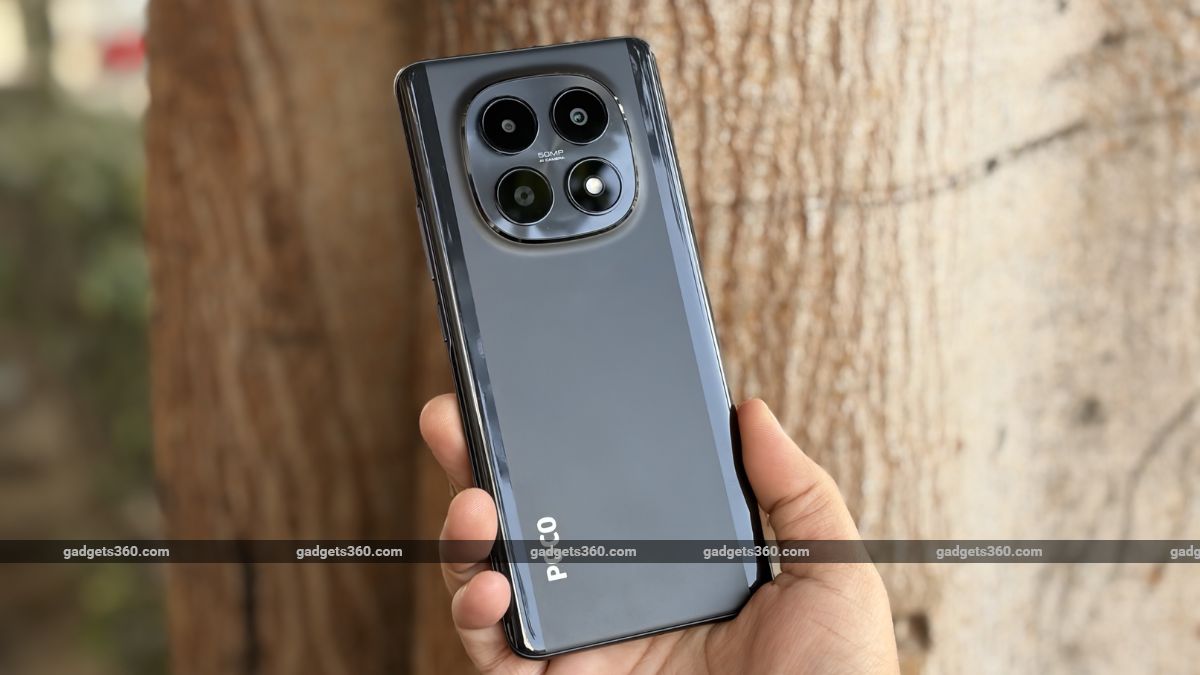
The Poco M8 5G price in India begins at Rs. 18,999
Click Here to Add Gadgets360 As A Trusted Source

Advertisement
Poco and Redmi are two sub-brands from Xiaomi that cater to the non-premium segment, offering value-for-money handsets with a good amount of features at an affordable price point. The newest addition to aid in the company's ambitions is the new Poco M8 5G. We recently reviewed the Redmi Note 15 5G, which has remarkably similar internals to the aforementioned handset, and found it to be great for everyday use, rather than a flashy upgrade.
The Poco M8 5G price in India is set at Rs. 18,999 for the base variant with 6GB RAM and 128GB storage. Does it manage to fare better than its Redmi counterpart? Here's our review.
Poco M8 5G Design: A Notable Step Up
- Dimensions - 164 x 75.42 x 7.35mm
- Weight - 178g
- Colours - Carbon Black, Glacial Blue, and Frost Silver
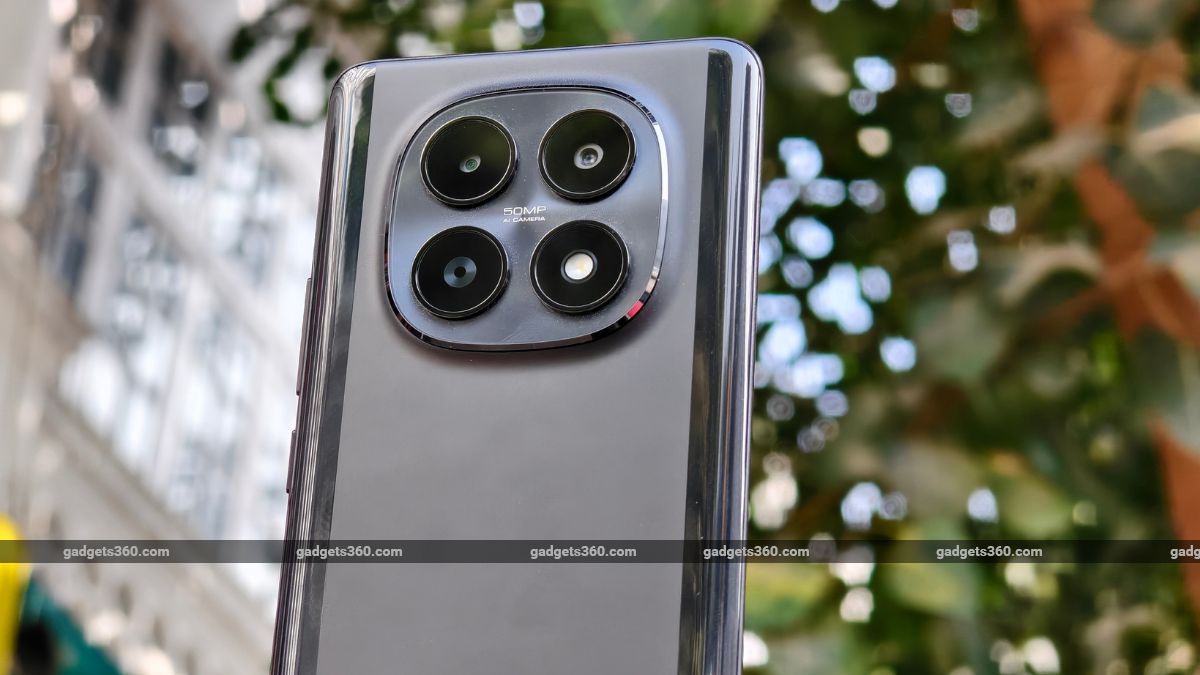
We have already mentioned the design of the Poco M8 5G in our first impressions, so I won't dwell on that here. The phone has a noticeably improved design compared to its predecessor. The phone is quite thin, measuring just 7.35mm in thickness and weighing only 178 grams, which is quite light compared to some of the other smartphones out there in the market. Its sides and edges are also curved, improving its ergonomics and making it quite comfortable to hold in one's hands.
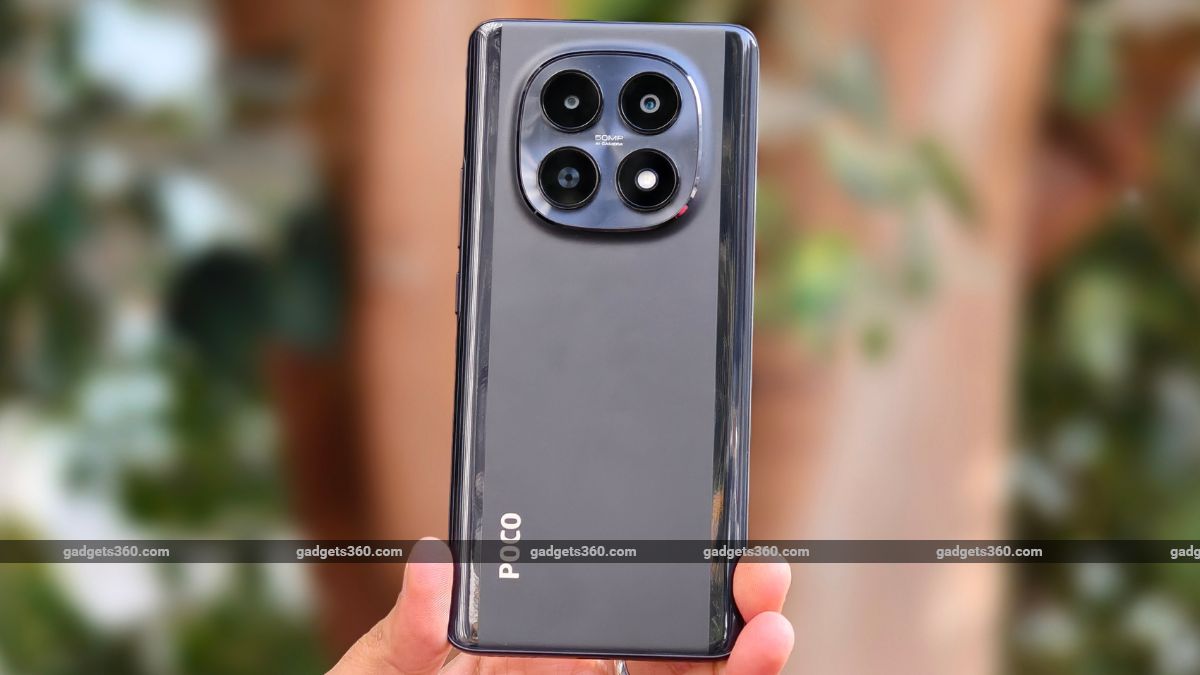
The back panel of the Poco M8 5G comes with a two-tone finish, accompanied by glossy ‘race line' accents that tend to gather fingerprints rather easily, but the middle part, which has a matte finish, resists smudges pretty well. For durability, it has an IP66-rated build, protecting it against dust and water splashes.
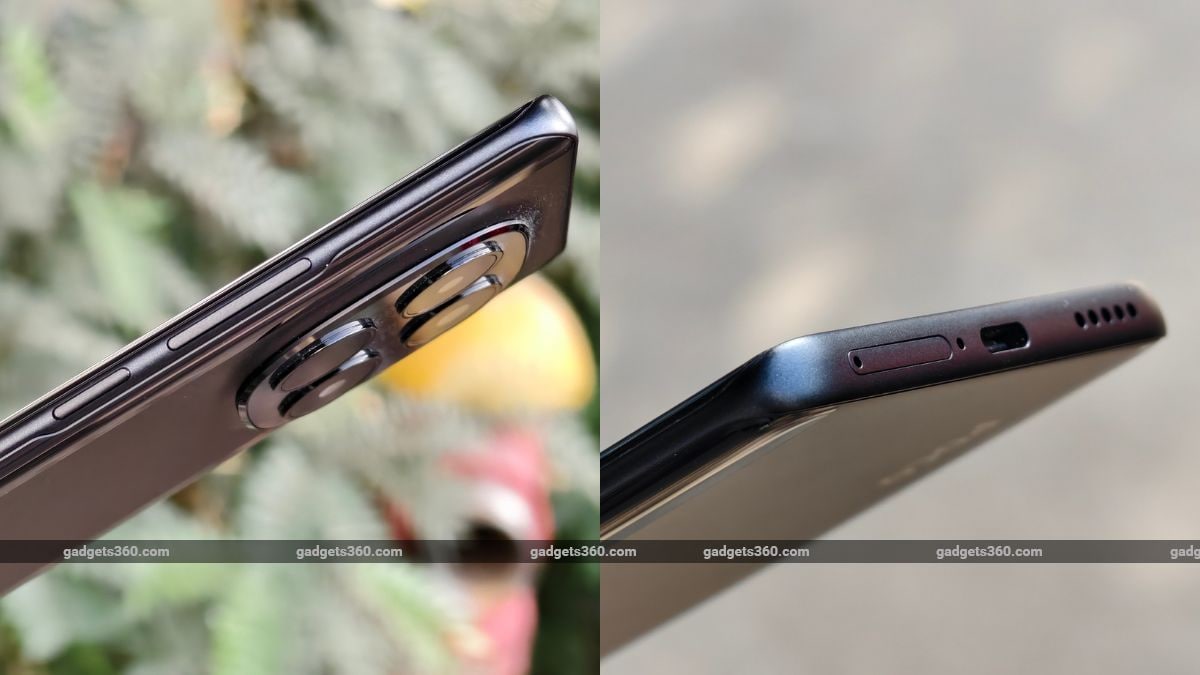
Overall, the Poco M8 5G has a modern and elegant design for its price range.
Poco M8 5G Display: Big Upgrades
- Size and resolution - 6.77-inch 3D Curved AMOLED, 1,080 x 2,392 pixels
- Refresh rate - 120Hz
- Protection - NA
On the front of the Poco M8 5G is a 6.77-inch (1,080 x 2,392 pixels) 3D curved AMOLED screen with a 387PPI pixel density and a 120Hz refresh rate. This is a really impressive addition over the last model that shipped with an IPS LCD, and what you're left with is a vibrant display with punchy colour reproduction, decent black levels, and sharp content.
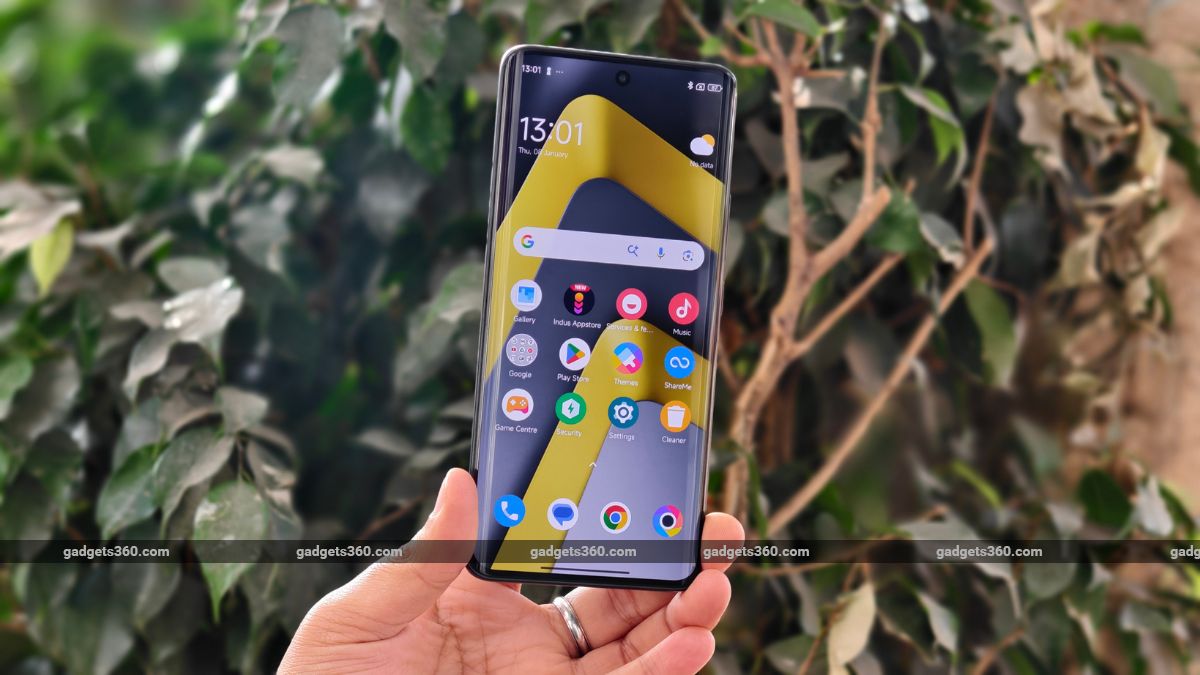
The bezels are fairly slim on all three sides, except for the slightly thicker chin. With a peak brightness of 3,200 nits, the screen gets sufficiently bright under direct sunlight, so you'll have no complaints on the legibility front.
Scrolling through the user interface (UI) is quite fluid, the animation is smooth, and watching media on the large AMOLED is mostly a pleasing experience. Even with the curved screen, I did not face much distortion around the edges. One gripe I have is the lack of HDR support, which means you cannot fully enjoy the HDR-supported content of apps like Netflix and YouTube.
There's an in-display fingerprint scanner on the Poco M8 5G, and the scanner is quick to respond to gestures. The device features dual speakers that produce a sufficiently loud sound. However, the audio output has a slight distortion when the sound goes all the way loud, and there's a slight vibration in the lower rear part of the body while playing audio.
Poco M8 5G Performance and Software: Par for the Course
- Processor - Snapdragon 6s Gen 3
- Memory - 8GB LPDDR4X (RAM), Up to 512GB UFS 2.2 (storage)
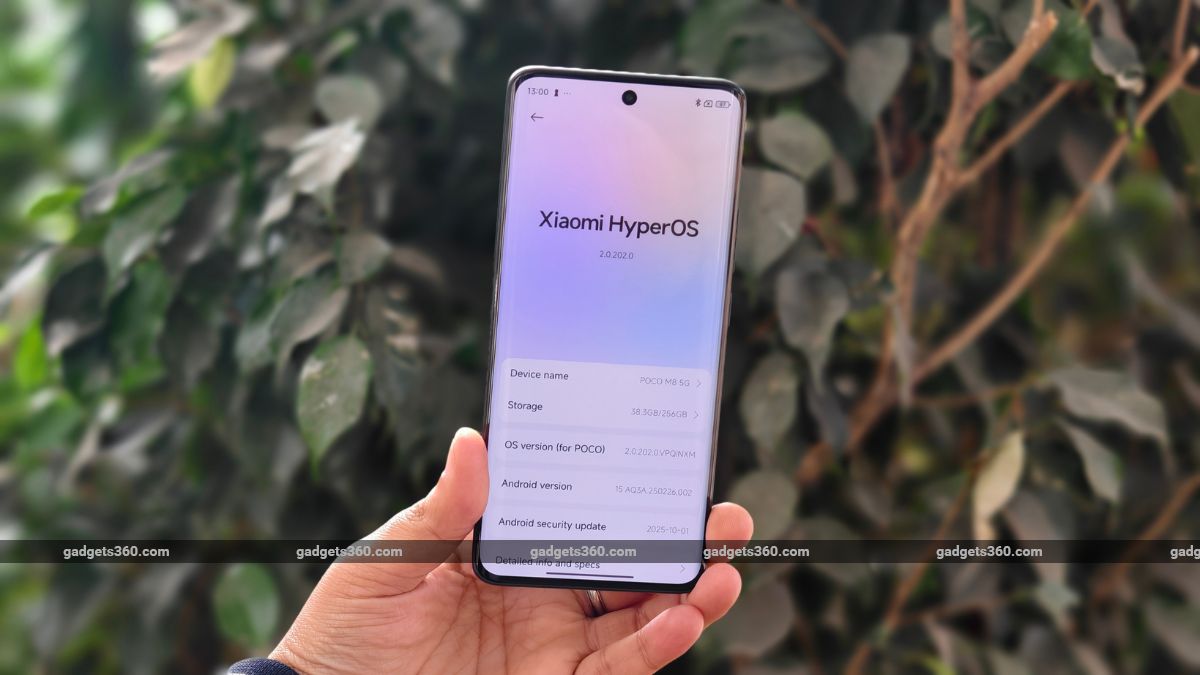
- OS - Android 15-based HyperOS 2
- Updates Promised - 4 Years OS + 6 Years Security Patches
The Poco M8 5G is powered by the Qualcomm Snapdragon 6 Gen 3 chipset paired with up to 8GB of RAM and up to 256GB of storage. As is the case with most affordable smartphones today, everyday performance of the handset does not leave room for complaint. I did not experience any lag while performing activities like messaging, running social media sites, browsing, and playing video content from OTT platforms.
In casual gaming, games such as Call of Duty: Mobile and Battlegrounds Mobile India (BGMI) do moderately well with low graphics and frame rates. For instance, I played COD: Mobile with low graphics and managed an fps of around 85-90 frames per second. Graphics-intensive games such as Genshin Impact and Grid: Legends, however, struggled to run smoothly.
Talking about the issue of thermals, it took about 30 minutes for the Poco M8 5G to heat while gaming in BGMI and COD: Mobile. It did not, however, go to the extent where it would have become awkward to hold.
The Poco M8 5G runs Android 15-based HyperOS 2. It is disappointing to see phones still shipping with the previous version of the Android operating system (OS), even when Android 16 has been out for a while now. However, Poco's software strategy to provide four years of Android version updates and six years of security updates is definitely a positive.
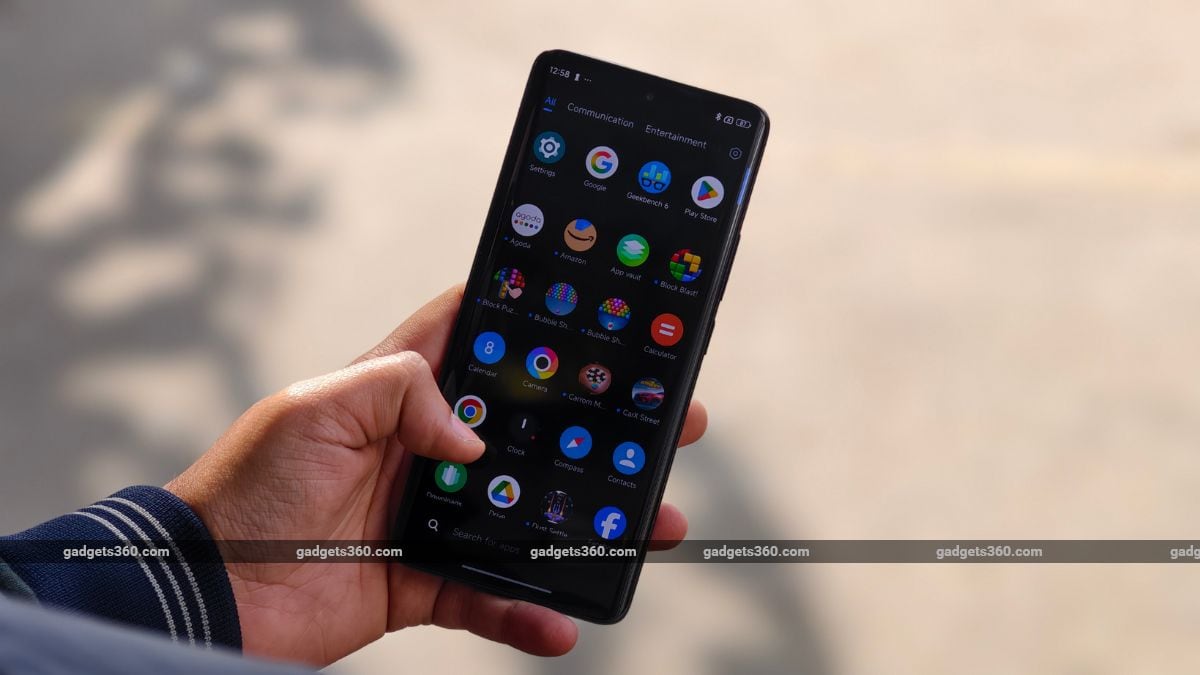
The overall experience is quite similar to the recently introduced Redmi Note 15 5G. Animations and UI navigation on Android 15-based HyperOS 2 are fluid. There are plenty of customisation options for the home and lock screens, icons, and tiles. You can download themes and wallpapers from the provided theme stores.
Apart from this, there are the staple AI features, including Circle to Search and Gemini, which work fairly decently. However, what deterred us from calling it a good software experience is the amount of bloatware present. The OS includes the usual culprits like Block Blast, Bubble Shooter, and Tile Fun. These come pre-installed on the handset, and you'll have to manually remove them.
Poco M8 5G Camera: Unspectacular
- Rear - 50-megapixel primary (f/1.8) + 2-megapixel depth sensor
- Front - 20-megapixel (f/2.2)
The cameras on the Poco M8 5G are just about average. In good lighting, the shots are usable, with a decent amount of detail and contrast. The colours, however, keep fluctuating between natural and artificial. It also has a habit of blowing out the highlights.
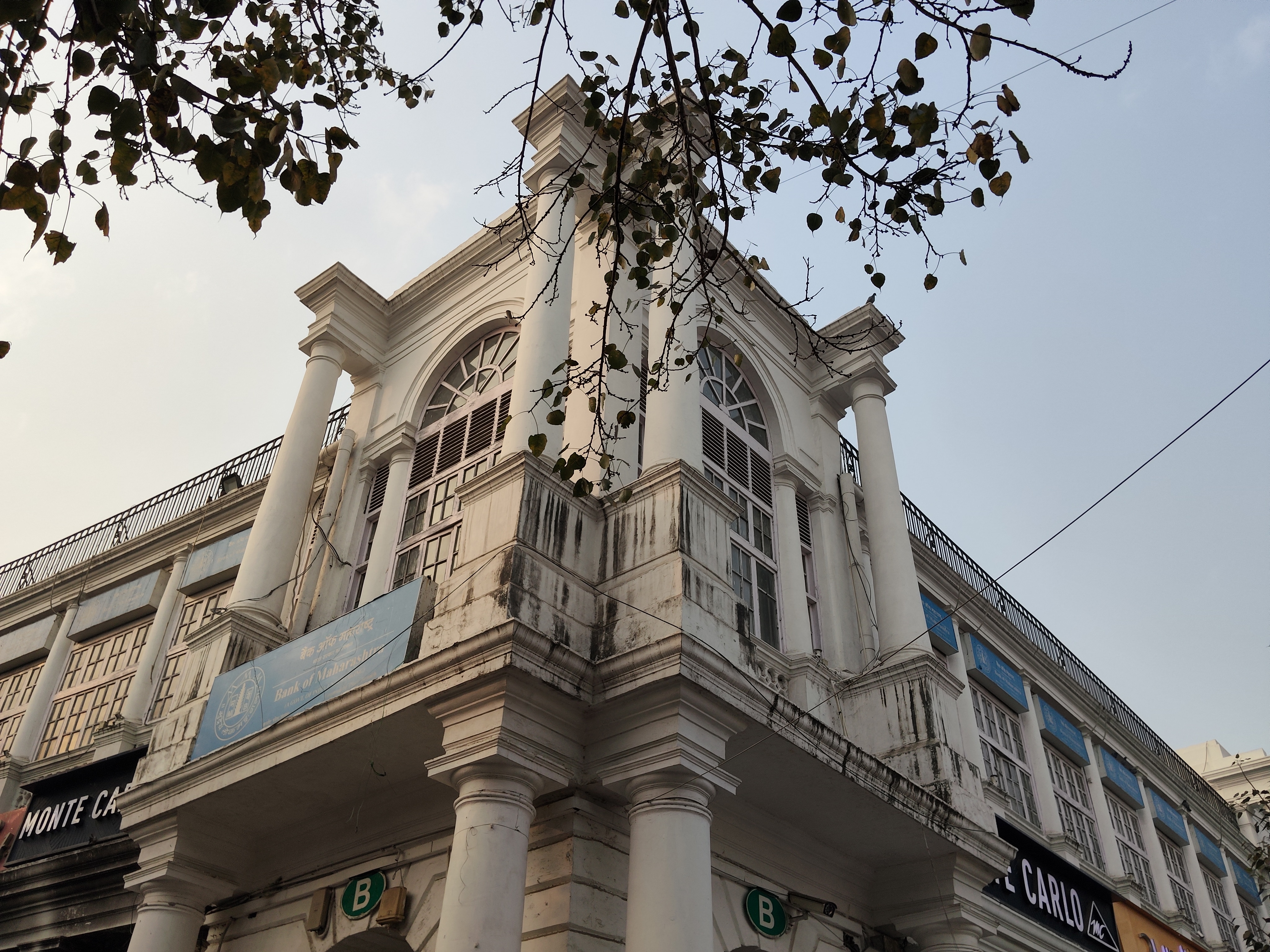

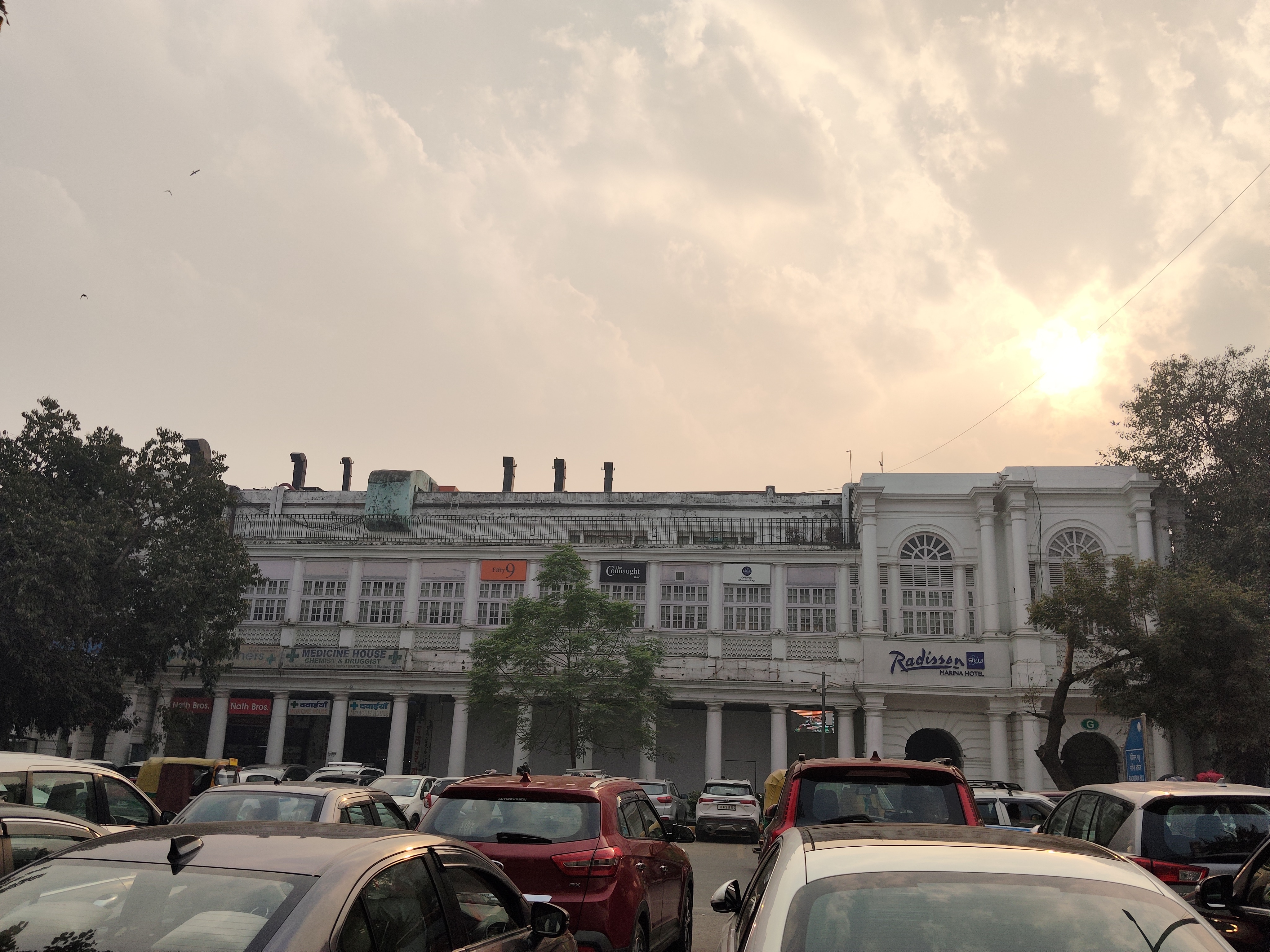


Poco M8 5G primary camera samples (tap to expand)
The handset offers 2x digital zoom, and while it maintains consistent colours and exposure, details and fine textures tend to take a hit. You also miss an ultra-wide-angle, which some of the Poco M8 5G competitors in its price range offer.



Poco M8 5G 2x camera samples (tap to expand)

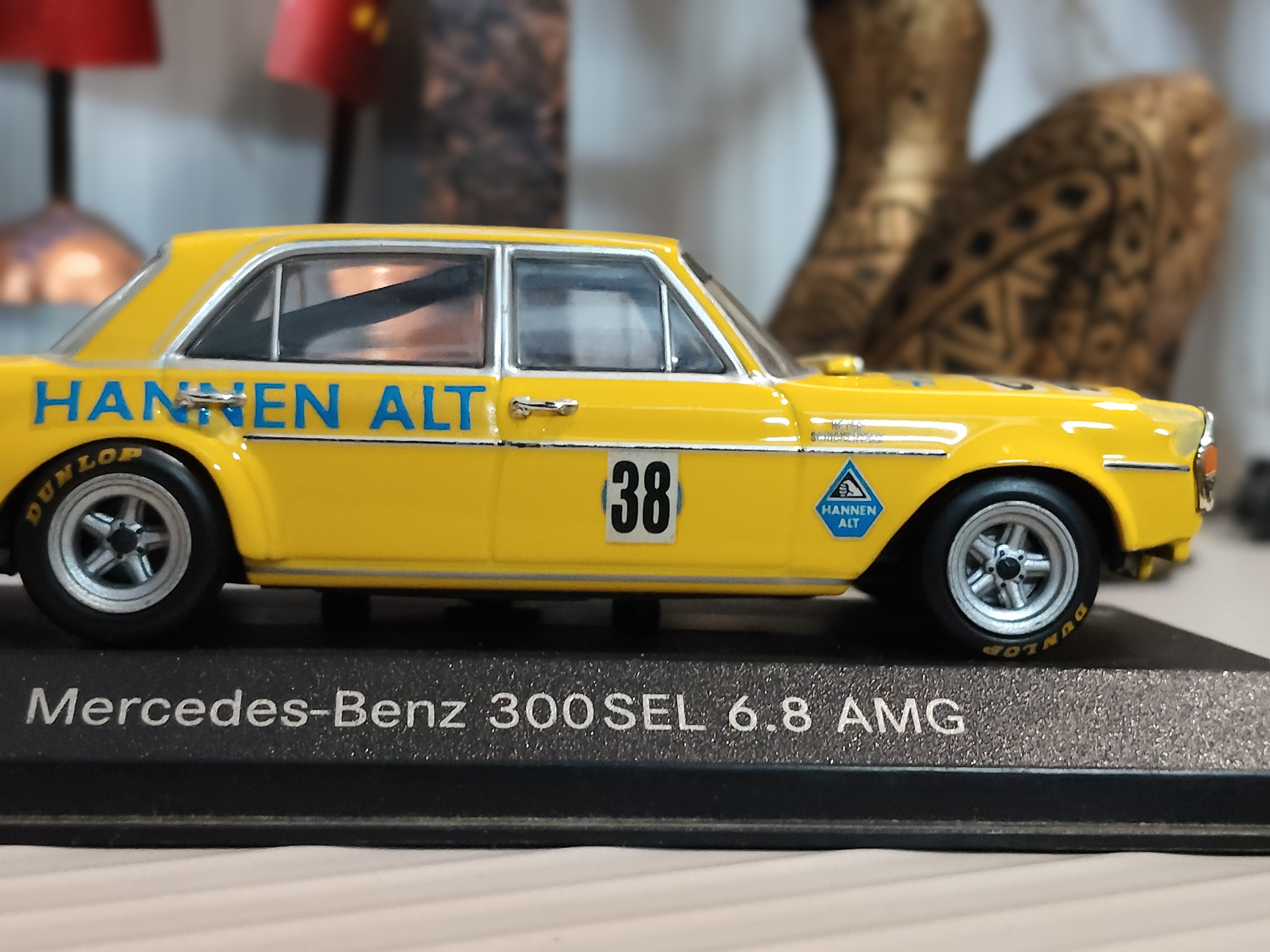

Poco M8 5G portrait camera samples (tap to expand)
Moving on, selfies captured in the daylight are much better in terms of detail and colour accuracy compared to low-light scenarios. However, I did notice an inconsistency when it comes to capturing accurate skin tones.


Poco M8 5G normal and portrait selfie camera samples (tap to expand)
The Poco M8 5G supports up to 4K 30fps video recording, but I experienced jittering and poor stabilisation.
Poco M8 5G Battery Life: Lasts a Day
- Battery Capacity - 5,520mAh
- Wired Charging - 45W
- Wireless Charging - NA
Battery life is one of the positives of the Poco M8 5G. With a full charge, the handset can easily last you more than a day of regular usage. In the PCMark Work 3.0 Battery Test, the handset achieved a figure of 20 hours and 13 minutes, which is impressive. The phone will still manage to last through the evening with heavy usage, involving casual gaming, music streaming, and social media browsing.
The Poco M8 5G supports 45W wired fast charging. It charges up to 51 percent after 30 minutes of charging, while charging it from 0 to 100 percent takes about one hour and 11 minutes.
Poco M8 5G Verdict
The Poco M8 5G is a well-rounded smartphone, which is more about delivering on the basics than on some fancy features. It brings quite an upgrade in terms of design, a large and colourful AMOLED display, decent performance, and lasting battery life. The promise of long-term software support further adds to its appeal.
The cameras, however, are anything but impressive, and the UI is burdened with bloat. But once again, these are expected compromises at this price.
If you are looking at an inoffensive, no-nonsense 5G phone under Rs. 20,000 that performs consistently in daily use, the Poco M8 5G is a good option to consider. You can also opt for the Redmi Note 15 5G (review) that has remarkably similar specifications, or the CMF Phone 2 Pro (review) if you want something that stands out and has an ultra-wide-angle camera.
- REVIEW
- KEY SPECS
- NEWS
- Good
- Slim and appealing design
- Bright 120Hz AMOLED display
- Smooth everyday performance
- Long-term software update promise
- Bad
- No HDR support
- No ultra-wide camera
- Noticeable bloatware
Read detailed Poco M8 5G review
Display 6.77-inch
Processor Qualcomm Snapdragon 6 Gen 3
Front Camera 20-megapixel
Rear Camera 50-megapixel + 2-megapixel
RAM 6GB, 8GB
Storage 128GB, 256GB
Battery Capacity 5520mAh
OS Android 15
Resolution 1080x2392 pixels
Comments
Get your daily dose of tech news, reviews, and insights, in under 80 characters on Gadgets 360 Turbo. Connect with fellow tech lovers on our Forum. Follow us on X, Facebook, WhatsApp, Threads and Google News for instant updates. Catch all the action on our YouTube channel.
Further reading:
Poco M8 5G, Poco M8 5G Features, Poco M8 5G Launch, Poco M8 5G Price in India, Poco M8 5G Specifications, Poco
Related Stories



Advertisement
Follow Us




-
![[Sponsored]: CP PLUS CarKam CP-F89B: 4K Dashcam With Rear Camera, GPS & Emergency Recording](https://www.gadgets360.com/static/desktop/images/spacer.png)
04:37
[Sponsored]: CP PLUS CarKam CP-F89B: 4K Dashcam With Rear Camera, GPS & Emergency Recording -
04:23
[Partner Content] Your Phone Can Do WAY More Than You Think | OPPO ColorOS 16 -
01:59
Samsung Galaxy Z Fold8 Ultra: Unfold the Ultra Night -
03:24
Apple Pay Launches In India: Supported Devices, Cards And Payments Explained -
00:21
[Sponsored] Samsung Galaxy Z Fold8, Fold8 Ultra
-
Amazon Great Indian Festival Sale: iPhone 17 Pro पर बंपर डील
-
Flipkart Big Billion Days Sale: ₹8K से सस्ता मिल रहा Google Pixel 10a
-
भारत में दुनिया का सबसे सस्ता इंटरनेट, 1GB की कीमत सिर्फ 8 रुपये
-
Flipkart Big Billion Sale 2026: ₹20 हजार से सस्ते खरीदें Samsung, Mivi, Ai+ बजट फोन, 7000mAh तक बैटरी
-
Xiaomi ने लॉन्च किया 10,000 mAh का नया पावरबैंक, 55W फास्ट चार्जिंग सपोर्ट
Advertisement
Popular on Gadgets
- Samsung Galaxy S26 Ultra
- Motorola Razr Fold
- ChatGPT
- OPPO Find N6
- Mobiles Under Rs. 40,000
- Vivo X300 Ultra
- Asus Zenbook S14
- iQOO 15
- Vivo X300 Pro
- Lenovo Yoga Slim 7i Aura Edition
- iQOO 15R
- Vivo X Fold 5
- Sony PlayStation 5
- HP OmniPad 12
- OnePlus Nord CE 6 Lite
- OnePlus Pad 4
- OPPO F33 Pro 5G
- Cryptocurrency
- HP OmniBook Ultra 14 (2026)
- iPhone 17
- Eureka Forbes AP 355 Room Air Purifier
- Latest Mobile Phones
- Compare Phones
Latest Gadgets
- Vivo Y600s Pro
- Vivo Y32 (2026)
- Infinix Smart 20 HD
- Vivo V80
- Vivo S2 FE
- Vivo Y600K Turbo
- Realme P4s Lite
- Vivo S60t
- Dell Pro Rugged 14
- Dell Pro Rugged 13 Extreme
- Amazon Alexa Tablet 8
- Amazon Alexa Tablet 11
- Amazfit T-Rex Dual Solar
- OPPO Watch S2
- Toshiba 65-Inch 4K Ultra HD Smart Mini LED QLED TV (65Z670SP)
- Haier M70 Mini LED 65-inch
- Acer Predator Atlas 8
- Asus ROG Ally
- Blue Star 1.5 Ton 5 Star Inverter Split AC (IE518ZNURS)
- Blue Star 2 Ton 3 Star Inverter Window AC (WIE324L)

- About Us
- Sitemaps
- Feedback
- Archives
- Contact Us
- RSS
- Advertise
- Career
- Privacy Policy
- Ethics
- Editorial Policy
- Terms & Conditions
- Complaint Redressal
Download Our Apps
Available in Hindi
© Copyright Red Pixels Ventures Limited 2026. All rights reserved.