-
 Toyota Plans to Use Regenerative Fuel Cell Technology for Manned Lunar Rover21 July 2023
 -
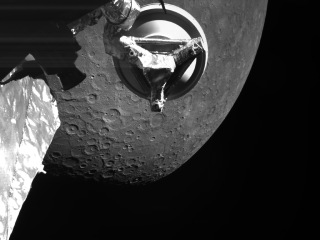
BepiColombo Probe Makes Second Flyby of Mercury to Capture Intricate Geological Features29 June 2022
-
Toyota Heading to Moon With Cruiser, Robotic Arms; Aims to Facilitate Lunar Inhabitation by 204028 January 2022
-
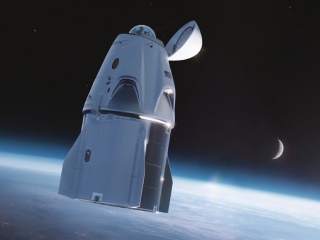
NASA’s SpaceX Crew-2 Mission Will Return to Earth After 199 Days in Space After Delay Due to Bad Weather8 November 2021
-
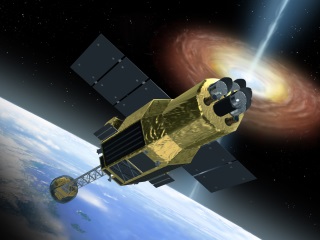
Japan Loses Track of Pricey Black Hole Satellite28 March 2016
- Home
- Science
- Science News
- Japan Rocket Launches Its First Commercial Satellite
Japan Rocket Launches Its First Commercial Satellite
By Agence France-Presse | Updated: 24 November 2015 15:38 IST
Click Here to Add Gadgets360 As A Trusted Source

Advertisement
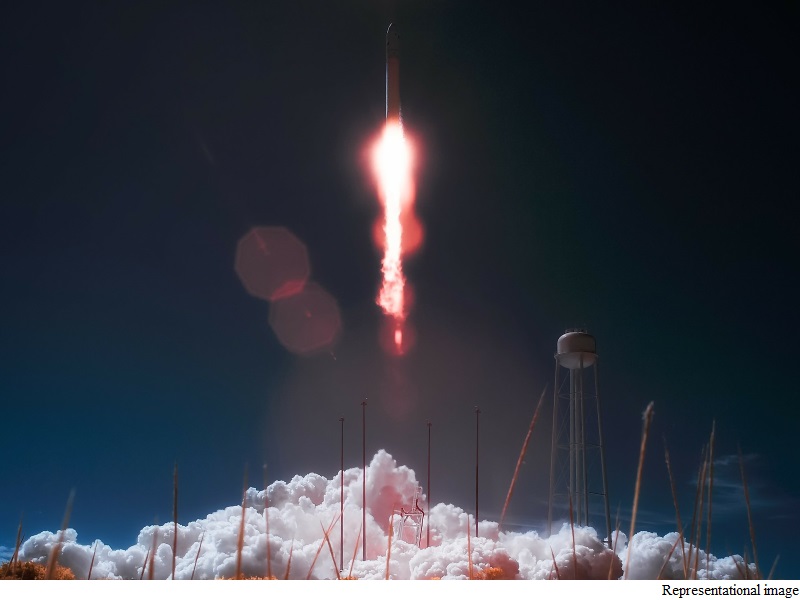
A Japanese rocket lifted off Tuesday with the national space programme's first commercial satellite as Tokyo tries to enter a business dominated by European and Russian companies.
The Japan Aerospace Exploration Agency and Mitsubishi Heavy Industries oversaw the launch from Tanegashima Space Center in southwest Japan.
The launch of the H-IIA rocket was originally scheduled at 3:23 pm (0623 GMT), but was delayed by roughly 30 minutes because a small ship unexpectedly came near the space station.
The rocket successful launched at 3:50 pm, carrying the TELSTAR 12V communications and broadcasting satellite for Canadian satellite operator Telesat.
It was scheduled to release the payload into orbit about 4 1/2 hours after liftoff, the space agency said.
Japan wants to become a major player in the satellite launching business. It has tried to improve the H-IIA rocket to cut the cost of each launch to make its programme competitive.
Comments
Get your daily dose of tech news, reviews, and insights, in under 80 characters on Gadgets 360 Turbo. Connect with fellow tech lovers on our Forum. Follow us on X, Facebook, WhatsApp, Threads and Google News for instant updates. Catch all the action on our YouTube channel.
Related Stories


Advertisement
Follow Us




-
![[Sponsored] LG NANO 4K UHD AI TV NU885: Gemini Search, Dolby Atmos & 5 Years of Updates](https://www.gadgets360.com/static/desktop/images/spacer.png)
04:17
[Sponsored] LG NANO 4K UHD AI TV NU885: Gemini Search, Dolby Atmos & 5 Years of Updates -
00:57
[Sponsored] Samsung Galaxy Z Fold8 My Fan Cam in Action: Find the Moment, Then Share It -
01:41
[Sponsored] What Do You Need To Know Before Your Next Run? | Samsung Galaxy Watch Ultra2 -
01:32
[Sponsored] Big Day Tomorrow? Prep Today | Samsung Galaxy Watch Ultra2 -
04:37
[Sponsored]: CP PLUS CarKam CP-F89B: 4K Dashcam With Rear Camera, GPS & Emergency Recording
-
iPhone 16 आज भी Amazon सेल में मिल रहा ₹15 हजार से ज्यादा सस्ता
-
OnePlus 15 को Amazon Great Indian Festival Sale में खरीदें सस्ता
-
₹2250 सस्ता मिल रहा Motorola का 7000mAh बैटरी वाला फोन! Flipkart पर ऑफर
-
Redmi K100 में 10,000mAh बैटरी कंफर्म, 100W होगी फास्ट चार्जिंग!
-
HMD Vibe 2 Max बजट फोन लॉन्च होगा 108MP कैमरा, 6,000mAh बैटरी फीचर के साथ!
Advertisement
Popular on Gadgets
- Samsung Galaxy S26 Ultra
- Motorola Razr Fold
- ChatGPT
- OPPO Find N6
- Mobiles Under Rs. 40,000
- Vivo X300 Ultra
- Asus Zenbook S14
- iQOO 15
- Vivo X300 Pro
- Lenovo Yoga Slim 7i Aura Edition
- iQOO 15R
- Vivo X Fold 5
- Sony PlayStation 5
- HP OmniPad 12
- OnePlus Nord CE 6 Lite
- OnePlus Pad 4
- OPPO F33 Pro 5G
- Cryptocurrency
- HP OmniBook Ultra 14 (2026)
- iPhone 17
- Eureka Forbes AP 355 Room Air Purifier
- Latest Mobile Phones
- Compare Phones
Latest Gadgets
- Samsung Galaxy F70 5G
- Tecno Spark 50S 5G
- Vivo Y600s Pro
- Vivo Y32 (2026)
- Infinix Smart 20 HD
- Vivo V80
- Vivo S2 FE
- Vivo Y600K Turbo
- HP ZBook Ultra G3a
- Dell Pro Rugged 14
- Amazon Alexa Tablet 8
- Amazon Alexa Tablet 11
- Amazfit T-Rex Dual Solar
- OPPO Watch S2
- Toshiba 65-Inch 4K Ultra HD Smart Mini LED QLED TV (65Z670SP)
- Haier M70 Mini LED 65-inch
- Acer Predator Atlas 8
- Asus ROG Ally
- Blue Star 1.5 Ton 5 Star Inverter Split AC (IE518ZNURS)
- Blue Star 2 Ton 3 Star Inverter Window AC (WIE324L)

- About Us
- Sitemaps
- Feedback
- Archives
- Contact Us
- RSS
- Advertise
- Career
- Privacy Policy
- Ethics
- Editorial Policy
- Terms & Conditions
- Complaint Redressal
Download Our Apps
Available in Hindi
© Copyright Red Pixels Ventures Limited 2026. All rights reserved.