
-
 Germany Considers 25 Percent Tax on Previously Untaxed Crypto Gains9 September 2026
 -
UK Tax Authority Announces ‘No Gain, No Loss’ Treatment for Select Crypto Transactions15 July 2026
-
South Africa Proposes Crypto Tax Guidance Under Existing Framework6 July 2026
-
UAE to Begin Sharing Crypto Tax Data Under Crypto Asset Reporting Framework in 202823 September 2025
-
FIU-IND Reportedly Sets June 30 Deadline for Crypto Exchanges to Redo KYC Verification25 April 2025
- Home
- Cryptocurrency
- Cryptocurrency News
- France Backs Stablecoin Tax Plan and 10 Year Window for Crypto Loss Relief
France Backs Stablecoin Tax Plan and 10-Year Window for Crypto Loss Relief
Investors could offset eligible crypto disposal losses against gains for up to a decade under the proposed tax changes.
Written by Rahul Dhingra, Edited by Rohan Pal | Updated: 10 October 2026 07:00 IST
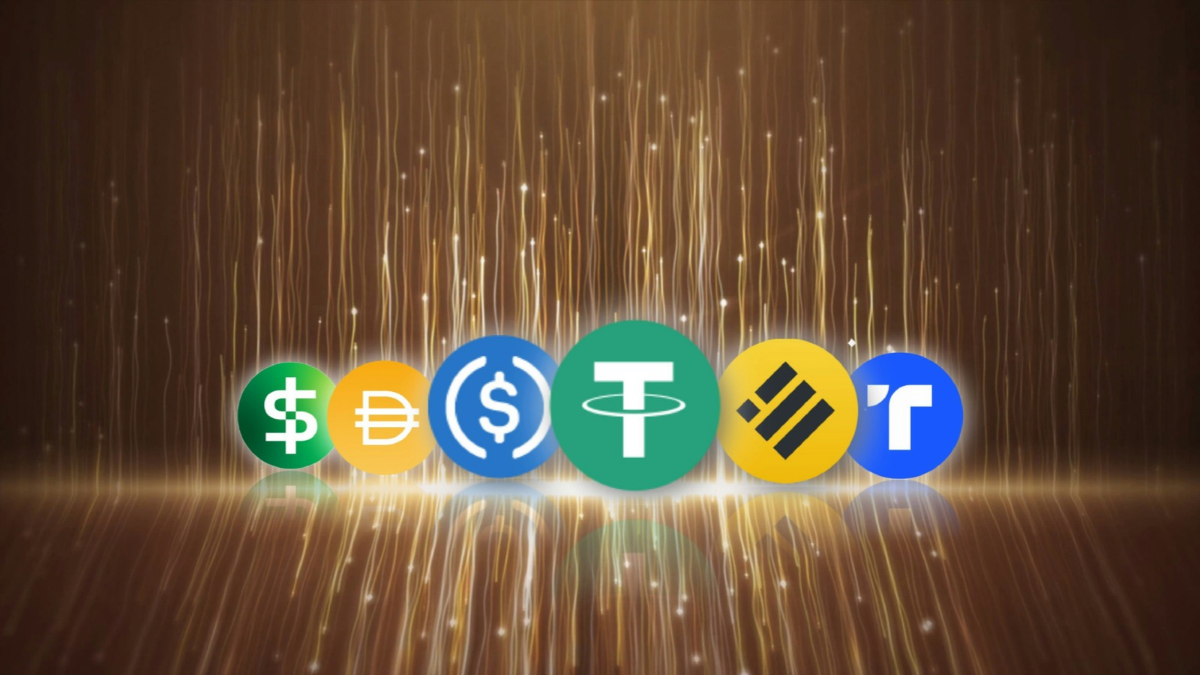
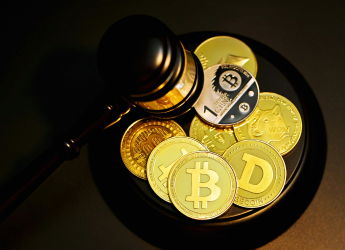
Photo Credit: Unsplash/CoinWire Japan
The proposed changes would alter how French taxpayers calculate gains and losses
Click Here to Add Gadgets360 As A Trusted Source

Advertisement
French regulators have passed revisions that will levy taxes on the conversion of cryptocurrencies into stablecoins and permit traders to carry forward losses for 10 years under the nation's proposed 2027 budget. As per the National Assembly of France, the amendments for levying tax on stablecoins were accepted by the Finance Committee on October 7. There was also another amendment for modifying the manner in which losses incurred through trading of digital assets could be claimed against future gains. Both proposals remain at the committee stage and must pass further legislative review before becoming law.
Proposed Rules Would End Tax Exemption for Qualifying Stablecoin Conversions
Other crypto taxation changes that have been proposed by lawmakers include an exit tax that applies to rich taxpayers shifting their place of taxation to somewhere outside France. With amendment I-CF1826 that was put forward by lawmaker Nicolas Sansu, transactions where the taxpayer converts his crypto assets into qualified electronic money token assets will be treated as taxable from January 1, 2027. Under current French law, there is no taxable event when a taxpayer exchanges his crypto assets for other crypto assets.
The same applies to the conversion of Bitcoin or Ethereum to a qualifying stablecoin, even if it is pegged to a conventional currency like the US dollar or euro. Sansu's plan will do away with the exemption from taxation for transactions in which investors receive electronic money tokens as per the Markets in Crypto-Assets (MiCA) Regulation of the European Union (EU).
The explanatory note to the amendment stated that it was possible under the current law for investors to exchange appreciated cryptos for stablecoins without having to pay taxes, as would be applicable in case of direct sale of the assets for cash.
It is mentioned that stablecoins may be used for payment or buying of other cryptocurrencies, even though stablecoins are treated as digital assets under the current tax system. This proposal means that gains or losses arising from such transactions should be calculated based on the difference between the disposal price and the acquisition price of the asset sold.
Transaction costs recorded in documentation were allowable deductions for establishing the disposal price. There were two possible ways of identifying the cost of acquisition of any cryptocurrency acquired prior to the year 2027. One way was through the documented cost of each particular investment, or the other was through allocating the cost of acquisition of the entire portfolio on December 31, 2026.
While discussing the stablecoin, the committee voted in favor of amendment I-CF798, introduced by Daniel Labaronne, in regard to how cryptocurrency losses are handled. The amendment proposes that qualifying losses from disposing of cryptocurrencies be carried forward for a period of ten years to be deducted from gains earned in that period. Losses realised from private crypto transactions that qualify as gains will offset gains generated in the tax year when the losses were incurred. However, the unused losses cannot be used to offset future gains.
Comments
Get your daily dose of tech news, reviews, and insights, in under 80 characters on Gadgets 360 Turbo. Connect with fellow tech lovers on our Forum. Follow us on X, Facebook, WhatsApp, Threads and Google News for instant updates. Catch all the action on our YouTube channel.
Related Stories




Advertisement
Follow Us




-
![[Sponsored]: CP PLUS CarKam CP-F89B: 4K Dashcam With Rear Camera, GPS & Emergency Recording](https://www.gadgets360.com/static/desktop/images/spacer.png)
04:37
[Sponsored]: CP PLUS CarKam CP-F89B: 4K Dashcam With Rear Camera, GPS & Emergency Recording -
04:23
[Partner Content] Your Phone Can Do WAY More Than You Think | OPPO ColorOS 16 -
01:59
Samsung Galaxy Z Fold8 Ultra: Unfold the Ultra Night -
03:24
Apple Pay Launches In India: Supported Devices, Cards And Payments Explained -
00:21
[Sponsored] Samsung Galaxy Z Fold8, Fold8 Ultra
-
Amazon Great Indian Festival Sale: iPhone 17 Pro पर बंपर डील
-
Flipkart Big Billion Days Sale: ₹8K से सस्ता मिल रहा Google Pixel 10a
-
भारत में दुनिया का सबसे सस्ता इंटरनेट, 1GB की कीमत सिर्फ 8 रुपये
-
Oppo Find X10 Pro Max ग्लोबल लॉन्च 21 अक्टूबर के लिए कंफर्म, 200MP तीन कैमरा, 8,000mAh बैटरी!
-
Flipkart Big Billion Days Sale: ₹90 हजार वाला Pixel फोन मिल रहा ₹21 हजार से ज्यादा सस्ता
Advertisement
Popular on Gadgets
- Samsung Galaxy S26 Ultra
- Motorola Razr Fold
- ChatGPT
- OPPO Find N6
- Mobiles Under Rs. 40,000
- Vivo X300 Ultra
- Asus Zenbook S14
- iQOO 15
- Vivo X300 Pro
- Lenovo Yoga Slim 7i Aura Edition
- iQOO 15R
- Vivo X Fold 5
- Sony PlayStation 5
- HP OmniPad 12
- OnePlus Nord CE 6 Lite
- OnePlus Pad 4
- OPPO F33 Pro 5G
- Cryptocurrency
- HP OmniBook Ultra 14 (2026)
- iPhone 17
- Eureka Forbes AP 355 Room Air Purifier
- Latest Mobile Phones
- Compare Phones
Latest Gadgets
- Vivo Y600s Pro
- Vivo Y32 (2026)
- Infinix Smart 20 HD
- Vivo V80
- Vivo S2 FE
- Vivo Y600K Turbo
- Realme P4s Lite
- Vivo S60t
- Dell Pro Rugged 14
- Dell Pro Rugged 13 Extreme
- Amazon Alexa Tablet 8
- Amazon Alexa Tablet 11
- Amazfit T-Rex Dual Solar
- OPPO Watch S2
- Toshiba 65-Inch 4K Ultra HD Smart Mini LED QLED TV (65Z670SP)
- Haier M70 Mini LED 65-inch
- Acer Predator Atlas 8
- Asus ROG Ally
- Blue Star 1.5 Ton 5 Star Inverter Split AC (IE518ZNURS)
- Blue Star 2 Ton 3 Star Inverter Window AC (WIE324L)

- About Us
- Sitemaps
- Feedback
- Archives
- Contact Us
- RSS
- Advertise
- Career
- Privacy Policy
- Ethics
- Editorial Policy
- Terms & Conditions
- Complaint Redressal
Download Our Apps
Available in Hindi
© Copyright Red Pixels Ventures Limited 2026. All rights reserved.