-
 Realme 16 Pro+, Realme 16T, Realme C83 5G and More Receive Price Hikes in India: Check Updated Prices18 August 2026
 -
Realme 16 Series Gets Price Hike in India; OnePlus, Poco and Lava Also Revise Rates18 May 2026
-
Realme 16 Pro, Realme 15 Price in India to Be Hiked From February 11 Due to Rising Component Costs: Report10 February 2026
-
Best Smartphones in India Under Rs. 50,000: Realme 16 Pro+ 5G, Oppo Reno 15 and More27 January 2026
-
Best Smartphones in India With Snapdragon 7 Gen 4 SoC: Motorola Edge 70, Oppo Reno 15, More12 January 2026
- Home
- Mobiles
- Mobiles Reviews
- Realme 16 Pro+, Realme 16 Pro Review: A New Dawn for Realme
Realme 16 Pro+, Realme 16 Pro Review: A New Dawn for Realme
Check out the Realme 16 Pro+ and Realme 16 Pro review to know in-depth about both devices.
Written by Rohan Pal, Edited by Ketan Pratap | Updated: 6 January 2026 18:19 IST
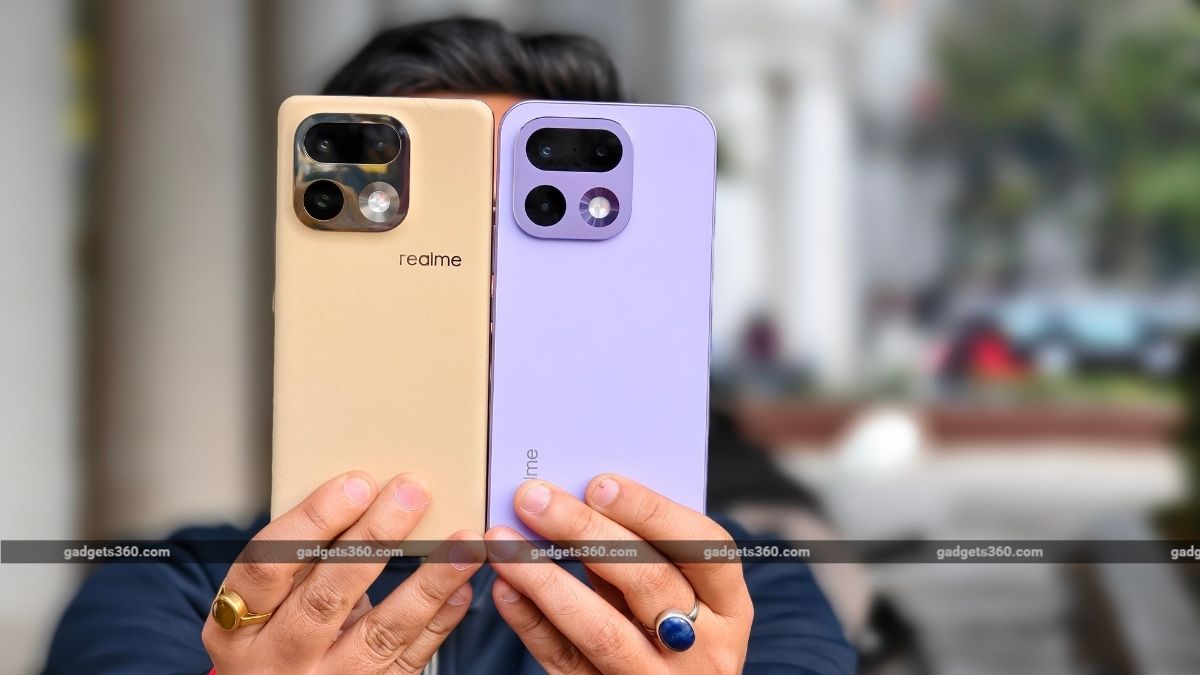
The Realme 16 Pro series price in India starts at Rs. 31,999
Click Here to Add Gadgets360 As A Trusted Source

Advertisement
Realme is one of the few brands that have been consistently launching smartphones in 2025. We have seen multiple updates to its P-series, Number series, GT series, and more. And now, the company is kicking off 2026 with a new Number series. The company has launched the Realme 16 Pro and Realme 16 Pro+ smartphones in the country, promising some decent upgrades over its predecessors. This is also the first series from the company to receive flagship-level treatment, whether it be Samsung's 200MP ISOCELL HP5 sensor or a renewed design collaboration with Naoto Fukasawa.
The Realme 16 Pro+ price in India starts at Rs. 31,999, while the Realme 16 Pro India price begins at Rs. 39,999. I got the chance to use both devices for a good while, and here's everything you need to know about them.
Realme 16 Pro+ and Realme 16 Pro Design: Same Same Yet Different
- Dimensions - Realme 16 Pro+ - 162.5 x 76.3 x 8.49mm
- Weight - 203g (16 Pro+), 192g (16 Pro)
- Colours - 16 Pro+ in Master Gold, Master Grey, Camellia Pink & 16 Pro in Master Gold, Master Grey, and Orchid Purple
Right from the design, Realme reunited with Naoto Fukasawa to create a unique design language for both smartphones. The company earlier partnered with the designer for its OG Realme GT series, which resulted in quite different products. And now, the brand is back with a new Urban Wild concept for the Realme 16 Pro series.
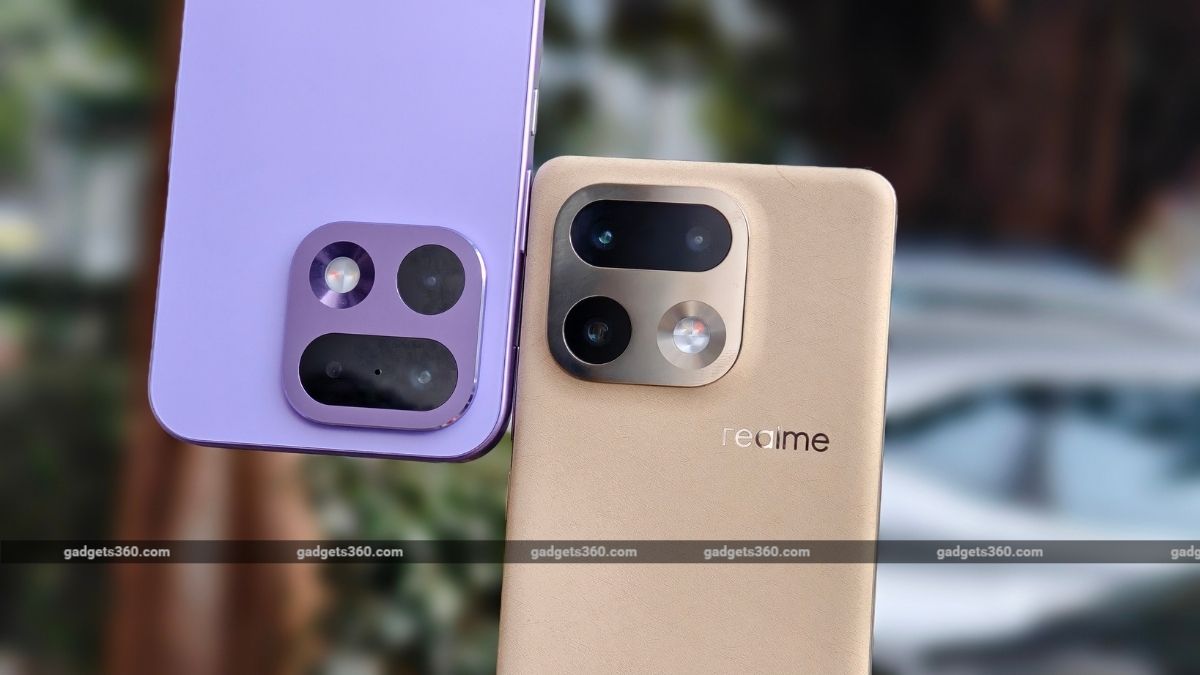
Realme 16 Pro Plus and Realme 16 Pro are available in trendy colours.
Both smartphones receive special treatment with a bio-based, organic silicone for the rear chassis, made from renewable, plant-based straw materials. The texture results in a skin-soft feel, which gives a silky feel when you hold it in your hand. The panels feel quite comfortable, cosy, and secure when you hold them in your hand.
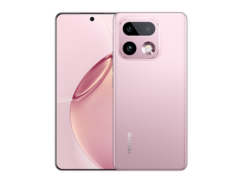
The Realme 16 Pro+ is available in three colour options: Master Gold, Master Grey, and an India-exclusive Camellia Pink. On the other hand, the Realme 16 Pro comes with the same Master Gold and Master Grey as the 16 Pro+, but you get Orchid Purple instead of the Pink available in the elder sibling. I got the Master Gold for the Realme 16 Pro+ and Orchid Purple for the Realme 16 Pro for review, and frankly, both look quite premium.
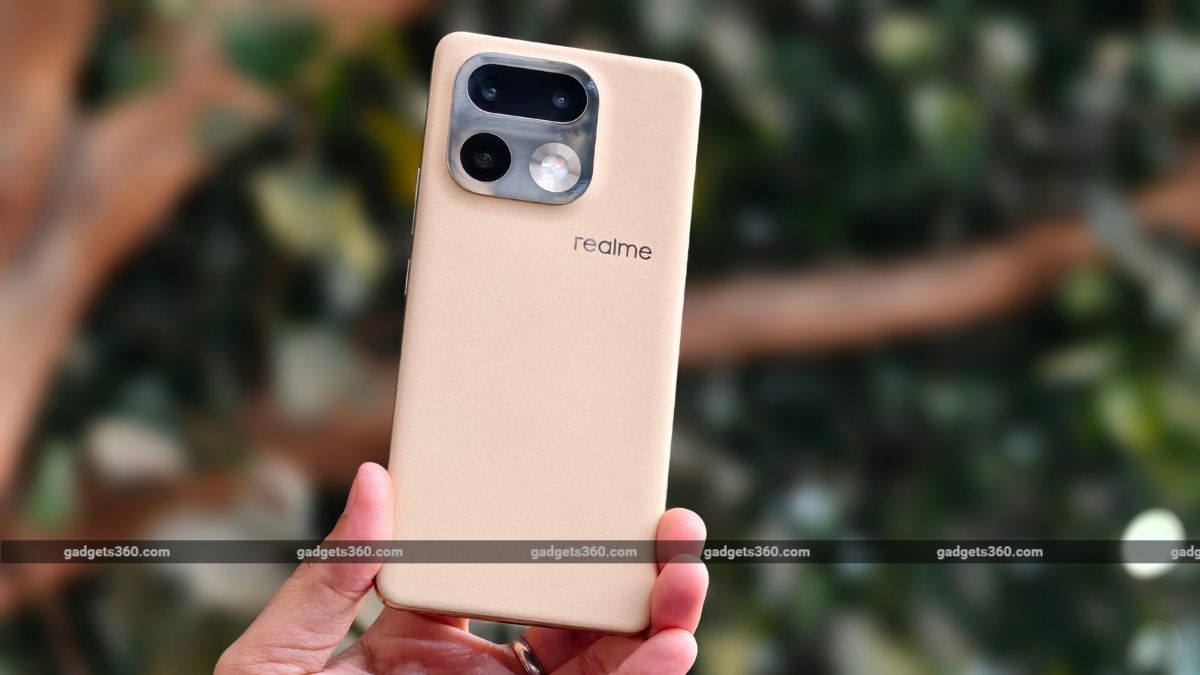
The Realme 16 Pro+ Master Gold colour option is designed in collaboration with Naoto Fukusawa.
That said, both smartphones offer distinct design languages. The Realme 16 Pro+ offers curved edges, while the 16 Pro features a flat-frame design. The Realme 16 Pro+ features slightly curved edges on the frame, while the frame itself is slightly flat, making it quite easy to hold in your hand without feeling too edgy. The back panel comes with a soft-touch finish, which makes you feel like an earthy-like texture. The camera decor is stainless steel, which stands out to me. However, it is also prone to smudges.
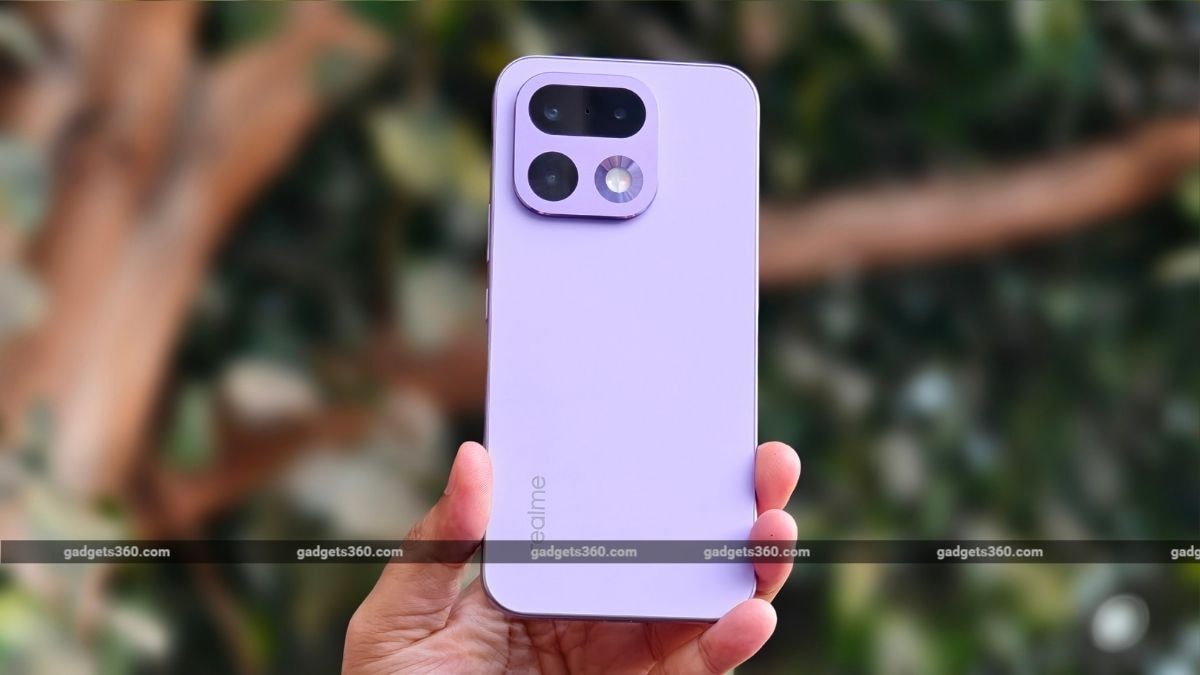
The Realme 16 Pro comes in three colour options.
The Realme 16 Pro, on the other hand, features a silky-glass-like finish that also looks quite premium, to be honest. The flat frame design makes it easier to hold in your hand. Fun fact: the 16 Pro is also thinner and lighter than its elder sibling. The Purple colour looks subtle, and the camera module is raised and made of metal, which surely looks interesting.
More importantly, both models offer IP68, IP69, and IP69K ratings, which means that they can survive underwater with ease. Moreover, the IP69K rating means that it can withstand high-pressure, high-temperature water jets. Surely, Realme has gone all-out with the design of both the Realme 16 Pro+ and Realme 16 Pro smartphones, making them among the best-designed Number series smartphones from the brand to date.
Realme 16 Pro+ and Realme 16 Pro Display: Vibrant and Colourful
- Display - 16 Pro+ - 6.8-inch AMOLED display & 16 Pro - 6.78-inch AMOLED display
- Refresh Rate - 144Hz adaptive screen refresh rate (Both)
- Other Features - 240Hz touch sampling rate, 100 percent DCI-P3, HDR10+, 6,500nits peak brightness (16 Pro+) & 1,400nits HBM brightness (16 Pro)
Coming to the display, there you will instantly notice some major differences. The Realme 16 Pro+ features a 6.8-inch HyperGlow 4D Curve+ AMOLED display with a resolution of 1280x2800 pixels. The display is an extension of the Realme 15 Pro, but with better resolution and peak brightness. This results in more punchy, vibrant hues that make media consumption a delightful experience.
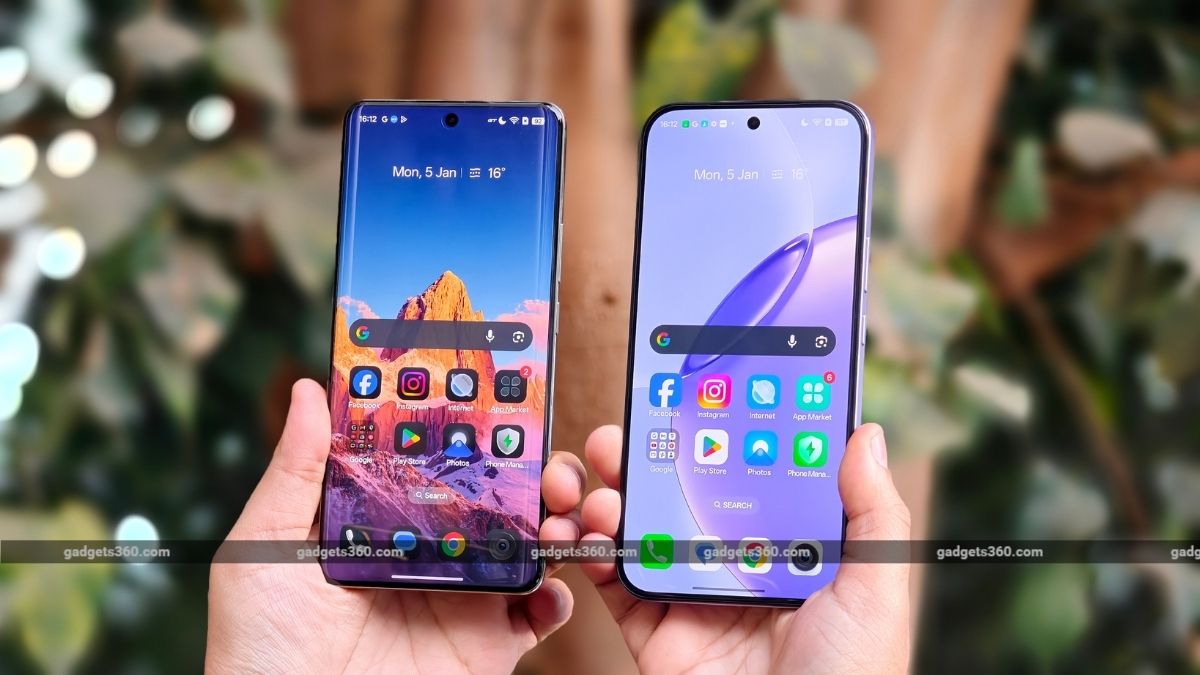
The Realme 16 Pro series come with AMOLED display with 144Hz screen refresh rate.
The 144Hz screen refresh rate ensures smoother animations throughout your usage. I watched a couple of Anime on this smartphone and was satisfied with the colour output. The outdoor visibility is good as well, and I had no problems using it in direct sunlight, all thanks to the 6,500 nits of peak brightness.
Moving on to the Realme 16 Pro, the smartphone offers a flat display for those who are not fans of curved smartphones. The display is a mellow down version of the elder sibling with a resolution of 1272x2772 pixels. Although the display looks sharp and colourful, it is not as punchy as the one on the Realme 16 Pro+. That being said, the colour output and outdoor visibility are quite decent.
Moreover, you can also change the screen mode on both smartphones according to your taste by going to Settings > Display > Screen Colour Mode. Here, you are greeted with four different options, including Vivid (default), Natural, Cinematic, Brilliant, and Advanced Mode. The latter allows you to choose between DCI-P3 and sRGB or tweak with the colour profile as per your needs.
Realme 16 Pro+ and Realme 16 Pro Software: Customisable
- Software - Realme UI 7.0
- Version - Android 16
- Updates Promised - 3 Years of OS updates and 4 years of security patches
Both smartphones run the latest Realme UI 7.0, which is based on Android 16. The latest user interface joins the league of Chinese players that are highly inspired by Apple's Liquid Glass elements with its own interpretation.
The Realme Glass Design sure looks good at a glance, with a redefined lockscreen and customisable icons. However, it still needs some refinement, to be honest. Most of the implementation doesn't look that great, to be honest, especially when it comes to notification panels or third-party app support. You should see better implementation in the future updates.
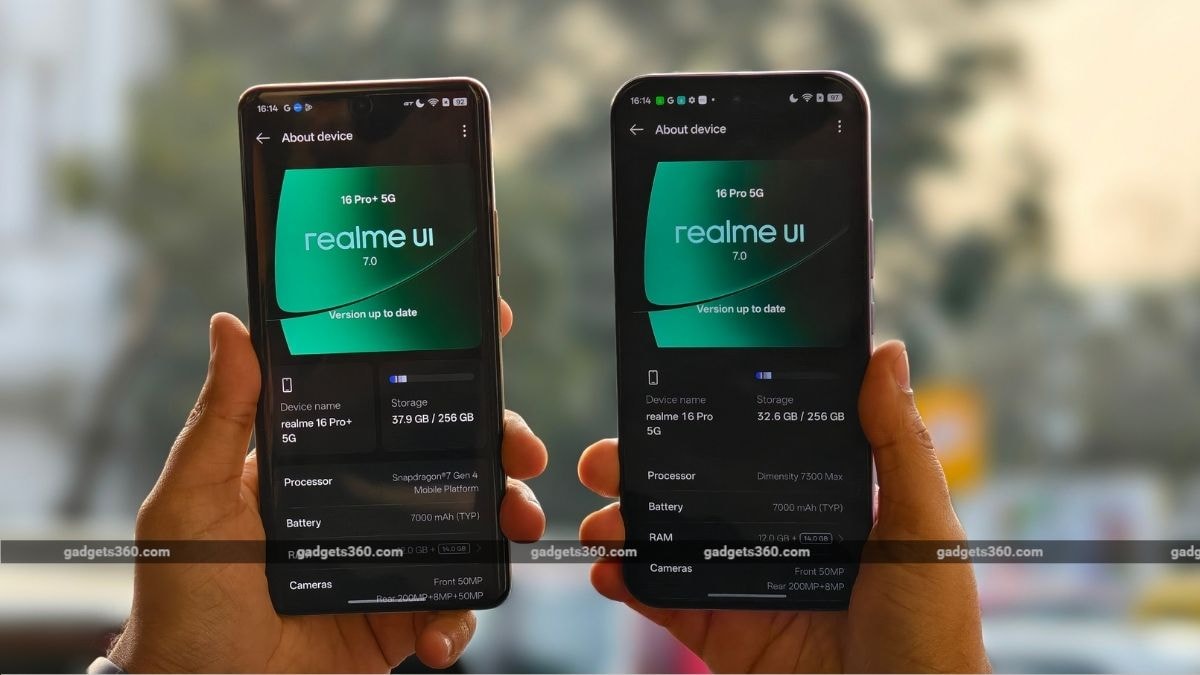
Both models run on Realme UI 7.0, which is based on Android 16 operating system.
Moving on, the smartphones also come with a host of AI features, which the brand calls NextAI. There is an AI Genie Suite available on both models that can help you edit your images and videos with different effects. Then there is an AI Framing Master, which looks inspired by Google's Camera Coach feature, though it has its fair share of hits and misses. Then there is AI Recording, AI Translate, Gemini Live, and more features that work like they are intended to.
That said, the user interface still includes noticeable bloatware. Although the bloatware ratio is slightly lower in the Pro+ variant, both models still offer substantial bloat, even at this price point. Then you have the usual culprits in the form of Hot Apps and Hot Games, which are essential bloatware from the brand.
Realme 16 Pro+ and Realme 16 Pro Performance: Gets the Job Done
- Processor - 16 Pro+ - Qualcomm Snapdragon 7 Gen 4 & 16 Pro - MediaTek Dimensity 7300 Max
- Memory - 16 Pro+ - Up to 12GB LPDDR5X & 16 Pro - Up to 12GB LPDDR4X
- Storage - Up to 256GB UFS 3.1 (Both)
Coming to the performance, this is where the real difference lies. The Realme 16 Pro+ is powered by the Qualcomm Snapdragon 7 Gen 4 processor, while the Realme 16 Pro is powered by the MediaTek Dimensity 7300-Max processor.
To start with, the Realme 16 Pro+ uses the same chipset as the Realme 15 Pro and Realme P4 Pro. As expected, the smartphone performs smoothly for daily tasks. When it comes to gaming, you will not feel disappointed, as the phone is capable of running most of the high-end games like Call of Duty: Mobile with Very High graphics and Max frame rate settings.
| Benchmarks | Realme 16 Pro+ | Vivo V60 | iQOO Neo 10 |
|---|---|---|---|
| Display resolution | 1.5K | FHD+ | FHD+ |
| Chipset | Qualcomm Snapdragon 7 Gen 4 | Dimensity 8400 Ultra (4nm) | MediaTek Dimensity 7300 Pro |
| AnTuTu v10 | 13,99,710 | 16,02,933 | 6,91,275 |
| PCMark Work 3.0 | 15,226 | 14,628 | 12,102 |
| Geekbench 6 Single | 1352 | 1,549 | 1,013 |
| Geekbench 6 Multi | 3976 | 6,216 | 2,928 |
| Geekbench AI CPU (Quantized) | 3063 | NA | NA |
| Geekbench AI GPU (Quantized) | 1233 | NA | NA |
| 3DM Wild Life | 7728 | Maxed Out | 3,148 |
| 3DM Wild Life Unlimited | 7778 | 13,102 | 3,148 |
| 3DM Steel Nomad Light | NA | NA | NA |
Interestingly, I didn't find any noticeable throttling or thermal issues during the long gameplay session. The phone does warm up, but it is not at an alarming level, all thanks to the AirFlow VC Cooling system.
Moving on to the Realme 16 Pro, the smartphone also performs well in day-to-day use. Whether you juggle multiple applications or multitask, the phone delivers decent performance in this department.
| Benchmarks | Realme 16 Pro | Poco F7 | OnePlus Nord 5 |
|---|---|---|---|
| Display resolution | FHD+ | FHD+ | FHD+ |
| Chipset | MediaTek Dimensity 7300 Max | Qualcomm Snapdragon 8s Gen 4 (4nm) | MediaTek Dimensity 7300 Pro |
| AnTuTu v10 | 1087422 | 18,90,333 | 14,41,357 |
| PCMark Work 3.0 | 15,226 | 14,970 | 18,777 |
| Geekbench 6 Single | 1001 | 1,990 | 1,974 |
| Geekbench 6 Multi | 2946 | 6,147 | 4,929 |
| Geekbench AI CPU (Quantized) | 2009 | NA | NA |
| Geekbench AI GPU (Quantized) | 577 | NA | NA |
| 3DM Wild Life | 3176 | Maxed Out | Maxed Out |
| 3DM Wild Life Unlimited | 3167 | 18,437 | Maxed Out |
| 3DM Steel Nomad Light | NA | NA | NA |
However, when it comes to gaming, the smartphone's performance is not as excellent as that of the Plus model. Also, unlike the elder sibling, which features LPDDR5X RAM, the Pro model comes with LPDDR4X RAM, which is quite odd, to be honest, considering the price difference is not that great between the two models.
Realme 16 Pro+ and Realme 16 Pro Cameras: Good, if Not Great
- Rear - 16 Pro+ - 200-megapixel primary sensor with f/1.8 aperture + 50-megapixel telephoto lens + 8-megapixel ultra-wide-angle lens & 16 Pro - 200-megapixel primary sensor with f/1.8 aperture + 8-megapixel ultra-wide-angle lens
- Front - 50-megapixel sensor with f/2.4 aperture (Both)
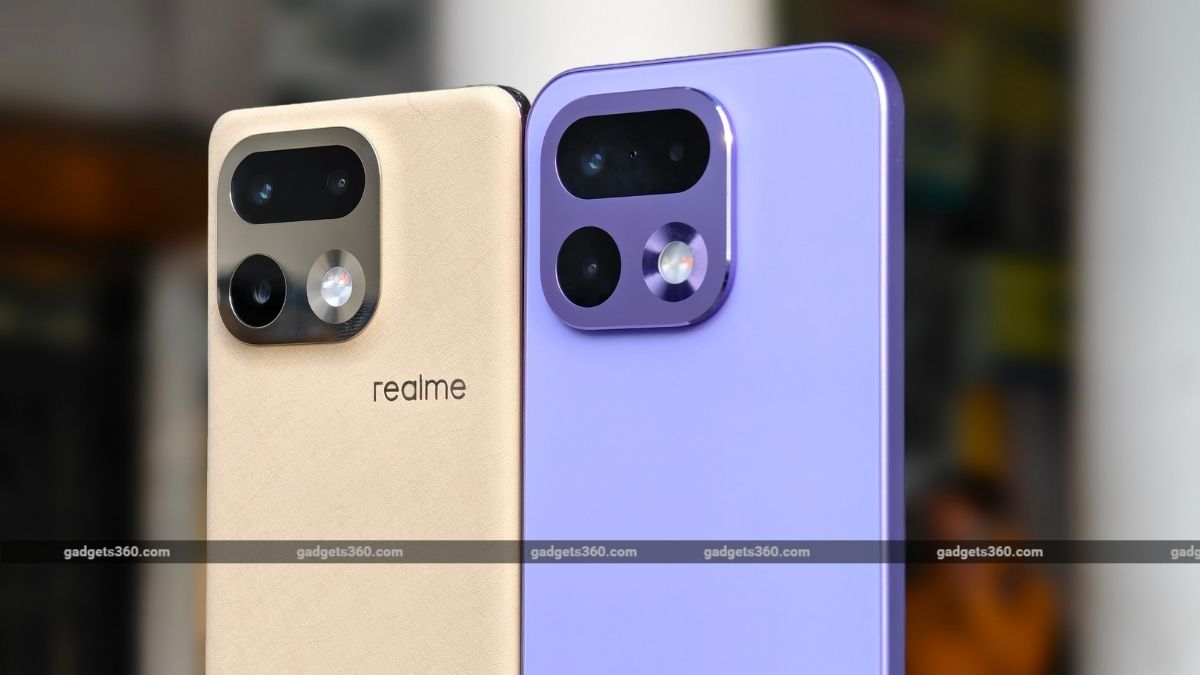
The Realme 16 Pro+ features a triple-camera setup, while the Realme 16 Pro is available with dual rear cameras.
Coming to the camera performance, the Realme 16 Pro+ and Realme 16 Pro are the first smartphones in the Number series to get the latest 200-megapixel Samsung ISOCELL HP5 sensor. However, the Realme 16 Pro+ gets special treatment here. The smartphone comes with a dedicated 50-megapixel periscope lens and an 8-megapixel ultra-wide-angle lens.
On the other hand, the smaller only features an 8-megapixel ultra-wide-angle sensor. Moreover, the company has introduced some interesting features in the camera department. One of the most interesting is the new Vibrant and Natural modes.


Realme 16 Pro Plus comes with Vibrant (below) and Natural (above) modes, which captures colours differently.
As the name suggests, the Vibrant mode uses an algorithm to fine-tune the image, while the Natural mode captures natural colours. Moreover, there is a Vibe Master Mode, which you can access from the camera menu or by simply swiping down on the shutter button. With Vibe Master Mode, you can choose from 21 tones and access Pro settings with ease.

Then there are new AI LightMe and AI StyleMe features that basically transform your image using AI. The AI LightMe offers four different lighting templates, including my personal favourite, Window Shadow. With AI StyleMe, you can transform your photo into a professional-looking modelling photo shoot, create a miniature version or even a 3D emoji. The AI features are actually fun to use.


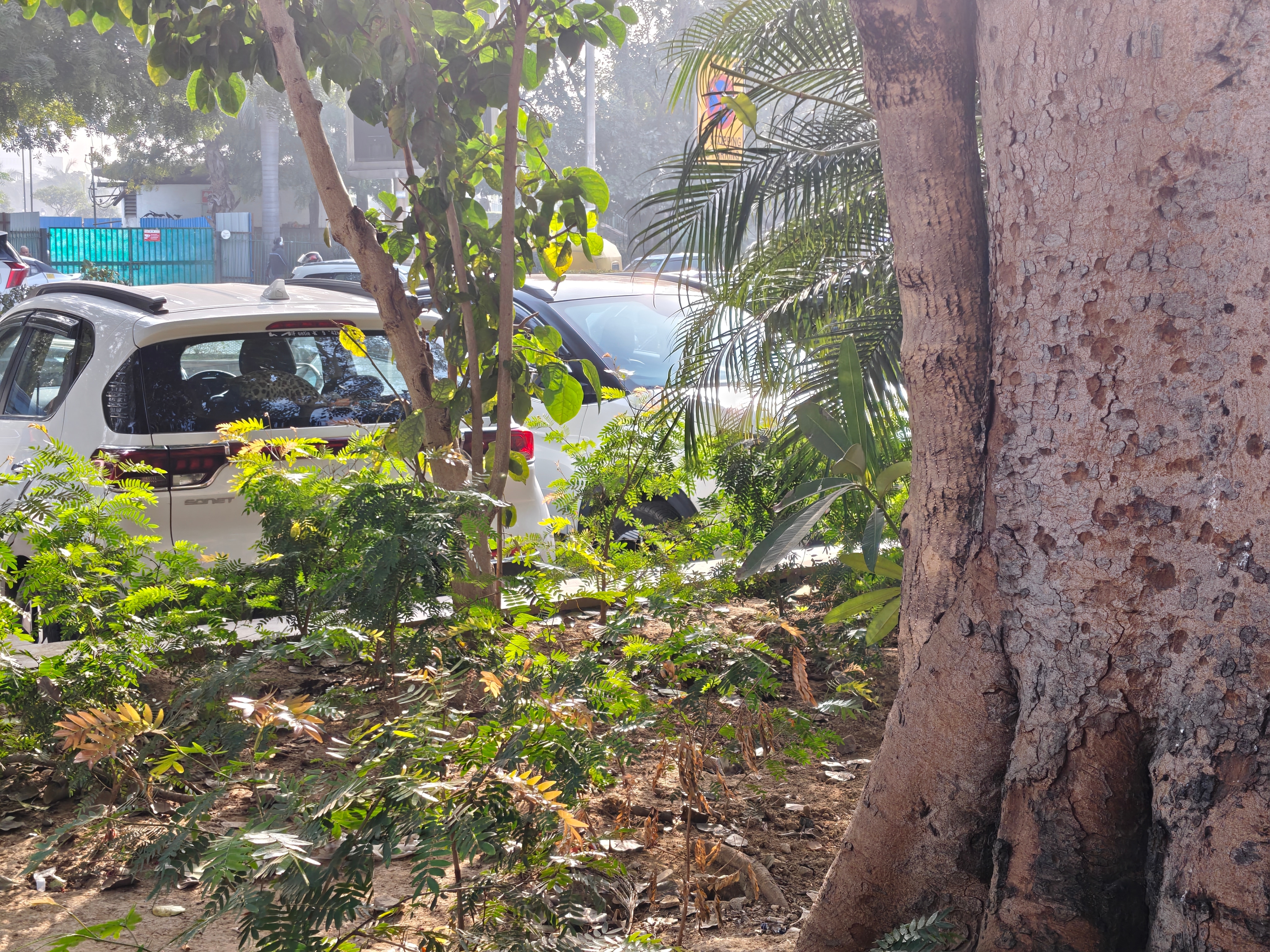
Realme 16 Pro Plus daylight camera samples taken using the primary sensor. (Tap to Open)
Now, let's start with the camera performance of the Realme 16 Pro+. The smartphone captures good photos in daylight conditions. Starting with the daylight performance, the Realme 16 Pro+ does a good job in capturing well-detailed images from the primary sensor. The pictures are usually crisp and full of details. However, I do feel that the fine-tuning is way too much in some of the photos, which results in photos looking over-processed.

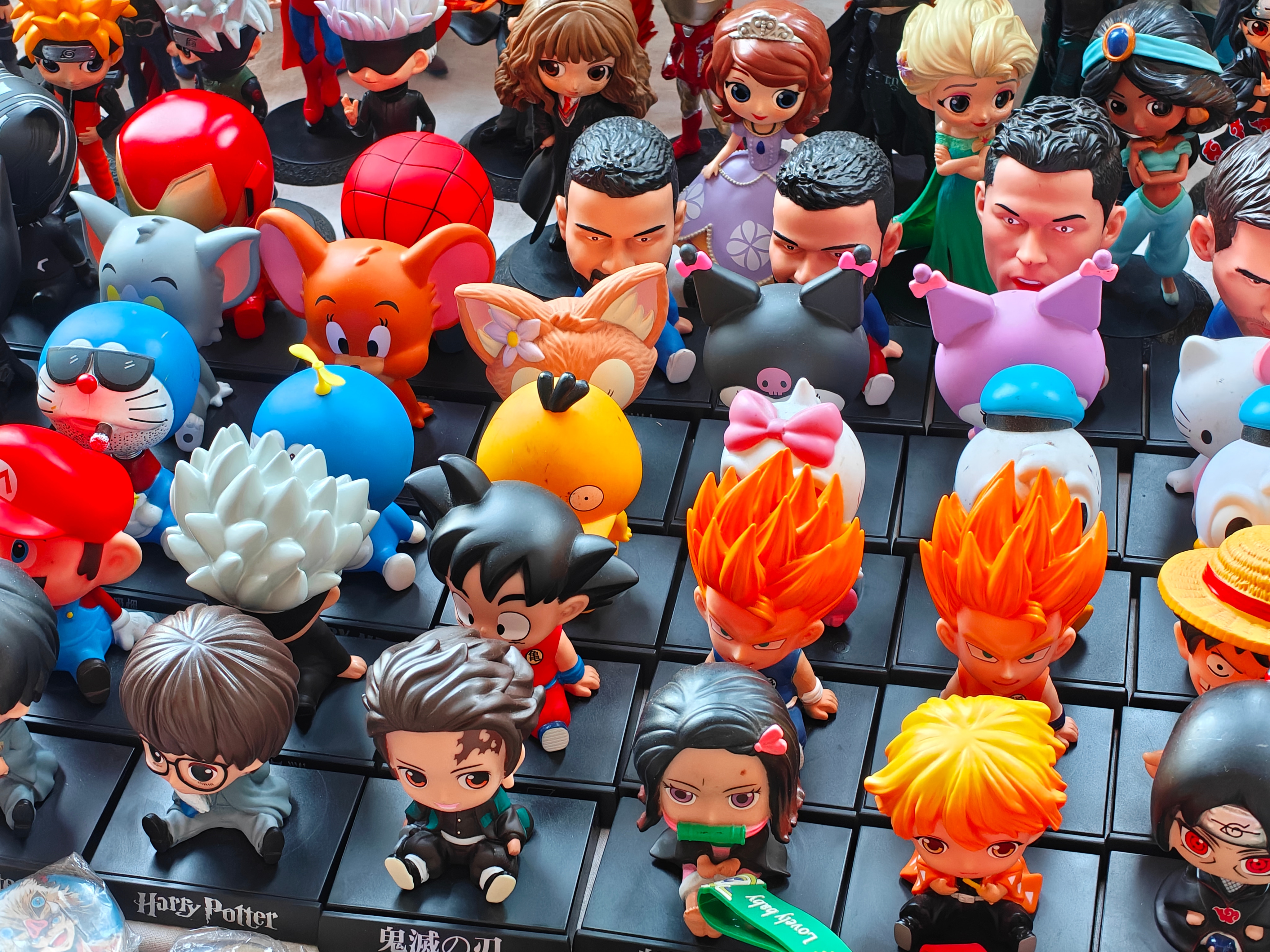

Realme 16 Pro Plus daylight camera samples taken using telephoto sensor. (Tap to Open)
However, the telephoto sensor delivers way better natural-looking photos in the daylight. The colours were natural, and the dynamic range is decent. I liked the telephoto lens better than the primary sensor.
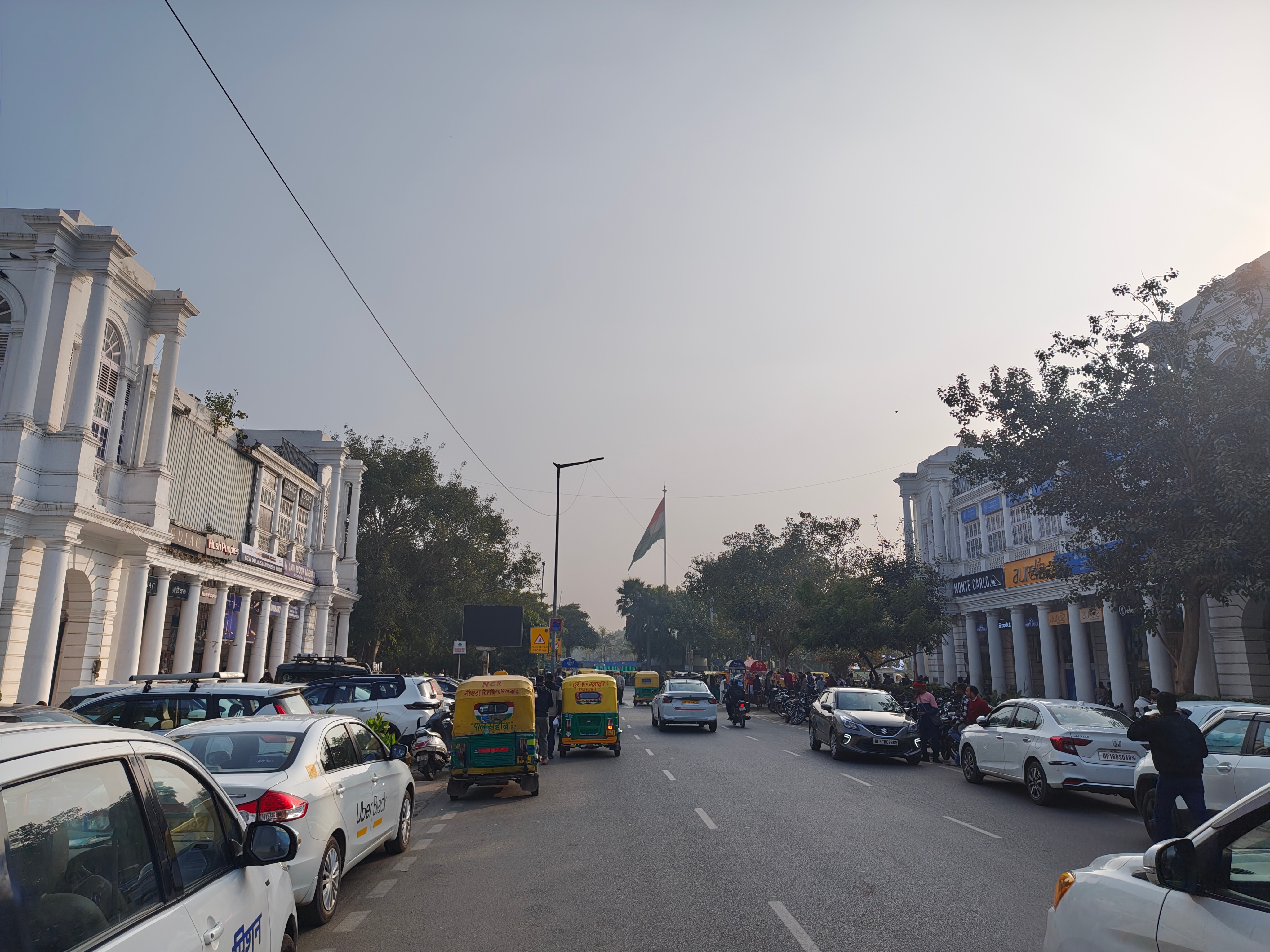
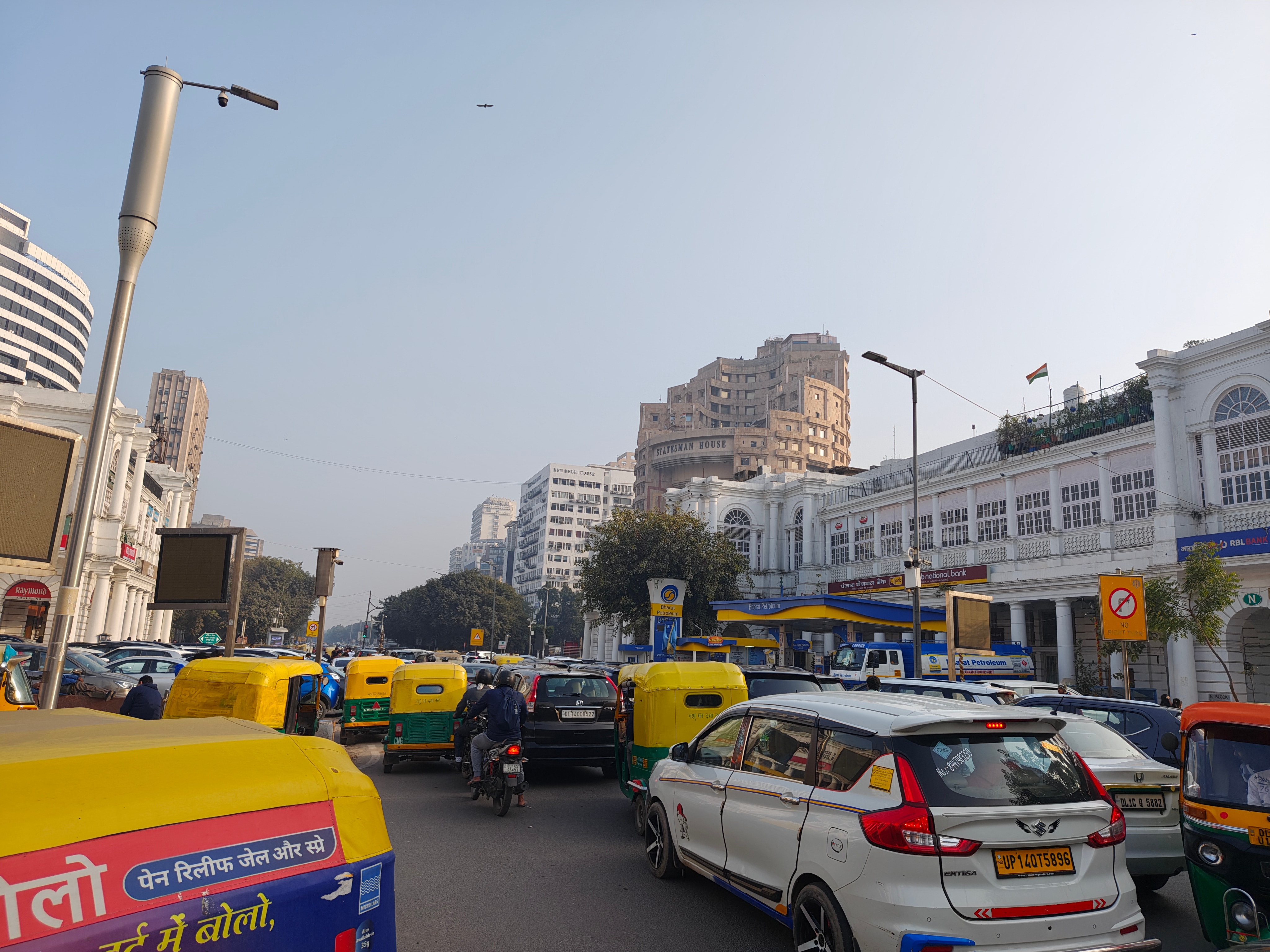
Realme 16 Pro Plus daylight camera samples taken with wide-angle lens. (Tap to View)
The wide-angle lens also delivers decent results in daylight. The photos are not as detailed as the other two sensors, but they still look decent. However, the one thing that bugged me was the inconsistency between the colours for different sensors. I have to pick, then I like the colours of the telephoto more accurate compared to the other two sensors.
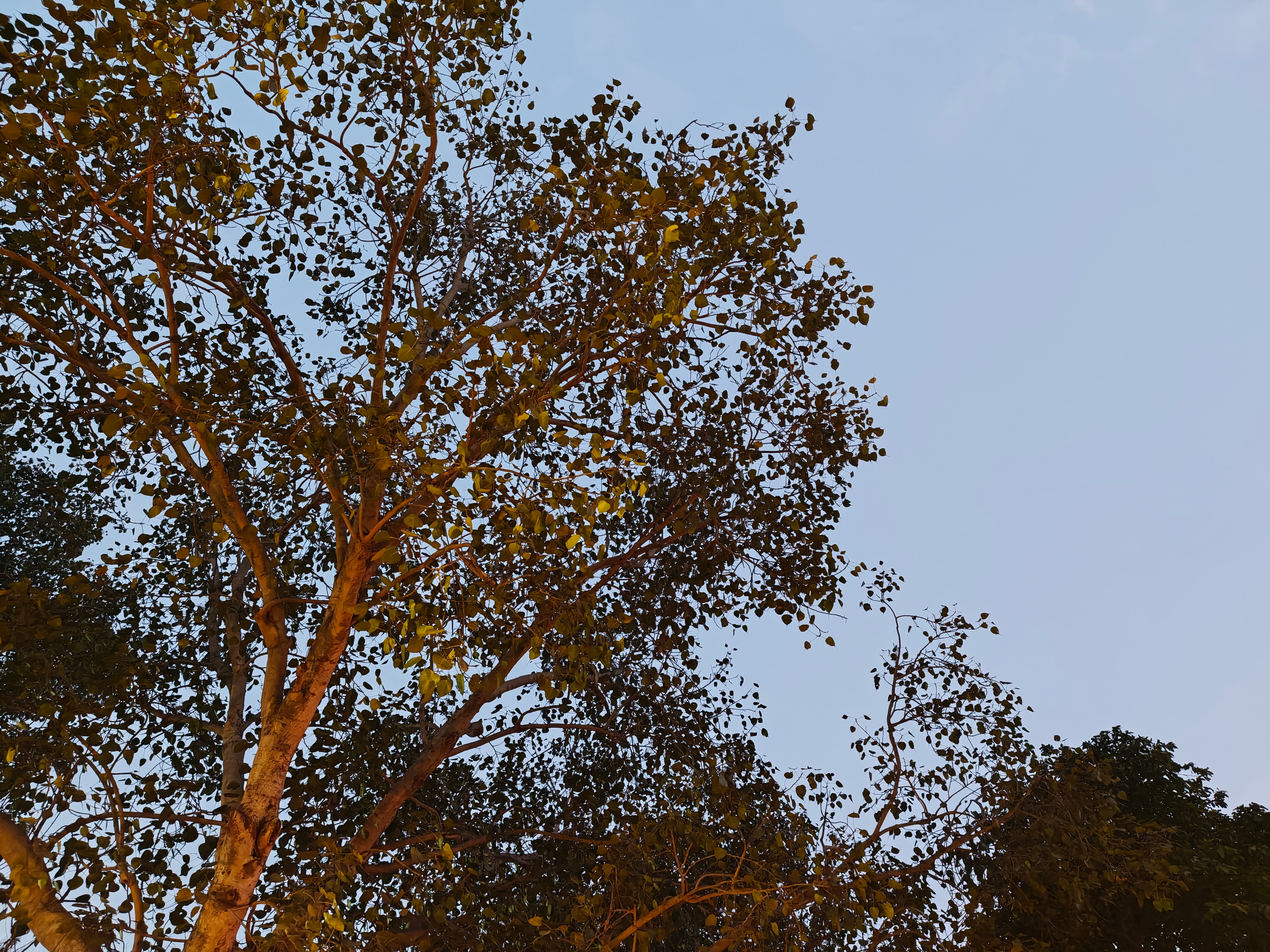
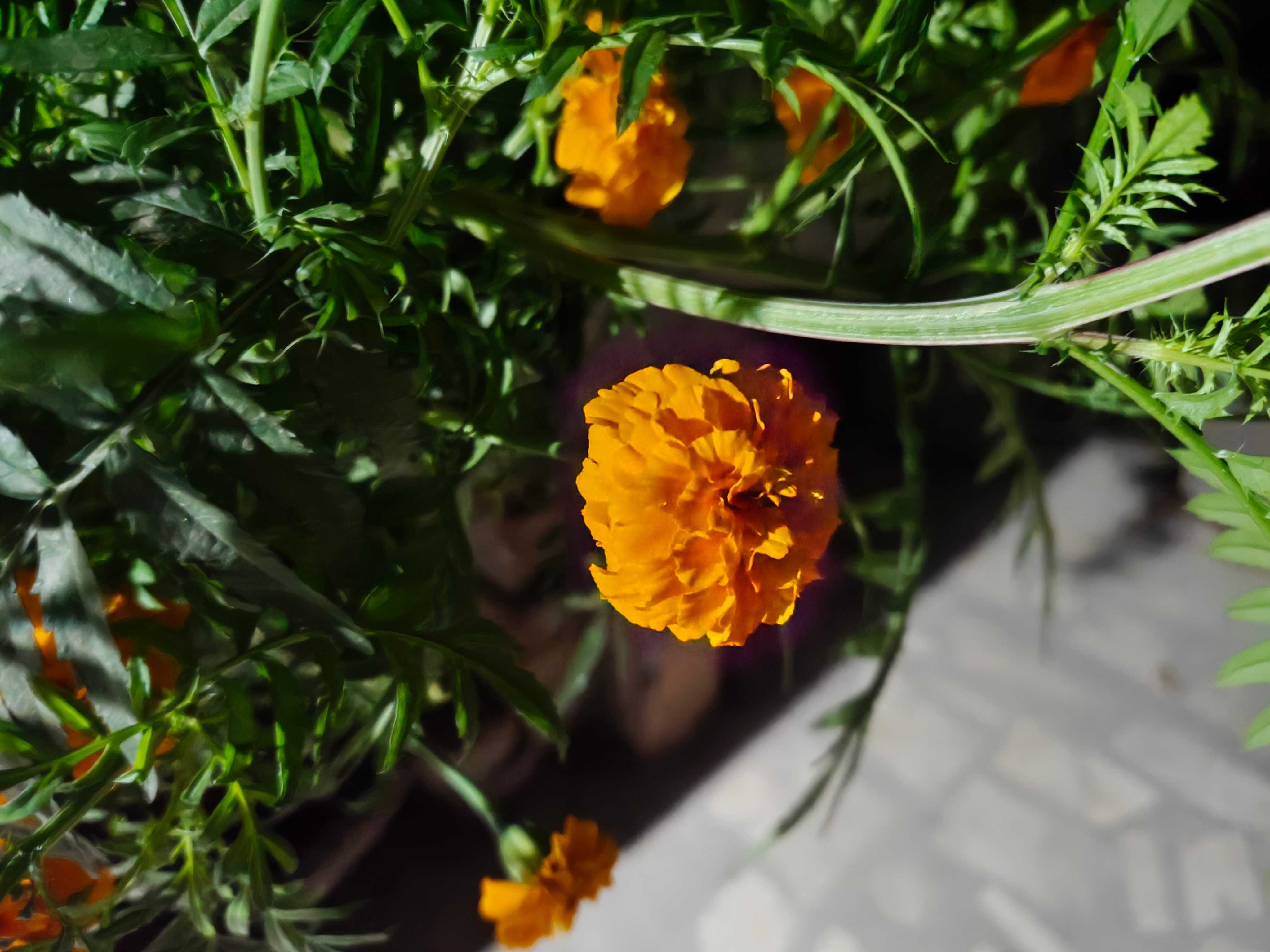

Realme 16 Pro Plus low-light camera samples taken using primary sensor. (Tap to View)
Coming to low-light performance, the primary sensor does a good job of capturing photos. However, you can still see that aggressive processing is at work to reduce noise and deliver optimal colours. In these cases as well, the images appeared to be a bit oversaturated for my liking.

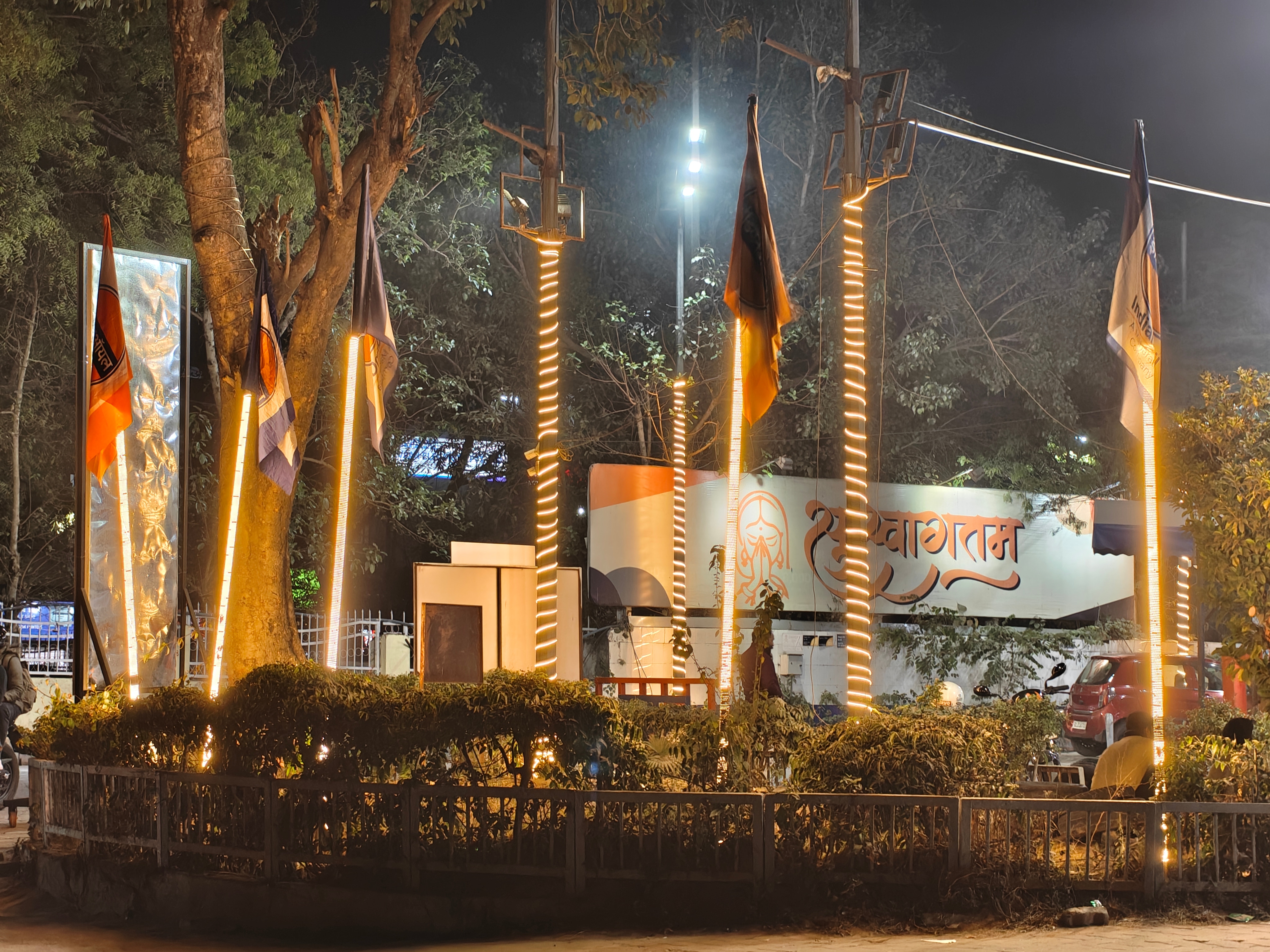
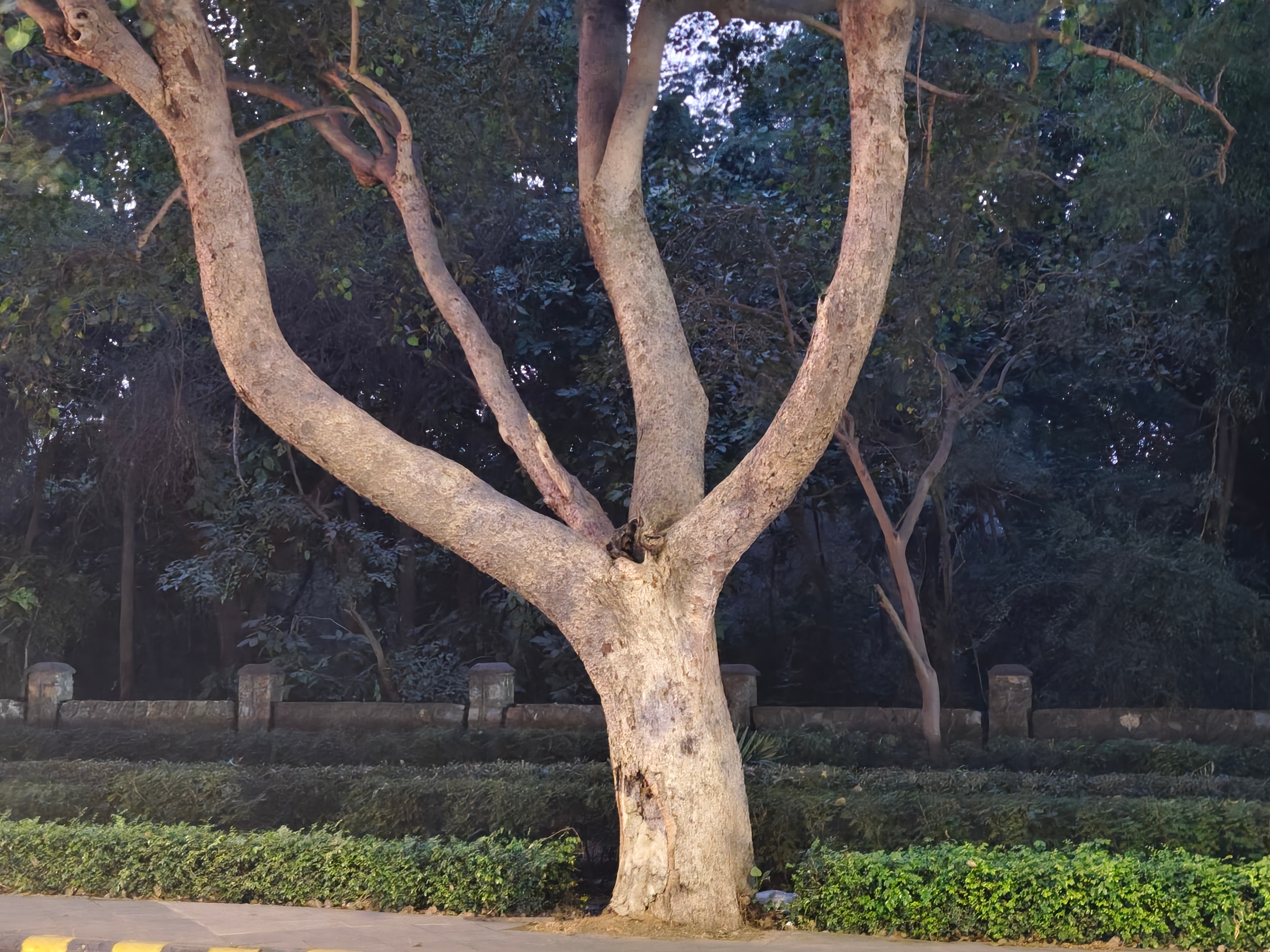
Realme 16 Pro Plus low-light camera samples taken using telephoto sensor. (Tap to View)
The telephoto sensor does a slightly better job of retaining those natural elements. However, in some cases, the colours are a bit washed out, which was strange.
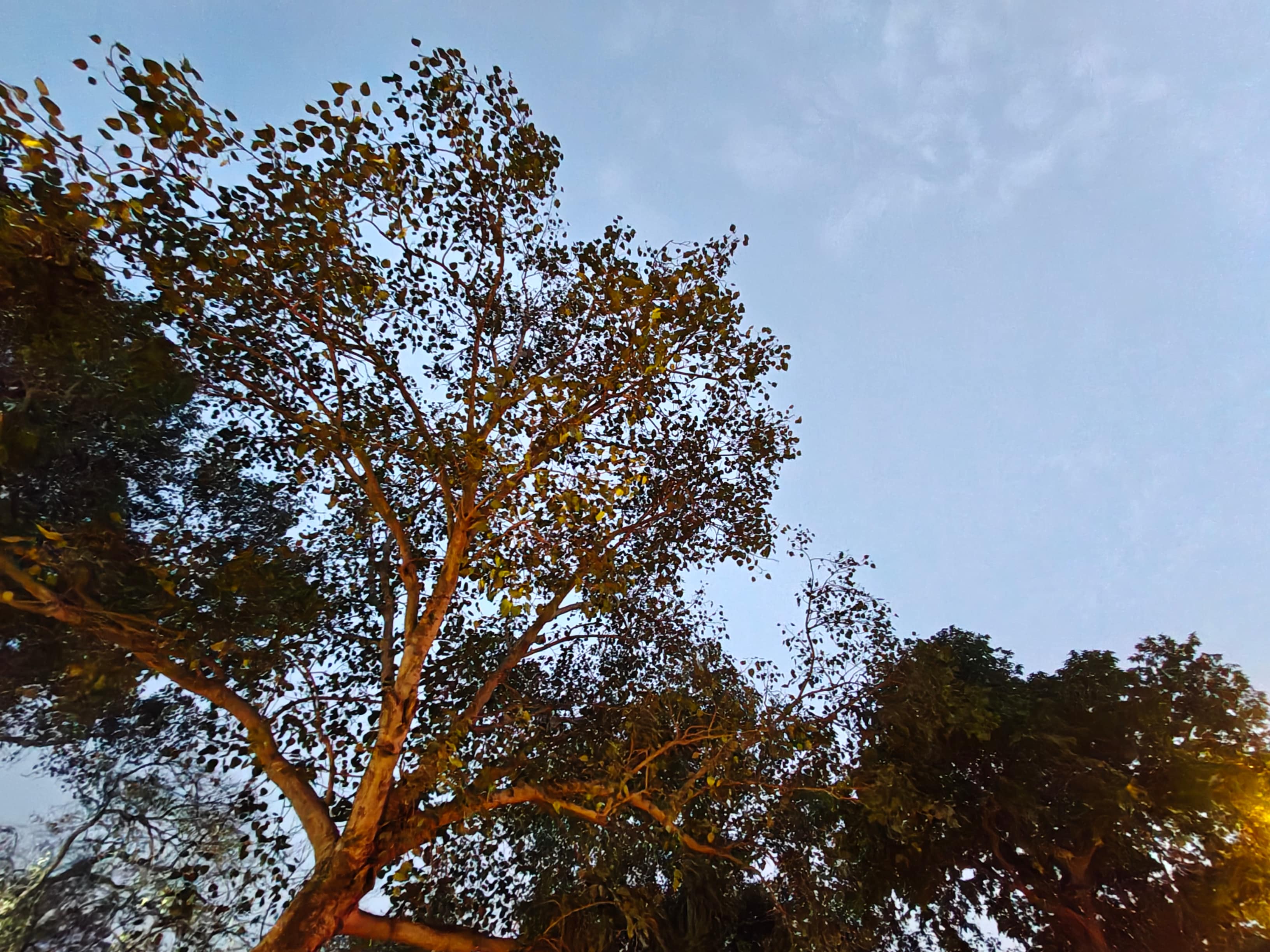
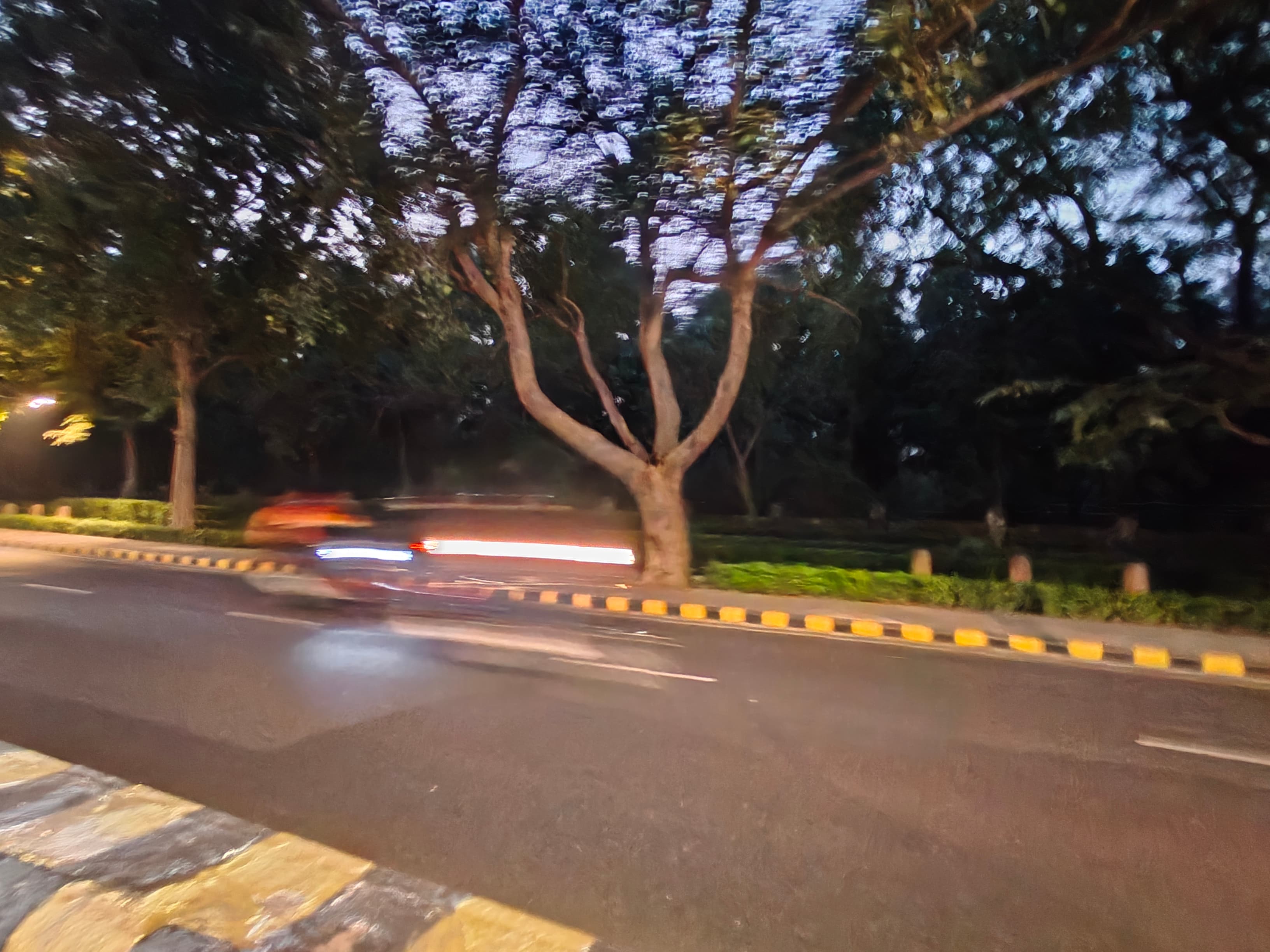
Realme 16 Pro Plus low-light camera samples taken using wide-angle lens. (Tap to View)
The wide-angle lens does an above-average job in low-light conditions, with photos coming out to be a bit softly detailed.



Realme 16 Pro Plus portraits using 1x, 3.5x, and 4x zoom. (Tap to View)
Coming to the portraits from the rear camera, the results were not that consistent. Although the company has provided different focal lengths for portraits, there is an inconsistency in how skin tones and colours are captured at different focal lengths. So, for example, with 1x or 1.5x portraits, the colours are slightly saturated, and the skin tone is too. However, with 3.5x or 4x, the portraits look much more natural, with 4x being the closest to the source. The bokeh effect looks natural, though in all cases.




Realme 16 Pro daylight camera samples. (Tap to View)
Moving to the smaller sibling, the Realme 16 Pro misses out on a telephoto sensor, so photos with zoom are basically from the primary sensor, just zoomed in. Talking about the primary sensor performance, the details are up to mark, and the photos offer decent colours, though the dynamic range could have been slightly better. When you switch to 2x or 4x shots, you can see the limitation of the sensor zoom as the photos have slightly soft details compared to the usual 1x shots. Moreover, the wide-angle lens does a decent job in the daylight conditions as well. However, there is a slight shift in colour tone between the wide-angle and primary sensors.
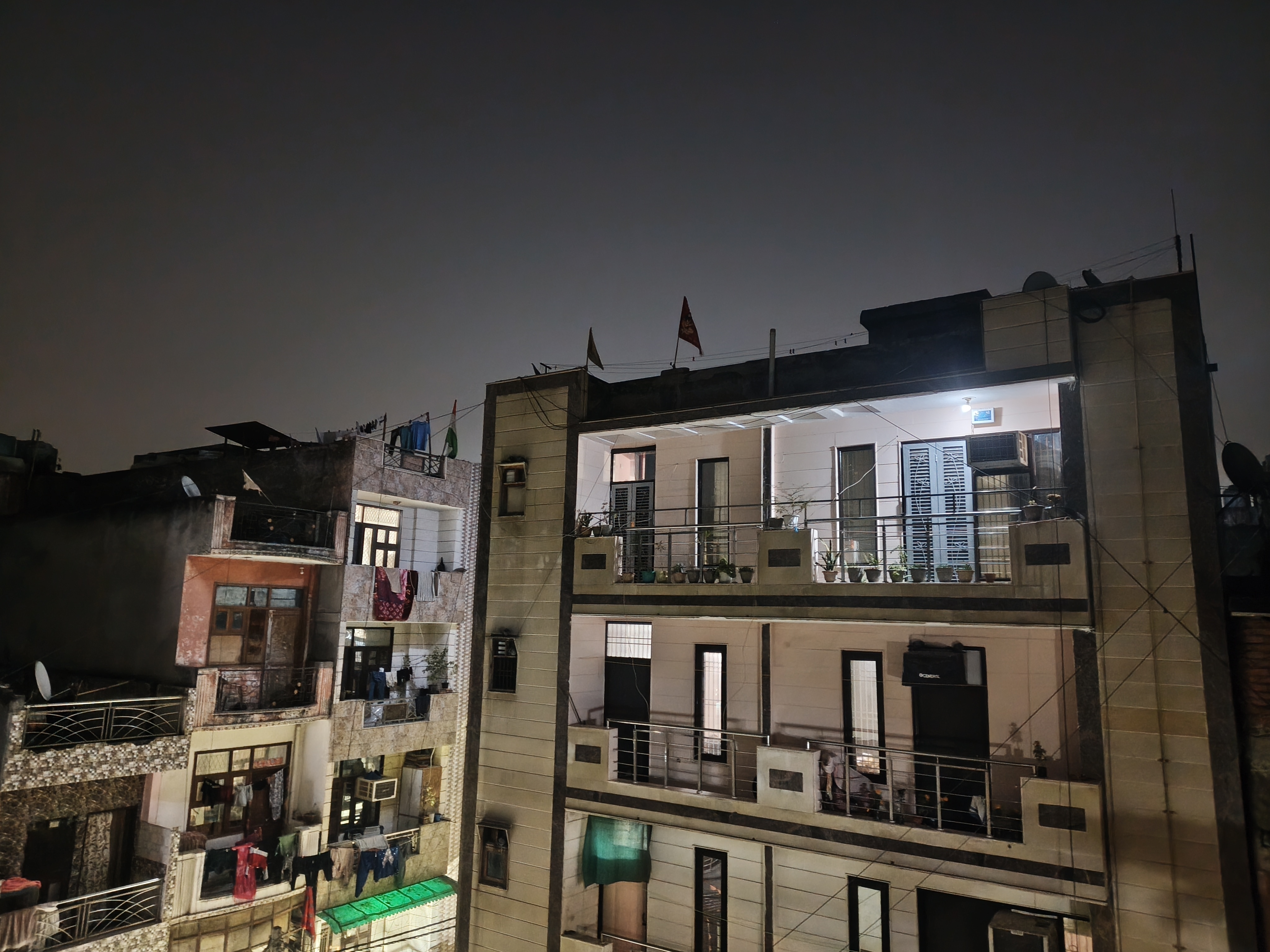
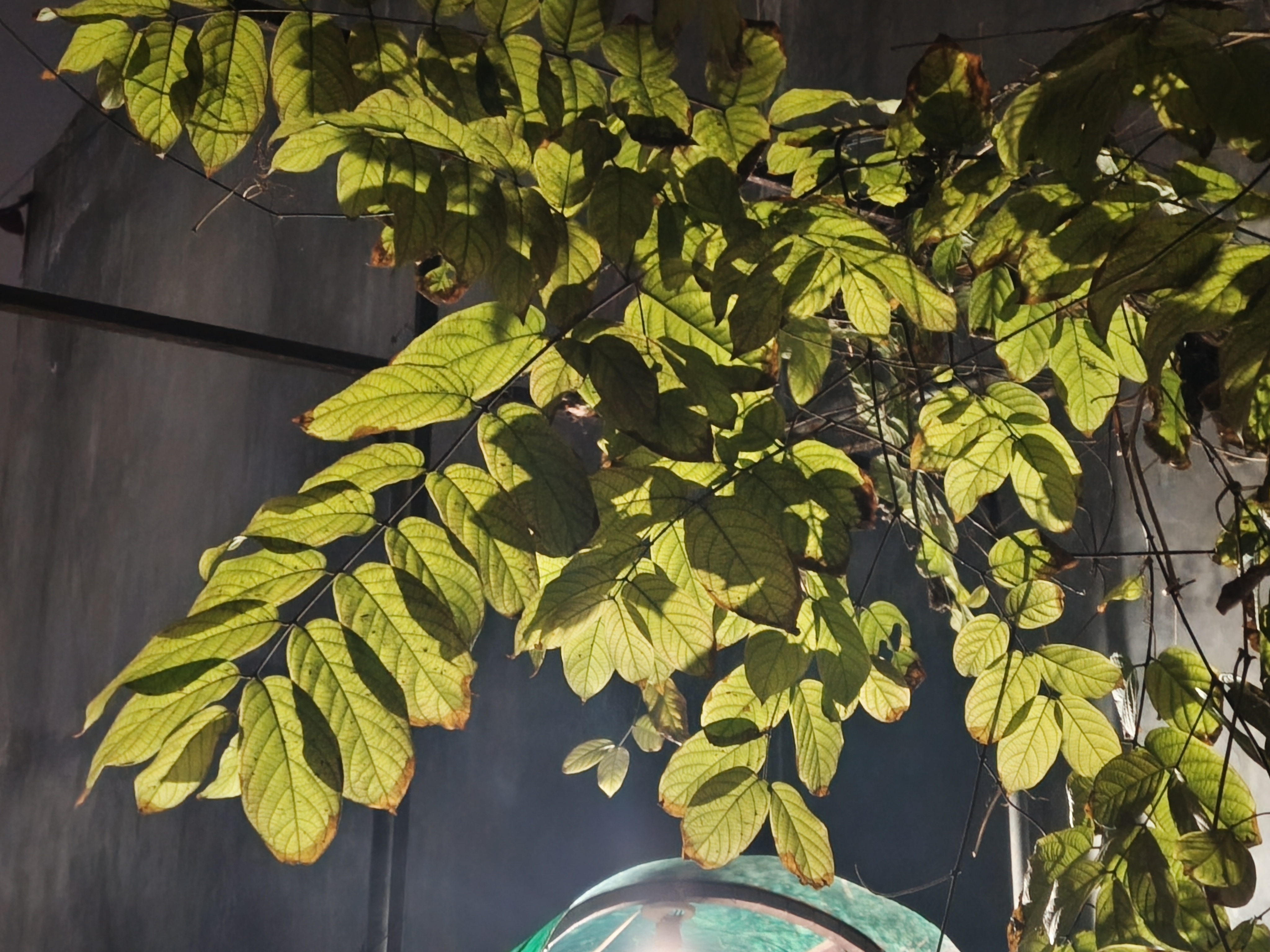
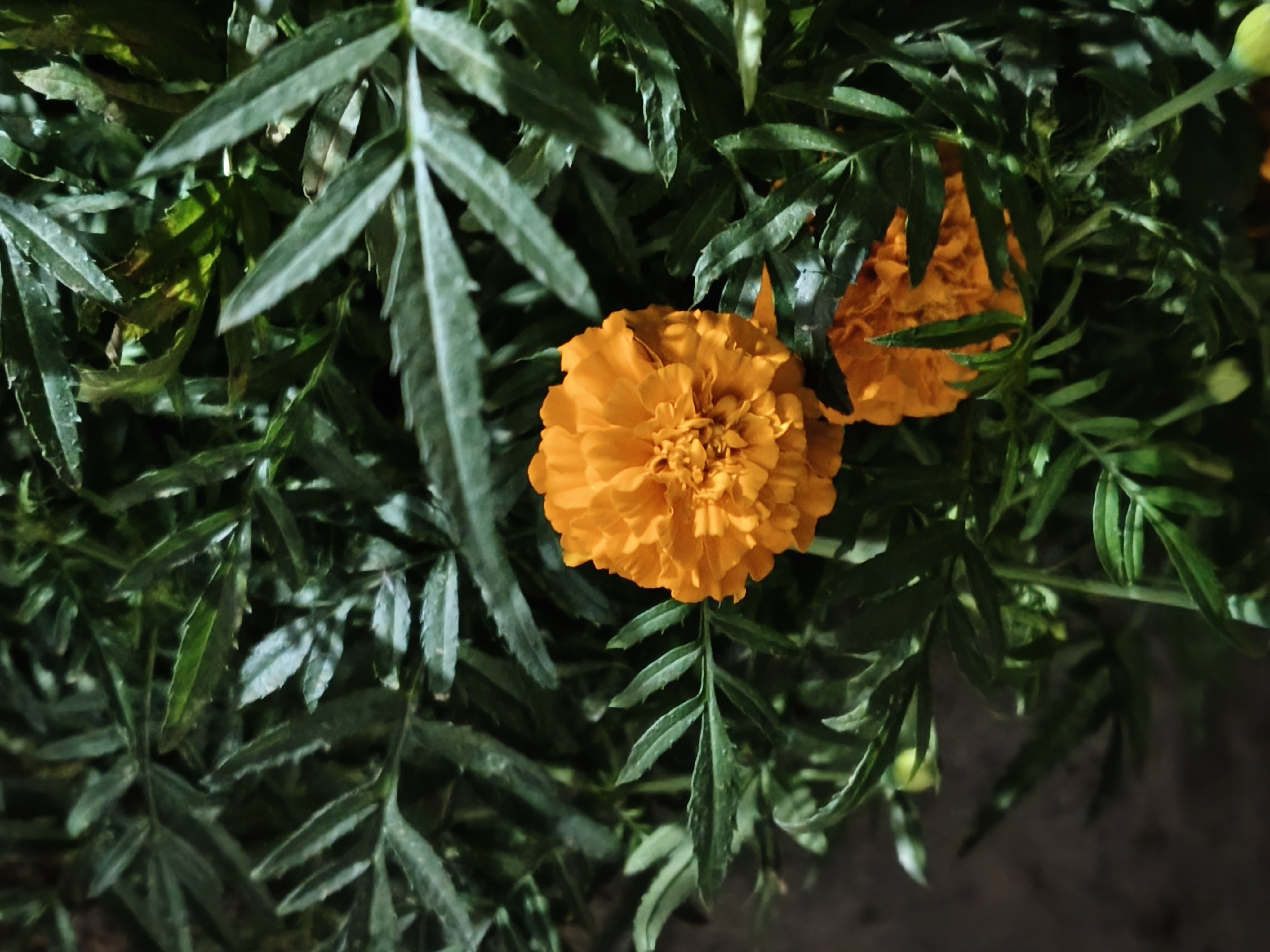
Realme 16 Pro low-light camera samples. (Tap to View)
Switching to low-light conditions, the results were decent with the primary sensor. The photos taken with this sensor show minimal noise when the lighting is ample, and the details are maintained. However, in extremely low-light conditions, you can see the overprocessing of images to reduce noise, which often results in a loss of detail. The low-light performance was average, to be honest.


Realme 16 Pro Plus selfie performance in daylight (below) and low-light (above). (Tap to View)
Coming to the selfie performance, both the Realme 16 Pro+ do a good job in capturing the details and skin tones. The bokeh effect looks natural, and the edge detection is good as well. The low-light performance is decent as well.


Realme 16 Pro selfie performance in low-light (below) and daylight (above). (Tap to View)
The Realme 16 Pro also delivers decent selfies in broad daylight, though it is not as good as the Plus variant. The low-light selfies also came out passable, as you see some noise in the background.
Realme 16 Pro+ and Realme 16 Pro Battery: Decent
- Battery Capacity - 7,000mAh
- Wired Charging - 80W SuperVOOC
- Charger - 80W (Included in Box)
Both models are loaded with a 7,000mAh battery. The company has gone with silicone carbon batteries for both models, which is in line with the trends. Moreover, both models support 80W fast charging.
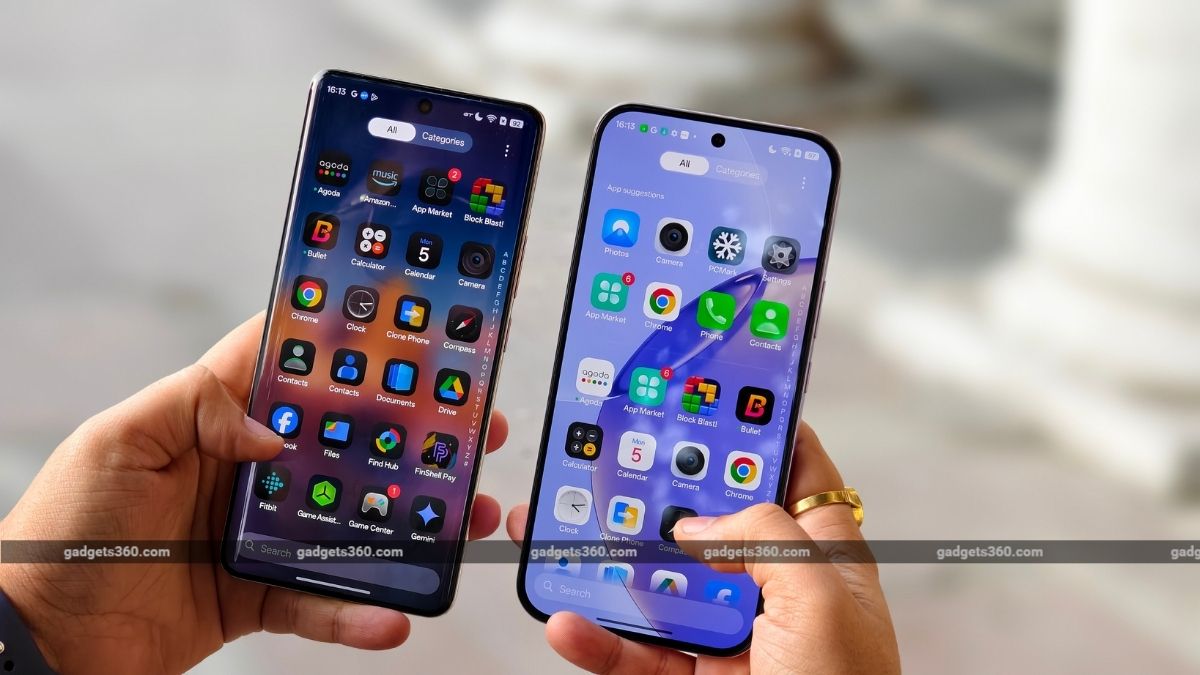
Both the models pack a 7,000mAh battery and comes with 80W fast charging support.
Starting with the Realme 16 Pro+, the smartphone lasted a full day of moderate to heavy usage, with some juice left at the end of the day. In PCMark's Work Battery Life test, the smartphone managed to last 22 hours and xx minutes. Coming to the charging speed, the 80W fast charger provided in the box charges the smartphone from 0 percent to 52 percent in 22 minutes, while it took 56 minutes to charge completely.
Moving on, the Realme 16 Pro also delivers good battery life. The handset can last up to 2 days with normal usage without much hassle. In the PCMark Battery Life test, the smartphone lasted 23 hours and 29 minutes, which is even better than the Realme 16 Pro+. Moreover, the charging speeds are also fast. The phone was able to charge from 0 to 65 percent in 33 minutes, while it took 1 hour and 3 minutes to charge 100 percent.
Realme 16 Pro+ and Realme 16 Pro Verdict
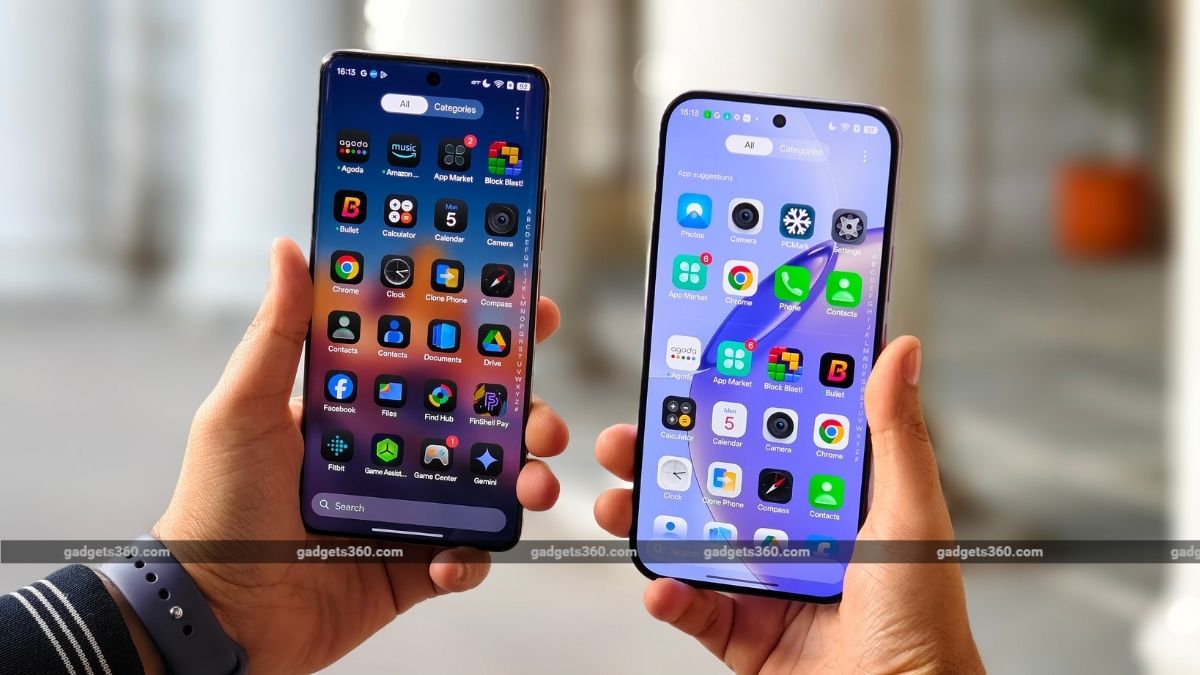
To conclude, the Realme 16 Pro series does bring some interesting upgrades over its predecessors. The Realme 16 Pro+ packs a punch when it comes to the design. The Gold colour option looks and feels premium, while still maintaining that unique proposition. The display is yet another major strong suit of the smartphone, while the performance is decent. The camera needs minor improvements to address the overprocessing issue. However, the battery life is on par with the rest of the competition.
Coming to the Realme 16 Pro, it is a more practical device built for everyday use. You still get a premium, silky design, and the flat frame makes it easier to hold in your hand. The display is good, while the performance is somewhat decent, if not great. The cameras are consistent in both daylight and low light. That said, the competition will be tough, and it would be interesting to see how well other brands can match rising component prices and price their smartphones accordingly.
- REVIEW
- KEY SPECS
- NEWS
- Good
- Premium Design
- Bright AMOLED display
- Great Battery Life
- Decent performance
- Bad
- No Telephoto lens
- Bloatware heavy
Read detailed Realme 16 Pro 5G review
Display 6.75-inch
Processor MediaTek Dimensity 7300 Max
Front Camera 50-megapixel
Rear Camera 200-megapixel + 8-megapixel
RAM 8GB, 12GB
Storage 128GB, 256GB
Battery Capacity 7,000mAh
OS Android 16
Resolution 1,272x2,772 pixels
- REVIEW
- KEY SPECS
- NEWS
- Good
- Unique design
- Bright AMOLED display
- Great Battery Life
- Decent performance
- Good camera performance
- Bad
- UI is still bloat-heavy
- The speakers could have been better
Read detailed Realme 16 Pro+ 5G review
Display 6.80-inch
Processor Qualcomm Snapdragon 7 Gen 4
Front Camera 50-megapixel
Rear Camera 200-megapixel + 50-megapixel + 8-megapixel
RAM 8GB, 12GB
Storage 128GB, 256GB, 512GB
Battery Capacity 7,000mAh
OS Android 16
Resolution 1,280x2,800 pixels
Comments
Get your daily dose of tech news, reviews, and insights, in under 80 characters on Gadgets 360 Turbo. Connect with fellow tech lovers on our Forum. Follow us on X, Facebook, WhatsApp, Threads and Google News for instant updates. Catch all the action on our YouTube channel.
Further reading:
Realme 16 Pro Plus 5G, Realme 16 Pro Plus 5G Features, Realme 16 Pro Plus 5G India Launch, Realme 16 Pro Plus 5G Specifications, Realme 16 Pro 5G specifications
Related Stories


Advertisement
Follow Us




-
![[Sponsored]: CP PLUS CarKam CP-F89B: 4K Dashcam With Rear Camera, GPS & Emergency Recording](https://www.gadgets360.com/static/desktop/images/spacer.png)
04:37
[Sponsored]: CP PLUS CarKam CP-F89B: 4K Dashcam With Rear Camera, GPS & Emergency Recording -
04:23
[Partner Content] Your Phone Can Do WAY More Than You Think | OPPO ColorOS 16 -
01:59
Samsung Galaxy Z Fold8 Ultra: Unfold the Ultra Night -
03:24
Apple Pay Launches In India: Supported Devices, Cards And Payments Explained -
00:21
[Sponsored] Samsung Galaxy Z Fold8, Fold8 Ultra
-
Primebook 3 Max की सेल शुरू, स्टूडेंट्स के लिए ₹36 हजार में नया लैपटॉप
-
Flipkart Big Billion Days Sale 2026: Vivo के इन 5 स्मार्टफोन्स पर Deals
-
Lenovo Watch Fit 3 स्मार्टवॉच लॉन्च, 2.5D कर्व्ड ग्लास, 9 दिन बैटरी
-
₹1,499 में itel Care फीचर फोन आया, बुजुर्गों के लिए खास फीचर्स से लैस
-
Vivo ने लॉन्च किया 9,020mAh बैटरी वाला फोन, Snapdragon चिप और 12GB RAM के साथ आया Y600K Turbo
Advertisement
Popular on Gadgets
- Samsung Galaxy S26 Ultra
- Motorola Razr Fold
- ChatGPT
- OPPO Find N6
- Mobiles Under Rs. 40,000
- Vivo X300 Ultra
- Asus Zenbook S14
- iQOO 15
- Vivo X300 Pro
- Lenovo Yoga Slim 7i Aura Edition
- iQOO 15R
- Vivo X Fold 5
- Sony PlayStation 5
- HP OmniPad 12
- OnePlus Nord CE 6 Lite
- OnePlus Pad 4
- OPPO F33 Pro 5G
- Cryptocurrency
- HP OmniBook Ultra 14 (2026)
- iPhone 17
- Eureka Forbes AP 355 Room Air Purifier
- Latest Mobile Phones
- Compare Phones
Latest Gadgets
- Vivo Y600K Turbo
- Realme P4s Lite
- Vivo S60t
- OPPO F35 5G
- OPPO F35 Pro 5G
- Samsung Galaxy F08
- Samsung Galaxy M08
- OPPO K15x
- Dell 14 Plus 2-in-1 (AMD Ryzen AI 7 350, 2025)
- Microsoft Surface Laptop, 13-inch (2nd Edition)
- Samsung Galaxy Tab S12+
- Samsung Galaxy Tab S12 Ultra
- Amazfit T-Rex Dual Solar
- OPPO Watch S2
- Toshiba 65-Inch 4K Ultra HD Smart Mini LED QLED TV (65Z670SP)
- Haier M70 Mini LED 65-inch
- Acer Predator Atlas 8
- Asus ROG Ally
- Blue Star 1.5 Ton 5 Star Inverter Split AC (IE518ZNURS)
- Blue Star 2 Ton 3 Star Inverter Window AC (WIE324L)

- About Us
- Sitemaps
- Feedback
- Archives
- Contact Us
- RSS
- Advertise
- Career
- Privacy Policy
- Ethics
- Editorial Policy
- Terms & Conditions
- Complaint Redressal
Download Our Apps
Available in Hindi
© Copyright Red Pixels Ventures Limited 2026. All rights reserved.