-
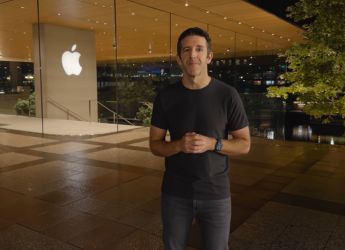
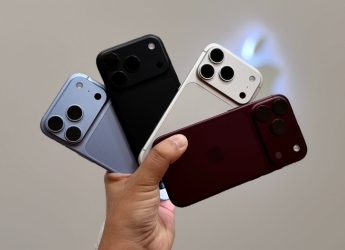
 iPhone Duo Took Years of Work as Apple CEO John Ternus Explains Foldable Design Choices16 October 2026
 -
Apple CEO John Ternus Reportedly Takes Closer Control of Design Teams5 October 2026
-
Apple CEO John Ternus-Led Overhaul Could Bring Faster Launches, Job Cuts: Mark Gurman30 September 2026
-
Tim Cook Will Not Appear in Apple's 'Surprise and Shine' Event Video: Mark Gurman7 September 2026
-
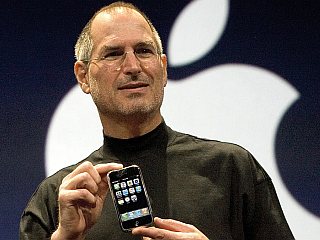
From Steve Jobs to John Ternus: Apple’s CEOs and How They Shaped the Company5 September 2026
- Home
- Others
- Others Features
- From Hardware Guru to CEO: Why John Ternus Is the Right Choice for Apple
From Hardware Guru to CEO: Why John Ternus Is the Right Choice for Apple
John Ternus will take over as the CEO of Apple starting September 1.
Written by Akash Dutta, Edited by Ketan Pratap | Updated: 21 April 2026 18:01 IST
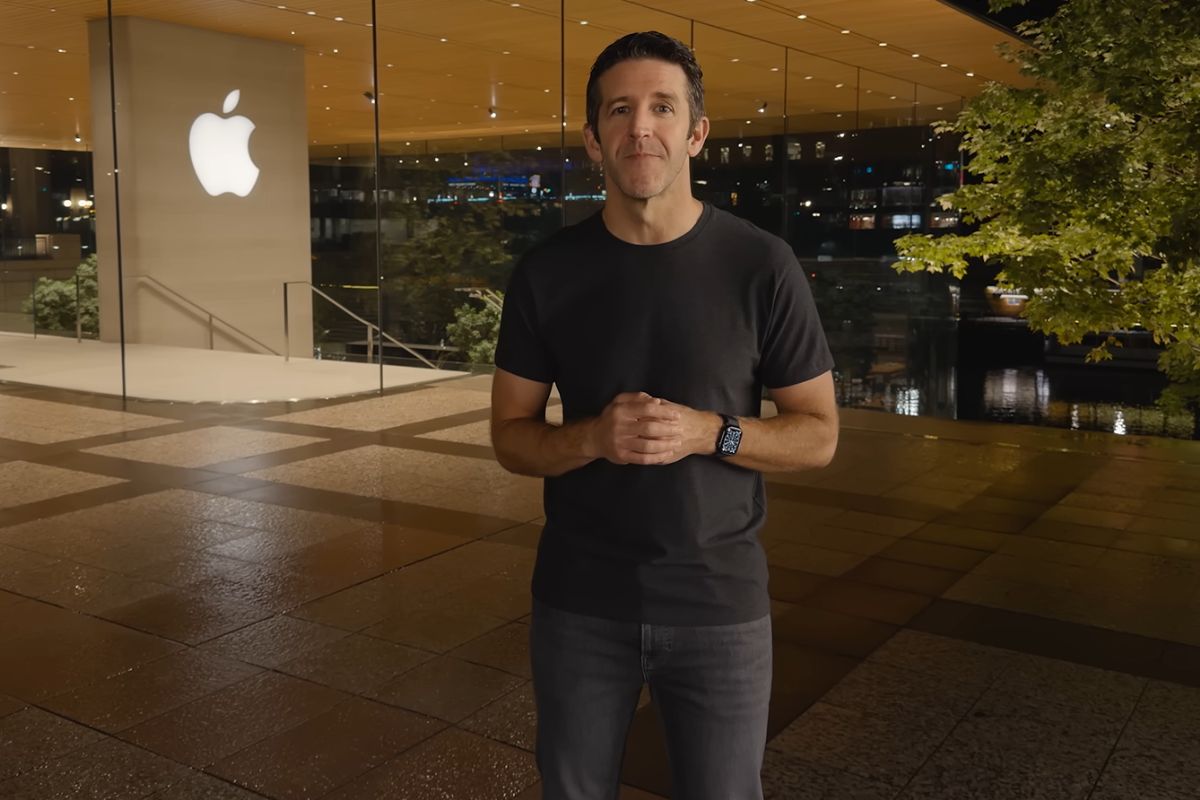
Photo Credit: Apple
John Ternus will take over as the CEO of Apple starting September 1.
Click Here to Add Gadgets360 As A Trusted Source

Advertisement
In the 21st century, the CEO seat at Apple has been one of the most stable and iconic jobs in the tech world. First defined by Steve Jobs and later reimagined by Tim Cook, the top position in the tech giant has defined the trajectory of the global consumer tech innovation. So, when the company announced that Cook was stepping down to make way for John Ternus, the world reacted with curiosity and surprise.
Instead of opting for a more popular name, such as Craig Federighi or Eddy Cue, the company board bestowed the top job on a guy who has mostly worked behind the scenes. However, this is not a first for the company. In August 2011, when Apple was navigating a difficult period after Jobs stepped down due to health reasons, the company looked at the relatively unknown Cook to take the reins — a move that defined Apple's fortunes for the last 15 years. And now again, with Ternus, the Cupertino giant might have pulled a similar masterstroke.
Tim Cook's Transition
The announcement that Cook would be stepping down as the CEO and would be transitioning to the role of executive chairman of the Apple board of directors took many by surprise. However, it wasn't a decision that was taken overnight or in the last few weeks. The first time reports claimed that the executive was looking to step down was in October 2025, a month before Cook would turn 65.
In the US, the typical age of retirement is between 62 and 67, with 65 being the sweet spot. The earliest reports highlighted that the company was actively looking for Cook's successor. The conversations were reportedly also driven by the fact that Apple had to replace several key executives in the last two years, including the former Chief Financial Officer, Luca Maestri, and the former Chief Operating Officer, Jeff Williams. The vanguard was growing thin.
In the following days, reports mentioned several potential candidates who could take over from Cook, some of whom have been mentioned above. But the age factor always played a role. Most of the senior leaders were in their late 50s or early 60s, making them a short-term fix instead of a long-term solution. Others were brought into the leadership recently and were not deemed senior enough to wear the dynamic and influential hat of Apple CEO. But just like 2011, the company found the right man in someone who was not really considered a public figure.
Enter John Ternus
Ternus, who is currently serving as the Senior Vice President of Hardware Engineering and will take the CEO seat on September 1, has been in the race since day one. Well-regarded by Apple loyalists and trusted by Cook himself, the mechanical engineer turned hardware guru built his place in the company over a period of 25 years.
He joined Apple's product design team in 2001 and was elevated to the role of Vice President of Hardware Engineering in 2013, before joining the leadership team in 2021. He is known within the company for his work on Mac devices, and the announcement post credited him for the recently launched MacBook Neo. He has also been instrumental in the introduction of many generations of iPad, AirPods, iPhone, and Apple Watch.
The Wall Street Journal highlighted, citing people working in the company, that Ternus is regarded as a “great collaborator who inspires fierce loyalty,” a levelheaded voice, and perhaps most importantly, “a super nice guy.” As a leader, he is said to be decisive, focused, and to prefer a hands-on approach. The report also claimed that he has a strong understanding of the company's culture and knows how to get things done.
Citing the same unnamed sources, the publication also claimed that Ternus is not known for taking big risks and instead is said to prefer a calculated approach. These attributes paint a picture of a charismatic diplomat who can keep the ship steady, but not of a ruthless innovator that many believe the company has been lacking ever since the departure of Jobs.
But he does bring an exciting upside to the role. Considered a genius in technical know-how, Ternus brings decades of hardware experience to the table. That means he comes equipped with both product knowledge and supply chain understanding — the stronghold of the previous two CEOs.
Taking Charge During Troubling Times
As soon as Ternus takes charge of the company, the future CEO will have his job cut out for him. The age of AI has emerged as the biggest challenge for Apple in recent years. The company entered the AI race fashionably late, and instead of developing and scaling the technology in-house, it relied on third-party help. Despite that, in the last two years, the Cupertino giant has offered only novelty tools and dated features when compared to rivals.
Apple's biggest failure has been the inability to upgrade Siri, a voice assistant that has fallen behind the most basic AI chatbots available in the market. Despite making promises and big previews during its events, the iPhone maker has consistently delayed the upgrade, with the most recent timeline being later this year, after Apple's partnership with Google secured it a custom Gemini model.
For Ternus, the biggest responsibility would be to find a cost-effective way to scale out its Apple Foundation Models and the AI infrastructure to ensure that it does not miss out on the ongoing agentic shift. The company has spent a decade pioneering the software technology for iPhone, but now, it must learn from the competitors and fast, to ensure that brand value is not the only reason behind Apple's market share.
Comments
Get your daily dose of tech news, reviews, and insights, in under 80 characters on Gadgets 360 Turbo. Connect with fellow tech lovers on our Forum. Follow us on X, Facebook, WhatsApp, Threads and Google News for instant updates. Catch all the action on our YouTube channel.
Related Stories




Advertisement
Follow Us




-
![[Sponsored] LG NANO 4K UHD AI TV NU885: Gemini Search, Dolby Atmos & 5 Years of Updates](https://www.gadgets360.com/static/desktop/images/spacer.png)
04:17
[Sponsored] LG NANO 4K UHD AI TV NU885: Gemini Search, Dolby Atmos & 5 Years of Updates -
00:57
[Sponsored] Samsung Galaxy Z Fold8 My Fan Cam in Action: Find the Moment, Then Share It -
01:41
[Sponsored] What Do You Need To Know Before Your Next Run? | Samsung Galaxy Watch Ultra2 -
01:32
[Sponsored] Big Day Tomorrow? Prep Today | Samsung Galaxy Watch Ultra2 -
04:37
[Sponsored]: CP PLUS CarKam CP-F89B: 4K Dashcam With Rear Camera, GPS & Emergency Recording
-
iPhone 16 आज भी Amazon सेल में मिल रहा ₹15 हजार से ज्यादा सस्ता
-
OnePlus 15 को Amazon Great Indian Festival Sale में खरीदें सस्ता
-
₹2250 सस्ता मिल रहा Motorola का 7000mAh बैटरी वाला फोन! Flipkart पर ऑफर
-
Flipkart Sale में ₹14000 सस्ता मिल रहा Vivo का 50MP कैमरा, 9020mAh बैटरी वाला फोन
-
Amazon Great Indian Festival Sale: सस्ता हो गया OnePlus का मिड रेंज स्मार्टफोन
Advertisement
Popular on Gadgets
- Samsung Galaxy S26 Ultra
- Motorola Razr Fold
- ChatGPT
- OPPO Find N6
- Mobiles Under Rs. 40,000
- Vivo X300 Ultra
- Asus Zenbook S14
- iQOO 15
- Vivo X300 Pro
- Lenovo Yoga Slim 7i Aura Edition
- iQOO 15R
- Vivo X Fold 5
- Sony PlayStation 5
- HP OmniPad 12
- OnePlus Nord CE 6 Lite
- OnePlus Pad 4
- OPPO F33 Pro 5G
- Cryptocurrency
- HP OmniBook Ultra 14 (2026)
- iPhone 17
- Eureka Forbes AP 355 Room Air Purifier
- Latest Mobile Phones
- Compare Phones
Latest Gadgets
- Samsung Galaxy F70 5G
- Tecno Spark 50S 5G
- Vivo Y600s Pro
- Vivo Y32 (2026)
- Infinix Smart 20 HD
- Vivo V80
- Vivo S2 FE
- Vivo Y600K Turbo
- HP ZBook Ultra G3a
- Dell Pro Rugged 14
- Amazon Alexa Tablet 8
- Amazon Alexa Tablet 11
- Amazfit T-Rex Dual Solar
- OPPO Watch S2
- Toshiba 65-Inch 4K Ultra HD Smart Mini LED QLED TV (65Z670SP)
- Haier M70 Mini LED 65-inch
- Acer Predator Atlas 8
- Asus ROG Ally
- Blue Star 1.5 Ton 5 Star Inverter Split AC (IE518ZNURS)
- Blue Star 2 Ton 3 Star Inverter Window AC (WIE324L)

- About Us
- Sitemaps
- Feedback
- Archives
- Contact Us
- RSS
- Advertise
- Career
- Privacy Policy
- Ethics
- Editorial Policy
- Terms & Conditions
- Complaint Redressal
Download Our Apps
Available in Hindi
© Copyright Red Pixels Ventures Limited 2026. All rights reserved.