-
 PSLV-C62 Failure Marks India’s First Space Launch Setback of 202614 January 2026
 -
ISRO’s PSLV Suffers Second Failure as Third-Stage Glitch Sends Rocket Off Course12 January 2026
-
ISRO to Launch PSLV-C62 With EOS-N1 Hyperspectral Satellite on January 1210 January 2026
-
Space Rocket Crashes in 2025: Why This Year Saw an Unusually High Number of Orbital Launch Failures31 December 2025
-
ISRO Sets Record with LVM3 Launch of BlueBird Block-2 Communications Satellite: Five Things to Know26 December 2025
- Home
- Science
- Science News
- ISRO Plans Third Launch Pad at Sriharikota in Four Years to Support Heavier Satellites
ISRO Plans Third Launch Pad at Sriharikota in Four Years to Support Heavier Satellites
ISRO plans a third launch pad at Sriharikota to support heavier satellites and future missions.
Written by Gadgets 360 Staff | Updated: 29 December 2025 23:15 IST
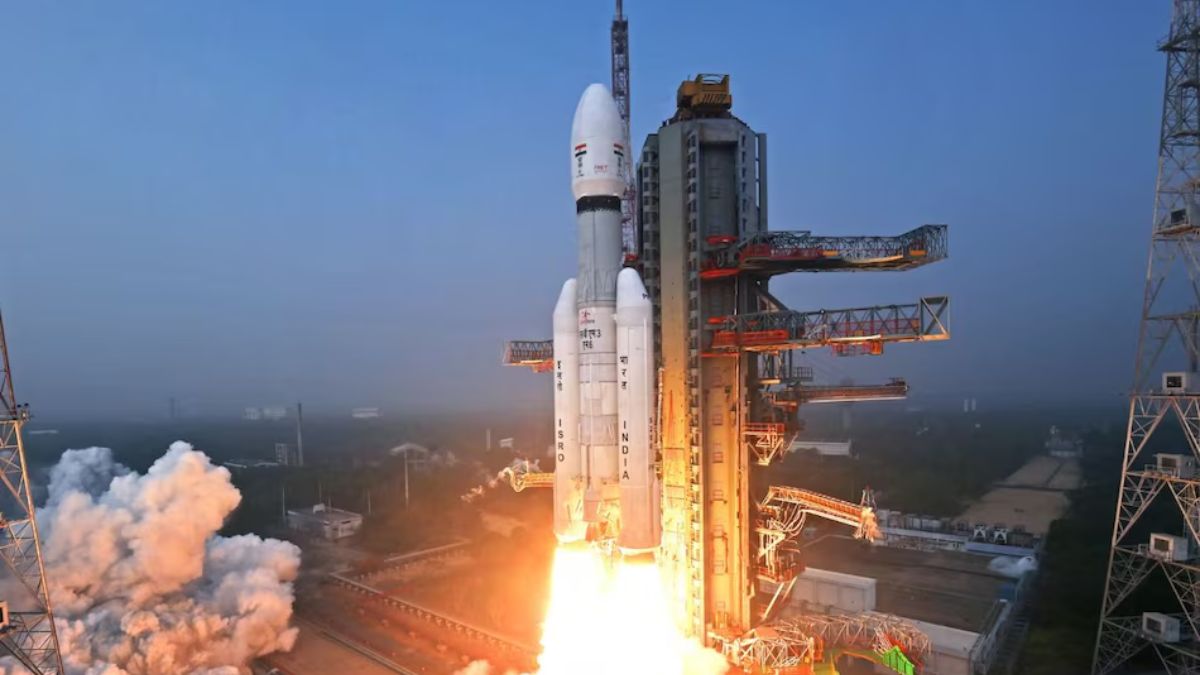
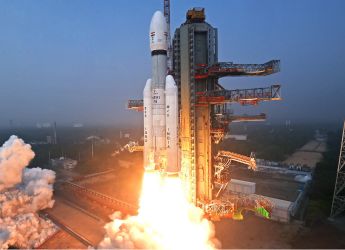
Photo Credit: ISRO
Sriharikota spaceport, where ISRO plans to build and commission a third launchpad.
Click Here to Add Gadgets360 As A Trusted Source


Advertisement
ISRO Begins Work on New Launch Pad at its Sriharikota spaceport to Support Future Heavy Satellites. The Indian space agency (ISRO) is all set to move a step closer with its manned mission to space. The new facility is anticipated to take four years to build, install and start up. Scientists say the expansion is crucial as ISRO prepares for next-generation rockets capable of placing satellites weighing more than 12,000 to 14,000 kg into different orbits, significantly expanding India's space capabilities.
ISRO Begins Vendor Search as Plans Take Shape for New Launch Pad at Sriharikota
According to a PTI report, ISRO is currently in the procurement stage and is identifying suitable vendors for the mega project. Padmakumar ES, Director and Distinguished Scientist at the Satish Dhawan Space Centre, said activities related to planning and development are already underway, with a focus on infrastructure and technical support required for the new launch pad.
The Sriharikota launch complex, spread over about 175 square kilometres and located around 135 km east of Chennai, has long served as the backbone of India's space launches. From this site, ISRO has successfully deployed a wide range of satellites using different launch vehicles, supporting communication, navigation, remote sensing and scientific missions for both national and international customers.
Third Launch Pad to Anchor ISRO's Next-Generation and Human Spaceflight Missions
The proposed third launchpad is central to ISRO's roadmap, supporting crewed and uncrewed missions and hosting next-generation vehicles, while existing pads fly PSLV, GSLV, and LVM3, and heavier payloads demand ahead.
ISRO has upgraded the launchpad and launch control centre since 1971, now known as SDSC (2002), and is planning a third pad to increase launching capacity.
Comments
Get your daily dose of tech news, reviews, and insights, in under 80 characters on Gadgets 360 Turbo. Connect with fellow tech lovers on our Forum. Follow us on X, Facebook, WhatsApp, Threads and Google News for instant updates. Catch all the action on our YouTube channel.
Related Stories




Advertisement
Follow Us




-
00:21
[Sponsored] Samsung Galaxy Z Fold8, Fold8 Ultra -
03:41
[Sponsored] Samsung Galaxy Z Fold8: How It Fits Into an Actor’s Busy Day | Camera, Multitasking & More -
09:53
iPhone 18 Goes On Sale In India: Huge Crowds, Long Queues At Apple Stores -
06:32
Google Pixel 11 Pro XL Review: The Most Exciting Pixel Yet? | 120X Zoom + Tensor G6 -
05:20
Samsung Galaxy Watch Ultra 2 Review: Is This the Best Android Smartwatch?
-
Amazon Great Indian Festival: सेल से पहले 6 मोबाइल पर Early Bird Deals
-
Vivo Y600i हुआ लॉन्च; 8000mAh बैटरी और ड्रॉप प्रोटेक्शन के साथ आया फोन
-
लैपटॉप की बैटरी हेल्थ ऐसे करें चेक, नहीं होगा नुकसान
-
Motorola Signature Flipkart सेल में ₹3 हजार सस्ता खरीदें, 50MP तीन कैमरा वाला फोन
-
iQOO Pad Ultra में 9020mAh बैटरी कंफर्म, प्री-ऑर्डर भी शुरू
Advertisement
Popular on Gadgets
- Samsung Galaxy S26 Ultra
- Motorola Razr Fold
- ChatGPT
- OPPO Find N6
- Mobiles Under Rs. 40,000
- Vivo X300 Ultra
- Asus Zenbook S14
- iQOO 15
- Vivo X300 Pro
- Lenovo Yoga Slim 7i Aura Edition
- iQOO 15R
- Vivo X Fold 5
- Sony PlayStation 5
- HP OmniPad 12
- OnePlus Nord CE 6 Lite
- OnePlus Pad 4
- OPPO F33 Pro 5G
- Cryptocurrency
- HP OmniBook Ultra 14 (2026)
- iPhone 17
- Eureka Forbes AP 355 Room Air Purifier
- Latest Mobile Phones
- Compare Phones
Latest Gadgets
- Vivo Y600i
- Mivi One 5G
- Xiaomi 18 Pro Max
- Motorola Signature 27
- OPPO Find X10 E
- OnePlus N6 Lite 4G
- Ai+ Nova 2 Power 5G
- Lava Virat Curve 5G
- Microsoft Surface Laptop, 13-inch (2nd Edition)
- Lenovo LOQ 15AHP11
- Microsoft Surface Pro, 12-inch (2nd Edition)
- Xiaomi Pad 9 Pro
- Amazfit T-Rex Dual Solar
- OPPO Watch S2
- Haier M70 Mini LED 65-inch
- Xiaomi TV FX Mini LED 65
- Acer Predator Atlas 8
- Asus ROG Ally
- Blue Star 1.5 Ton 5 Star Inverter Split AC (IE518ZNURS)
- Blue Star 2 Ton 3 Star Inverter Window AC (WIE324L)

- About Us
- Sitemaps
- Feedback
- Archives
- Contact Us
- RSS
- Advertise
- Career
- Privacy Policy
- Ethics
- Editorial Policy
- Terms & Conditions
- Complaint Redressal
Download Our Apps
Available in Hindi
© Copyright Red Pixels Ventures Limited 2026. All rights reserved.