

-
 Xiaomi Festive Offers Announced: Xiaomi 17 Ultra, Redmi Turbo 5, Mijia Air Purifier 4 Compact and More5 October 2026
 -
Xiaomi 17T Price in India Increased by Rs. 5,000: Here’s How Much It Costs Now1 October 2026
-
Amazon Great Freedom Sale 2026: Best Deals on Premium and Flagship Smartphones From Apple, Samsung and More8 August 2026
-
Xiaomi 17T, Redmi Note 15 5G, Redmi 15 Series Price in India Reportedly Hiked: Check Revised Prices27 July 2026
-
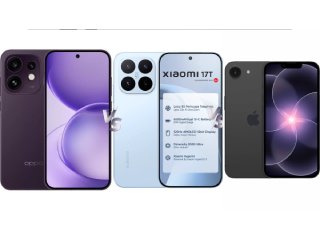
Oppo Reno 16 vs Xiaomi 17T vs iPhone 17e: Price in India, Specifications Compared12 July 2026
- Home
- Mobiles
- Mobiles News
- Xiaomi 17T India Launch Timeline Leaked as Firm Gears Up for Xiaomi 17 Ultra's Debut in India
Xiaomi 17T India Launch Timeline Leaked as Firm Gears Up for Xiaomi 17 Ultra's Debut in India
Xiaomi 17T is expected to be launched in India as the third model in the upcoming series.
Written by Dhruv Raghav, Edited by David Delima | Updated: 5 March 2026 10:30 IST
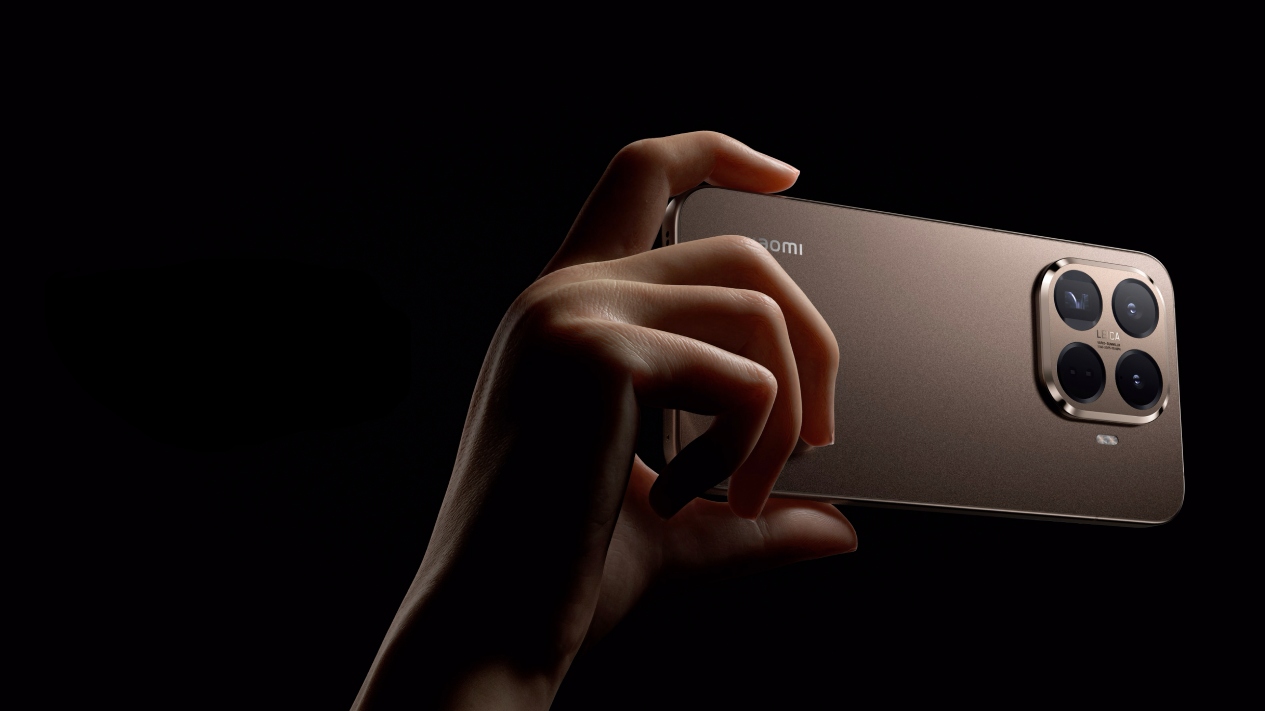
Photo Credit: Xiaomi
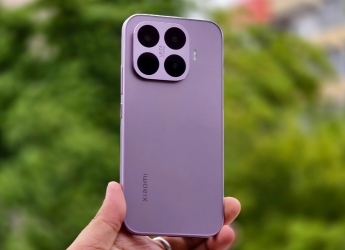
Xiaomi 17T is expected to succeed last year’s Xiaomi 15T (pictured)
Click Here to Add Gadgets360 As A Trusted Source

 Xiaomi 17T FAQs
Advertisement
Xiaomi 17 series is scheduled to be launched in India in the second week of March. The upcoming lineup is confirmed to include two phones, the standard Xiaomi 17 and the flagship Xiaomi 17 Ultra. Both handsets were unveiled in select global markets last month, along with the Xiaomi Pad 8 and the Xiaomi Watch 5. Now, the company appears to be preparing to launch another smartphone as part of the lineup. Dubbed Xiaomi 17T, the phone is tipped to be launched in India by the end of next month at the earliest. The phone is expected to be powered by a MediaTek Dimensity 8000 series chipset.
Xiaomi 17T India Launch Timeline (Expected)
In a post on X, tipster Abhishek Yadav (@yabhishekhd) has shared the launch timeline of a rumoured Xiaomi 17 series handset. Citing industry sources, the leaker claims that the Xiaomi 17T will be launched in India at the end of April or in May. While the company has yet to confirm the launch, this is in line with a previous leak that suggested that the Xiaomi 17T series, which is expected to include the Xiaomi 17T and Xiaomi 17T Pro, could be unveiled as much as four months earlier than its predecessor.
- Xiaomi 17T vs Vivo X200T vs Samsung Galaxy A57: Which One Are You Picking?
- Is the Xiaomi 17T expected to be a better value than the OnePlus 15R?
- The Leica Summilux Lens Might Be My Favourite Feature on Xiaomi 17T
- Is the Xiaomi 17T the Better Buy for People Who Keep Phones for 4–5 Years?
- Which AI-Focused Phone Would You Buy Today?
I also heard from the same source that the Xiaomi 17T will launch in India at the end of April or in May. 🇮🇳 https://t.co/3dJvBBfJmc
— Abhishek Yadav (@yabhishekhd) March 4, 2026
For context, the Xiaomi 15T and Xiaomi 15T Pro were launched in select global markets in September 2025 at starting prices of GBP 549 (roughly Rs. 65,000) and GBP 649 (roughly Rs. 77,000) for the base 12GB+256GB RAM and storage configuration, respectively.
The Xiaomi 15T Pro sports a 6.83-inch 1.5K (1,280×2,772 pixels) AMOLED display, offering up to a 144Hz refresh rate, 447ppi pixel density, 480Hz touch sampling rate, Corning Gorilla Glass 7i protection, and up to 3,200 nits of peak brightness. The handset is powered by a 3nm octa core MediaTek Dimensity 9400+ chipset.
A recent report suggested that the Xiaomi 17T and Xiaomi 17T Pro will be launched with upgrades in multiple departments. While the Xiaomi 17T is tipped to be powered by a MediaTek Dimensity 8500 chipset, the Xiaomi 17T Pro model is expected to be equipped with a MediaTek Dimensity 9500 chip.
This comes soon after the Xiaomi 17 and Xiaomi 17 Ultra were launched globally on February 28 in Barcelona, Spain. The two handsets are confirmed to be unveiled in India on March 11. Both phones will be powered by Qualcomm's flagship octa core Snapdragon 8 Elite Gen 5 chipset, which is built on a 3nm process. The Xiaomi 17 series will be available for purchase in India via Amazon.
Xiaomi 17T FAQsWhat are the main features of the Xiaomi 17T?
The Xiaomi 17T is available with up to 12GB of RAM paired with 512GB of internal storage. It features a triple rear camera setup consisting of 50MP OIS Leica, 50MP Periscope Telephoto, 12MP Ultrawide, and 32MP Front Selfie Camera. The phone supports fast charging with 67W wired charging, backed by a 6500mAh battery. It is powered by the MediaTek Dimensity 8500-Ultra4nm processor and comes with a 6.59-inch AMOLED display that supports up to a 120Hz refresh rate. The Xiaomi 17T is available in 3 colour options.
When was the Xiaomi 17T released?
The Xiaomi 17T was launched on May 28, 2026
Where can I buy the Xiaomi 17T?
You can buy the Xiaomi 17T through the official mi website.
- KEY SPECS
- NEWS
Display 6.67-inch
Processor MediaTek Dimensity 8400 Ultra
Front Camera 32-megapixel
Rear Camera 50-megapixel + 50-megapixel + 12-megapixel
RAM 12GB
Storage 256GB
Battery Capacity 5500mAh
OS Android
Resolution 1280x2772 pixels
- KEY SPECS
- NEWS
Display 6.83-inch
Processor MediaTek Dimensity 9400+
Front Camera 32-megapixel
Rear Camera 50-megapixel + 50-megapixel + 12-megapixel
RAM 12GB
Storage 256GB
Battery Capacity 5500mAh
OS Android
Resolution 1280x2772 pixels
- REVIEW
- KEY SPECS
- NEWS
- Good
- Vibrant 12-bit LTPO AMOLED display
- Impressive still cameras and video recording
- Perfectly usable 8K video recording
- Good battery life
- 100W fast wired charging
- 50W wireless charging (using proprietary dock)
- Bad
- Average ultrawide camera
- AI tools need some polish
- Poor ultrawide video recording
- Preinstalled third-party app
Read detailed Xiaomi 17 review
Display 6.30-inch
Processor Snapdragon 8 Elite Gen 5
Front Camera 50-megapixel
Rear Camera 50-megapixel + 50-megapixel + 50-megapixel
RAM 12GB
Storage 256GB
Battery Capacity 6330mAh
OS Android 16
Resolution 2,656x1,220 pixels
- REVIEW
- KEY SPECS
- NEWS
- Good
- Superb cameras
- Solid design
- Bright display
- Decent battery backup and 90W wired fast-charging support
- Photography kit (sold separately)
- Bad
- Expensive
- Stereo speakers aren't very loud
Read detailed Xiaomi 17 Ultra review
Display 6.90-inch
Processor Snapdragon 8 Elite Gen 5
Front Camera 50-megapixel
Rear Camera 50-megapixel + 200-megapixel + 50-megapixel
RAM 12GB
Storage 512GB
Battery Capacity 6,800mAh
OS Android 16
Comments
Get your daily dose of tech news, reviews, and insights, in under 80 characters on Gadgets 360 Turbo. Connect with fellow tech lovers on our Forum. Follow us on X, Facebook, WhatsApp, Threads and Google News for instant updates. Catch all the action on our YouTube channel.
Related Stories

Xiaomi 17T India Launch Timeline Leaked as Firm Gears Up for Xiaomi 17 Ultra's Debut in India


Advertisement
Follow Us




-
04:17
[Sponsored] LG NANO 4K UHD AI TV NU885: Gemini Search, Dolby Atmos & 5 Years of Updates -
00:57
[Sponsored] Samsung Galaxy Z Fold8 My Fan Cam in Action: Find the Moment, Then Share It -
01:41
[Sponsored] What Do You Need To Know Before Your Next Run? | Samsung Galaxy Watch Ultra2 -
01:32
[Sponsored] Big Day Tomorrow? Prep Today | Samsung Galaxy Watch Ultra2 -
04:37
[Sponsored]: CP PLUS CarKam CP-F89B: 4K Dashcam With Rear Camera, GPS & Emergency Recording
-
आ गई हवा में उड़ने वाली Tesla Roadster कार, आखिर सच हुआ फिल्मों वाला कमाल
-
रोबोट ने की लड़की से छेड़छाड़, पीछे से पकड़ा और किए गंदे इशारे, जानें
-
PS5 कहां मिलेगा सस्ता, Flipkart या Amazon, जानें सबकुछ
-
Flipkart Big Billion Sale 2026: ₹25 हजार से सस्ते खरीदें Vivo, Samsung, Nothing, Realme मिडरेंज फोन, 7000mAh ब
-
RedMagic 12 Pro ग्लोबल मार्केट में 3 नवंबर को होगा लॉन्च, 8400mAh बैटरी
Advertisement
Popular on Gadgets
- Samsung Galaxy S26 Ultra
- Motorola Razr Fold
- ChatGPT
- OPPO Find N6
- Mobiles Under Rs. 40,000
- Vivo X300 Ultra
- Asus Zenbook S14
- iQOO 15
- Vivo X300 Pro
- Lenovo Yoga Slim 7i Aura Edition
- iQOO 15R
- Vivo X Fold 5
- Sony PlayStation 5
- HP OmniPad 12
- OnePlus Nord CE 6 Lite
- OnePlus Pad 4
- OPPO F33 Pro 5G
- Cryptocurrency
- HP OmniBook Ultra 14 (2026)
- iPhone 17
- Eureka Forbes AP 355 Room Air Purifier
- Latest Mobile Phones
- Compare Phones
Latest Gadgets
- Tecno Spark 50S 5G
- Vivo Y600s Pro
- Vivo Y32 (2026)
- Infinix Smart 20 HD
- Vivo V80
- Vivo S2 FE
- Vivo Y600K Turbo
- Realme P4s Lite
- HP ZBook Ultra G3a
- Dell Pro Rugged 14
- Amazon Alexa Tablet 8
- Amazon Alexa Tablet 11
- Amazfit T-Rex Dual Solar
- OPPO Watch S2
- Toshiba 65-Inch 4K Ultra HD Smart Mini LED QLED TV (65Z670SP)
- Haier M70 Mini LED 65-inch
- Acer Predator Atlas 8
- Asus ROG Ally
- Blue Star 1.5 Ton 5 Star Inverter Split AC (IE518ZNURS)
- Blue Star 2 Ton 3 Star Inverter Window AC (WIE324L)

- About Us
- Sitemaps
- Feedback
- Archives
- Contact Us
- RSS
- Advertise
- Career
- Privacy Policy
- Ethics
- Editorial Policy
- Terms & Conditions
- Complaint Redressal
Download Our Apps
Available in Hindi
© Copyright Red Pixels Ventures Limited 2026. All rights reserved.