
-
 Tron, Tether and Chainalysis Set Up Joint Task Force to Counter AI Crypto Fraud12 November 2026
-
Tether Faces Lawsuit From Conduit Over $2.76 Million in Frozen USDT7 October 2026
-
Tether to Cease Operations of Gold-Linked aUSDT Stablecoin18 June 2026
-
Tether User Base Crosses 500 Million Mark as Stablecoin Supply Nears $182 Billion22 October 2025
-
Bitcoin Nears $101,000 While Altcoin Prices Decline Amid Rising Geopolitical Tensions23 June 2025
- Home
- Cryptocurrency
- Cryptocurrency News
- Tether Accused of Seeking 20 Percent Cut From Hack Victims to Release Frozen USDT
Tether Accused of Seeking 20 Percent Cut From Hack Victims to Release Frozen USDT
A Singapore-based exchange hacked in 2020 is among the victims still waiting to recover its frozen stablecoins
Written by Rahul Dhingra, Edited by Rohan Pal | Updated: 25 November 2026 18:52 IST
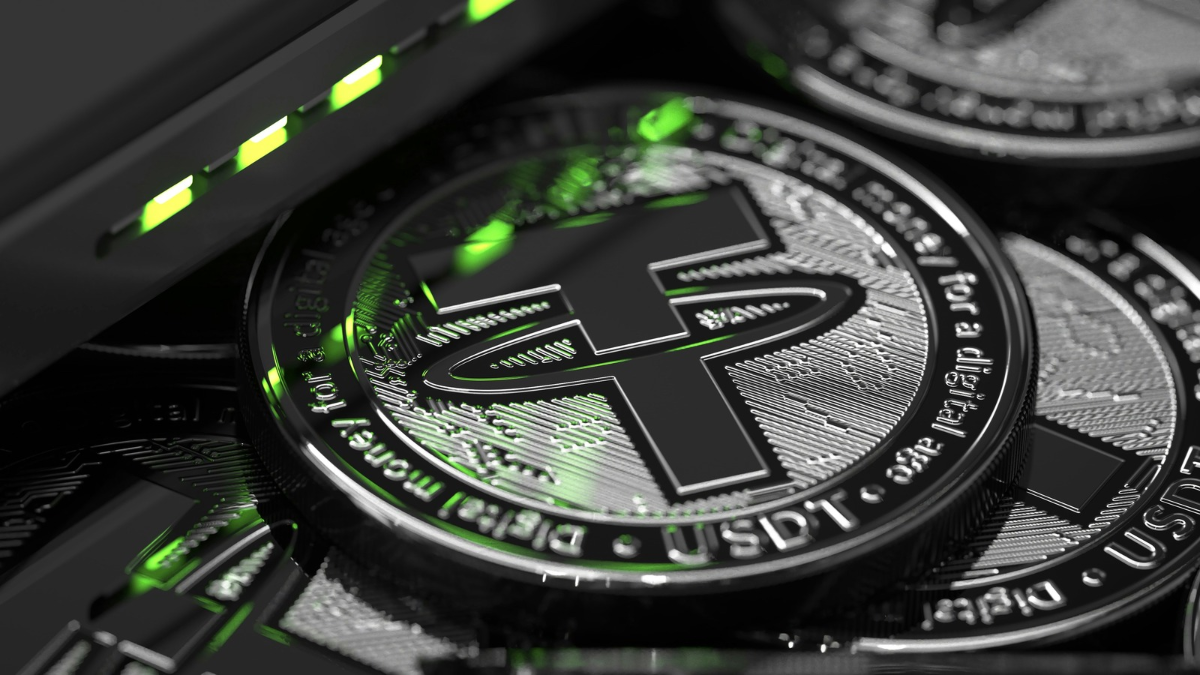
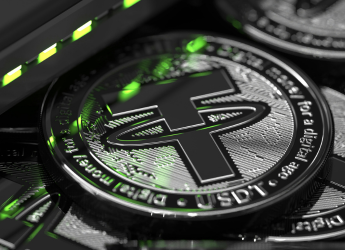
Photo Credit: Unsplash/DrawKit Illustrations
Tether can freeze USDT held in wallets without accessing their private keys
Click Here to Add Gadgets360 As A Trusted Source

Advertisement
The firm is alleged to charge 20 percent in fees from the hack victims who are looking for help to retrieve their USDT frozen by Tether. Bloomberg has revealed that while Tether has the capacity to prevent the hackers from moving the tokens and reissuing the stolen assets to their rightful owners, victims have been spending years retrieving their USDT. Among such companies is Bittok, a Singapore-based cryptocurrency trading platform that was hacked for $50 million (roughly Rs. 461 crore) in 2020 and hasn't been able to recover its USDT even five years after the hacking.
Tether's Published Recovery Policy Sets Different Fees for Accidental Transfers
A spokesperson for Tether told Bloomberg that the firm has issued USDT worth $1.2 billion (roughly Rs. 11,074 crore) by now, with those fees covering their costs related to the money retrieval process. Paolo Ardoino, the CEO of Tether, stated that his firm retrieves lost funds in portions during civil disputes to avoid legal risks, since there is not enough legal guidance on how to do that properly.
In its public token recovery policy, there is an outlined unique fee policy for users who end up sending their stablecoins to a non-compatible address or smart contract by accident. In this particular policy, the firm will only accept recovery requests involving more than $1,000 (roughly Rs. 92,300) and will charge 10 percent of the total amount of the recovered token value or $1,000 (roughly Rs. 92,300), whichever amount is higher. The requesters should pass through Tether's identification verification process and provide transaction history and other related documents.
A documentation verification may be requested by Tether before a recovery is performed, and this can take up to several months, depending on the case. Cases of theft, fraud, and hacking in cryptocurrencies are handled individually by their information requests team. The terms and conditions of the company allow for the freezing of the tokens and the suspension of the redemption services when the wallets are subject to lawsuits, government investigations, or when there is any violation of laws.
The discoveries followed Tether and Circle's intervention last October when hackers from North Korea stole billions of dollars worth of cryptocurrencies from Binance. Both companies acted quickly to put on a blacklist the addresses involved in the theft, applying administrative controls that enable stablecoin issuers to prevent the movement of their respective tokens without getting hold of the private keys for these addresses.
As noted by Bloomberg, USDT and USDC issued by Circle make up a total of 86 percent of the total stablecoin circulation. The attack on Binance has encouraged Tether to establish emergency communication lines directly with the most prominent cryptocurrency exchanges.
Comments
Get your daily dose of tech news, reviews, and insights, in under 80 characters on Gadgets 360 Turbo. Connect with fellow tech lovers on our Forum. Follow us on X, Facebook, WhatsApp, Threads and Google News for instant updates. Catch all the action on our YouTube channel.
Related Stories




Advertisement
Follow Us


-
 Least Expensive 5-Star Rated Top Loaders in India: Cut Your Power Bills Without Overspending
-
Best Sandwich Makers & Grill Toasters Under ₹1,200 for Busy Mornings
-
Best Anti-Blue Light Screen Protectors & Clip On Filters for Late Night Workers
-
Top 5 Under-Desk Footrests to Improve Posture & Blood Circulation
-
Top 5 MagSafe Wireless Power Banks for iPhone Users in India
Advertisement
Popular on Gadgets
- Samsung Galaxy S26 Ultra
- Motorola Razr Fold
- ChatGPT
- OPPO Find N6
- Mobiles Under Rs. 40,000
- Vivo X300 Ultra
- Asus Zenbook S14
- iQOO 15
- Vivo X300 Pro
- Lenovo Yoga Slim 7i Aura Edition
- iQOO 15R
- Vivo X Fold 5
- Sony PlayStation 5
- HP OmniPad 12
- OnePlus Nord CE 6 Lite
- OnePlus Pad 4
- OPPO F33 Pro 5G
- Cryptocurrency
- HP OmniBook Ultra 14 (2026)
- iPhone 17
- Eureka Forbes AP 355 Room Air Purifier
- Latest Mobile Phones
- Compare Phones
Latest Gadgets
- Redmi R80m 5G
- Redmi R80 5G
- Lava Smart 4 Pro
- Motorola Edge 70 Neo
- OPPO Reno 17 Pro (China)
- OPPO Reno 17 (China)
- Vivo Y6k
- Karbonn Rebel
- Dell XPS 16 Creator Edition
- Dell 14S (2026)
- OPPO Pad Air 6
- Infinix Xpad 30
- Honor Watch 6 Pro
- Xiaomi Watch S5 41mm
- Toshiba 65-Inch 4K Ultra HD Smart Mini LED QLED TV (65Z670SP)
- Haier M70 Mini LED 65-inch
- Acer Predator Atlas 8
- Asus ROG Ally
- Blue Star 1.5 Ton 5 Star Inverter Split AC (IE518ZNURS)
- Blue Star 2 Ton 3 Star Inverter Window AC (WIE324L)

- About Us
- Sitemaps
- Feedback
- Archives
- Contact Us
- RSS
- Advertise
- Career
- Privacy Policy
- Ethics
- Editorial Policy
- Terms & Conditions
- Complaint Redressal
Download Our Apps
Available in Hindi
© Copyright Red Pixels Ventures Limited 2026. All rights reserved.