-
 Amazon Great Indian Festival 2026: Best Asus, HP, Lenovo and Dell Laptop Deals12 October 2026
 -
Amazon Great Indian Festival 2026: Best Laptop Deals With 16GB RAM and 512GB SSD11 October 2026
-
Amazon Great Indian Festival 2026: Best Laptops Under Rs. 75,00010 October 2026
-
Amazon Great Indian Festival 2026: Best Laptops Under Rs. 1 Lakh9 October 2026
-
Amazon Great Indian Festival 2026: Best Laptops Under Rs 60,0008 October 2026
- Home
- Laptops
- Laptops Features
- How Asus is Rewriting the Rules of Laptop Design From the Inside Out
How Asus is Rewriting the Rules of Laptop Design From the Inside Out
From Ceraluminum design to 400 experiments on the Zenbook Duo's display gap and more, ASUS is competing on experience, not just specifications.
Written by Rohan Pal, Edited by Ketan Pratap | Updated: 8 June 2026 17:50 IST
Click Here to Add Gadgets360 As A Trusted Source

Advertisement
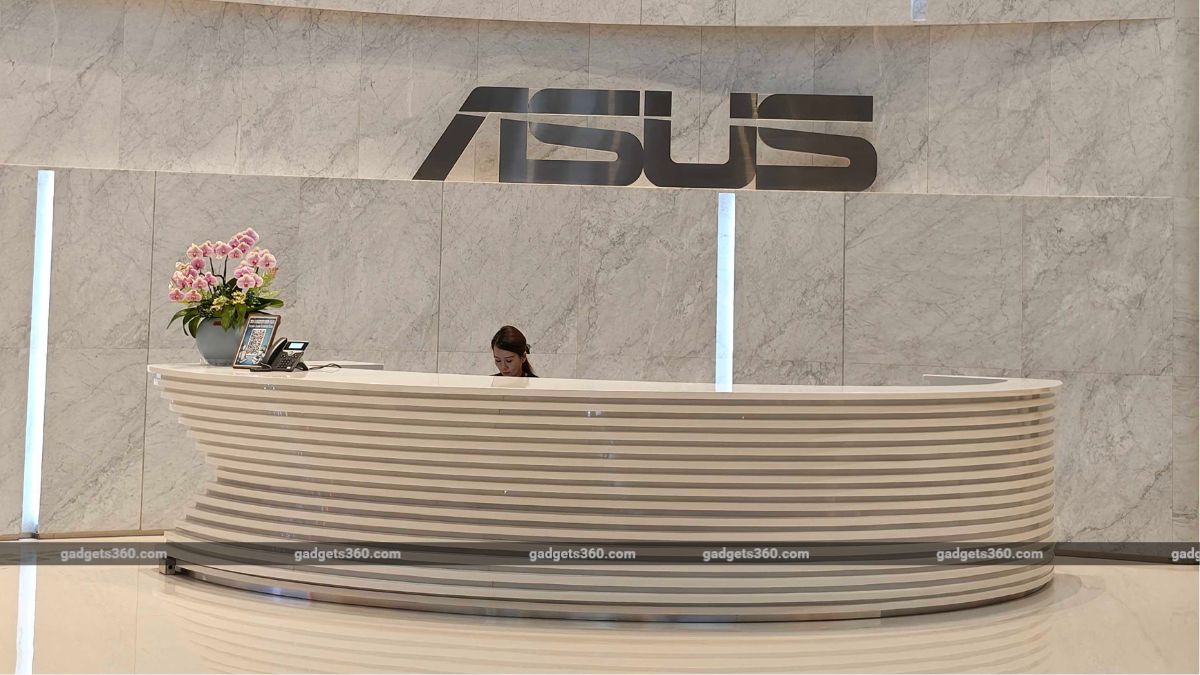
Walking into Asus's new Taipei HQ, the first thing I noticed was how the brand, which started as a motherboard design firm in 1989, quickly expanded into manufacturing, laptops, gaming systems, and consumer electronics, and became one of the most well-known brands across the globe. In the atrium, the displays of the Zenbooks and Vivobooks, tucked under a glass panel, showcased the brand's journey and reminded me of one clear thing: great laptops begin not with component lists but with real-world human needs.
And then we met the Asus Design Centre (ADC) team, responsible for everything from Zenbook ultrabooks to ROG gaming rigs and Vivobook everyday laptops, and one thing that everyone on the panel was reiterating, which has also quietly become the company's design north star: Design You Can Feel. It should be the kind of thing you will see in marketing material and then forget.
- ASUS Zenbook vs HP Pavilion: which would you choose for carrying to work every day?
- ASUS, HP or Lenovo- which laptop would you pick during the Amazon Great Freedom Sale?
- Asus is set to launch a new tablet in India
- Asus ZenFone Selfie, ZenFone 2 Deluxe, and ZenFone 2 Laser 5.5
- Should I get the new Lenovo Yoga or save with ASUS?
However, Asus takes this quite seriously, demonstrating a commitment to building products that create a genuine, emotional connection with the people who use them. In an era where every laptop is now focused on the specs sheet and how much AI it can run, Asus is trying to carve out a niche for itself with design innovation, which is also the centre point of 2026.
It Starts With Observation, Not Products
A common misconception about the laptops is that they start with a designer at a sketchpad and a vague brief about being premium. However, at Asus, the ADC team describes it differently. For them, the design process actually begins with observation!
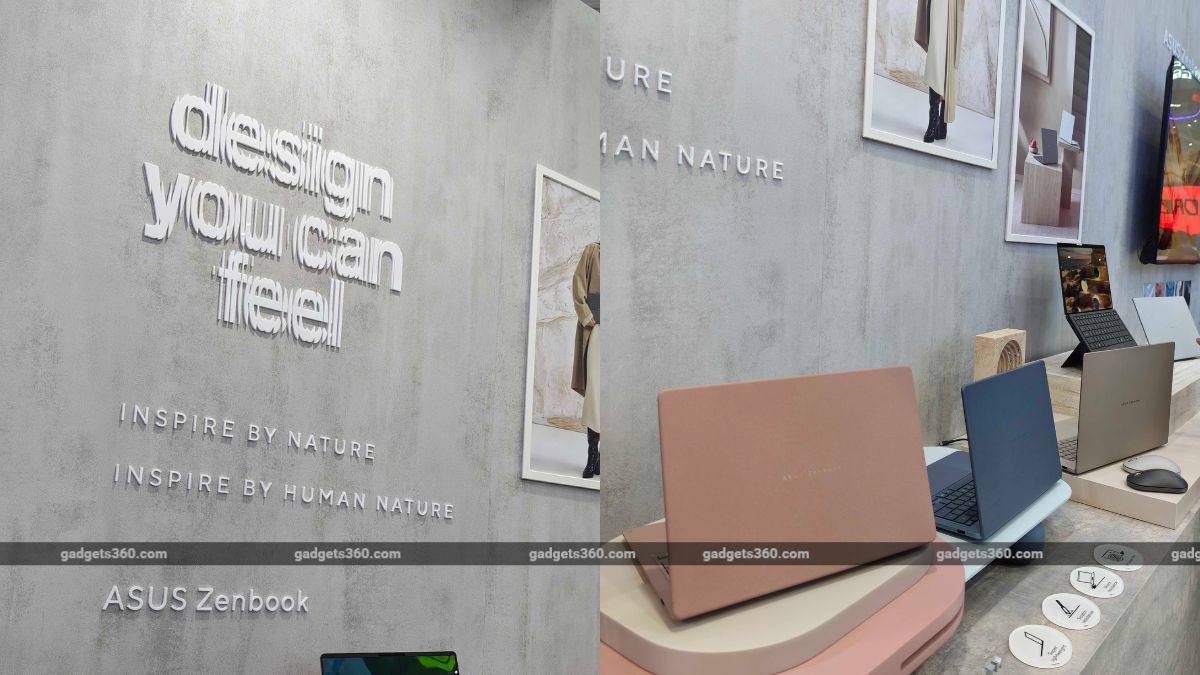
Before finalising the design of their laptop lineups, for example, the Zenbooks series, the team explains that they follow an unorthodox approach by simply flying out across fast-paced urban environments like Japan or Korea to study how modern professionals navigate through crowded commutes, work from local cafes, and juggle between multiple tasks.
Taking inspiration from this observation, the team then designed the laptops that can solve these real-world problems for the consumers. "We don't start by asking what technology we can put inside a laptop," one designer explained during the session. "We start by asking what problem we're solving for the user."
Why Ceraluminum is Asus' Biggest Bet
At a time when some players focus heavily on the spec sheet and powerful internals, Asus takes a different path with its flagship products, like the ZenBooks. They want it to be more of a cultural and lifestyle product. And this is where the Ceraluminum came into existence. The company wanted a material that feels premium and is sturdy enough to handle most daily wear and tear, which led to Ceraluminium, a signature material introduced across the premium ZenBook series for some time now.
By combining aluminium with a ceramic-like surface treatment, ASUS created a finish that is lightweight, durable, and made of premium materials, drawing inspiration from natural geological formations. The ADC team stressed that premium products should forge an immediate sensory connection with the user, betting that material experience can heavily stand out in an era where many laptops look identical.
ZenBook Duo and ROG Zephyrus Duo: When Design and Engineering Clashed
No doubt that the Asus ZenBook Duo is one of the pinnacle of the brand's innovation front. This is a prime example of how ambitious design leads to friction with practical engineering. While the concept of two full-sized displays sounds simple at first, executing it was quite complex.
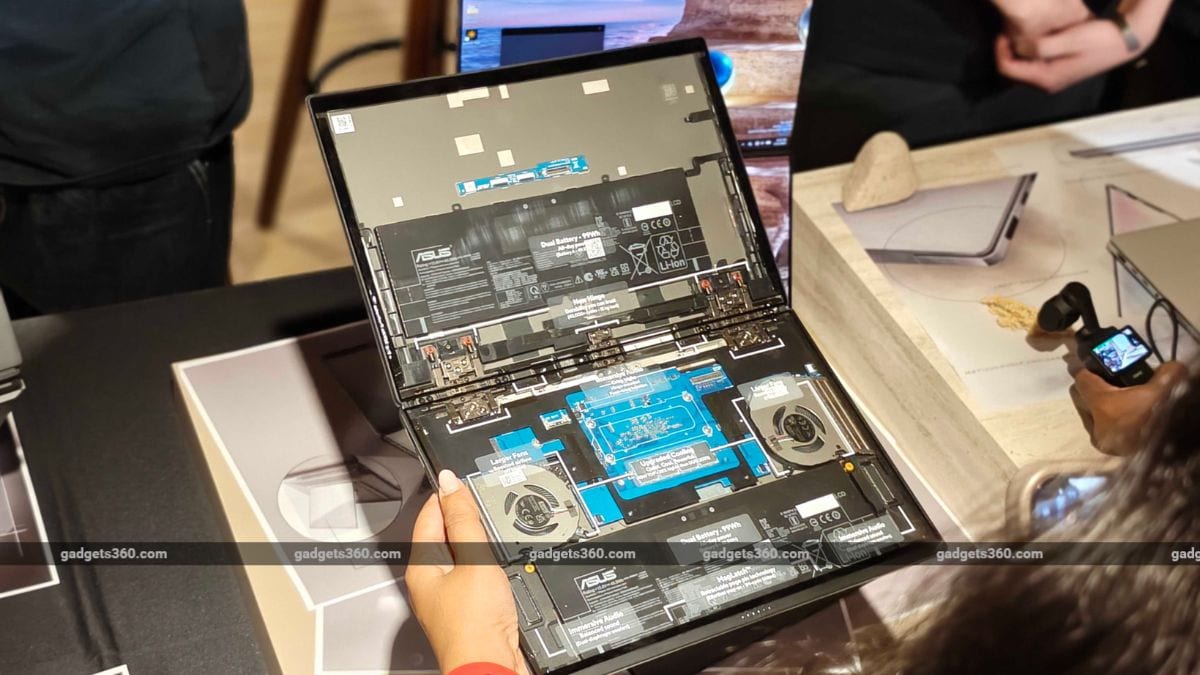
The team revealed that to make the two screens feel visually continuous, they explored over 20 design variables and conducted more than 400 experiments to refine hinges, materials, and structural engineering. Moreover, the software team tested over 80 interface concepts to ensure the final product feels natural while maintaining the Wow factor.
However, with the ROG Zephyrus Duo, the company faced even more challenges. Traditionally, gaming laptops sacrificed portability for thicker bodies and massive cooling systems. However, adding two screens while still maintaining the core DNA of a gaming laptop was a challenge in itself. The ADC team revealed that development of the latest Zephyrus Duo took close to three years, with multiple structural concepts developed and discarded.
Some were even abandoned after failing the internal quality check. However, the final product was finally introduced with a new hinge design that also showcased a major behavioural shift. Modern gamers are not only gaming but also streaming, editing content, monitoring Discord, and multitasking constantly. So, introducing a second screen helps to solve this problem.
VivoBook: Democratising Design You Feel
Although you will see the flashiest ideas in ZenBook and ROG, the same philosophy also trickles down to the massy Vivobook lineup. The laptops are primarily targeted at students, families, and first-time buyers, which also attracts a broad audience. That said, the ADC team believes that bringing the premium design to the masses was always their priority.
Not make something beautiful but make something thoughtful at scale, at a price most people can actually afford,” an ADC team member said while talking about the design process for Vivobook. The team also mentioned that even minute details, such as the design of the ventilation grilles on a Vivobook laptop, undergo more than 30 prototype iterations before the product is ready to hit the shelves.
Moreover, sustainability is also a big part of Asus' Design You Feel concept. The company highlighted that the packaging is made from recyclable materials, and some parts can also double as a reusable laptop stand.
Conclusion
Leaving the Asus campus made me realise one thing: the brand is trying to carve a niche for itself on the experience front rather than entering the specs wars. In a market where chip speed, battery capacity, storage, cooling systems, and more take centre stage, Asus is building its product lineup that not only features competitive specs but also feels good in the hand. Whether it is ceraluminum on a Zenbook, a second OLED on a Zephyrus Duo, or subtle touches on a Vivobook, the goal is the same: make a design that you can feel.
Comments
Get your daily dose of tech news, reviews, and insights, in under 80 characters on Gadgets 360 Turbo. Connect with fellow tech lovers on our Forum. Follow us on X, Facebook, WhatsApp, Threads and Google News for instant updates. Catch all the action on our YouTube channel.
Further reading:
Asus, Asus ZenBook Duo 2026, Asus Zephyrus Duo 16, Asus Zenbook series, Asus Vivobook Series
Related Stories


Advertisement
Follow Us




-
![[Sponsored] Galaxy Tab S10 Lite for Students: Notes, Solve Math and More](https://www.gadgets360.com/static/desktop/images/spacer.png)
01:15
[Sponsored] Galaxy Tab S10 Lite for Students: Notes, Solve Math and More -
04:17
[Sponsored] LG NANO 4K UHD AI TV NU885: Gemini Search, Dolby Atmos & 5 Years of Updates -
00:57
[Sponsored] Samsung Galaxy Z Fold8 My Fan Cam in Action: Find the Moment, Then Share It -
01:41
[Sponsored] What Do You Need To Know Before Your Next Run? | Samsung Galaxy Watch Ultra2 -
01:32
[Sponsored] Big Day Tomorrow? Prep Today | Samsung Galaxy Watch Ultra2
-
X पर वीडियो पोस्ट करके जीतें 2.83 लाख रुपये, किकस्टार्ट बोनस शुरू, जानें
-
6500mAh बैटरी वाला फोन Amazon Sale में ₹15 हजार से भी सस्ता हुआ
-
Oura Ring 5 लॉन्च, हेल्थ और मेडिकेशन दोनों की ट्रैकिंग, 7 दिन चलेगी बैटरी
-
Oppo Find X10 Pro Max ग्लोबल मार्केट में लॉन्च, 200MP तीन कैमरा, 7150mAh बैटरी फीचर्स
-
10000mAh की विशाल बैटरी वाला HONOR WIN Tablet लॉन्च, बड़ी स्क्रीन के साथ प्रोसेसर भी दमदार
Advertisement
Popular on Gadgets
- Samsung Galaxy S26 Ultra
- Motorola Razr Fold
- ChatGPT
- OPPO Find N6
- Mobiles Under Rs. 40,000
- Vivo X300 Ultra
- Asus Zenbook S14
- iQOO 15
- Vivo X300 Pro
- Lenovo Yoga Slim 7i Aura Edition
- iQOO 15R
- Vivo X Fold 5
- Sony PlayStation 5
- HP OmniPad 12
- OnePlus Nord CE 6 Lite
- OnePlus Pad 4
- OPPO F33 Pro 5G
- Cryptocurrency
- HP OmniBook Ultra 14 (2026)
- iPhone 17
- Eureka Forbes AP 355 Room Air Purifier
- Latest Mobile Phones
- Compare Phones
Latest Gadgets
- Lava Aura Curve
- Poco X8s
- Samsung Galaxy F70 5G
- Tecno Spark 50S 5G
- Vivo Y600s Pro
- Vivo Y32 (2026)
- Infinix Smart 20 HD
- Vivo V80
- HP ZBook Ultra G3a
- Dell Pro Rugged 14
- Amazon Alexa Tablet 8
- Amazon Alexa Tablet 11
- Pebble Qore 2
- Amazfit T-Rex Dual Solar
- Toshiba 65-Inch 4K Ultra HD Smart Mini LED QLED TV (65Z670SP)
- Haier M70 Mini LED 65-inch
- Acer Predator Atlas 8
- Asus ROG Ally
- Blue Star 1.5 Ton 5 Star Inverter Split AC (IE518ZNURS)
- Blue Star 2 Ton 3 Star Inverter Window AC (WIE324L)

- About Us
- Sitemaps
- Feedback
- Archives
- Contact Us
- RSS
- Advertise
- Career
- Privacy Policy
- Ethics
- Editorial Policy
- Terms & Conditions
- Complaint Redressal
Download Our Apps
Available in Hindi
© Copyright Red Pixels Ventures Limited 2026. All rights reserved.