-
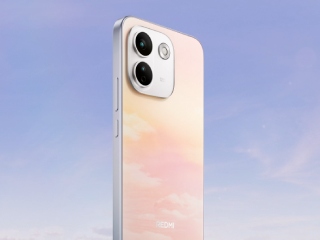
 Redmi Note 17 Pro Max 5G India Launch Teased1 September 2026
 -
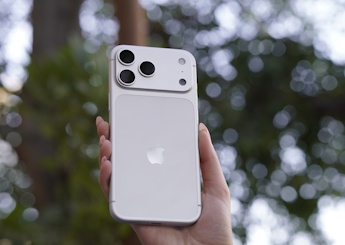
Smartphones Launching in September 2026: iPhone 18 Pro Lineup, iPhone Ultra, Poco F9 Series and More30 August 2026
-
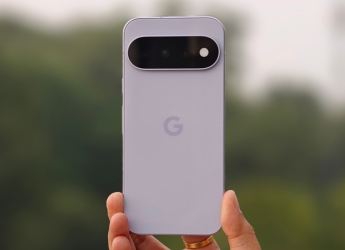
Smartphones Launched in India (August 2026): Google Pixel 11 Series, Realme P4s 5G, Vivo S2, and More30 August 2026
-
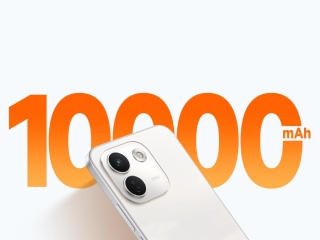
Redmi Note 17 Pro Max 5G Launched in With 10,000mAh Battery, 100W Fast Charging: Price, Features27 August 2026
-
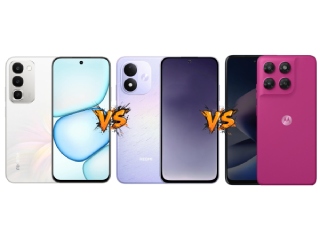
Realme 16x 5G vs Redmi Note 17 5G vs Moto G77 Power: Price in India, Specifications and Features Compared15 August 2026
- Home
- Mobiles
- Mobiles Reviews
- Redmi Note 17 Review: Big Battery, Big Screen, but What About the Rest?
Redmi Note 17 Review: Big Battery, Big Screen, but What About the Rest?
Xiaomi’s Redmi Note 17 is built to entertain. Higher price aside, we find out what’s missing and what’s new in our detailed review.
Written by Sheldon Pinto, Edited by Ketan Pratap | Updated: 11 August 2026 22:01 IST
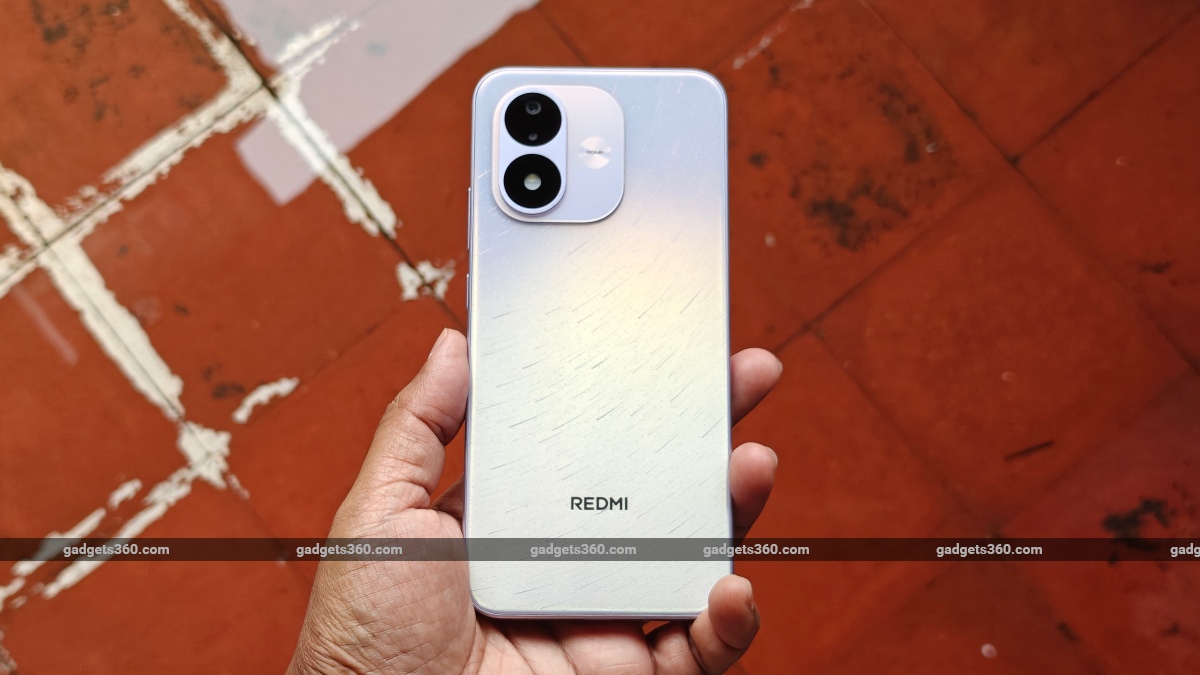
The Redmi Note 17 is currently priced from Rs 27,999 in India
Click Here to Add Gadgets360 As A Trusted Source

Advertisement
Keeping in mind how drastically the memory crisis is impacting budget and mid-range smartphones in 2026, it remains to be seen how Xiaomi's humble Redmi Note (once a budget smartphone) still manages to deliver value. Like all smartphones announced this year, Xiaomi too has hiked the price of its Redmi Note 17 because of the rising cost of memory, but it does not appear as brutal on paper as we expected. In terms of upgrades, the Redmi Note 17 gets a bigger display, an updated processor and a new-age, high-capacity battery. But after using it for a week, we discovered some other deductions that will surprise you.
Redmi Note 17 Design: Odd and Interesting
- Dimensions - 169.70 x 79.14 x 8.4mm
- Weight - 225g
- Durability - IP65 (dust and water)
- Colourways - Arctic Blue, Starlight Purple, Dark Night
The Redmi Note 17 has seen a complete design revamp. The phone has a slimmer silhouette but is weirdly thicker than the previous model. The overall design has parted ways from the curved-edge display and rear panel in favour of a flatter design. We do like the dazzling effects of the new texture, which are visible when viewed at an angle.
The flat rear panel does not attract fingerprints because of its matte (and flat) finish, but this also makes it slippery. The lightly curved edges of this rear panel make the large phone more comfortable to hold. Xiaomi provides a quality silicone case in the box, which solves the grip issue.
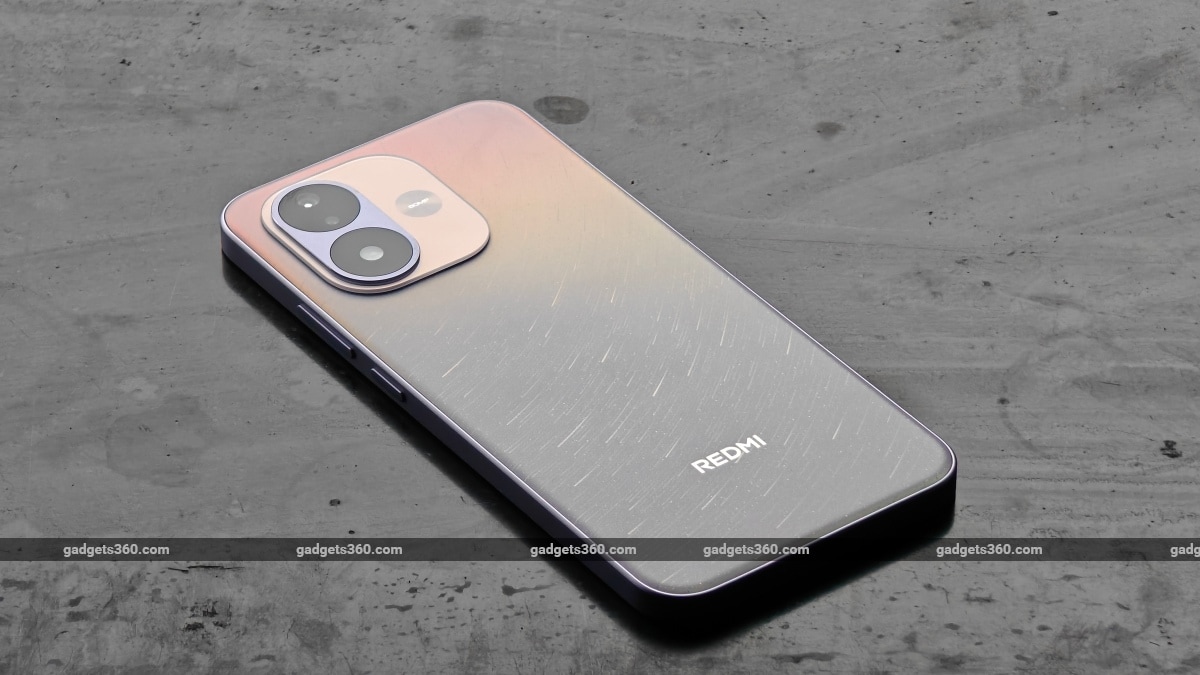
The Redmi Note 17 has a larger overall footprint compared to the Redmi Note 15
Weirdly, these design changes bring no real-world user benefits and are only skin deep. This is because the overall width of the phone has become thicker even though the camera bump does not protrude as much as the previous model. Add to this the bigger overall dimensions to accommodate the slightly bigger display, which will require two-handed usage. And finally there's the weight, which is now properly heavy, closing in at a quarter of a kilo at 225 grams. Lastly, there's also the phone's durability rating, which has been downgraded from an IP66 on the Redmi Note 15 to an IP65 on the Redmi Note 17.
Redmi Note 17 Display: A Big Deal!
- Display size - 6.9-inch, 2,396 x 1,080 pixels, FHD+
- Display type - 120Hz, LTPS OLED, 60-120Hz, 10-bit
- Display protection - Gorilla Glass 7i
Perhaps the second biggest update of the Redmi Note 17 is its display. It now has a bigger panel, and those who love to stream OTT content to their devices will be more than happy to see a Full HD+ OLED panel that produces slightly punchy colours along with deep blacks. Xiaomi has thankfully also managed to provide a Widevine L1 certification for the device, so users can enjoy Full HD playback resolution on the large display. The panel also supports DC dimming and PWM so you can enjoy viewing content in dim lighting as well.
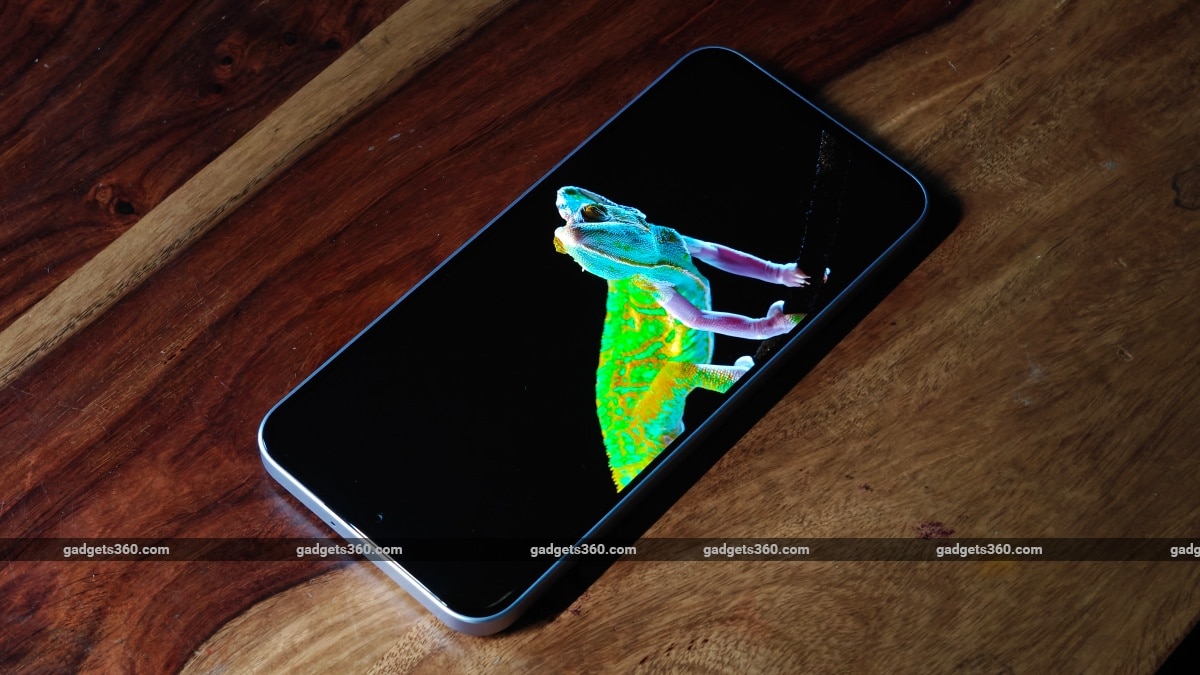
We love the deep blacks that the 10-bit OLED panel produces
The brightness levels are sufficient to get work done but cannot handle bright outdoor conditions for comfortable viewing. There's just one bottom-firing speaker, and it produces sound that's loud enough for calls and watching content, but it does not sound as immersive as a stereo speaker setup. It also lacks bass and is very treble-heavy. Indeed, a dual speaker system would have got the job done nicely for a portable media consumption device.
Redmi Note 17 Software: Typical
- Android version - 16
- Software - HyperOS 3
- Software commitment - 4 years OS + 6 years SMRs
HyperOS 3 provides all the necessary customisation options, and users can tap into its Theme Store for a sea of themes, icons, widgets and fonts. I also liked the lockscreen themes, which can be infinitely customised with different layers. Also available are some basic AI tools and the usual Gemini AI tools baked into Google's bouquet of apps.
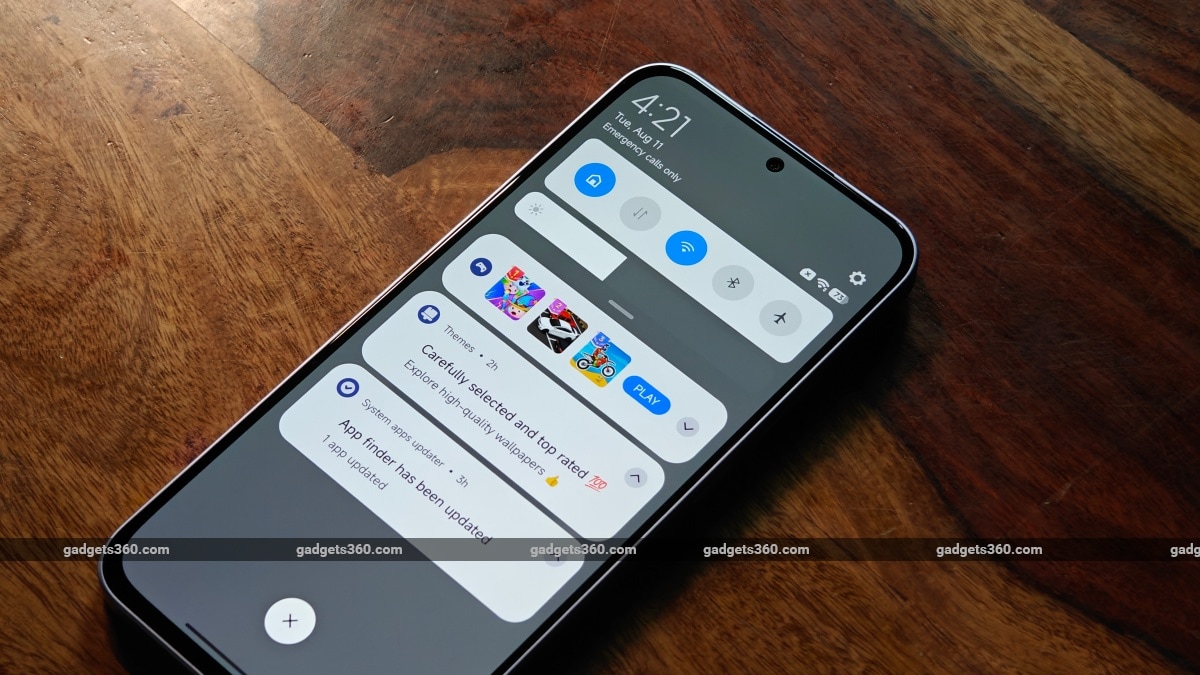
Be prepared for tons of spammy notifications on the Redmi Note 17
What is a bit annoying are the tons of preinstalled third-party apps and games. Most of these can be uninstalled, save for the Indus Store app, which, along with the Theme Store and Game Centre apps, sends out a lot of spammy notifications. Thankfully, these notifications can be turned off in Settings. I was also greeted by an ad in the File Manager app several times.
Redmi Note 17 Performance: Notable Compromises
- Processor - Qualcomm Snapdragon 4 Gen 4, 2.3GHz (4nm)
- RAM - 6 / 8GB (LPDDR4X)
- Storage - 128GB (UFS 2.2)
- MicroSD card expansion - 2TB
What is quite obvious from the above bullet points is that the Redmi Note 17 is only being sold in a 128GB storage variant. This may be a deal breaker for many. Now, Xiaomi has been a bit smart here and left the storage decision to the consumer by offering a hybrid SIM tray that can also accommodate a microSD card of up to 2TB. Storage, as we all know, isn't cheap these days. You can use external storage for photos and video, but internal storage is what really matters on Android phones, especially when it comes to local app backups.
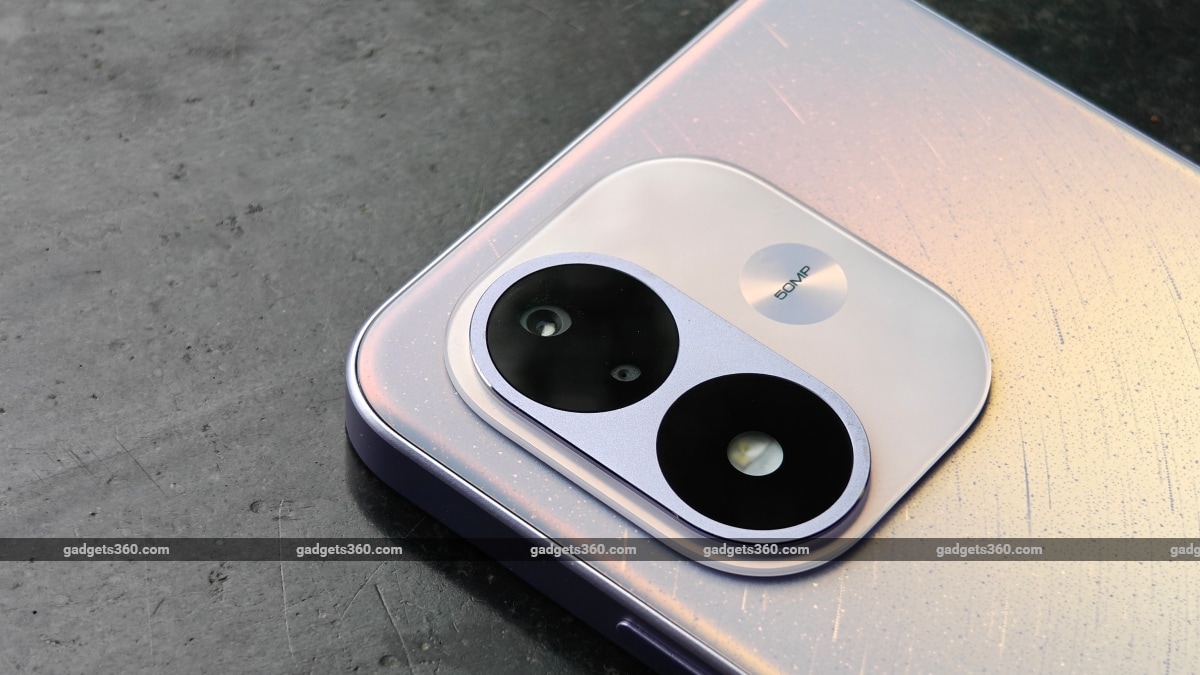
The Redmi Note 17 has a single user-accessible rear-facing camera that does not perform as expected
Secondly, if you are a dual-SIM user, you will have to choose between more storage and your second SIM card. You also have to keep in mind that you don't get 128GB of free storage available out of the box, as the firmware (and system) also takes up about 20GB of space. Add to this the virtual RAM expansion system that also eats into a few GBs for smoother multitasking performance if you happen to get a variant with less RAM. Since we received a unit with 8GB of RAM for review, the feature was turned off by default and stability was good with more than enough apps remaining in memory. App restarts were rare.
However, there is noticeable stuttering when browsing through Google and third-party apps. The stuttering is particularly noticeable when swiping right from the homescreen to check out Google's Discover Feed. Weirdly, this isn't the case with the default launcher and native apps from Xiaomi, all of which run smoothly.
Qualcomm's Snapdragon 4 Gen 4 is actually an entry-level chipset, but given the current situation, I'm not surprised to see it make its way into a mid-range device. Indeed, we cannot expect mid-range performance from such a chipset, and the numbers below reveal the same and reflect the software findings mentioned above, pointing to subpar GPU performance for a sub-Rs. 30,000 smartphone.
| Benchmarks | Redmi Note 17 | Realme P4R | Realme P4 Power |
|---|---|---|---|
| Price | Rs. 27999 | Rs. 19499 | Rs. 29,999 |
| Display resolution | FHD+ | HD+ | FHD+ |
| Chipset | Snapdragon 4 Gen 4 | Dimensity 6300 (6nm) | Dimensity 7400 Ultra (4nm) |
| AnTuTu v10 | 5,88,352 (Lite) | 6,24,528 (Lite) | 10,36,008 |
| PCMark Work 3.0 | 10,852 | 9,863 | 13,707 |
| Geekbench 6 Single | 897 | 782 | 1,053 |
| Geekbench 6 Multi | 2,178 | 1,988 | 2,971 |
| Geekbench 7 Single | 784 | NA | NA |
| Geekbench 7 Multi | 1,231 | NA | NA |
| Geekbench AI CPU (Quantized) | 992 | 1,058 | 2,077 |
| Geekbench AI GPU (Quantized) | 270 | 489 | 662 |
| 3DM Wild Life | 769 | 1,389 | 3,689 |
| 3DM Wild Life Unlimited | 774 | 1,366 | 3,650 |
| 3DM Steel Nomad Light | NA | NA | 410 |
Despite its poor GPU performance in benchmark tests, I tried playing some Call of Duty: Mobile (CODM). The Redmi Note 17 defaulted to Medium graphics and Max frame rate settings with all other effects greyed out. The game at these default settings is playable. You can bump up the graphics to High, but then you will have to settle for High frame rate (instead of Max). But you do get access to effects like anti-aliasing, shadows and ragdoll, which should make the game appear more visually appealing. However, it all comes at the cost of performance, as the game is unplayable at High settings with very choppy frame rates. The audio does not sound immersive either, and the touch sampling rate felt a bit sluggish for FPS games.
Redmi Note 17 Cameras: Entry-Level Stuff
- Primary camera - 50-megapixel, f/1.8, AF
- Selfie camera - 8-megapixel, f/2.0
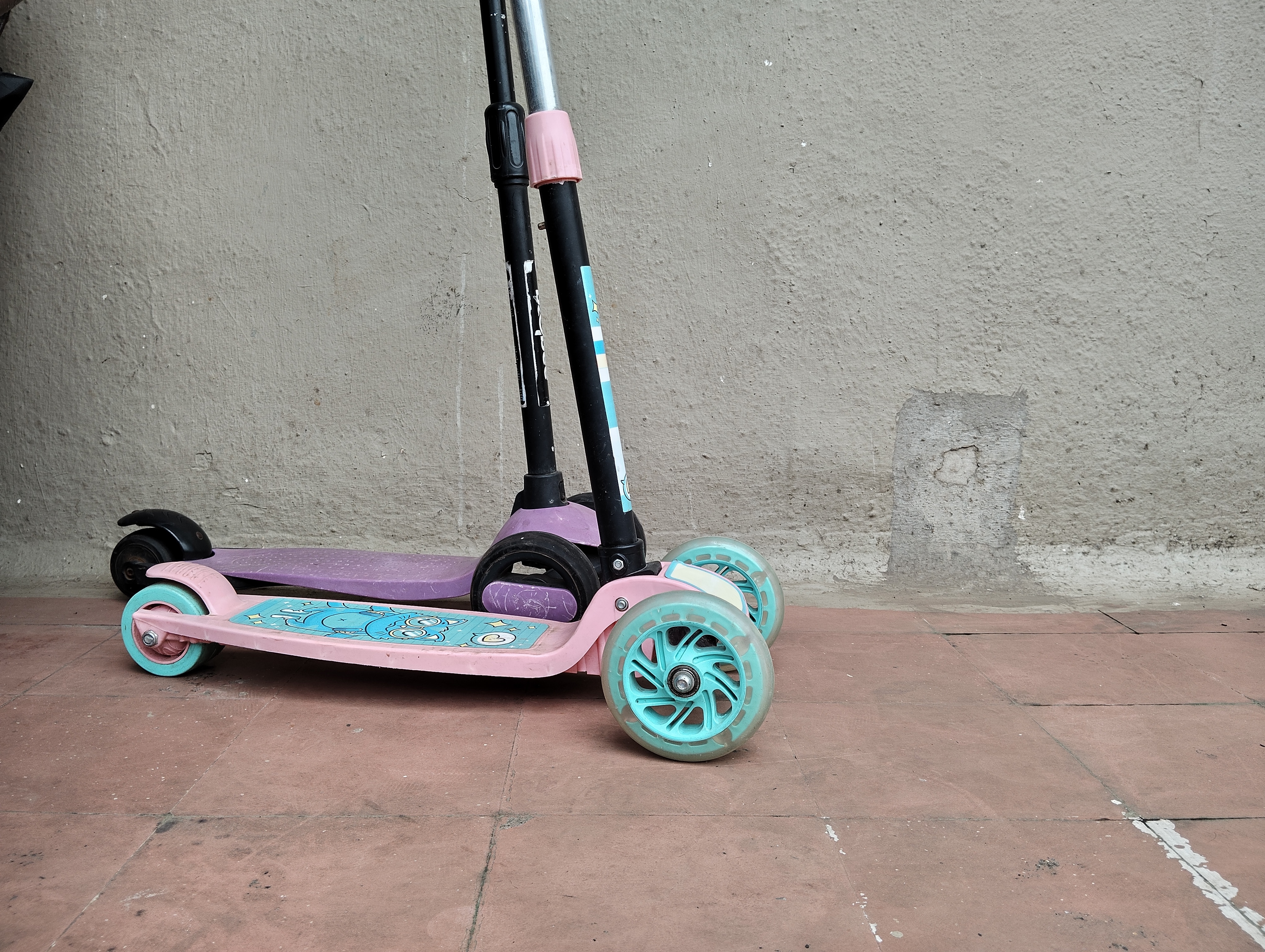
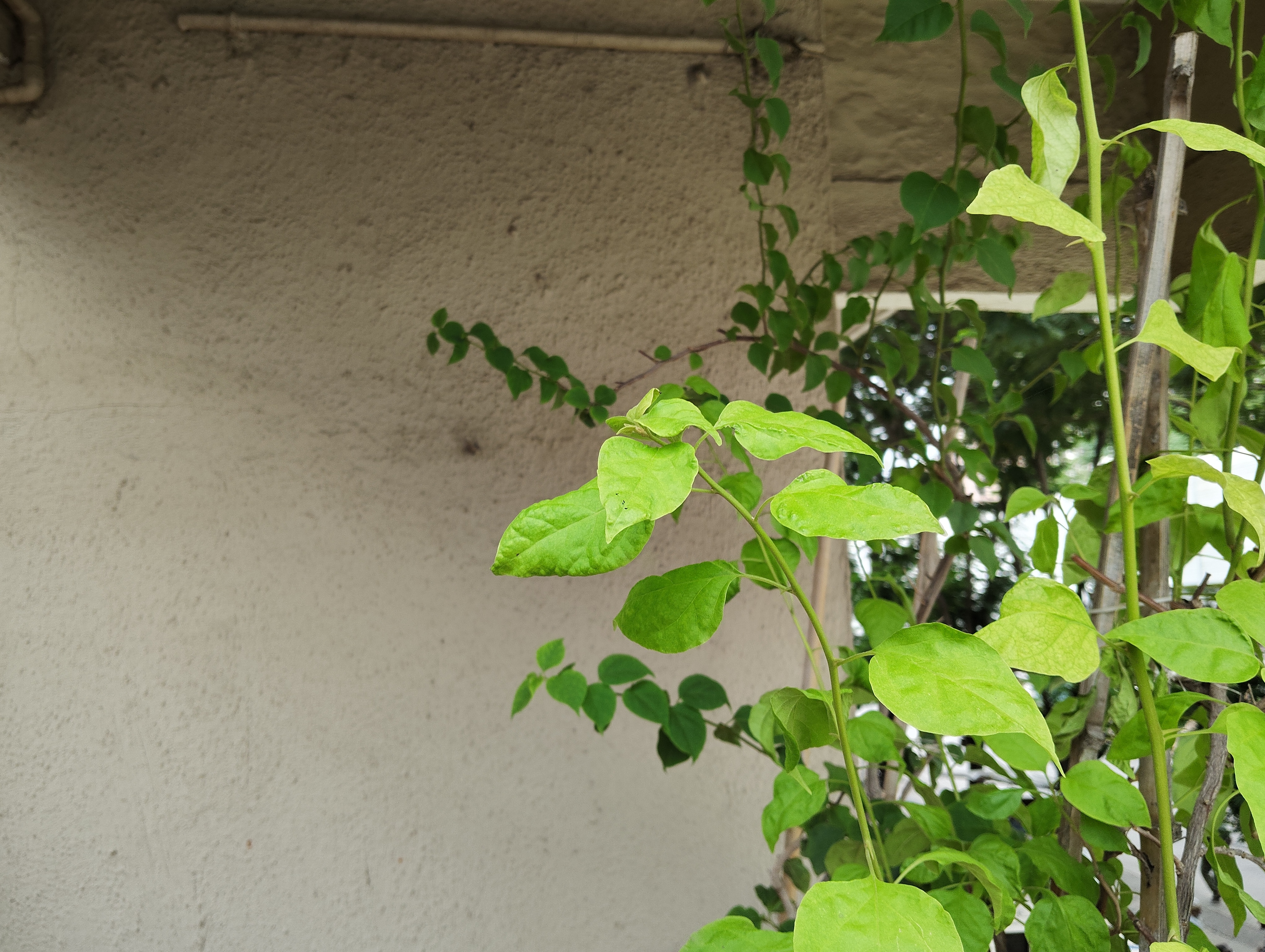
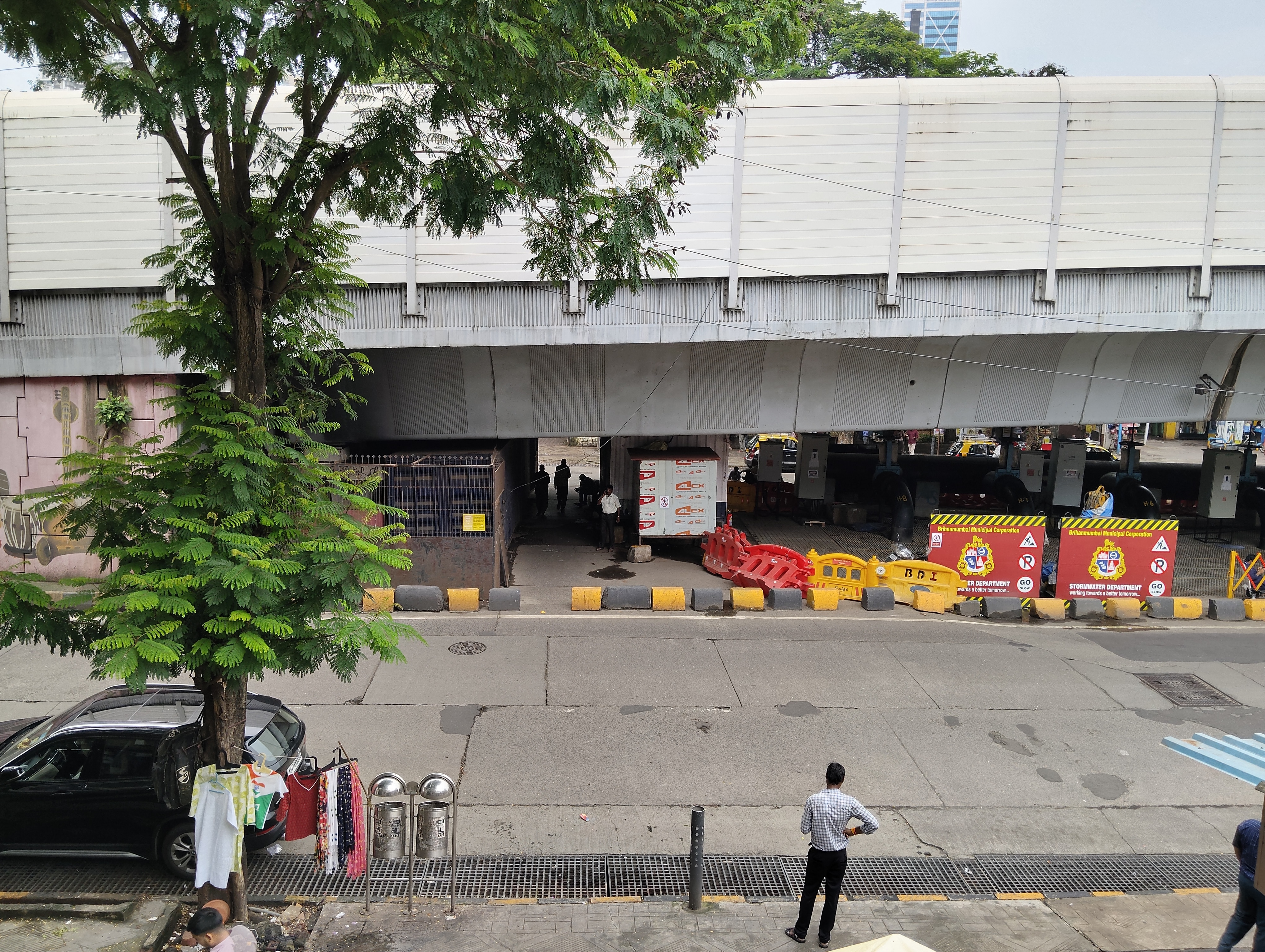

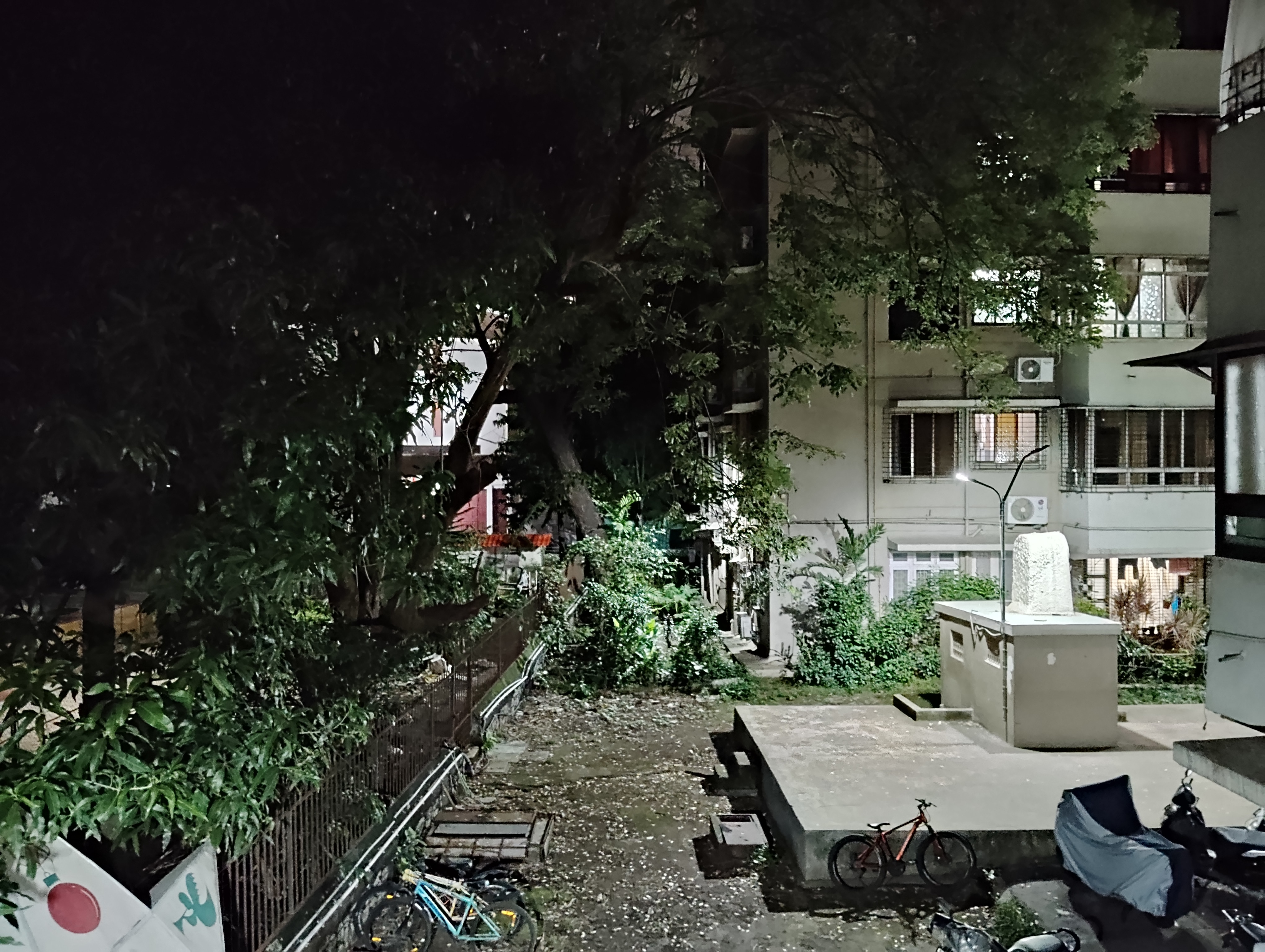
Redmi Note 17 primary camera samples (tap images to expand)
The Redmi Note 17 has a bare-bones camera system for a mid-range device. With just one rear camera (the second one being a depth sensor), we did not expect wonders. The primary camera shoots binned 12-megapixel images, which are subpar for a device that's priced this high. Photos captured in daylight don't show good dynamic range, meaning a lot of detail is lost in the shadows and the brighter parts of the image. Resolved detail is on the lower side, as well. The camera is a bit slow to focus even in daylight, and this becomes more evident in low-light shooting scenarios. Low-light photos simply aren't usable, and we have seen better image quality from more affordable budget smartphones.
Portrait mode photos appear a bit washed out and lack the necessary contrast and dynamic range. Details are on the lower side as well. Brighter backgrounds are blown out in this mode and will mostly appear white.


Redmi Note 17 selfie camera samples (tap images to expand)
Selfies captured in daylight are quite bad as they lack the necessary detail and sufficient dynamic range. Low-light selfies come out quite soft, lack detail and appear flat.
We were quite disappointed to see 1080p @30 fps as the maximum video recording resolution on a sub-Rs. 30,000 smartphone. Since the camera system lacks both Electronic and Optical Image Stabilisation (EIS and OIS), video captured in daylight appears quite shaky when walking and panning. It's very hard to get non-shaky, stable footage unless you have really still hands that work like a gimbal. In terms of quality, the colours are fine even though they appear a bit saturated. Details could have been better. Low-light video appears a bit washed out, lacking contrast and detail. Noise is surprisingly under control, but it comes at the cost of reduced detail.
Redmi Note 17 Battery: The Good Stuff
- Battery capacity - 8,000mAh, li-ion (Si-C)
- Wired charging - 45W
- Charger in the box - Yes
The high-capacity silicon-carbon battery has been slowly making its way into the budget segment these days, so it's no surprise to see one in the Redmi Note in 2026. The high-capacity battery takes 1 hour and 54 minutes to complete the charge using the bundled 45W charger. Xiaomi made a smart move by pairing the large OLED panel with a power-efficient chipset and a silicon-carbon battery, which resulted in a good PC Mark Work Battery Life test score of 19 hours and 26 minutes. However, it's far from the best, as we have had plenty of devices cross the 20-hour mark.
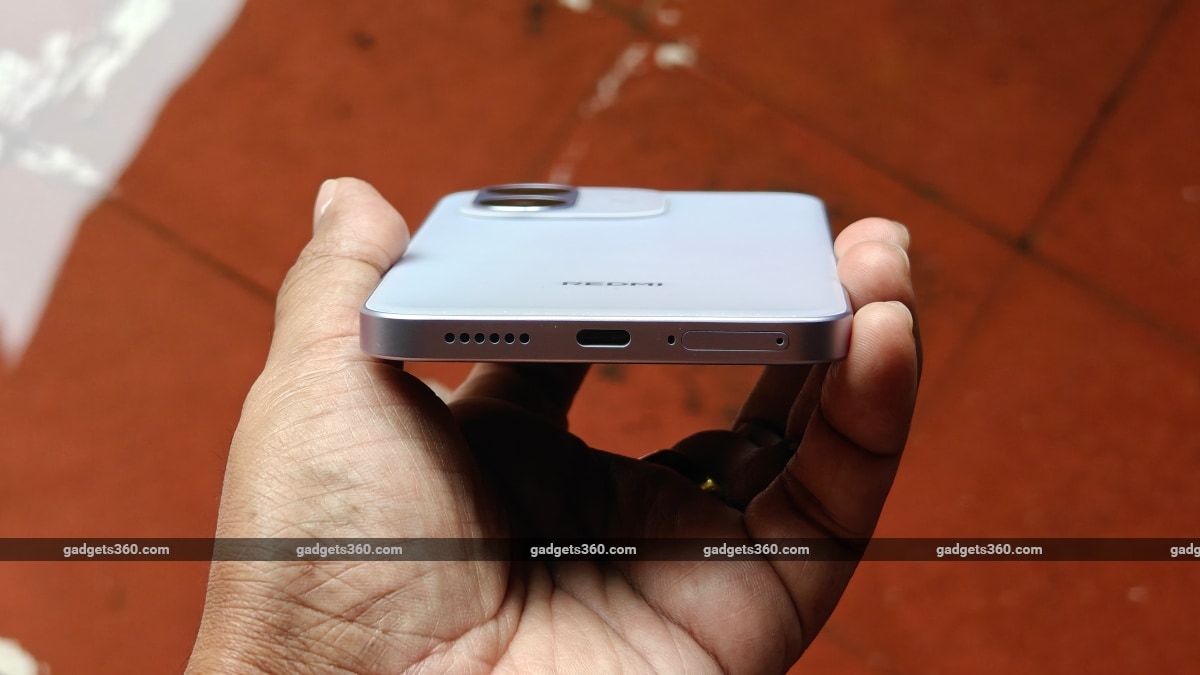
The single bottom-firing speaker sounds quite treble-heavy and lacks bass
With casual use, you can make this phone last a good two days. With heavy usage (which in this case would involve more calls, video streaming and more, you can still get a day and a half of use. Since this is a high-capacity 8,000mAh battery, every percent counts. So, you can perform a bunch of tasks even with 5 percent battery life. With my use case, 5 percent easily lasted about an hour of continuous use or about 15-20 minutes of intense CODM gaming till it died out.
Redmi Note 17 Verdict
At its current price of Rs. 27,999 (for the 6+128GB variant), it is not an easy recommendation. Those looking for a basic smartphone with a big battery and a big display are most welcome to get one, but get ready to see major compromises in cameras, performance, and storage. Also, if a big battery is all you need, there are more affordable devices (Realme P4R) in the budget segment that deliver the same at a much lower price and even offer slightly better performance.
The most noticeable downgrade is in the camera and memory department. And given that you are paying upwards of Rs. 25,000, you kind of expect basic performance and at least 4K 30 fps video or even OIS at this price point. It's unclear why Xiaomi decided to prioritise the battery and display and lost out on the camera in the bargain. We get that memory is expensive, but going down the microSD card route will be a deal-breaker for many buyers, especially given that this is a mid-range smartphone and not a budget device anymore.
If you are looking for a smartphone with a big battery and a big display, the Realme P4 Power instantly comes to mind. Priced from Rs. 29,999, power-bank-sized 10,001mAh battery that comes in a slightly thicker package for obvious reasons. However, unlike the underpowered Redmi Note 17, it does pack in quite the mid-range punch. It also has two rear-facing cameras, making for a sweeter deal. If you are looking for something more attractive, Motorola's Edge 70 Fusion at a slightly higher Rs. 30,999 should check all the boxes on your list.
- REVIEW
- KEY SPECS
- NEWS
- Good
- Bright and punchy OLED display
- IP65-rated design
- Good battery life
- Bad
- Heavy, two-handed design
- Software interface stutters randomly
- Plenty of presintalled apps and games
- Poor GPU performance
- Single bottom-firing speaker
- Single 128GB storage variant
- Hybrid SIM card tray for SD card expansion
- Maximum 1080p 30 fps video recording
Read detailed Redmi Note 17 5G review
Display 7.00-inch
Processor Snapdragon 4 Gen 4
Front Camera 8-megapixel
Rear Camera 50-megapixel
RAM 6GB, 8GB
Storage 128GB
Battery Capacity 8000mAh
OS Android 16
Resolution 1080x2396 pixels
Comments
Get your daily dose of tech news, reviews, and insights, in under 80 characters on Gadgets 360 Turbo. Connect with fellow tech lovers on our Forum. Follow us on X, Facebook, WhatsApp, Threads and Google News for instant updates. Catch all the action on our YouTube channel.
Further reading:
Redmi Note 17 5G, Xiaomi Redmi Note 17 5G, Redmi Note 17 Specifications, Redmi Note 17 Design, Redmi Note 17 Price in India, Redmi Note 17 Display, Redmi Note 17 Software, Redmi Note 17 Performance, Redmi Note 17 Cameras, Redmi Note 17 Battery
Related Stories


Advertisement
Follow Us




-
![[Sponsored] Samsung Galaxy Z Fold8, Fold8 Ultra](https://www.gadgets360.com/static/desktop/images/spacer.png)
00:21
[Sponsored] Samsung Galaxy Z Fold8, Fold8 Ultra -
03:41
[Sponsored] Samsung Galaxy Z Fold8: How It Fits Into an Actor’s Busy Day | Camera, Multitasking & More -
09:53
iPhone 18 Goes On Sale In India: Huge Crowds, Long Queues At Apple Stores -
06:32
Google Pixel 11 Pro XL Review: The Most Exciting Pixel Yet? | 120X Zoom + Tensor G6 -
05:20
Samsung Galaxy Watch Ultra 2 Review: Is This the Best Android Smartwatch?
Advertisement
Popular on Gadgets
- Samsung Galaxy S26 Ultra
- Motorola Razr Fold
- ChatGPT
- OPPO Find N6
- Mobiles Under Rs. 40,000
- Vivo X300 Ultra
- Asus Zenbook S14
- iQOO 15
- Vivo X300 Pro
- Lenovo Yoga Slim 7i Aura Edition
- iQOO 15R
- Vivo X Fold 5
- Sony PlayStation 5
- HP OmniPad 12
- OnePlus Nord CE 6 Lite
- OnePlus Pad 4
- OPPO F33 Pro 5G
- Cryptocurrency
- HP OmniBook Ultra 14 (2026)
- iPhone 17
- Eureka Forbes AP 355 Room Air Purifier
- Latest Mobile Phones
- Compare Phones
Latest Gadgets
- Vivo Y600i
- Mivi One 5G
- Xiaomi 18 Pro Max
- Motorola Signature 27
- OPPO Find X10 E
- OnePlus N6 Lite 4G
- Ai+ Nova 2 Power 5G
- Lava Virat Curve 5G
- Microsoft Surface Laptop, 13-inch (2nd Edition)
- Lenovo LOQ 15AHP11
- Microsoft Surface Pro, 12-inch (2nd Edition)
- Xiaomi Pad 9 Pro
- Amazfit T-Rex Dual Solar
- OPPO Watch S2
- Haier M70 Mini LED 65-inch
- Xiaomi TV FX Mini LED 65
- Acer Predator Atlas 8
- Asus ROG Ally
- Blue Star 1.5 Ton 5 Star Inverter Split AC (IE518ZNURS)
- Blue Star 2 Ton 3 Star Inverter Window AC (WIE324L)

- About Us
- Sitemaps
- Feedback
- Archives
- Contact Us
- RSS
- Advertise
- Career
- Privacy Policy
- Ethics
- Editorial Policy
- Terms & Conditions
- Complaint Redressal
Download Our Apps
Available in Hindi
© Copyright Red Pixels Ventures Limited 2026. All rights reserved.