-
 OnePlus Community Sale Brings Offers on OnePlus 15, OnePlus Nord 6, OnePlus Pad 4 and More5 June 2026
 -
OnePlus Pad Model With Compact OLED Display to Launch in India Soon, Tipster Claims25 May 2026
-
OnePlus Pad 4 With Snapdragon 8 Elite Gen 5 SoC, Android 16 Goes on Sale in India: Price, Specifications5 May 2026
-
OnePlus Summer Sale: Deals on OnePlus 15, OnePlus 13, OnePlus Pad 4 and More Announced5 May 2026
-
OnePlus Pad 4 Review: Big Screen, Bigger Ambitions5 May 2026
- Home
- Tablets
- Tablets Features
- OnePlus Pad 4 vs Samsung Galaxy Tab S10 FE+ vs iPad Air (2026): Price in India, Specifications Compared
OnePlus Pad 4 vs Samsung Galaxy Tab S10 FE+ vs iPad Air (2026): Price in India, Specifications Compared
Here’s a price and specifications-based comparison of the OnePlus Pad 4, Samsung Galaxy Tab S10 FE+, and iPad Air (2026).
Written by Dhruv Raghav, Edited by David Delima | Updated: 3 May 2026 17:00 IST
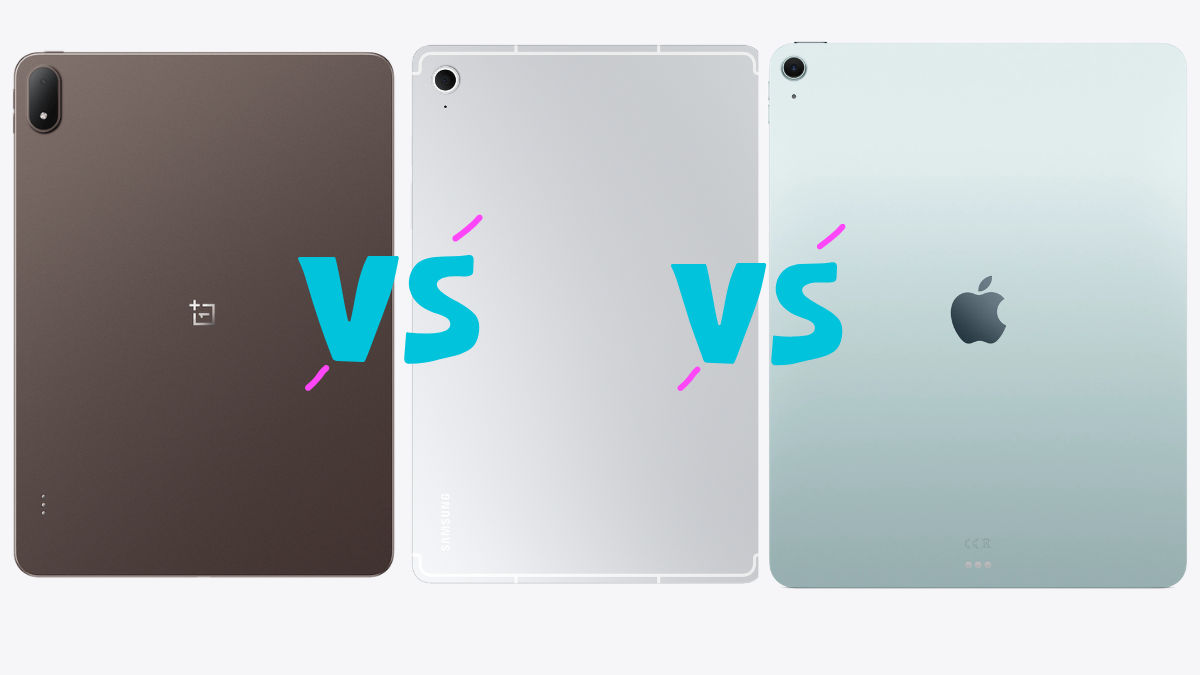
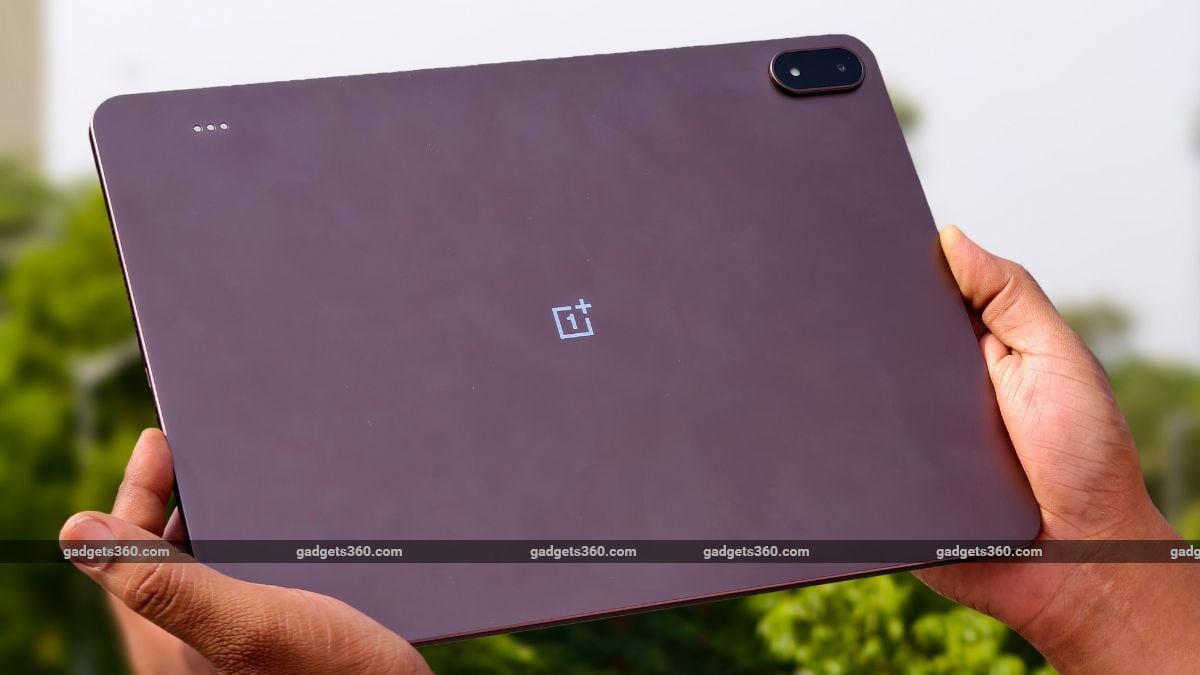
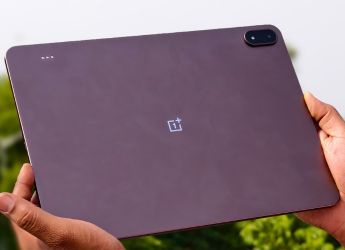
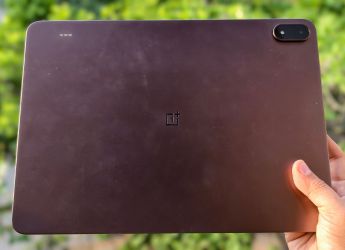
OnePlus Pad 4 (left) features a 13-megapixel rear camera
Click Here to Add Gadgets360 As A Trusted Source

Advertisement
Smartphones have become an important part of our daily lives, as most people keep them on their person most of the time. However, they are meant to serve all our entertainment and work needs. This is where tablets come in handy, which feature larger displays. Users have also tried replacing their laptops with tablets because of their relatively thin form factor. Companies, in recent times, have also started equipping their tablets with powerful chipsets, bringing flagship-level performance. The OnePlus Pad 4 and iPad Air (2026) models come with the powerful Snapdragon 8 Elite Gen 5 and M4 chipsets, making them great options for official work and content consumption.
If you are looking for a new tablet for yourself under Rs. 65,000, we are comparing the price in India and key specifications of the OnePlus Pad 4, Samsung Galaxy Tab S10 FE+, and iPad Air (2026) to help you make an informed buying decision.
OnePlus Pad 4 vs Samsung Galaxy Tab S10 FE+ vs iPad Air (2026): Price in India
OnePlus Pad 4: OnePlus' latest flagship tablet was launched in India on Thursday at a starting price of Rs. 59,999 for the base variant, featuring 8GB of RAM and 256GB of storage. Meanwhile, the top-of-the-line 12GB + 512GB RAM and storage configuration is priced at Rs. 64,999.
Samsung Galaxy Tab S10 FE+: The Samsung Galaxy Tab S10 FE+ was launched in India April 2025. The tablet currently retails at Rs. 61,999 for the base 8GB + 128GB option, while the variant offering 12GB of RAM and 256GB of storage costs Rs. 72,999.
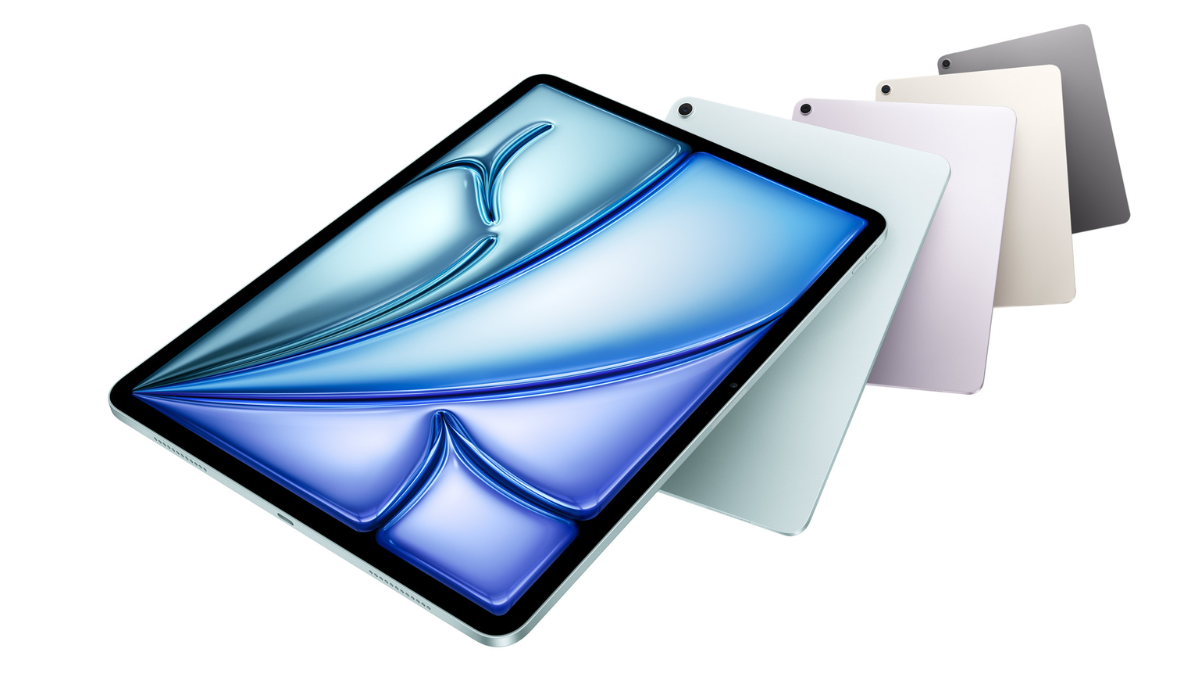
iPad Air (2026): The 11-inch iPad Air (2026) was launched in India in March at a starting price of Rs. 64,900 for the base 128GB storage variant. Meanwhile, the higher-end 256GB and 512GB storage options arrived at Rs. 74,900 and Rs. 94,900, respectively. Lastly, the top-end 1TB storage configuration debuted at Rs. 1,14,900.
OnePlus Pad 4 vs Samsung Galaxy Tab S10 FE+ vs iPad Air (2026): Display, Dimensions
OnePlus Pad 4: The tablet sports a 13.2-inch 3.4K (3,392 x 2,400 pixels) 12-bit LCD screen, delivering up to 144Hz of refresh rate, Dolby Vision support, and up to 1,000 nits peak brightness. It measures 289.71x209.76x5.94mm and weighs about 672g.
Samsung Galaxy Tab S10 FE+: On the other hand, the Galaxy Tab S10 FE+ features a 13.1-inch WUXGA+ (2,304 x 1,440 pixels) TFT LCD screen, offering up to 90Hz refresh rate, up to 800 nits peak brightness level, and Vision Booster support. It measures 300.6x194.7x6mm and weighs about 664g.

iPad Air (2026): Apple's new iPad Air (2026) sports up to a 13-inch (2,732x2,048 pixels) Liquid Retina IPS display, with 264 ppi pixel density, up to 600 nits of peak brightness, P3 wide colour gamut, a fingerprint-resistant oleophobic coating, and an anti-reflective coating. The tablet measures 280.60x214.9x6.1mm and weighs about 610g.
OnePlus Pad 4 vs Samsung Galaxy Tab S10 FE+ vs iPad Air (2026): Performance, OS
OnePlus Pad 4: The OnePlus Pad 4 is powered by a 3nm octa core Snapdragon 8 Elite Gen 5 chipset from Qualcomm, along with up to 12GB of LPDDR5x RAM and up to 512GB of UFS 4.1 onboard storage. The tablet runs on Android 16-based OxygenOS 16.
Samsung Galaxy Tab S10 FE+: The Samsung Galaxy S10 FE+ is equipped with Samsung's Exynos 1580 chipset, along with up to 12GB of RAM and up to 256GB of internal storage. The tablet ships with Android 15-based One UI 7, upgradable to Android 16-based One UI 8.
iPad Air (2026): Apple's M4 chip, which features an eight-core CPU with three performance cores and five efficiency cores, a nine-core GPU, a 16-core Neural Engine, and hardware-accelerated ray tracing, powers the latest iPad Air (2026). The tablet ships with iPadOS 26.
OnePlus Pad 4 vs Samsung Galaxy Tab S10 FE+ vs iPad Air (2026): Battery, Camera
OnePlus Pad 4: The OnePlus Pad 4 is backed by a 13,380mAh battery with support for 80W wired fast charging. It features a single 13-megapixel camera on the back and an 8-megapixel selfie shooter on the front.
Samsung Galaxy Tab S10 FE+: Samsung's Fan Edition tablet packs a 10,090mAh battery with support for 45W wired fast charging. It carries a 13-megapixel rear camera, along with a 12-megapixel camera at the front for selfies and video calls.
iPad Air (2026): Apple's new thin and light iPad Air (2026) boasts a 36.59Wh battery, which is claimed to offer up to 10 hours of web browsing on Wi-Fi and up to 10 hours of video playback. It features a 12-megapixel camera on the back, along with a 12-megapixel camera on the front, which supports Center Stage.
OnePlus Pad 4 vs Samsung Galaxy Tab S10 FE+ vs iPad Air (2026): Which One Should You Buy?
To conclude, the three tablets mentioned above feature large displays and high-capacity batteries. However, if you already use multiple Apple devices, the iPad Air (2026) becomes an obvious choice because of its seamless integration with the iPhone, Apple Watch, and AirPods models. However, if you want an Android tablet with a flagship Snapdragon chipset, a large battery, and a high-resolution display, the OnePlus Pad 4 would be a better option. While the Samsung Galaxy Tab S10 FE+ is a few months older than the other two tablets, you can still consider it for its relatively lower price tag.
FAQs
1. Which tablet offers the best ecosystem integration?
Apple's iPad Air (2026) is generally said to offer the best ecosystem support if you have other Apple devices. However, the OnePlus Pad 4 and Samsung Galaxy Tab S10 FE+ also claim to offer seamless integration with Android devices.
2. Which chipset is used in the OnePlus Pad 4?
The OnePlus Pad 4 features the flagship octa core Snapdragon 8 Elite Gen 5 SoC from Qualcomm, which is built on a 3nm process.
3. What is the battery capacity of the Samsung Galaxy S10 FE+?
The Samsung Galaxy Tab S10 FE+ packs a 10,090mAh battery with support for 45W wired fast charging.
OnePlus Pad 4 vs Apple iPad Air 11-Inch (2026) Wi-Fi vs Samsung Galaxy Tab S10 FE+ comparison

|

|

|
|
| Ratings | |||
| Overall NDTV Rating | - | - | |
| Design Rating | - | - | |
| Display Rating | - | - | |
| Software Rating | - | - | |
| Performance Rating | - | - | |
| Battery Life Rating | - | - | |
| Camera Rating | - | - | |
| Value for Money Rating | - | - | |
| Key Specs | |||
| Display | 13.20-inch | 11.00-inch | 13.10-inch |
| Processor | Snapdragon 8 Elite Gen 5 | Apple M4 | - |
| Front Camera | 8-megapixel | 12-megapixel | 12-megapixel |
| Resolution | 3392x2400 pixels | 2360x1640 pixels | 1440x2304 pixels |
| RAM | 8GB | 12GB | 8GB |
| OS | Android 16 | iPadOS 26 | Android 15 |
| Storage | 256MB | 128GB | 128GB |
| Rear Camera | 13-megapixel | 12-megapixel | 13-megapixel |
| Battery Capacity | 13380mAh | - | 10090mAh |
| GENERAL | |||
| Brand | OnePlus | Apple | Samsung |
| Model | Pad 4 | iPad Air 11-Inch (2026) Wi-Fi | Galaxy Tab S10 FE+ |
| Release date | April 30, 2026 | March 2, 2026 | April 2, 2025 |
| Launched in India | Yes | Yes | Yes |
| Dimensions (mm) | 289.71 x 209.76 x 5.94 | 247.60 x 178.50 x 6.10 | 300.60 x 194.70 x 6.00 |
| Weight (g) | 672.00 | 460.00 | 664.00 |
| Battery capacity (mAh) | 13380 | - | 10090 |
| Removable battery | No | No | - |
| Colours | Dune Glow, Sage Mist | Blue, Purple, Space Grey, and Starlight | Grey, Light Blue, Silver |
| DISPLAY | |||
| Screen size (inches) | 13.20 | 11.00 | 13.10 |
| Resolution | 3392x2400 pixels | 2360x1640 pixels | 1440x2304 pixels |
| Pixels per inch (PPI) | 315 | 264 | - |
| HARDWARE | |||
| Processor | octa-core | octa-core | - |
| Processor make | Snapdragon 8 Elite Gen 5 | Apple M4 | Exynos 1580 |
| RAM | 8GB | 12GB | 8GB |
| Internal storage | 256MB | 128GB | 128GB |
| Expandable storage | No | No | Yes |
| Expandable storage type | - | - | microSD |
| Expandable storage up to (GB) | - | - | 2000 |
| CAMERA | |||
| Rear camera | 13-megapixel | 12-megapixel | 13-megapixel |
| Front camera | 8-megapixel | 12-megapixel | 12-megapixel |
| Rear flash | - | No | - |
| SOFTWARE | |||
| Operating system | Android 16 | iPadOS 26 | Android 15 |
| Skin | OxygenOS 16 | - | One UI 7 |
| CONNECTIVITY | |||
| USB Type-C | Yes | Yes | Yes |
| Bluetooth | Yes | Yes | Yes |
| Bluetooth version | 6.00 | 6.00 | 5.30 |
| Number of SIMs | - | - | 2 |
| SENSORS | |||
| Accelerometer | - | Yes | Yes |
| Ambient light sensor | - | Yes | Yes |
| Barometer | - | Yes | - |
| Fingerprint sensor | - | Yes | Yes |
| Gyroscope | - | Yes | Yes |
| Compass/ Magnetometer | - | - | Yes |
| SIM 1 | |||
| SIM Type | - | - | Nano-SIM |
| SIM 2 | |||
| SIM Type | - | - | eSIM |
Comments
Get your daily dose of tech news, reviews, and insights, in under 80 characters on Gadgets 360 Turbo. Connect with fellow tech lovers on our Forum. Follow us on X, Facebook, WhatsApp, Threads and Google News for instant updates. Catch all the action on our YouTube channel.
Further reading:
OnePlus Pad 4, Samsung Galaxy Tab S10 FE Plus, iPad Air 2026, OnePlus, Samsung, Apple, OnePlus Pad 4 Price in India, Samsung Galaxy Tab S10 FE Plus Price in India, iPad Air 2026 Price in India, OnePlus Pad 4 Specifications, Samsung Galaxy Tab S10 FE Plus Specifications, iPad Air 2026 Specifications, OnePlus Pad 4 vs Samsung Galaxy Tab S10 FE Plus vs iPad Air 2026
Related Stories

OnePlus Pad 4 vs Samsung Galaxy Tab S10 FE+ vs iPad Air (2026): Price in India, Specifications Compared


Advertisement
Follow Us




-
05:20
Samsung Galaxy Watch Ultra 2 Review: Is This the Best Android Smartwatch? -
07:01
Samsung Galaxy Z Fold 8 Review: Is This the Best Foldable Phone? -
06:39
Samsung Galaxy Z Fold8 Ultra Review: Cameras, Battery, Performance Tested -
04:33
[Sponsored] JBL Live 780NC: Great Sound, Perfect Comfort, Smart ANC & 80-Hour Battery -
12:04
[Partner Content] OPPO Reno16 Series Deep Dive: Built for Creators?
Advertisement
Popular on Gadgets
- Samsung Galaxy S26 Ultra
- Motorola Razr Fold
- ChatGPT
- OPPO Find N6
- Mobiles Under Rs. 40,000
- Vivo X300 Ultra
- Asus Zenbook S14
- iQOO 15
- Vivo X300 Pro
- Lenovo Yoga Slim 7i Aura Edition
- iQOO 15R
- Vivo X Fold 5
- Sony PlayStation 5
- HP OmniPad 12
- OnePlus Nord CE 6 Lite
- OnePlus Pad 4
- OPPO F33 Pro 5G
- Cryptocurrency
- HP OmniBook Ultra 14 (2026)
- iPhone 17
- Eureka Forbes AP 355 Room Air Purifier
- Latest Mobile Phones
- Compare Phones
Latest Gadgets
- iPhone Duo
- OPPO A7 Pro
- Huawei Mate XT 2 Ultimate Design
- Realme 16 Pro Harry Potter Edition
- Samsung Galaxy A07s
- Huawei Pura X View
- Tecno Camon Slim 5G
- iQOO Z11xa
- Acer Aspire G 3D 16
- Acer Swift Air 16 (2026)
- Xiaomi Pad 9 Pro
- Xiaomi Pad 9
- Apple Watch Ultra 4
- Apple Watch Series 12
- Haier M70 Mini LED 65-inch
- Xiaomi TV FX Mini LED 65
- Acer Predator Atlas 8
- Asus ROG Ally
- Blue Star 1.5 Ton 5 Star Inverter Split AC (IE518ZNURS)
- Blue Star 2 Ton 3 Star Inverter Window AC (WIE324L)

- About Us
- Sitemaps
- Feedback
- Archives
- Contact Us
- RSS
- Advertise
- Career
- Privacy Policy
- Ethics
- Editorial Policy
- Terms & Conditions
- Complaint Redressal
Download Our Apps
Available in Hindi
© Copyright Red Pixels Ventures Limited 2026. All rights reserved.