
-
 Onimusha: Way of the Sword Sells 1 Million Copies on Day of Release8 September 2026
 -
Onimusha: Way of the Sword Release Date Moved Up to September 4 Amidst Busy Release Period2 July 2026
-
Capcom Spotlight Broadcast Announced for June 25; Onimusha: Way of the Sword to Get New Look23 June 2026
-
Onimusha: Way of the Sword Launches September 25, Playable Demo and Pre-Orders Now Live4 June 2026
-
The Game Awards 2024 Announcements: The Witcher 4, Elden Ring Nightreign, Intergalactic and More13 December 2024
- Home
- Games
- Games Reviews
- Onimusha: Way of the Sword Review: Swordplay Sorcery
Onimusha: Way of the Sword Review: Swordplay Sorcery
Onimusha: Way of the Sword brings Capcom’s long-dormant series back after nearly 20 years, but has the wait been worth it?
Written by Shaurya Tomer, Edited by Manas Mitul | Updated: 22 September 2026 10:38 IST
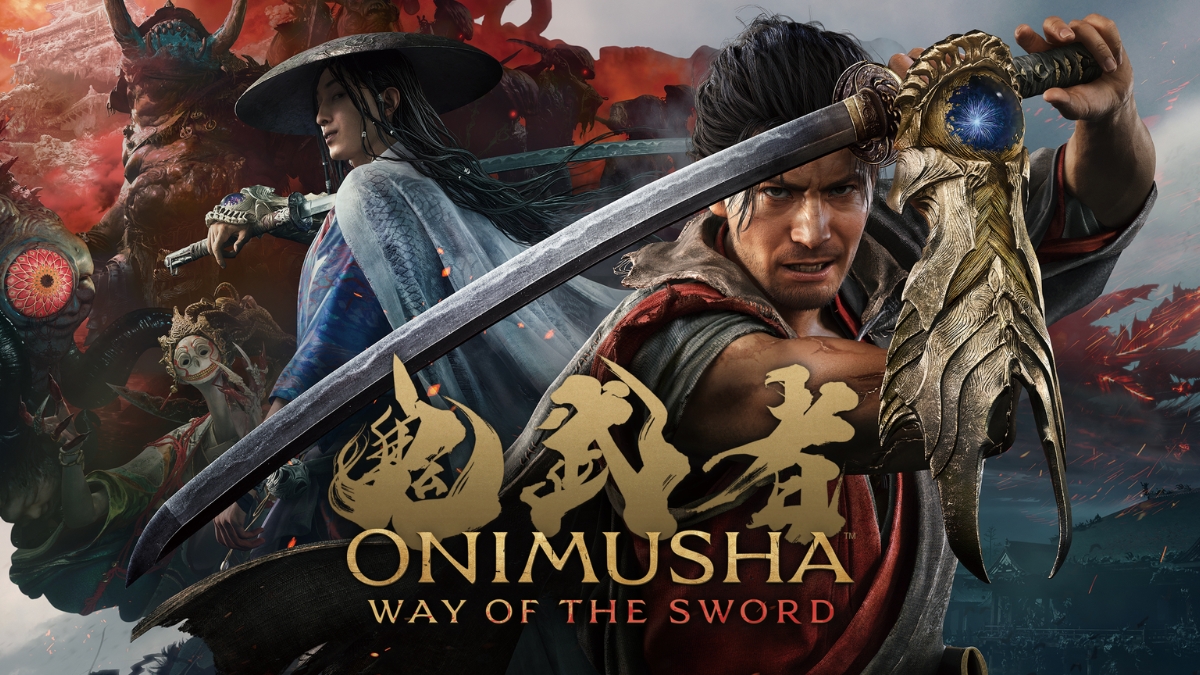
Photo Credit: Capcom
Onimusha: Way of the Sword is available on PC, PS5, Switch 2, and Xbox Series S/X
Click Here to Add Gadgets360 As A Trusted Source

Advertisement
Reviving a dormant game franchise after more than two decades is never easy. Keep too much of what made the original games work, and the new one can end up feeling stuck in the past. Go too far in the other direction, and the connection to the original series starts to feel pointless. There is also a new audience to consider, one that may have never played the games that came before. That is the balancing act Capcom has had to deal with in bringing back Onimusha: Way of the Sword, the first mainline game in the series since 2006.
Onimusha games blend Japanese history with supernatural events, placing real historic figures against monstrous beings. Onimusha: Way of the Sword takes the same approach to retell the story of renowned Japanese sword saint, Miyamoto Musashi, dropped here in an Edo-era Kyoto overrun by the supernatural Genma. During my playthrough on PS5, I had a surprisingly difficult time putting the controller down whenever the game put a sword in Musashi's hands, even if the story and exploration didn't always compel me to keep playing.
Onimusha: Way of the Sword Story and Characters
The story begins with Miyamoto Musashi in Kyoto, where the swordsman finds himself caught up in a conflict involving the Genma, the supernatural creatures that have been at the centre of the Onimusha series since its origins. He arrives with one simple ambition: to become a stronger swordsman and prove his mettle against other duelists. Things, obviously, don't stay that simple, and he finds himself with the Oni Gauntlet attached to his arm, even though he isn't the most thrilled about it. For someone who would much rather rely on his blade, Musashi spends a surprising amount of time figuring out what to do with this very strange new advantage.
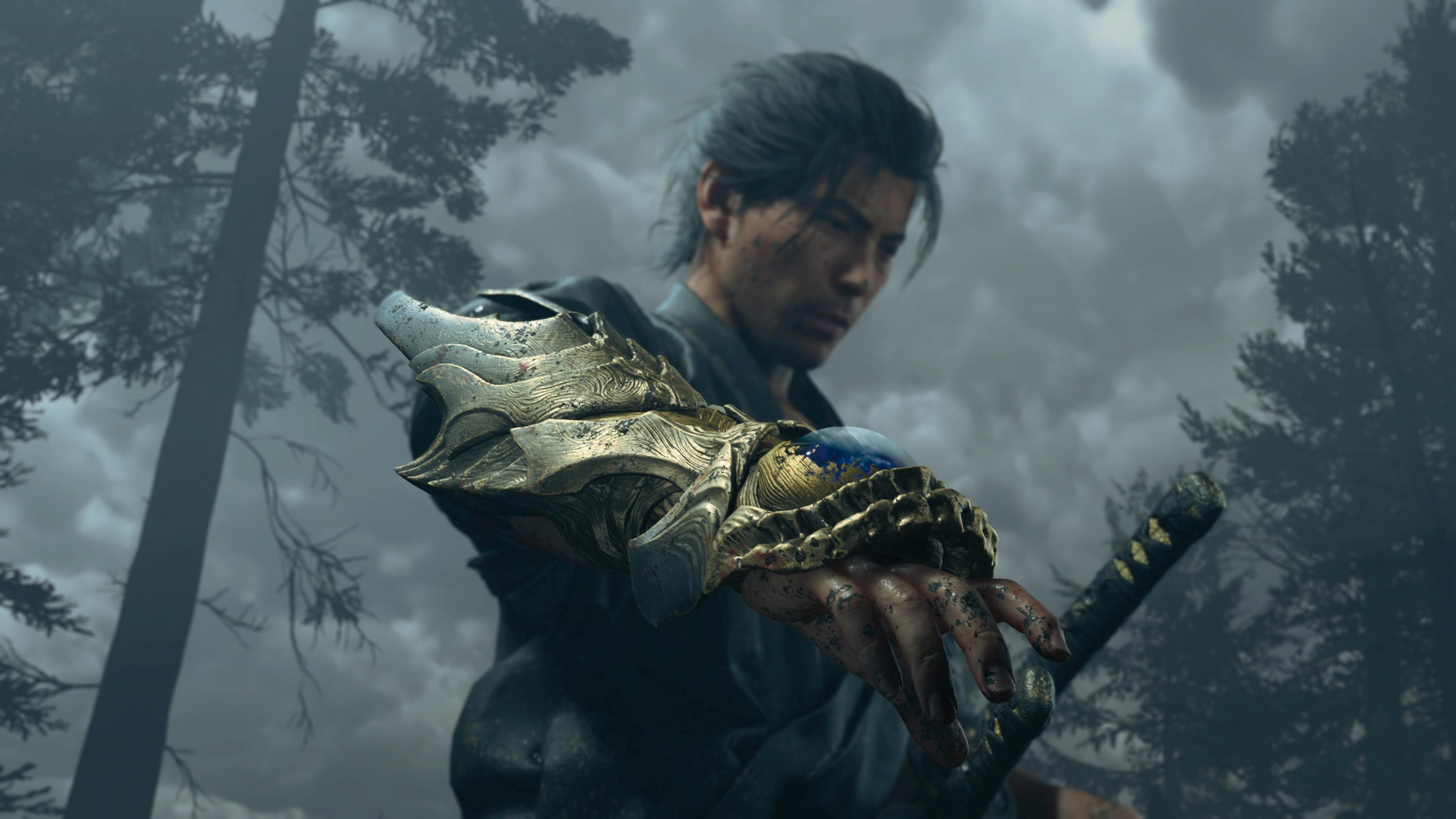
The protagonist gets the Oni Gauntlet very early on in the game
Photo Credit: Capcom/ Screenshot – Shaurya Tomer
Capcom has gone for a familiar samurai fantasy setup here. Kyoto has been twisted by a mysterious phenomenon called the Malice, and Musashi finds himself fighting through a world filled with demons, rival warriors, and wandering characters with their own connections to the larger conflict. The setting gives Onimusha: Way of the Sword plenty of room to move between historical Japan and the series' supernatural mythology without either side completely taking over through the roughly 22-hour journey, with some side quests included.
Some of the locations are particularly memorable, too. The game takes Musashi through historical sites such as Kiyomizu-dera and Rokudo Chinno-ji Temple, with the latter eventually becoming a place where he can regroup with his allies. Seeing familiar Kyoto landmarks gradually swallowed up by the Genma gives the world a sense of nightmarish reality.
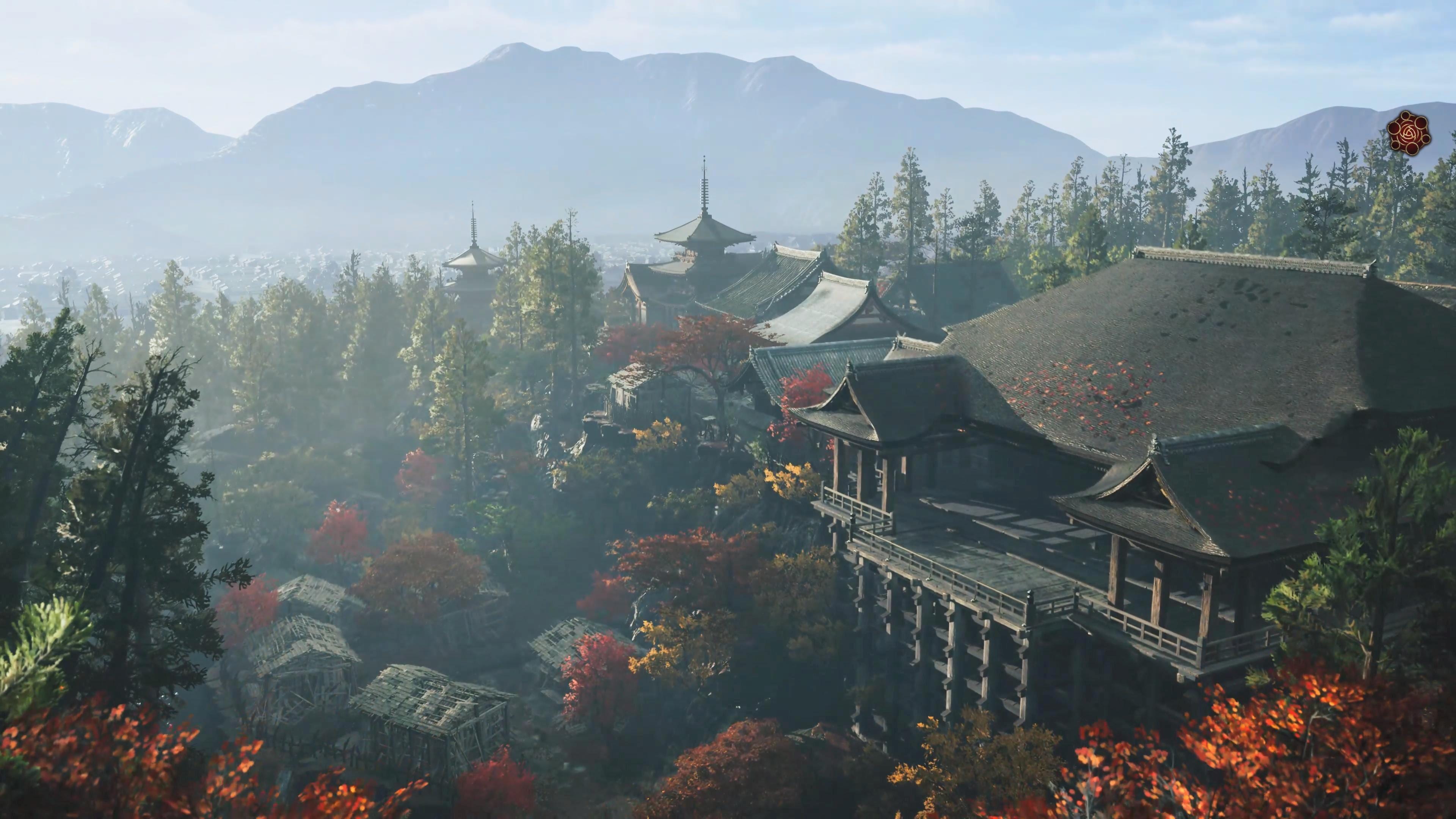
Onimusha: The Way of the Sword is based in Edo-era Japan
Photo Credit: Capcom/ Screenshot – Shaurya Tomer
Musashi is also a particularly good fit for this kind of game. He is not a serious, stoic samurai and instead exhibits a certain arrogance and silliness. He is much closer to Uncharted's Nathan Drake than Jin Sakai from Ghost of Tsushima. Like the swashbuckling adventurer from Uncharted, Musashi seems to be enjoying himself, even if things are about to go horribly wrong. His playful nature surfaces in both quieter conversations and dramatic encounters.
While Musashi, modelled after legendary Japanese actor Toshiro Mifune, is a compelling protagonist, the game's supporting cast did not stick with me quite as much. I did enjoy spending time with the Oni Lady who lives in the gauntlet, though. The story, too, is fairly straightforward. I never found myself particularly invested in where the larger conflict was heading and mostly wanted to know what was waiting around the next corner. But the promise of the next encounter was enough for me to keep going, as Onimusha: Way of the Sword truly comes alive with its swordplay.
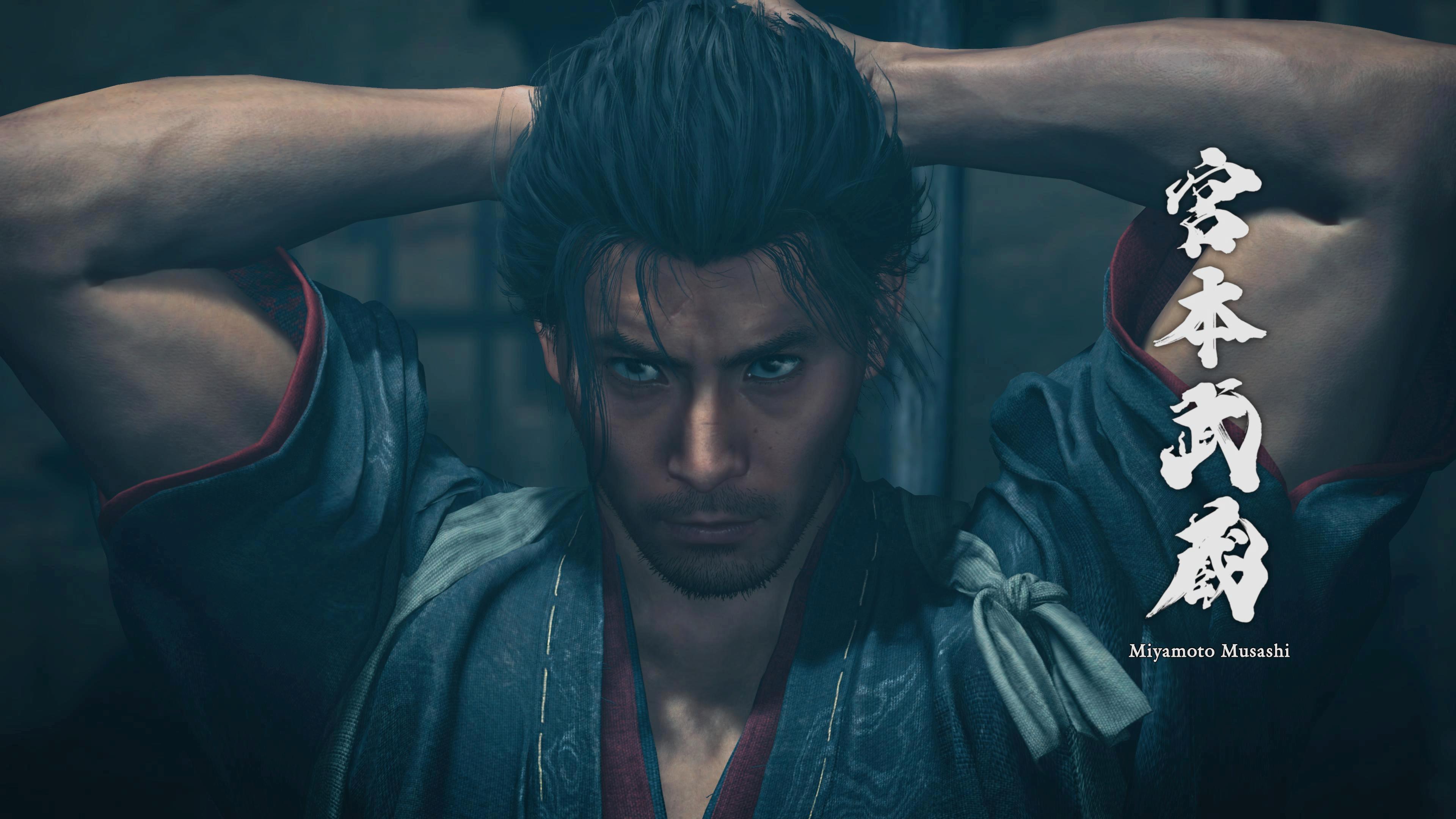
Musashi is modelled after legendary Japanese actor Toshiro Mifune
Photo Credit: Capcom/ Screenshot – Shaurya Tomer
Onimusha: Way of the Sword Gameplay and Combat
The biggest compliment I can give Way of the Sword is that I really looked forward to getting into fights—something I usually dread. It took me a little while to get into it. Then something clicked. The combat revolves around timing rather than simply throwing attacks at enemies. Musashi has light and heavy attacks, dodges, defensive moves, and special abilities at his disposal. But once these mechanics started coming together, I found myself playing very differently.
The Issen is the centrepiece of Onimusha: Way of the Sword's combat system. When an enemy attacks, there is a very small window in which you can strike at precisely the right moment and trigger an Issen. This high-risk, high-reward manoeuvre turns an incoming attack into an opportunity to deal serious damage. And boy, getting one just right feels fantastic.
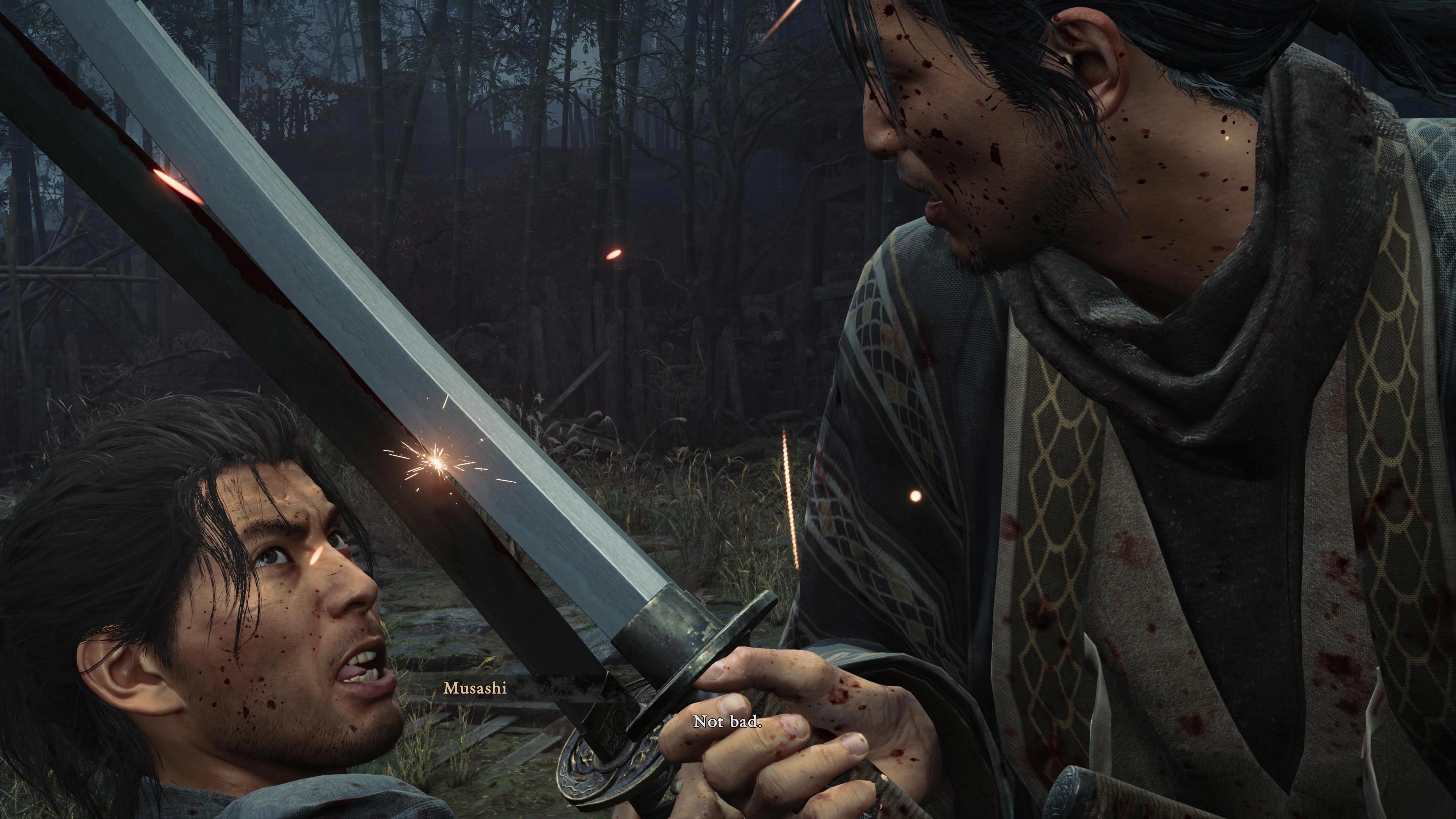
Musashi has light and heavy attacks, dodges, defensive moves, and special abilities
Photo Credit: Capcom/ Screenshot – Shaurya Tomer
There is a distinct sound and visual effect when you nail the timing. The enemy, too, reacts in a way that makes you feel like you have actually done something impressive rather than simply pressed the correct button on the controller. Early on, I was mostly trying to avoid getting hit. But with time, as I got accustomed to the combat, I began looking for opportunities to trigger Issen attacks in every fight.
Instead of backing away from an enemy as it is about to attack, you can start moving towards it because you know that attack could give you an opening. The combat also gets more interesting once you begin chaining attacks together, with a successful Issen putting you in a good position for another strike. There is also Break Issen, which lets you finish off enemies after depleting their stamina. Once I got used to setting these up, fights became less about simply reducing an enemy's health and more about working towards that final opening.
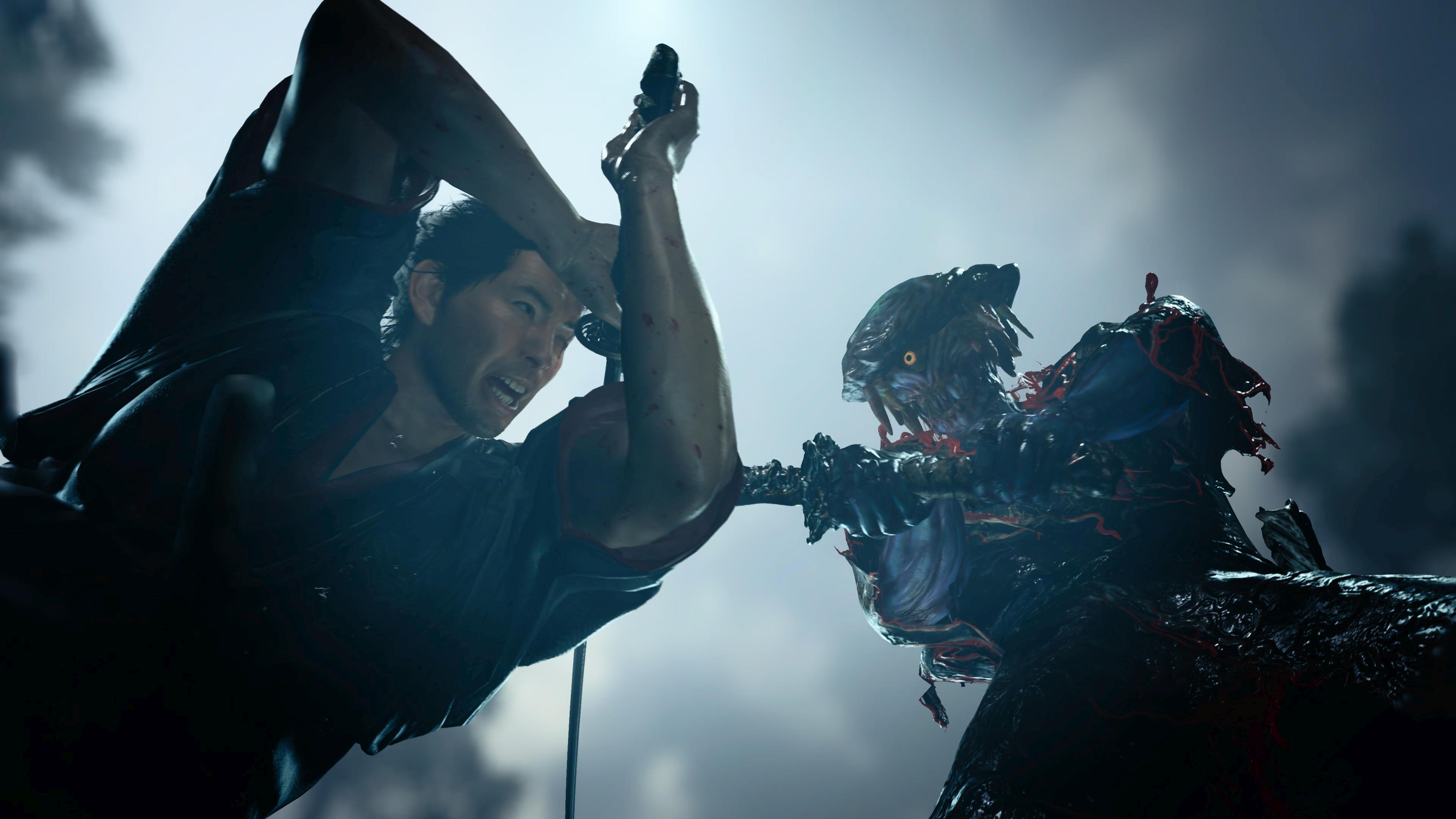
Regular combat encounters are easy once you get the hang of it
Photo Credit: Capcom/ Screenshot – Shaurya Tomer
The Genma souls you collect with the Oni Gauntlet fit neatly into the combat system, too. You absorb them from defeated enemies, with different types of souls serving different purposes, including restoring health, improving Musashi's abilities, and powering the Oni Armaments. The Oni Gauntlet gradually becomes much more than a way to throw supernatural attacks at enemies. Oni Strength can help break through certain obstacles, while Oni Agility opens up movement options. The Oni Bow can also be used to interact with things at a distance. By the latter half of the game, I was thinking about the Gauntlet while exploring just as much as I was during fights.
The boss fights are where I had the most fun. Rather than simply giving enemies enormous health bars, many of the bigger encounters require you to recognise attack patterns, understand openings, and get your timing right. A few bosses initially felt frustrating. There were moments when I was convinced I had completely misunderstood what the game wanted from me. Once I figured it out, though, the same encounters became considerably more manageable.
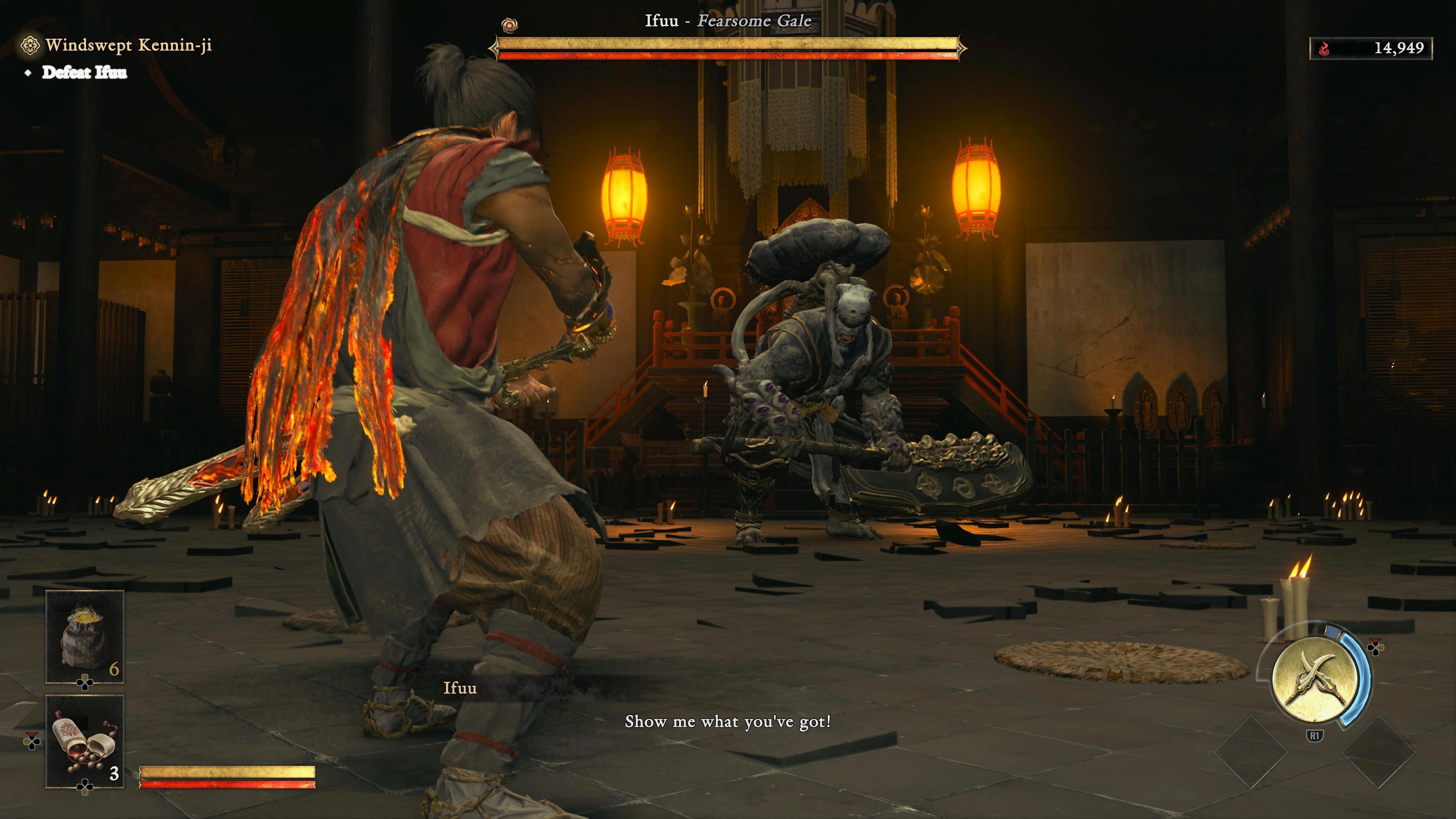
Boss fights can initially feel intimidating in Onimusha
Photo Credit: Capcom/ Screenshot – Shaurya Tomer
There are also encounters where Musashi has to deal with several enemies at once. These can become chaotic very quickly, particularly when larger Genma are surrounded by smaller enemies. A well-timed defensive move can stagger an enemy, and you can use the opening to control where they end up. I found myself doing this more than I expected, especially when I needed to create some breathing room in a crowded battlefield.
The game's Dynamic Dismemberment system deserves a mention here, too. Where Musashi's sword connects can affect how a Genma is cut, rather than simply triggering the same reaction every time. It sounds like a small thing, but when you're already paying close attention to where your blade lands, seeing the result of that strike makes the combat feel weighty and impactful.
My approach changed quite a bit over the course of the campaign. Early on, I was happy to block, dodge, and wait for safe openings. Later, I was deliberately trying to drain stamina, set up Break Issen executions, and use the Oni abilities to control groups of foes. The game doesn't suddenly hand you a completely different combat system—you just get better at using the one that's already there.
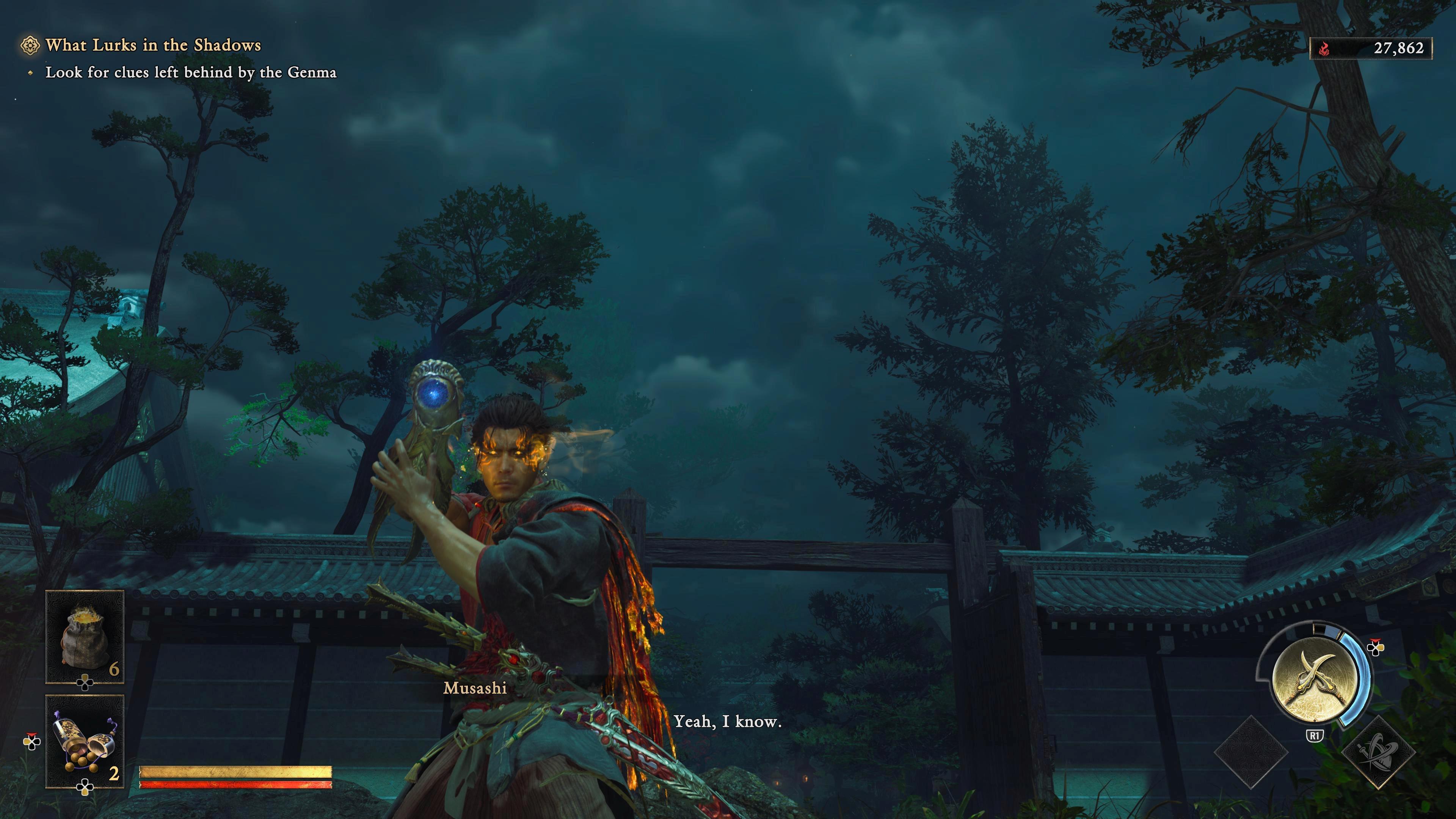
Oni abilities allow you to tackle groups of foes easily
Photo Credit: Capcom/ Screenshot – Shaurya Tomer
The enemy variety is probably my biggest problem with the Way of the Sword's combat. By the later stages, I knew exactly what I was going to be fighting in certain areas. The bigger encounters kept things interesting, but a few of the regular fights started feeling like muscle memory. Even then, I did not mind fighting the same types of enemies because the core system is so, so enjoyable. For me, there is an obvious comparison to Sekiro: Shadows Die Twice here. Onimusha: Way of the Sword is not as deep or as tightly designed around its combat as FromSoftware's modern classic, but this is probably the most satisfying swordplay I've experienced in a game since Sekiro.
Onimusha: Way of the Sword Exploration and Progression
I was glad Way of the Sword wasn't an enormous open-world game. It takes you on a journey through a series of distinct areas that are cordoned off by barriers that Capcom calls Malice. Even then, there is some room left to stray away from the main path, find items, solve puzzles, and take on optional encounters.
The environments themselves are a good reason to explore. Kyoto has a shifting visual identity as you move between villages, forests, temples, and areas that have been heavily corrupted by the Genma. I always felt a constant contrast between the historical setting and the supernatural elements. This gives the world of Onimusha more personality than perhaps a straightforward collection of combat arenas.
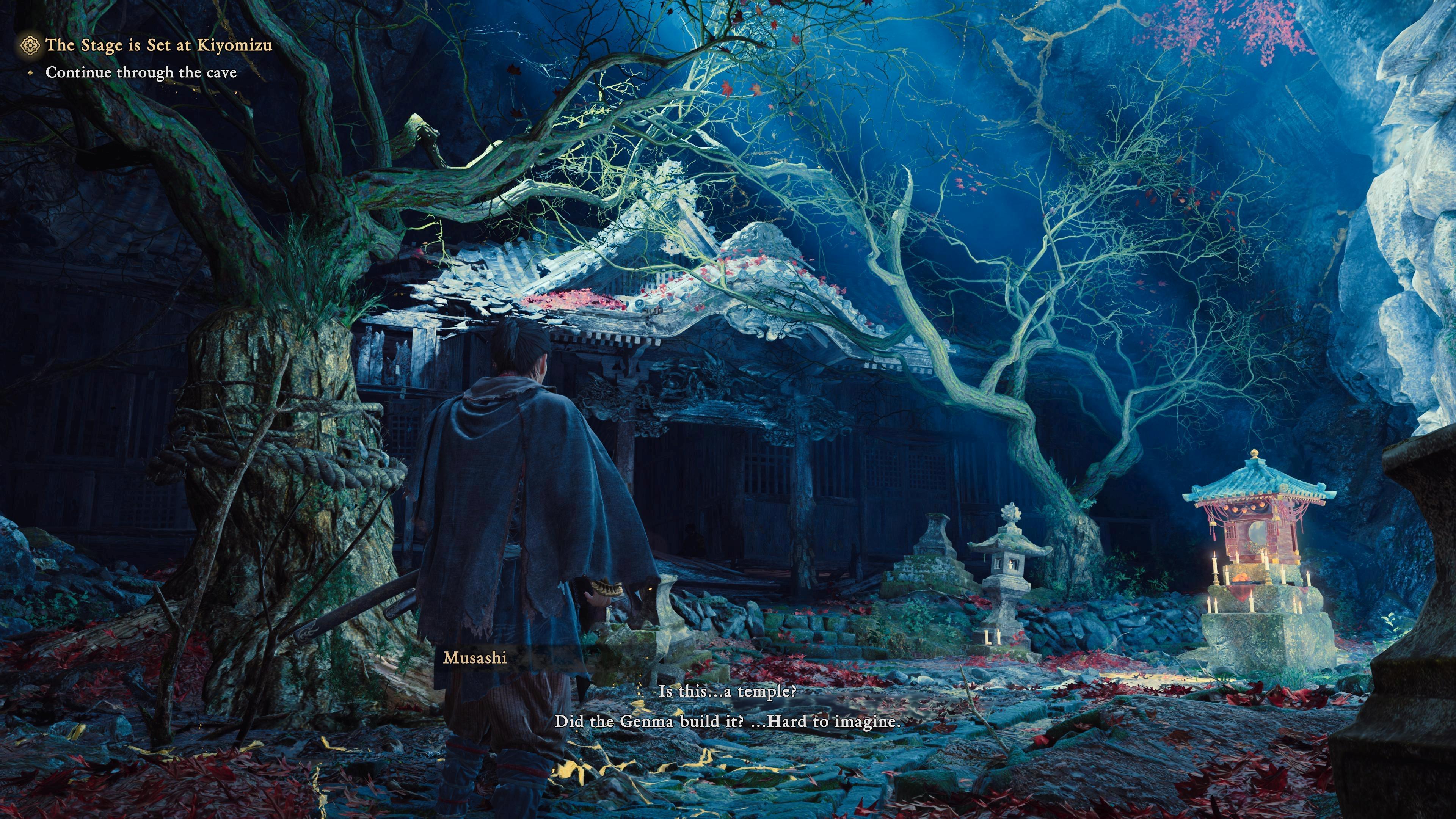
The world design in Onimusha: Way of the Sword is fantastic
Photo Credit: Capcom/ Screenshot – Shaurya Tomer
There are also plenty of little moments where exploring an area can lead to useful resources or optional content. As Musashi's abilities grow, some previously inaccessible paths can open up, giving you another reason to pay attention to your surroundings. I liked having the freedom to occasionally step away from the main objective rather than being pushed from one fight to another.
The environmental puzzles, however, are not particularly challenging. I solved some of them almost immediately after figuring out what the game wanted me to do. They provide a bit of gameplay variety and some breathing room between combat encounters, but I never found myself scratching my head over them.
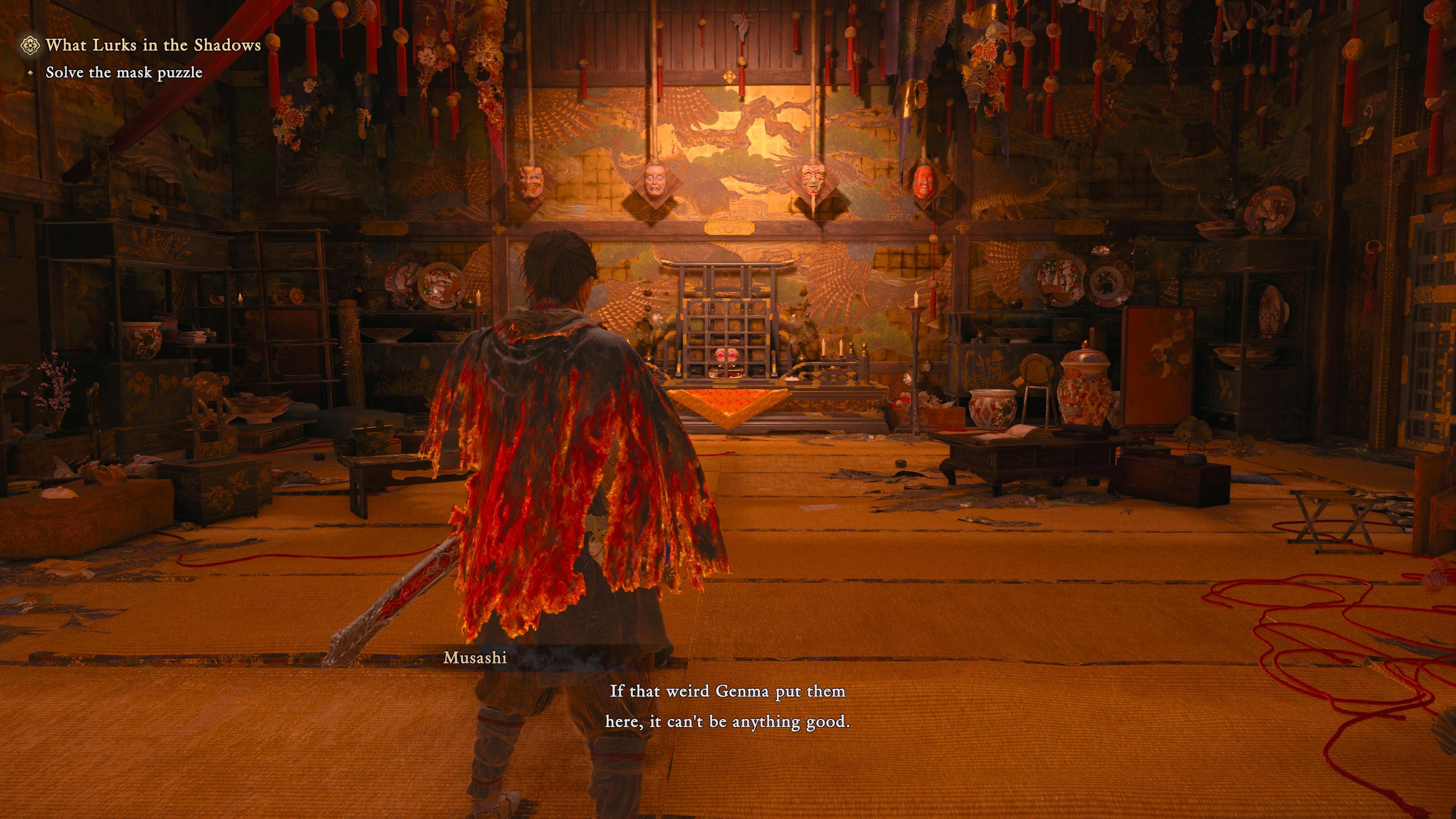
Puzzles here are far easier compared to other games
Photo Credit: Capcom/ Screenshot – Shaurya Tomer
I appreciate that Capcom did not try to pad the game with a huge map filled with meaningless activities just to make up a 40-50-hour gameplay number on paper. There is no open-world cul-de-sac here where you spend 15 minutes chasing a marker only to find a handful of coins at a corner. Instead, Onimusha: Way of the Sword remains focused, always keeping the best parts of the experience front and centre. And honestly, good.
You do get a progression system here, although it is fairly straightforward. As Musashi moves further through the story, you unlock new abilities and improve the tools available to him. The system gradually opens up more options rather than giving you everything from the beginning, while some of the mechanics become more useful as the encounters get tougher.
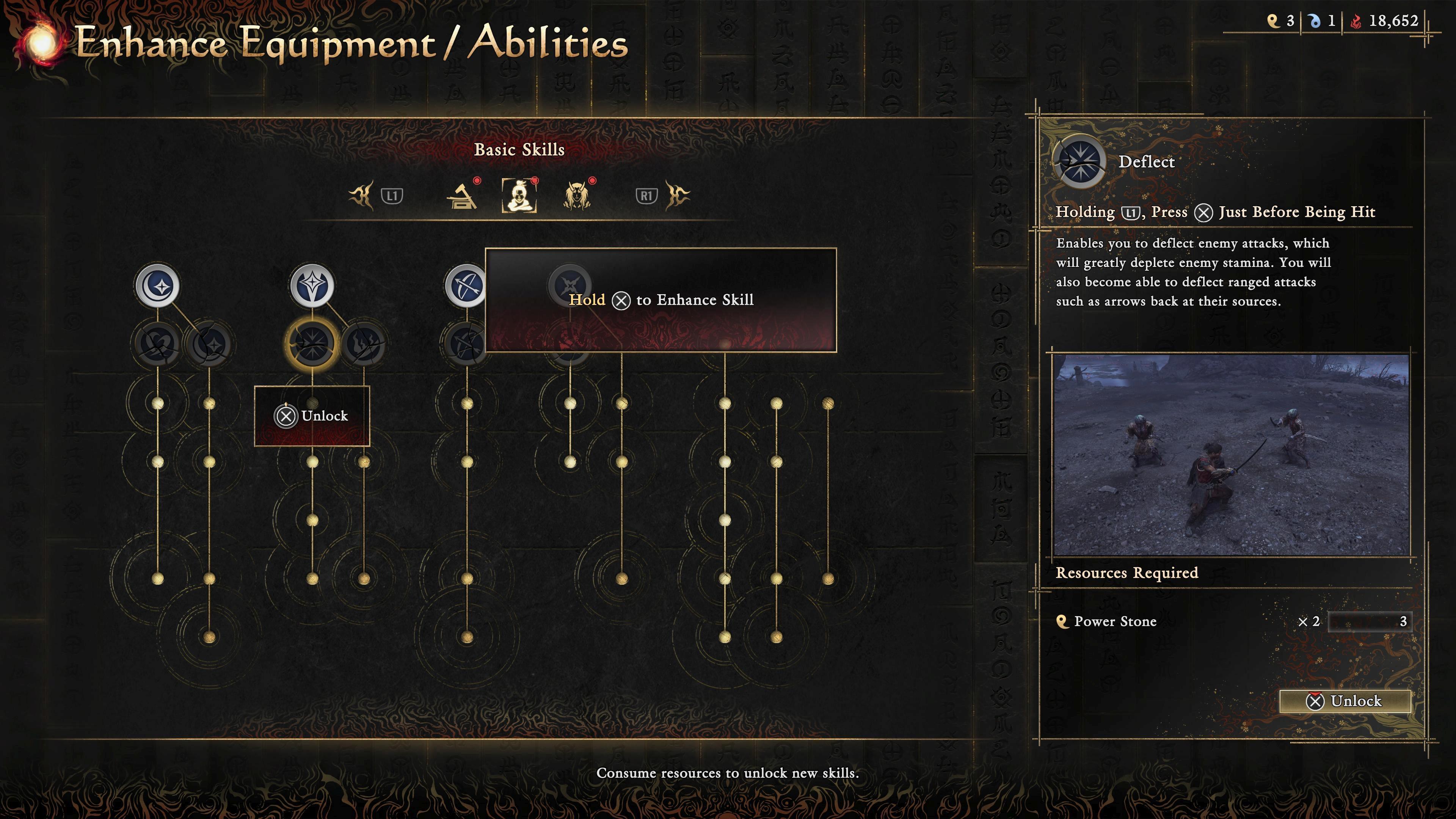
You can unlock more powerful abilities through the skill tree
Photo Credit: Capcom/ Screenshot – Shaurya Tomer
I never felt the need to grind. The encounters I struggled with on the first try later only required me to change my approach, rather than spend hours fighting weaker enemies to beef up Musashi's stats. There is a slight inconsistency in the difficulty, though. You can chomp through regular encounters fairly easily, but some bosses immediately demand you sit up and pay attention. Overall, the progression system does what it needs to. You get more capable as the game goes on, but understanding the combat system stays just as important as any upgrade.
Onimusha: Way of the Sword Graphics and Performance
On PS5, I found the overall presentation smooth during my time with the game. I played the title on Quality mode with the frame rate unlocked and settings like motion blur turned on. Way of the Sword uses Capcom's famous RE Engine, and it does look fantastic. I have had my fair share of experience with games built on the engine, with Resident Evil: Village being my most recent playthrough. Capcom clearly knows its engine inside out by now and adapts it well to suit the requirements of the game.
Kyoto has a distinct visual identity. The game nicely contrasts traditional Japanese architecture with the corruption brought by the Genma. Forests, villages, and temples look beautiful one moment and genuinely unsettling the next. The Genma designs also fit nicely into the world. They are grotesque, but not out of place, and there is enough variation in their designs to make the supernatural side of the game feel markedly different from its historical setting.
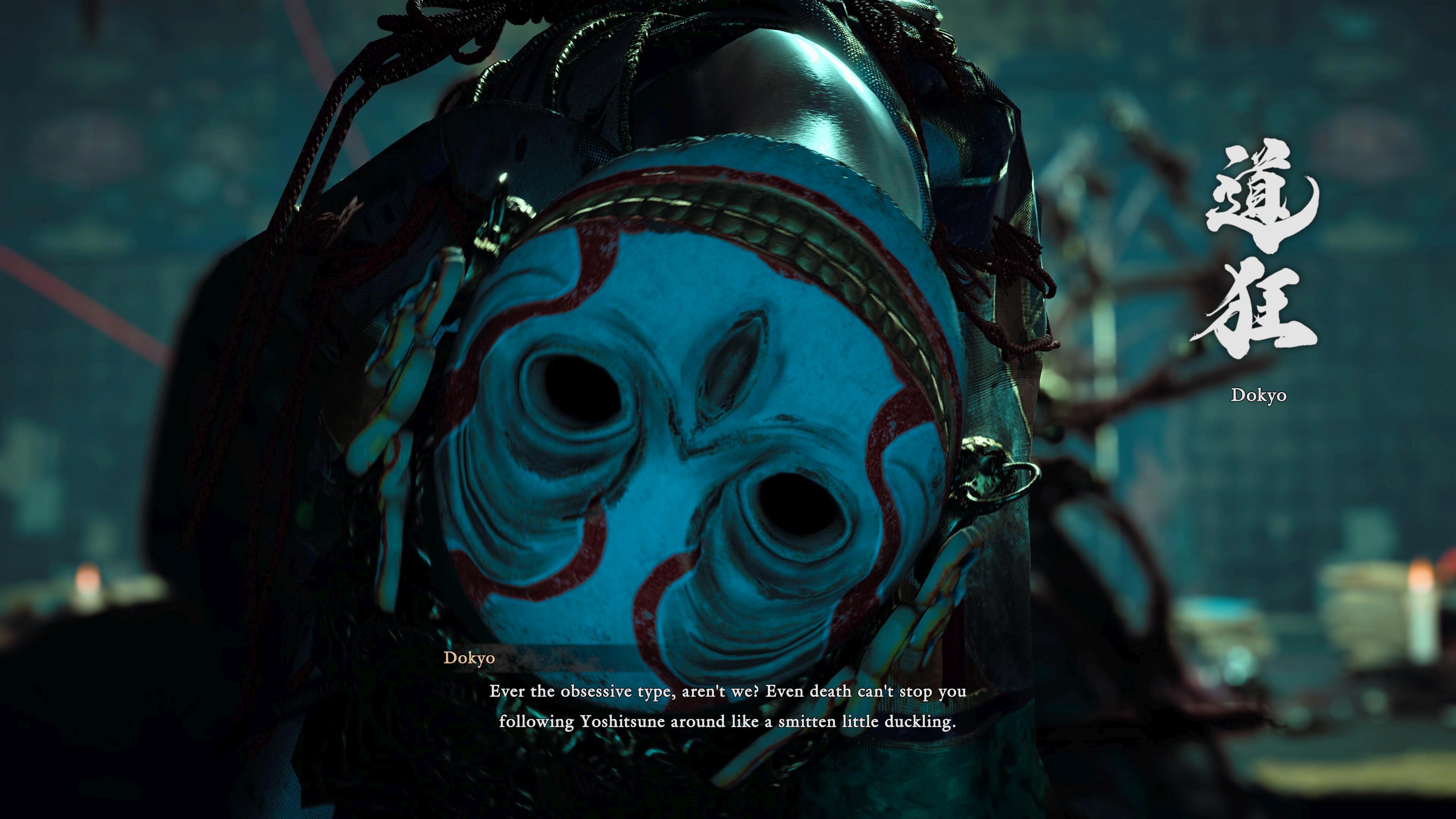
The Genma designs fit nicely into the world
Photo Credit: Capcom/ Screenshot – Shaurya Tomer
The contrast becomes particularly effective once Malice starts taking over. You get these stretches where the game looks almost peaceful. This is almost always followed by something deeply unpleasant crawling out of the fog. Some areas in the game aren't quite as impressive as its best-looking locations, but there were plenty of moments when I stopped just to look around and take in the view.
I found Musashi to be particularly well animated, too. His expressions help sell his personality, while his combat animations give the swordplay a satisfying amount of weight. The visual effects are especially impactful during Issen attacks. Onimusha makes sure you know when you have landed one, with sparks, sound, and enemy reactions all contributing to the weight of the moment.
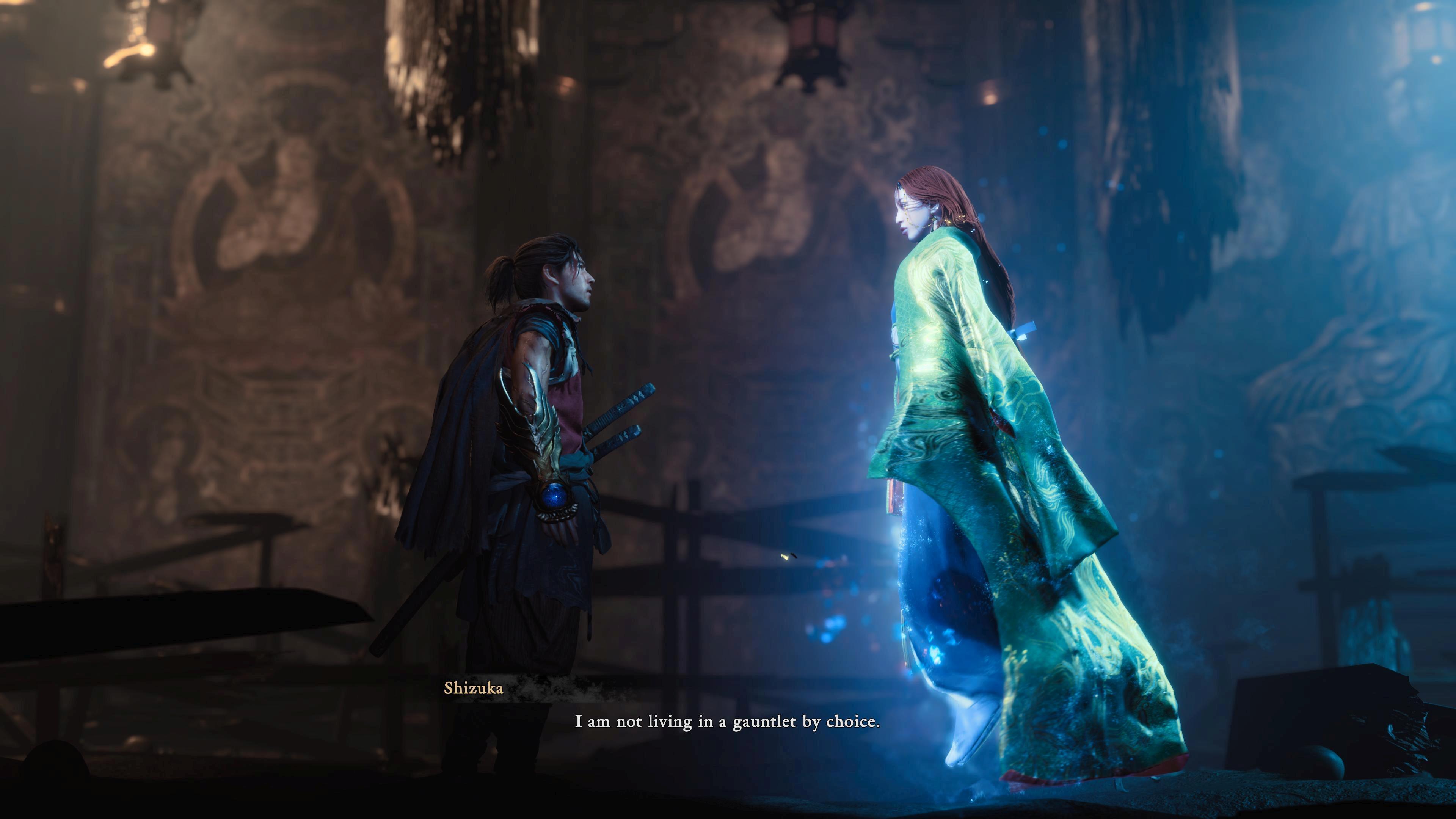
The dynamic between Musashi and Oni Lady is one to watch for in Onimusha: Way of the Sword
Onimusha: Way of the Sword Verdict
I did not expect Way of the Sword to become one of those games where I kept telling myself I would play for another 20 minutes and then realised an hour had disappeared. But that's exactly what happened.
The story never became the reason to pick up the controller. While Musashi's playful personality is the strongest part of the narrative design, I kept going back for the swordplay. I wanted to see what the next fight was going to throw at me. And once the combat clicked, I was constantly looking for that next Issen. And that is ultimately what I'll remember about Onimusha: Way of the Sword.
After nearly two decades away, Onimusha is back. And thankfully, it still knows which end of the sword to hold.
Onimusha: Way of the Sword released September 4 on PC, PS5, Xbox Series S/X, and Nintendo Switch 2.
Pricing starts at Rs. 4,399 for the Standard Edition on Steam and Epic Games Store for PC, the PlayStation Store for PS5, Xbox Store for Xbox Series S/X, and $69.99 on Nintendo eShop for Nintendo Switch 2
Affiliate links may be automatically generated - see our ethics statement for details.
- REVIEW
- KEY SPECS
- NEWS
- Good
- Excellent, timing-based swordplay
- Musashi is a likeable and entertaining protagonist
- Focused exploration without unnecessary open-world padding
- Progression system complements the combat well
- Bad
- Regular enemy encounters can become repetitive
- Some puzzles are too easy
Read detailed Capcom Onimusha: Way of the Sword review
Genre Action-Adventure
Platform Nintendo Switch 2, PlayStation 5 (PS5), Xbox Series S/X, PC: Windows
Modes Single-player
Series Onimusha
PEGI Rating 12+
More Capcom Games
Comments
Get your daily dose of tech news, reviews, and insights, in under 80 characters on Gadgets 360 Turbo. Connect with fellow tech lovers on our Forum. Follow us on X, Facebook, WhatsApp, Threads and Google News for instant updates. Catch all the action on our YouTube channel.
Further reading:
Onimusha Way of the Sword, Onimusha, Capcom, Onimusha Way of the Sword Release Date
Related Stories



Advertisement
Follow Us




-
![[Sponsored] Samsung Galaxy Z Fold8: How It Fits Into an Actor’s Busy Day | Camera, Multitasking & More](https://www.gadgets360.com/static/desktop/images/spacer.png)
03:41
[Sponsored] Samsung Galaxy Z Fold8: How It Fits Into an Actor’s Busy Day | Camera, Multitasking & More -
09:53
iPhone 18 Goes On Sale In India: Huge Crowds, Long Queues At Apple Stores -
06:32
Google Pixel 11 Pro XL Review: The Most Exciting Pixel Yet? | 120X Zoom + Tensor G6 -
05:20
Samsung Galaxy Watch Ultra 2 Review: Is This the Best Android Smartwatch? -
07:01
Samsung Galaxy Z Fold 8 Review: Is This the Best Foldable Phone?
Advertisement
Popular on Gadgets
- Samsung Galaxy S26 Ultra
- Motorola Razr Fold
- ChatGPT
- OPPO Find N6
- Mobiles Under Rs. 40,000
- Vivo X300 Ultra
- Asus Zenbook S14
- iQOO 15
- Vivo X300 Pro
- Lenovo Yoga Slim 7i Aura Edition
- iQOO 15R
- Vivo X Fold 5
- Sony PlayStation 5
- HP OmniPad 12
- OnePlus Nord CE 6 Lite
- OnePlus Pad 4
- OPPO F33 Pro 5G
- Cryptocurrency
- HP OmniBook Ultra 14 (2026)
- iPhone 17
- Eureka Forbes AP 355 Room Air Purifier
- Latest Mobile Phones
- Compare Phones
Latest Gadgets
- Ai+ Nova 2 Power 5G
- Lava Virat Curve 5G
- Lava Bold N4 Pro 5G
- Samsung Galaxy A08
- Itel Muzik 450L
- OPPO K14 Lite
- Samsung Galaxy A18 4G
- iPhone Duo
- Lenovo LOQ 15AHP11
- Lenovo Legion 5a (2026)
- Xiaomi Pad 9 Pro
- Xiaomi Pad 9
- Apple Watch Ultra 4
- Apple Watch Series 12
- Haier M70 Mini LED 65-inch
- Xiaomi TV FX Mini LED 65
- Acer Predator Atlas 8
- Asus ROG Ally
- Blue Star 1.5 Ton 5 Star Inverter Split AC (IE518ZNURS)
- Blue Star 2 Ton 3 Star Inverter Window AC (WIE324L)

- About Us
- Sitemaps
- Feedback
- Archives
- Contact Us
- RSS
- Advertise
- Career
- Privacy Policy
- Ethics
- Editorial Policy
- Terms & Conditions
- Complaint Redressal
Download Our Apps
Available in Hindi
© Copyright Red Pixels Ventures Limited 2026. All rights reserved.