-
 Apple's iPhone Could Soon Support Pairing With Wireless Earphones, Third-Party Smartwatches23 December 2025
 -
iOS 26.3 Beta 1 Reportedly Adds Transfer Tool for Switching to Android, Notification Forwarding for Wearables16 December 2025
-
iOS 26 Leaked Code Hints at Launch of New Smart Home Device, New Health+, Siri, Photos Features16 December 2025
-
Apple Rolls Out iOS 26.2 Update for iPhone With Liquid Glass Customisation, Changes to Apple Music, and More13 December 2025
-
iOS 26.2 Release Candidate Update Rolls Out to Beta Testers as Apple Prompts Users to Upgrade to iOS 264 December 2025
- Home
- Mobiles
- Mobiles News
- iOS 26 Adoption Rate Notably Lower Than Previous Versions Months After Launch: Report
iOS 26 Adoption Rate Notably Lower Than Previous Versions Months After Launch: Report
Apple started rolling out the iOS 26 update to eligible iPhone models globally in September 2025.
Written by Dhruv Raghav, Edited by David Delima | Updated: 9 January 2026 11:40 IST
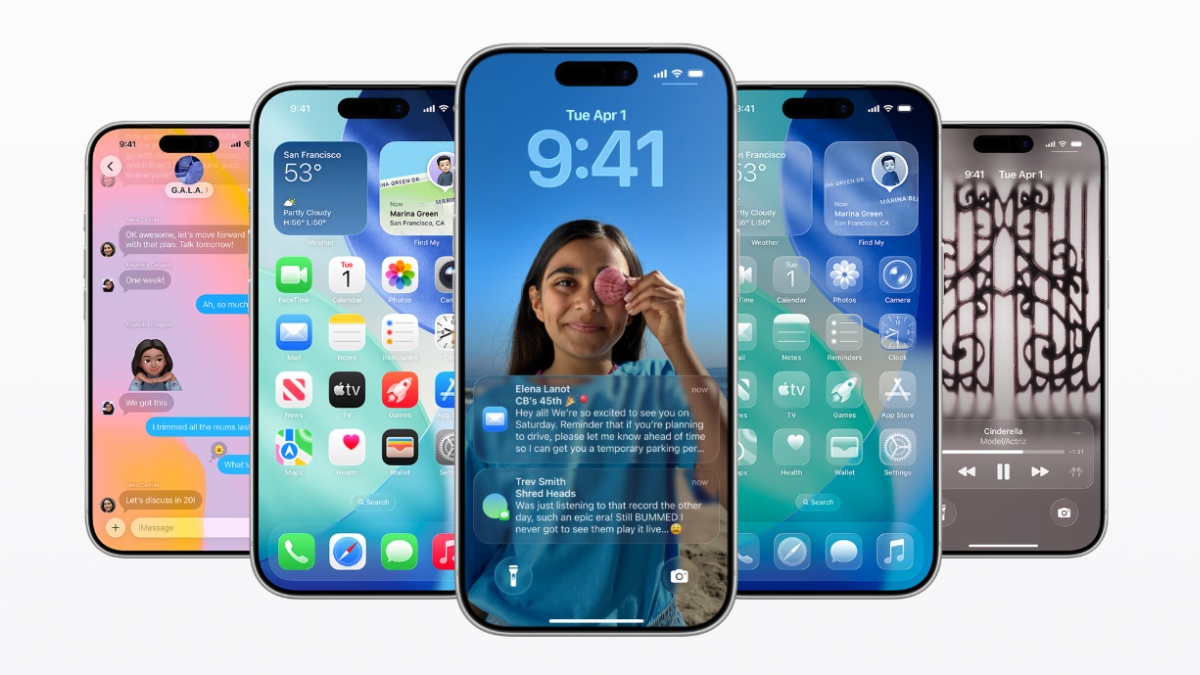
Photo Credit: Apple
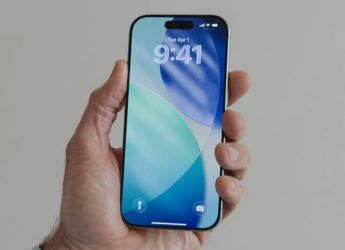
iOS 26's stable version started rolling out to select iPhone models in September.
Click Here to Add Gadgets360 As A Trusted Source

Advertisement
Apple first unveiled the iOS 26 user interface (UI) with the Liquid Glass design in June 2025 at the Worldwide Developers Conference (WWDC). After months of beta testing, the OS update was rolled out globally to eligible iPhone users in September last year, soon after the launch of the iPhone 17 Pro Max, iPhone 17 Pro, and iPhone 17, which run iOS 26 out of the box. However, the legibility issues associated with Liquid Glass and various iOS 26 bugs led to the company receiving criticism from users. Now, a report reveals that only a small percentage of users have upgraded to iOS 26.
iOS 26 Adoption Rate Said to Be ‘Far Less' Than iOS 18
Data from StatCounter, a web analytics service, shows that only a small percentage of iPhone users have upgraded to the new iOS 26 version. Moreover, it is also notably lower than previous iOS versions at the same time after their release. While the data reportedly does not mention the reason behind the significantly low adoption rate, a Cult of Mac report speculates that Apple's new Liquid Glass design could be the reason behind this.
The report added that nearly four months after the iOS 26 release in the middle of September, about 15 percent of iPhone users have installed one of the versions of the OS. For context, in January 2025, about 63 percent of iPhone users had installed one of the versions of the iOS 18.
During the same month in 2024, about 54 percent of the users were using iOS 17 and about 62 percent of the iPhone users were reportedly on iOS 16 in January 2023. However, it should be noted that iPhone 17]() series was launched with iOS 26, and only older iPhone models had the option to upgrade. Whether this number includes iPhone 17 series users or not was not revealed.
Soon after its release in September 2025, many users online started complaining about the legibility issues that came with iOS 26's Liquid Glass design, which makes various UI elements transparent. This led to Apple adding more customisation options in subsequent updates as a stop-gap measure.
For example, In November 2025, Apple started rolling out the iOS 26.1 update with a new feature that helps user switch between “clear look” and tinted look”.
The tech giant explained this will help in increasing the opacity of UI elements in apps and notifications on the lock screen. Nearly month after this, the Cupertino-based company released the iOS 26.2 update with more refinements. The firmware version features an option, which lets iPhone users change the opacity of the clock widget on the lock screen.
- REVIEW
- KEY SPECS
- NEWS
- Good
- Transformative and brighter ProMotion display
- Powerful performance
- Meaningful camera upgrades
- More value-for-money
- Great battery life
- Bad
- iOS 26 has glitches
- Ineffective anti-reflective coating
Read detailed Apple iPhone 17 review
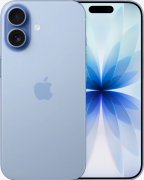
Display 6.30-inch
Processor Apple A19
Front Camera 18-megapixel
Rear Camera 48-megapixel + 48-megapixel
RAM 8GB
Storage 256GB, 512GB
OS iOS 26
Resolution 1206x2622 pixels
- REVIEW
- KEY SPECS
- NEWS
- Good
- The boldest redesign since the iPhone X
- Bright and stunning display
- A19 Pro under the hood guarantees excellent performance
- Massive camera upgrade
- Video quality gets a much-needed bump
- Centre Stage camera at the front changes selfie game on iPhones forever
- Improved charging speed
- Bad
- Aluminium body picks up scratches
- Expensive
- Heavier than the 16 Pro Max
Read detailed Apple iPhone 17 Pro Max review
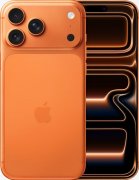
Display 6.90-inch
Processor Apple A19 Pro
Front Camera 18-megapixel
Rear Camera 48-megapixel + 48-megapixel + 48-megapixel
RAM 12GB
Storage 256GB, 512GB, 1TB, 2TB
OS iOS 26
Resolution 1320x2868 pixels
- KEY SPECS
- NEWS
Display 6.30-inch
Processor Apple A19 Pro
Front Camera 18-megapixel
Rear Camera 48-megapixel + 48-megapixel + 48-megapixel
RAM 12GB
Storage 256GB, 512GB, 1TB
OS iOS 26
Resolution 1206x2622 pixels
Comments
Catch the latest from the Consumer Electronics Show on Gadgets 360, at our CES 2026 hub.
Related Stories


Advertisement
Follow Us




-

08:02
Top OxygenOS 16 Features You Must Know: Don't Miss These OnePlus Features On Your Phone! -
10:42
[Partner Content] OPPO Find X9 Two Week Experience: Here's Why It Stands Out -
04:38
Realme Watch 5 Review: Watch This Before You Buy The Latest Realme Smartwatch -
07:03
Vivo X300 Pro Review | Best Camera Phone You Can Buy For 2026 -
04:56
Vivo X300 Review | Best Flagship of 2025? | Unbelievable Camera & Performance Test
-
e-Aadhaar कैसे करें डाउनलोड, कैसे करें इस्तेमाल, ये है पूरी प्रक्रिया
-
4 हजार रुपये सस्ते दाम में खरीदें Oppo का 7000mAh बैटरी वाला स्मार्टफोन
-
सोशल मीडिया पर पोस्ट 'Like' करना भी अब ऑफिस रूल? Reddit पोस्ट से बहस
-
चेहरे पहचानता है Xiaomi का नया सिक्योरिटी कैमरा! 3K रिकॉर्डिंग, 5MP सेंसर, AI ट्रैकिंग से लैस, जानें कीमत
-
7000mAh बैटरी, 50 मेगापिक्सल कैमरा के साथ Oppo Reno 15C 5G लॉन्च, जानें कीमत और फीचर्स
Advertisement
Popular on Gadgets
- Samsung Galaxy Unpacked 2025
- ChatGPT
- Redmi Note 14 Pro+
- iPhone 16
- Apple Vision Pro
- Oneplus 12
- OnePlus Nord CE 3 Lite 5G
- iPhone 13
- Xiaomi 14 Pro
- Oppo Find N3
- Tecno Spark Go (2023)
- Realme V30
- Best Phones Under 25000
- Samsung Galaxy S24 Series
- Cryptocurrency
- iQoo 12
- Samsung Galaxy S24 Ultra
- Giottus
- Samsung Galaxy Z Flip 5
- Apple 'Scary Fast'
- Housefull 5
- GoPro Hero 12 Black Review
- Invincible Season 2
- JioGlass
- HD Ready TV
- Laptop Under 50000
- Smartwatch Under 10000
- Latest Mobile Phones
- Compare Phones
Latest Gadgets
- OnePlus Turbo 6V
- OnePlus Turbo 6
- Itel Zeno 20 Max
- OPPO Reno 15 Pro Mini 5G
- Poco M8 Pro 5G
- Motorola Signature
- Vivo Y50e 5G
- Vivo Y50s 5G
- Lenovo Yoga Slim 7x (2025)
- Lenovo Yoga Slim 7a
- Realme Pad 3
- OPPO Pad Air 5
- Xiaomi Watch 5
- Huawei Watch 10th Anniversary Edition
- Acerpure Nitro Z Series 100-inch QLED TV
- Samsung 43 Inch LED Ultra HD (4K) Smart TV (UA43UE81AFULXL)
- Asus ROG Ally
- Nintendo Switch Lite
- Haier 1.6 Ton 5 Star Inverter Split AC (HSU19G-MZAID5BN-INV)
- Haier 1.6 Ton 5 Star Inverter Split AC (HSU19G-MZAIM5BN-INV)

- About Us
- Sitemaps
- Feedback
- Archives
- Contact Us
- RSS
- Advertise
- Career
- Privacy Policy
- Ethics
- Editorial Policy
- Terms & Conditions
- Complaint Redressal
Download Our Apps
Available in Hindi
© Copyright Red Pixels Ventures Limited 2026. All rights reserved.