
-
 DoT Reportedly Extends SIM Binding Mandate Till the End of 20262 April 2026
 -
Researchers Discover 'Digital Lutera' Android Toolkit That Can Hijack UPI Accounts; NPCI Responds11 March 2026
-
WhatsApp Developing SIM Binding Feature for Users in India as Meta Works to Comply With DoT's Directive24 February 2026
- Home
- Telecom
- Telecom Features
- DoT's SIM Binding Rule Explained: What It Means for Messaging Apps and Users
DoT's SIM Binding Rule Explained: What It Means for Messaging Apps and Users
SIM binding is expected to ensure that the registered identity remains verifiable and linked to telecom subscriber records at all times.
Written by Shaurya Tomer, Edited by David Delima | Updated: 7 March 2026 08:00 IST
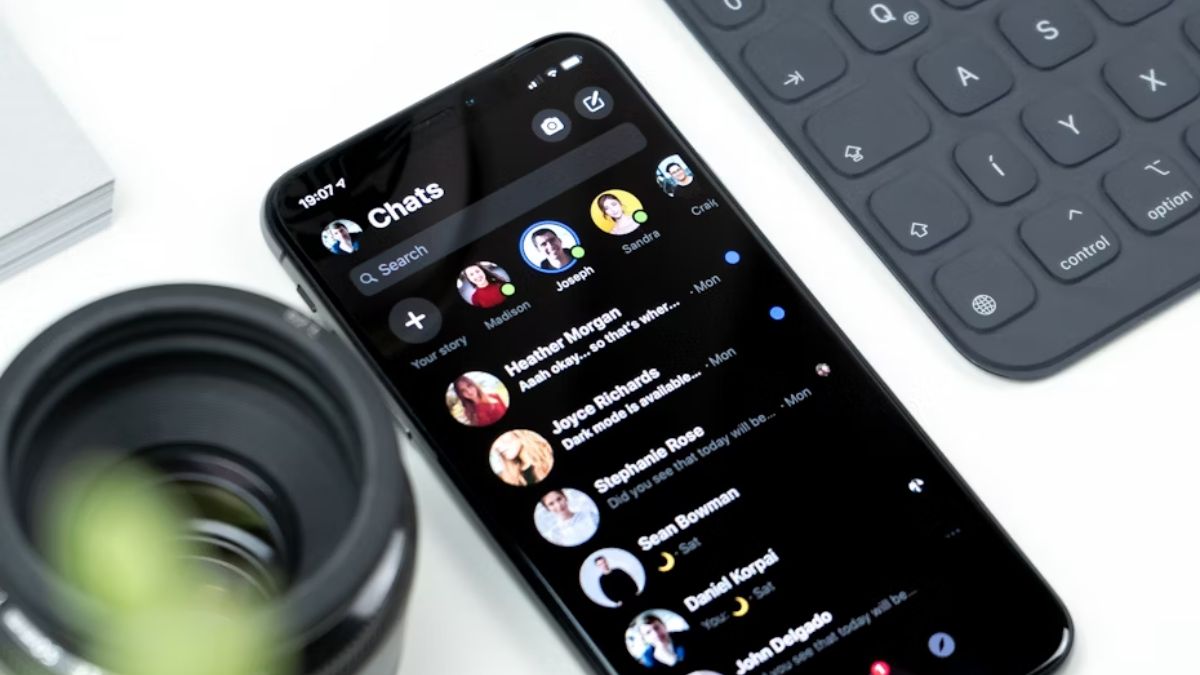
Photo Credit: Unsplash/ Daniel Korpai
The amendment affects apps like Telegram, Signal, and WhatsApp
Click Here to Add Gadgets360 As A Trusted Source

Advertisement
The Department of Telecommunications announced a move towards stricter verification for messaging platforms through a new SIM binding requirement on December 1. Under the directive, messaging platforms were given a 90-day window to implement the changes, and three months have passed since the directive was issued. The rule aims to ensure that messaging app accounts remain linked to an active SIM card at all times. The policy aims to address rising cases of digital impersonation, financial fraud, online scams, and identity misuse conducted through app-based messaging services. An internet advocacy group has urged the DoT to recall its mandate for SIM binding in the country.
What Is SIM Binding?
The new directive has been issued by the Department of Telecommunications as an amendment to the Telecommunication Cyber Security (TCS) Rules, 2024. The updated framework has been notified as the Telecommunication Cyber Security (TCS) Amendment Rules, 2025.
The legislation requires that the messaging service implement a continuous SIM validation, where the user account is required to remain associated with the active SIM card that was in place at the time of registration. The legislation had a 90-day implementation period for service providers.
The scope of the mandate includes messaging services that come under the category of Telecommunication Identifier User Entities, or TIUEs. This includes popular messaging services like WhatsApp, Telegram, Signal, Snapchat, and Messenger. SIM binding is touted as a method to ensure that the registered identity remains verifiable and linked to telecom subscriber records at all times.
This, according to the DoT, is in a bid to curb the growing instances of digital impersonation, financial fraud, online scams, and misuse of identity, all carried out via messaging apps. It has been observed that criminals are taking advantage of the app's feature that allows users to access the app even after the SIM is removed or deactivated, such as in the case of number recycling.
After the DoT announced mandatory SIM binding for messaging platforms, internet advocacy group Internet Freedom Foundation asked the DoT to recall the mandate, citing potential issues related to the implementation of SIM binding in the country. IFF highlighted various issues, stating that users would likely have to purchase an international travel pack to access WhatsApp while abroad, and that they might lose access to their chats if their SIM is damaged.
How SIM Binding Works
As explained by the DoT, SIM Binding links the user's messaging account with the SIM card currently inserted into the smartphone. This system guarantees that the phone number used during the account registration is active and verifiable through the records of the telecom subscriber. Under the new system, messaging applications are required to carry out continuous verification checks using a user's SIM card.
Service providers are also required to implement additional measures, for instance, restricting access to a user's account when their SIM card is removed or changed.
The new mandate is expected to impact people who switch devices frequently, replace SIMs, travel internationally with inactive domestic numbers, or use messaging apps across multiple devices. To continue using the messaging platforms, users must keep the same active SIM inserted in the primary smartphone used during the account registration process. If the number changes, users may need to re-register on the app or verify again.
How Apps Will Be Affected
The rules also include a requirement for implementing automatic logout systems for secondary devices. According to the directive, linked devices may be logged out periodically and require fresh authentication from the primary smartphone that contains the registered SIM card.
For example, WhatsApp Web users could be required to log in again every six hours through the main device where the SIM is installed. Similar changes could apply to services such as Telegram Desktop and other web or desktop messaging clients. In contrast, users can currently log into services and continue using them even if they change SIM cards or switch networks.
Messaging apps, notably, have already begun to prepare for compliance. WhatsApp has reportedly started working on SIM-binding-related features for users in India to align with the DoT directive. Per a feature tracker, the app will inform users that it must check that their SIM card is present in their smartphone to comply with regulatory requirements.
Comments
Get your daily dose of tech news, reviews, and insights, in under 80 characters on Gadgets 360 Turbo. Connect with fellow tech lovers on our Forum. Follow us on X, Facebook, WhatsApp, Threads and Google News for instant updates. Catch all the action on our YouTube channel.
Further reading:
SIM Binding, DoT
Related Stories




Advertisement
Follow Us




-
![[Sponsored] LG NANO 4K UHD AI TV NU885: Gemini Search, Dolby Atmos & 5 Years of Updates](https://www.gadgets360.com/static/desktop/images/spacer.png)
04:17
[Sponsored] LG NANO 4K UHD AI TV NU885: Gemini Search, Dolby Atmos & 5 Years of Updates -
00:57
[Sponsored] Samsung Galaxy Z Fold8 My Fan Cam in Action: Find the Moment, Then Share It -
01:41
[Sponsored] What Do You Need To Know Before Your Next Run? | Samsung Galaxy Watch Ultra2 -
01:32
[Sponsored] Big Day Tomorrow? Prep Today | Samsung Galaxy Watch Ultra2 -
04:37
[Sponsored]: CP PLUS CarKam CP-F89B: 4K Dashcam With Rear Camera, GPS & Emergency Recording
-
iPhone 16 आज भी Amazon सेल में मिल रहा ₹15 हजार से ज्यादा सस्ता
-
OnePlus 15 को Amazon Great Indian Festival Sale में खरीदें सस्ता
-
₹2250 सस्ता मिल रहा Motorola का 7000mAh बैटरी वाला फोन! Flipkart पर ऑफर
-
HMD Vibe 2 Max बजट फोन लॉन्च होगा 108MP कैमरा, 6,000mAh बैटरी फीचर के साथ!
-
Poco X8s जल्द हो सकता है लॉन्च, NBTC पर हुई लिस्टिंग
Advertisement
Popular on Gadgets
- Samsung Galaxy S26 Ultra
- Motorola Razr Fold
- ChatGPT
- OPPO Find N6
- Mobiles Under Rs. 40,000
- Vivo X300 Ultra
- Asus Zenbook S14
- iQOO 15
- Vivo X300 Pro
- Lenovo Yoga Slim 7i Aura Edition
- iQOO 15R
- Vivo X Fold 5
- Sony PlayStation 5
- HP OmniPad 12
- OnePlus Nord CE 6 Lite
- OnePlus Pad 4
- OPPO F33 Pro 5G
- Cryptocurrency
- HP OmniBook Ultra 14 (2026)
- iPhone 17
- Eureka Forbes AP 355 Room Air Purifier
- Latest Mobile Phones
- Compare Phones
Latest Gadgets
- Samsung Galaxy F70 5G
- Tecno Spark 50S 5G
- Vivo Y600s Pro
- Vivo Y32 (2026)
- Infinix Smart 20 HD
- Vivo V80
- Vivo S2 FE
- Vivo Y600K Turbo
- HP ZBook Ultra G3a
- Dell Pro Rugged 14
- Amazon Alexa Tablet 8
- Amazon Alexa Tablet 11
- Amazfit T-Rex Dual Solar
- OPPO Watch S2
- Toshiba 65-Inch 4K Ultra HD Smart Mini LED QLED TV (65Z670SP)
- Haier M70 Mini LED 65-inch
- Acer Predator Atlas 8
- Asus ROG Ally
- Blue Star 1.5 Ton 5 Star Inverter Split AC (IE518ZNURS)
- Blue Star 2 Ton 3 Star Inverter Window AC (WIE324L)

- About Us
- Sitemaps
- Feedback
- Archives
- Contact Us
- RSS
- Advertise
- Career
- Privacy Policy
- Ethics
- Editorial Policy
- Terms & Conditions
- Complaint Redressal
Download Our Apps
Available in Hindi
© Copyright Red Pixels Ventures Limited 2026. All rights reserved.
-
 Apple Watch Series 12
Starts from ₹56,900
Apple Watch Series 12
Starts from ₹56,900
-
 Samsung Galaxy Watch Ultra 2
Starts from ₹62,479
Samsung Galaxy Watch Ultra 2
Starts from ₹62,479
-
 Samsung Galaxy Watch 9 (44mm, LTE)
Starts from ₹41,999
Samsung Galaxy Watch 9 (44mm, LTE)
Starts from ₹41,999
-
 Samsung Galaxy Watch 9 (40mm, LTE)
Starts from ₹38,999
Samsung Galaxy Watch 9 (40mm, LTE)
Starts from ₹38,999
-
 Samsung Galaxy Watch 9 (40mm)
Starts from ₹36,999
Samsung Galaxy Watch 9 (40mm)
Starts from ₹36,999
-
 Samsung Galaxy Watch 9 (44mm)
Starts from ₹40,999
Samsung Galaxy Watch 9 (44mm)
Starts from ₹40,999
-
 Cysic Shuts Down Bridge After Attacker Illegally Creates 10 Million CYS Tokens
-
 JPM Coin Arrives on Ethereum as JPMorgan Expands Institutional Payments
-
 Vivo V80 FE Reportedly Spotted on BIS Certification Website, India Launch Seems Imminent
-
 Airtel’s New Recharges in India Announced: Rs. 185, Rs. 203 and Rs. 206 Voice-Only Plans Details