-
 Best Smartphones Under Rs 60,000 in India: Vivo X200T, OnePlus 15R, iPhone 16e and More28 January 2026
 -
Best Smartphones in India Under Rs. 50,000: Realme 16 Pro+ 5G, Oppo Reno 15 and More27 January 2026
-
India Will Have Home-Grown Smartphone Brands in 18 Months, Says Ashwini Vaishnaw: Report27 January 2026
-
Apple Led Market as Global Smartphone Shipments Rose 2.3 Percent YoY in Q4 2025 Despite Growing Memory Shortage: IDC14 January 2026
-
Apple Took the Top Spot as Global Smartphone Shipments Rose 2 Percent YoY in 2025: Counterpoint13 January 2026
- Home
- Mobiles
- Mobiles News
- Global Smartphone SoC Shipments to Decline by 7 Percent in 2026 Amid Rising Memory Costs: Counterpoint
Global Smartphone SoC Shipments to Decline by 7 Percent in 2026 Amid Rising Memory Costs: Counterpoint
Despite a decline in shipments, the global smartphone chipset market is said to post double-digit revenue growth.
Updated: 29 January 2026 17:16 IST
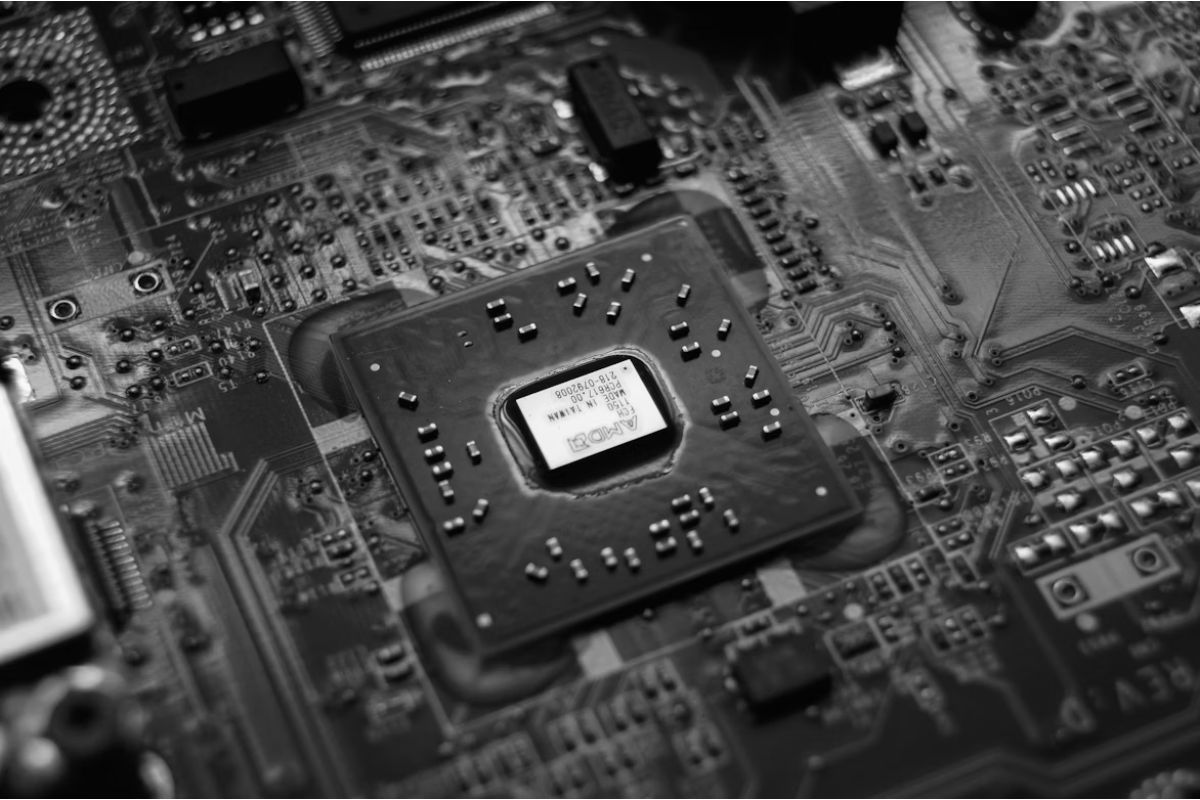
Photo Credit: Unsplash/Jorge Salvador
Rising memory prices are a key headwind for smartphone companies, says Counterpoint
Click Here to Add Gadgets360 As A Trusted Source

Advertisement
Global smartphone system-on-chip (SoC) shipments could witness a decline in 2026, according to a new Counterpoint report. The analysts have shared their forecast for this year's chipset market, claiming that the rising memory prices could emerge as a major headwind for smartphone brands and impact the shipments of processors. However, it is said that despite the decline, demand for premium smartphones could boost the overall SoC market revenue in this calendar year. Additionally, Apple and Qualcomm are said to benefit the most with the emerging premiumisation trend.
Smartphone SoC Shipments to Take a Hit in 2026
According Counterpoint Research's Global Smartphone SoC Model Shipments and Revenue Tracker, the global smartphone SoC market is expected to witness a period of slowdown with the shipments expected to decline by seven percent year-on-year (YoY). It is said that the rising memory prices driven by the severe RAM shortage will drive this slowdown.
The report claims that the impact of the rising memory component costs will be felt the most in the sub-$150 (roughly Rs. 13,800) segment, where the smartphone shipments could plummet due to shrinking margins. Counterpoint notes that chip foundries and memory suppliers are increasingly prioritising high-margin HBM production to support the expansion of artificial intelligence (AI) data centres.
However, exceptions to this headwind will be the brands that have invested in in-house chipset development, such as Samsung, Google, Huawei, and Xiaomi, the report added. However, how long these brands will be able to sustain the component shortage cannot be said for certain.
Despite the downturn, the analysts forecast that the global chipset market will witness double-digit revenue growth in 2026, owing to the emerging premiumisation trend. It is said that consumers are increasingly leaning towards premium smartphones, resulting in higher purchase of flagship or mid-premium chipsets by smartphone brands. One Counterpoint analyst claimed that nearly one in three smartphones in the ongoing year is expected to be priced above $500 (roughly Rs. 46,000).
As part of the premiumisation drive, flagship smartphones in 2026 are said to move from 3nm to 2nm chips. Notably, Samsung is expected to begin mass manufacturing of its 2nm SoC, dubbed the Exynos 2600, soon. Other players are also expected to enter the race soon.
Counterpoint claims that the demand for premium smartphones will benefit Apple and Qualcomm, two companies which already operate in the segment. Additionally, it is said that MediaTek is closing the gap and is likely to make further progress in the premium Android smartphone market. Further, Samsung's premium adoption is also said to be improving, which is aligned with its transition to 2nm chipsets.
Comments
Get your daily dose of tech news, reviews, and insights, in under 80 characters on Gadgets 360 Turbo. Connect with fellow tech lovers on our Forum. Follow us on X, Facebook, WhatsApp, Threads and Google News for instant updates. Catch all the action on our YouTube channel.
Related Stories

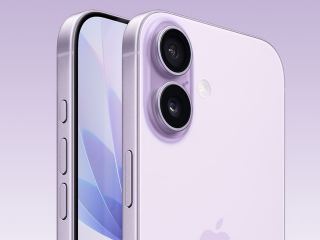


Global Smartphone SoC Shipments to Decline by 7 Percent in 2026 Amid Rising Memory Costs: Counterpoint


Advertisement
Follow Us




-
03:06
How To Delete Instagram Account | Step-By-Step Guide -
05:36
[Sponsored] Haier C90 OLED TV | Dolby Vision IQ, 144Hz OLED and Google TV in Action -
07:38
Redmi Pad 2 Pro Review | Worth Buying or not? | Best Tablet in Budget? -
08:02
Top OxygenOS 16 Features You Must Know: Don't Miss These OnePlus Features On Your Phone! -
10:42
[Partner Content] OPPO Find X9 Two Week Experience: Here's Why It Stands Out
-
200MP कैमरा के साथ Redmi Note 15 Pro 5G, Note 15 Pro+ 5G लॉन्च, जानें
-
Facebook और Instagram के फीचर्स नहीं रहेंगे फ्री, करना होगा भुगतान
-
Android 17 लेकर आएगा ब्लर UI, स्क्रीन रिकॉर्डर भी होगा अपडेट, जानें
-
3000 रुपये सस्ता मिल रहा 7400mAh बैटरी वाला OnePlus स्मार्टफोन, ये है बेस्ट डील
-
50 मेगापिक्सल कैमरा, 7200mAh बैटरी के साथ Vivo Y31d लॉन्च, जानें कैसे हैं फीचर्स
Advertisement
Popular on Gadgets
- Samsung Galaxy Unpacked 2025
- ChatGPT
- Redmi Note 14 Pro+
- iPhone 16
- Apple Vision Pro
- Oneplus 12
- OnePlus Nord CE 3 Lite 5G
- iPhone 13
- Xiaomi 14 Pro
- Oppo Find N3
- Tecno Spark Go (2023)
- Realme V30
- Best Phones Under 25000
- Samsung Galaxy S24 Series
- Cryptocurrency
- iQoo 12
- Samsung Galaxy S24 Ultra
- Giottus
- Samsung Galaxy Z Flip 5
- Apple 'Scary Fast'
- Housefull 5
- GoPro Hero 12 Black Review
- Invincible Season 2
- JioGlass
- HD Ready TV
- Laptop Under 50000
- Smartwatch Under 10000
- Latest Mobile Phones
- Compare Phones
Latest Gadgets
- Moto G77
- Moto G67
- Realme P4 Power 5G
- Vivo X200T
- Realme Neo 8
- OPPO Reno 15 FS
- Red Magic 11 Air
- Honor Magic 8 RSR Porsche Design
- HP HyperX Omen 15
- Acer Chromebook 311 (2026)
- Lenovo Idea Tab Plus
- Realme Pad 3
- HMD Watch P1
- HMD Watch X1
- Haier H5E Series
- Acerpure Nitro Z Series 100-inch QLED TV
- Asus ROG Ally
- Nintendo Switch Lite
- Haier 1.6 Ton 5 Star Inverter Split AC (HSU19G-MZAID5BN-INV)
- Haier 1.6 Ton 5 Star Inverter Split AC (HSU19G-MZAIM5BN-INV)

- About Us
- Sitemaps
- Feedback
- Archives
- Contact Us
- RSS
- Advertise
- Career
- Privacy Policy
- Ethics
- Editorial Policy
- Terms & Conditions
- Complaint Redressal
Download Our Apps
Available in Hindi
© Copyright Red Pixels Ventures Limited 2026. All rights reserved.