


-
 Samsung Galaxy S26 Ultra's Successor Tipped to Feature 200-Megapixel ISOCELL HPA Sensor With LOFIC2 March 2026
 -
Samsung Galaxy S27 Ultra Tipped to Launch With a Custom Snapdragon 8 Elite Series Chip30 January 2026
-
Samsung Galaxy S26 Ultra Rumours Point to Darker Frame, Same Camera Hardware27 November 2025
-
Samsung Galaxy S27 Ultra Could Feature 2nm Exynos Chip as Firm Prioritises Closing Gap With TSMC: Report24 November 2025
- Home
- Mobiles
- Mobiles News
- Samsung Galaxy S27 Ultra Will Reportedly Retain S Pen Support With Digitiser
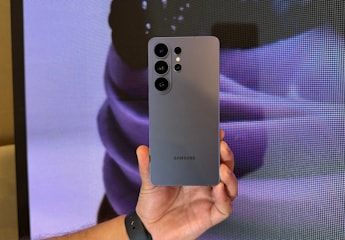
Samsung Galaxy S27 Ultra Will Reportedly Retain S Pen Support With Digitiser
Samsung is expected to equip the Galaxy S27 Ultra with a custom Snapdragon 8 Elite Gen 6 Pro chipset.
Written by Sucharita Ganguly, Edited by David Delima | Updated: 24 March 2026 19:42 IST
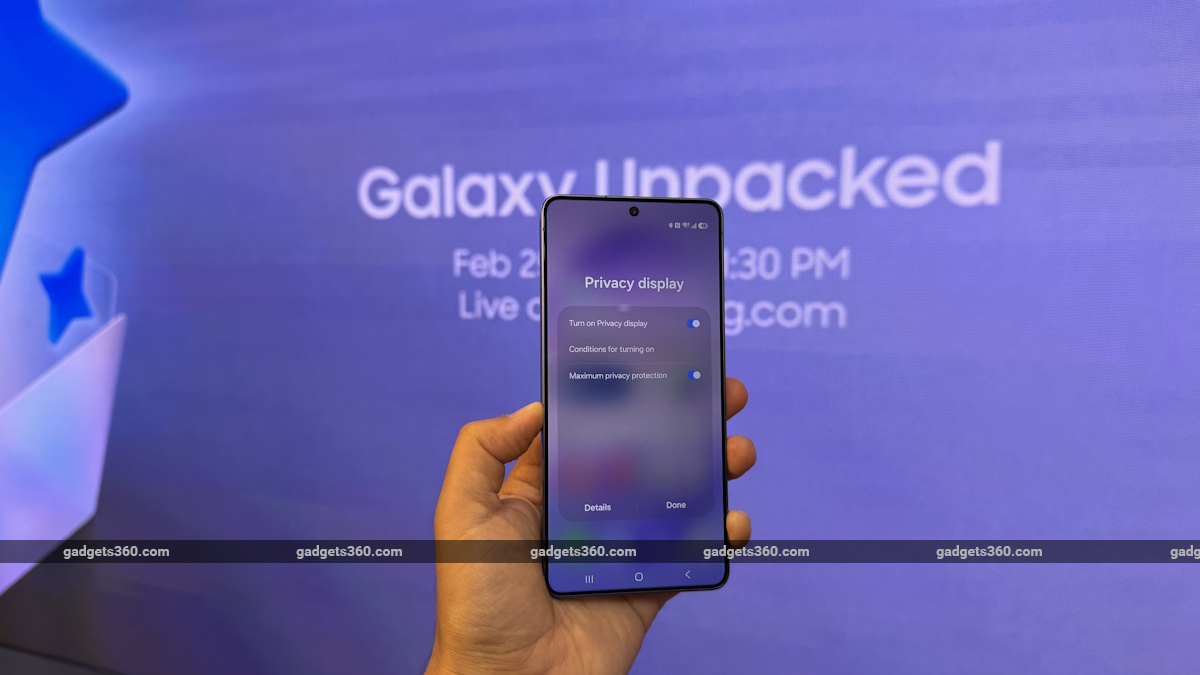
Samsung Galaxy S26 Ultra (pictured) supports an IP68-rated digitiser-based S Pen
Click Here to Add Gadgets360 As A Trusted Source

Advertisement
Samsung has reportedly decided to retain the digitiser-based S Pen technology in its upcoming Galaxy S27 Ultra, reversing earlier plans to remove the component. The move is said to come after the company explored ways to reduce device thickness by altering its stylus input system. However, recent developments suggest Samsung is prioritising core features over design changes. The decision also reflects broader considerations around user experience and hardware compatibility, as the company evaluates how future technologies could affect its flagship smartphone lineup.
Samsung Previously Planned to Remove Galaxy S27 Ultra's S Pen Digitiser
According to an ET News report (in Korean) citing industry sources, Samsung had explored removing the digitiser to reduce device thickness. The digitiser, which is around 0.3mm thick, enables pen input through Electromagnetic Resonance (EMR) technology by creating an electromagnetic field on the display. This allows the S Pen to function without a battery, but it adds to the device's thickness.
The company had also reviewed alternatives, including the Active Electrostatic (AES) method, where the pen contains a battery and generates its own signal to interact with a capacitive display. Samsung was also said to be evaluating a hybrid approach that removes the need for both a digitiser and a battery. However, the report says the company has decided to continue with the existing digitiser-based system.
Samsung considered these changes while still planning to retain S Pen support in the Galaxy S27 Ultra. Unlike the Galaxy Z Fold 7, where the digitiser was removed, and stylus support was dropped, the Ultra series has consistently included built-in pen support. As a result, the Galaxy S27 Ultra is expected to continue supporting the existing S Pen with digitiser-based EMR input, allowing stylus use without a battery.
According to the publication, thinner smartphones released last year, including the Galaxy S25 Edge and iPhone Air, did not receive a positive response, influencing Samsung to avoid prioritising thinness at the cost of features.
The report added that future design decisions may depend on support for magnetic accessories and wireless charging standards like MagSafe and Qi 2. These technologies use magnets that can interfere with the digitiser's magnetic field, making it difficult for both to work together without changes. As a result, Samsung may need to develop new designs or reconsider removing the digitiser in future devices.
An earlier leak suggested that Samsung could equip the Galaxy S27 Ultra with a custom Snapdragon 8 Elite Gen 6 Pro chipset. Meanwhile, the Galaxy S27 and Galaxy S27+ are expected to be powered by an in-house 2nm Exynos 2600 SoC.
- REVIEW
- KEY SPECS
- NEWS
- Good
- Lightweight design and super thin profile
- Fantastic displays
- Top-notch performance
- Excellent primary camera
- Launches with One UI 8 based on Android 16 out of the box (and gets extended software support)
- Bad
- Charging speed capped at 25W
- Battery life could have been better
- No S Pen support
- Expensive
Read detailed Samsung Galaxy Z Fold 7 review
Display (Primary) 8.00-inch
Cover Display 6.50-inch
Cover Resolution 2520x1080 pixels
Front Camera 10-megapixel + 10-megapixel
Rear Camera 200-megapixel + 12-megapixel + 10-megapixel
RAM 12GB
Storage 256GB, 512GB
Battery Capacity 4400mAh
OS Android 16
Resolution 1968x2184 pixels
- REVIEW
- KEY SPECS
- NEWS
- Good
- Slim and light IP68-rated design
- Smooth software experience loaded with AI
- Impressive primary camera
- 7 years of software and security updates
- Bad
- Lacks a dedicated telephoto camera
- Average ultrawide camera performance
- Gets too hot when using the camera
- Throttles quickly under load
- Battery life only lasts a day
- Charging is relatively slow
Read detailed Samsung Galaxy S25 Edge review
Display 6.70-inch
Processor Snapdragon 8 Elite
Front Camera 12-megapixel
Rear Camera 200-megapixel + 12-megapixel
RAM 12GB
Storage 256GB, 512GB
Battery Capacity 3900mAh
OS Android 15
Resolution 1440x3120 pixels
- REVIEW
- KEY SPECS
- NEWS
- Good
- Incredibly lightweight and super thin
- Stunning display
- Solid performance
- Good primary and selfie cameras
- Bad
- A single-camera sensor at the back
- Slow charging
- Battery life could have been better
- Mono speaker leaves much to be desired
- Expensive
Read detailed Apple iPhone Air review
Display 6.50-inch
Processor Apple A19 Pro
Front Camera 18-megapixel
Rear Camera 48-megapixel
RAM 12GB
Storage 256GB, 512GB, 1TB
OS iOS 26
Resolution 1260x2736 pixels
Comments
Get your daily dose of tech news, reviews, and insights, in under 80 characters on Gadgets 360 Turbo. Connect with fellow tech lovers on our Forum. Follow us on X, Facebook, WhatsApp, Threads and Google News for instant updates. Catch all the action on our YouTube channel.
Further reading:
Samsung Galaxy S27 Ultra, Samsung Galaxy S27 Ultra S Pen, Galaxy S Pen, S Pen WIth Digitiser, Samsung, Samsung Galaxy S27 Ultra Features, Samsung Galaxy S27 Series
Related Stories



Advertisement
Follow Us




-
![[Sponsored] Samsung Galaxy S26 Ultra First Look: AI Smartphone for Creators, Gaming & Productivity](https://www.gadgets360.com/static/desktop/images/spacer.png)
02:29
[Sponsored] Samsung Galaxy S26 Ultra First Look: AI Smartphone for Creators, Gaming & Productivity -
04:25
Vivo X200T Review - Full Camera, Gaming & Battery Test | Worth Buying? -
28:31
The Future of Productivity: Logitech's Anatoliy Polyanker On AI, Hybrid Work, And India's Tech Boom -
04:46
Infinix Note Edge 5G Review | Budget 5G Phone With Premium Features? -
04:54
Redmi Note 15 Review: Features, Specifications, Pros, Cons, And Everything Else
-
48MP कैमरा वाला Google Pixel 10a मिल रहा यहां पर सस्ता, जानें पूरा ऑफर
-
GST पोर्टल में कैसे करें लॉगिन, टैक्स से लेकर हर शिकायत का मिलेगा समाधान
-
Xiaomi ने लॉन्च किया Mijia Smart Air Fryer Pro, घर पर बिना गैस बनेगा खाना
-
Vivo T5x 5G पर मिल रहा 2 हजार का डिस्काउंट, आज से सेल शुरू
-
OnePlus Nord 6 होगा 7 अप्रैल को 9000mAh बैटरी के साथ लॉन्च, जानें क्या हैं खासियतें
Advertisement
Popular on Gadgets
- Samsung Galaxy Unpacked 2026
- iPhone 17 Pro Max
- ChatGPT
- iOS 26
- Laptop Under 50000
- Smartwatch Under 10000
- Apple Vision Pro
- Oneplus 12
- OnePlus Nord CE 3 Lite 5G
- iPhone 13
- Xiaomi 14 Pro
- Oppo Find N3
- Tecno Spark Go (2023)
- Realme V30
- Best Phones Under 25000
- Samsung Galaxy S24 Series
- Cryptocurrency
- iQoo 12
- Samsung Galaxy S24 Ultra
- Giottus
- Samsung Galaxy Z Flip 5
- Apple 'Scary Fast'
- Housefull 5
- GoPro Hero 12 Black Review
- Invincible Season 2
- JioGlass
- HD Ready TV
- Latest Mobile Phones
- Compare Phones
Latest Gadgets
- OnePlus 15T
- Huawei Mate 80 Pro Max Wind Edition
- Huawei Enjoy 90 Plus
- Huawei Enjoy 90 Pro Max
- OPPO A6s 5G
- Poco X8 Pro 5G
- Poco X8 Pro Max 5G
- OPPO K14 5G
- Xiaomi Book Pro 14
- MacBook Neo
- Lenovo Legion Y700 Gen 5
- Tecno Megapad 2
- boAt Valour Watch 1R
- Xiaomi Watch S5
- Xiaomi QLED TV X Pro 75
- Haier H5E Series
- Asus ROG Ally
- Nintendo Switch Lite
- Haier 1.6 Ton 5 Star Inverter Split AC (HSU19G-MZAID5BN-INV)
- Haier 1.6 Ton 5 Star Inverter Split AC (HSU19G-MZAIM5BN-INV)

- About Us
- Sitemaps
- Feedback
- Archives
- Contact Us
- RSS
- Advertise
- Career
- Privacy Policy
- Ethics
- Editorial Policy
- Terms & Conditions
- Complaint Redressal
Download Our Apps
Available in Hindi
© Copyright Red Pixels Ventures Limited 2026. All rights reserved.



-
 Samsung Galaxy S27 Ultra Will Reportedly Retain S Pen Support With Digitiser
-
 Realme 16 5G Battery Capacity, Colourways and Other Key Features Revealed Ahead of Launch in India
-
 Anthropic’s Claude Can Now Use Your Computer to Complete Tasks
-
 BSNL Reportedly Begins CNAP Integration; Nationwide Caller ID Rollout Expected Soon