-
 Best AMOLED Display Phones Under Rs. 50,000: Motorola Edge 70 Pro+, Nothing Phone (4a) Pro and More13 September 2026
 -
iQOO 16 Design, Colourway Revealed as Firm Confirms Major Camera Upgrade11 September 2026
-
iQOO Pad Ultra Teased as Gaming-Focused Mini Tablet With Built-In Cooling Fan9 September 2026
-
iQOO 16 China Launch Confirmed for September; iQOO Pad Ultra to Tag Along8 September 2026
-
iQOO 16 Tipped to Launch in September With Snapdragon 8 Elite Gen 6 Chip7 September 2026
- Home
- Mobiles
- Mobiles Reviews
- iQOO Z10R Review: Slim and Stylish, but Not for Everyone
iQOO Z10R Review: Slim and Stylish, but Not for Everyone
In our review, iQOO's Z10R finds itself in a tough spot, given that competing devices offer more at the same price point.
Written by Sheldon Pinto, Edited by Ketan Pratap | Updated: 12 December 2025 12:58 IST
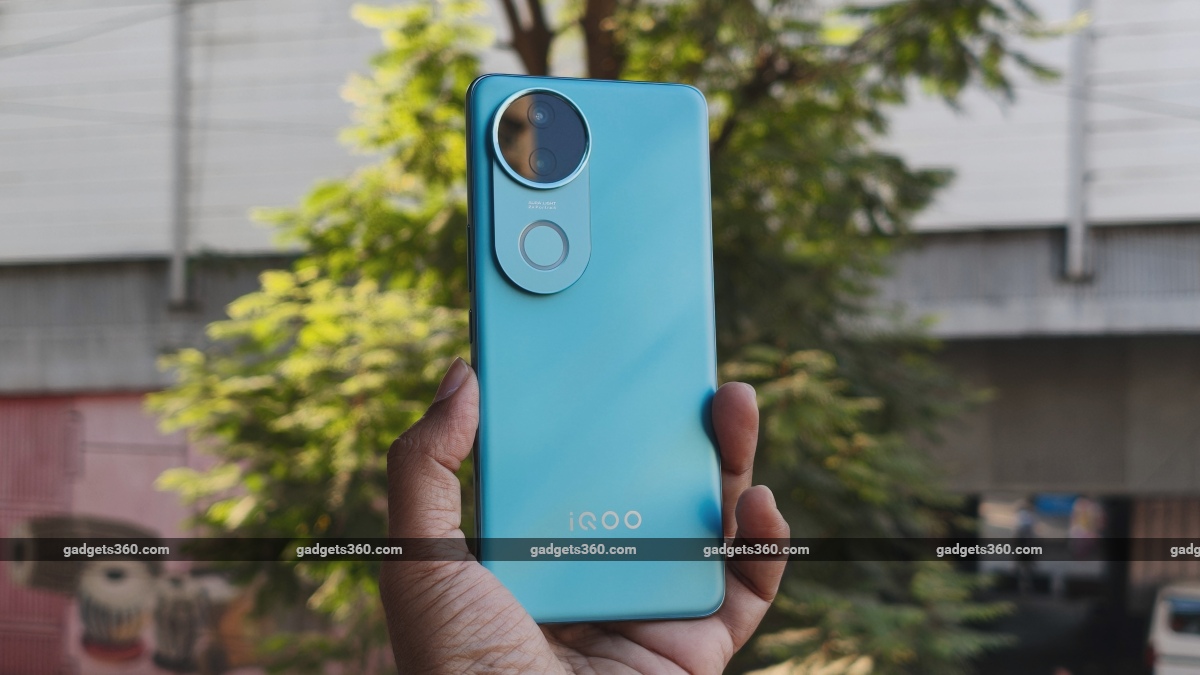
The iQOO Z10R is priced from Rs 20,999 in India
Click Here to Add Gadgets360 As A Trusted Source

Advertisement
The upper end of the budget smartphone segment is highly competitive. On the one hand, we have high-end budget phones that offer good value but lack capable cameras. On the other hand, we have low-end mid-range phones that offer decent low-light imaging and better overall specifications, albeit at a slightly higher price. The iQOO Z10R is one such device that somehow does not fit in either of the above-mentioned smartphone segments. After using it for a few weeks, I discovered that the iQOO Z10R finds itself on the fence, trying to offer mid-range performance at a budget price. Does it succeed in finding its sweet spot? Or does it fail to deliver both value and performance? Read on to find out.
iQOO Z10R Design
The iQOO Z10R can easily be mistaken for an older Vivo V-series smartphone. The Vivo V-series has abandoned this keyhole-shaped camera module in favour of a more mature, capsule-shaped one this year, following the launch of its Vivo V60.
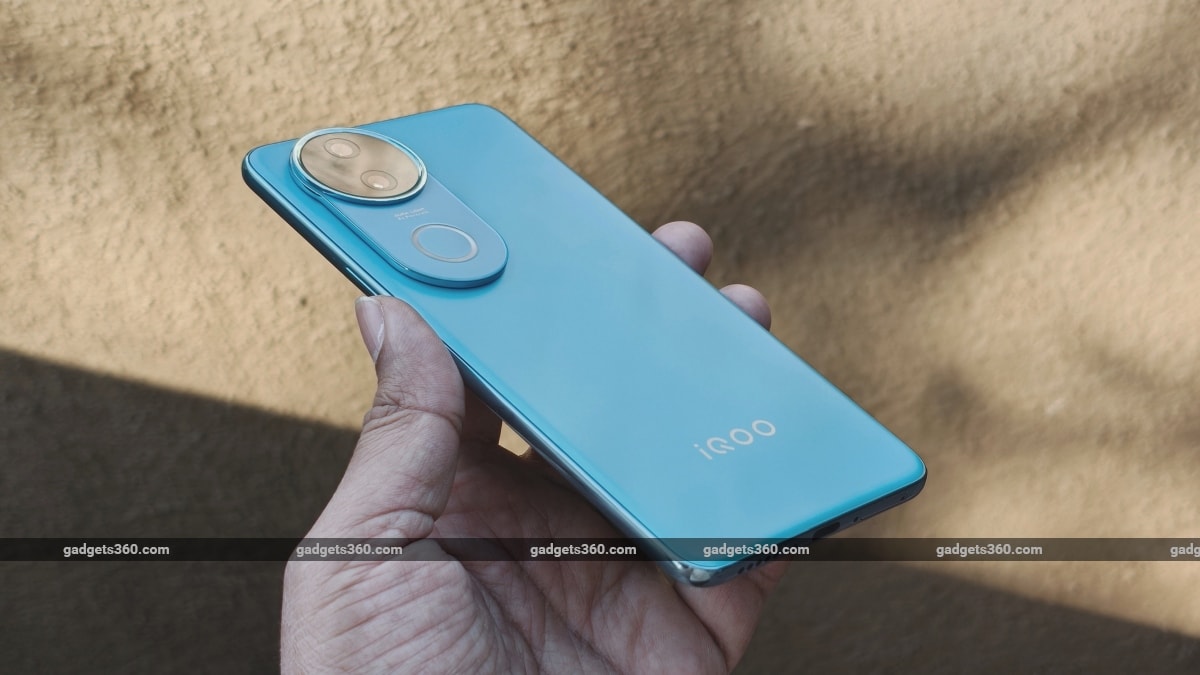
The iQOO Z10R does remind me of the older Vivo V50 series
Similarities aside, the phone does not feel like a budget smartphone, but a midrange one. There's a lovely quad-curved screen that adds to its premium feel and appearance. The aggressively curved display glass seamlessly blends into the polycarbonate frame and then into the curved rear panel. The rounded sides and curved-edge panels do make the iQOO Z10R feel and appear quite slim.
I found the bright blue finish and the wavy pattern of the Aquamarine finish a bit loud. So, it's good that a subtle greyish Moonstone finish also exists. But it's made out of polycarbonate and naturally gathers fingerprints and smudges. However, given the bright colour, you can only spot the grime when viewed at an angle.
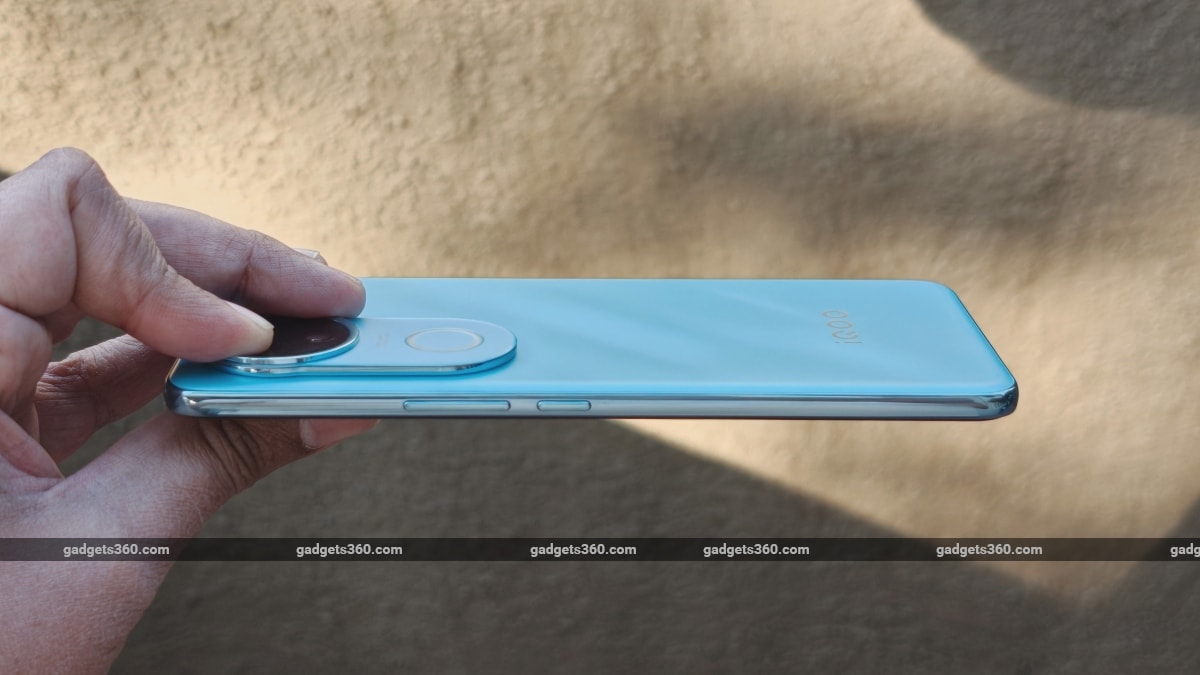
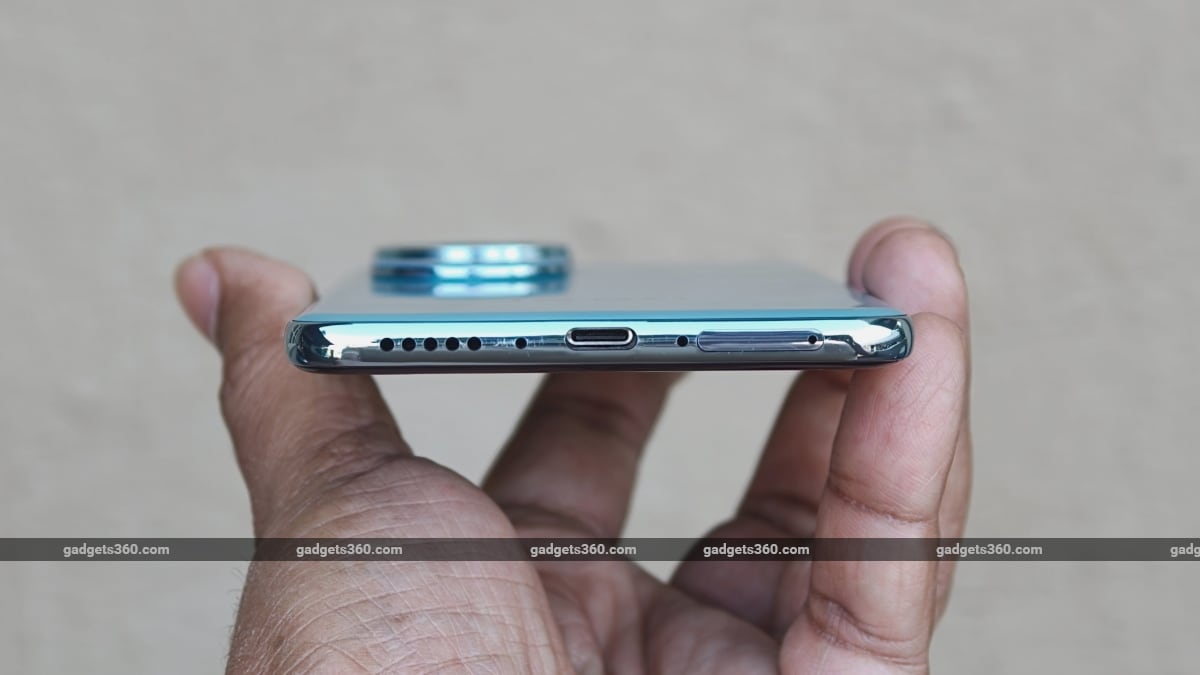
The iQOO Z10R is just 7.39mm thick
Alas, you can still find iQOO Z10R's budget roots by running your finger over the speaker grille and the USB-C port, which feel a bit sharp. Minor niggles aside, iQOO does provide an IP69 rating for dust and water, which is commendable for a smartphone at this price point. As always, smartphone manufacturers do not cover damage caused by water ingress, so we recommend our readers be cautious when testing the phone's water resistance.
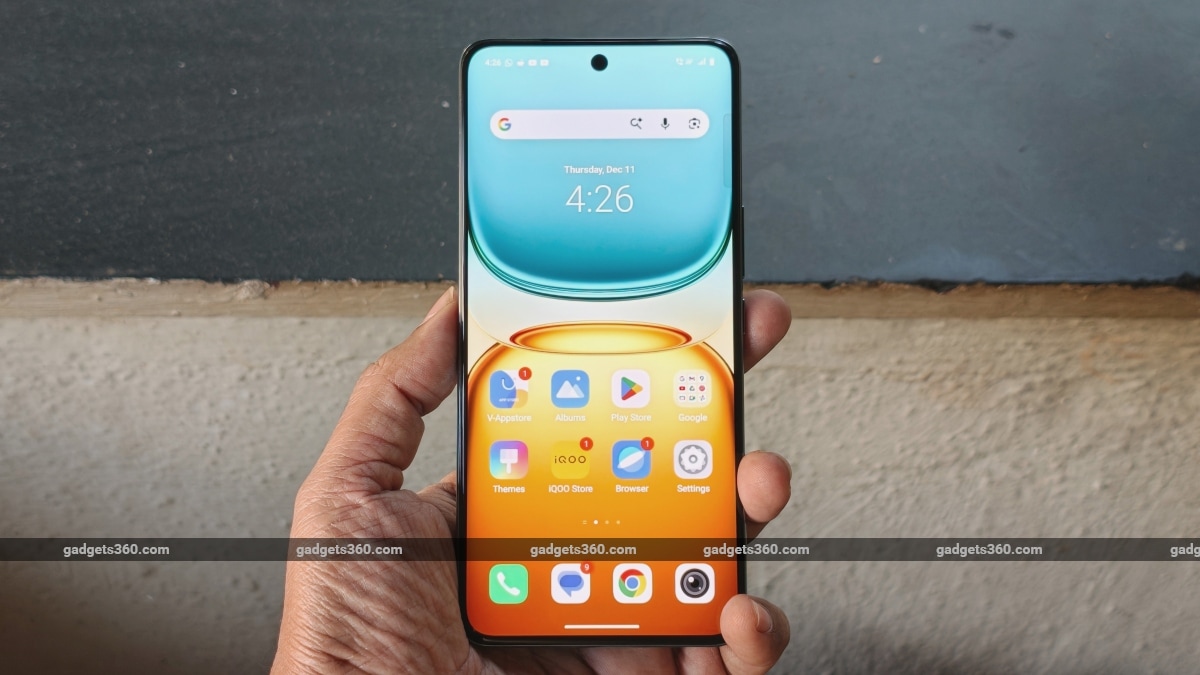
The quad-curved AMOLED panel gets bright enough to tackle the outdoors
The iQOO Z10R has a 6.7-inch, 120Hz quad-curved AMOLED panel, with the company claiming a peak local brightness of 1,800 nits. In practice, I did find it sufficiently bright both indoors and outdoors. The display is also HDR10-certified, so I could enjoy shows in HDR, and it appeared contrasted and vibrant as expected. Colours in the Standard screen colour mode are a bit saturated, so I switched to the closer-to-natural Professional mode, but it showed colours that were a bit too warm. Given that this is a quad-curved screen, you will see some unnecessary reflections from its curved edges near the corners, which can be distracting.
iQOO Z10R Performance
The phone still runs Android 15 with iQOO's Funtouch OS. The device, along with others in this segment, is expected to get upgraded to both Android 16 and OriginOS by the first half of 2026. Since it retails with Android 15 out of the box, iQOO's software commitment of 2 years of OS updates and 3 years of security updates does seem a bit worrying for those who hold on to their phone for a long time.
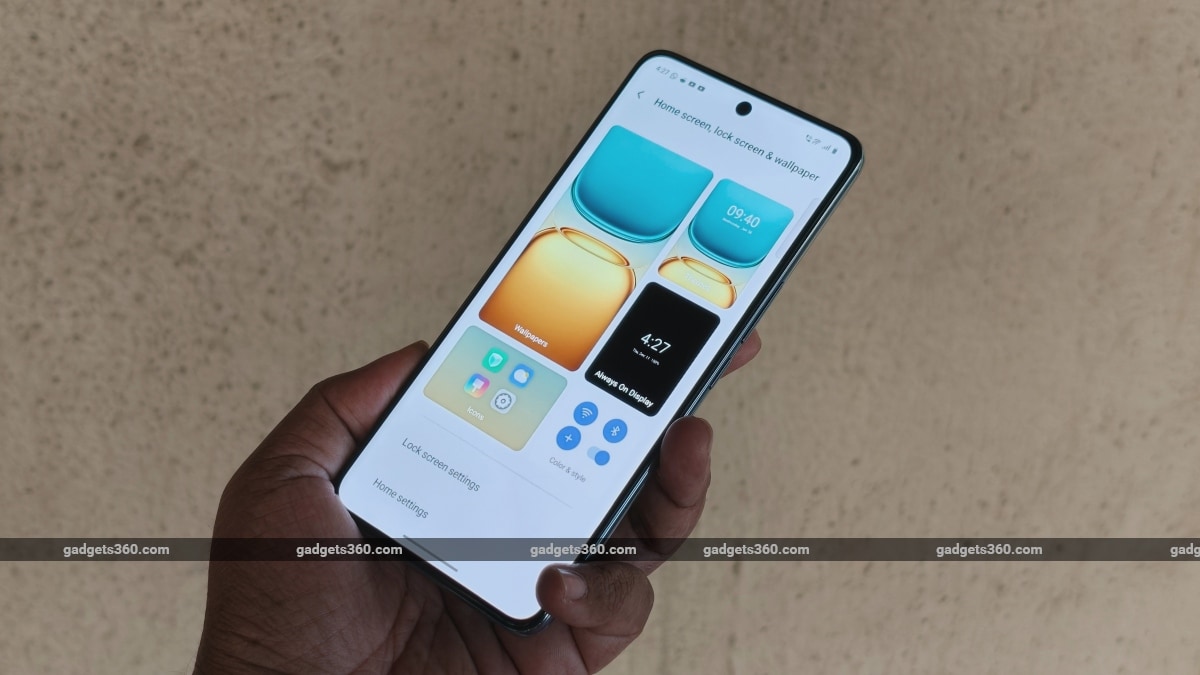
The iQOO Z10R still runs the Android 15-based Funtouch OS
There are also some third-party apps (Amazon, Facebook, LinkedIn, Snapchat, Netflix and PhonePe) that come preinstalled on the phone, but all of these can be uninstalled if not required. The software experience, although now dated, does feel quite smooth, with no noticeable hiccups when multitasking or switching between apps. There's still plenty of customisation options available, but no built-in AI action (apart from Google's Gemini). The only annoying bit about the software experience is the jarring vibrations that were produced by the haptic motor. I preferred to keep it switched off for software interactions.
As for performance, the phone performs as expected, on par with competing smartphones priced both above and below it, as shown in the following table.
| Benchmarks | iQOO Z10R | Moto G69 | Vivo T4 |
|---|---|---|---|
| Display resolution | FHD+ | FHD+ | FHD+ |
| Chipset | MediaTek Dimensity 7400 (4nm) | Qualcomm Snapdragon 7s Gen 2 (4nm) | Qualcomm Snapdragon 7s Gen 3 (4 nm) |
| AnTuTu v10 | 9,06,550 | 7,66,690 | 7,80,665 |
| PCMark Work 3.0 | 10,933 | 14,809 | 11,328 |
| Geekbench 6 Single | 974 | 1,008 | 1,120 |
| Geekbench 6 Multi | 2,824 | 2,907 | 3,043 |
| Geekbench AI CPU (Quant) | 2,119 | NA | NA |
| Geekbench AI GPU (Quant) | 586 | NA | NA |
| 3DM Wild Life | 3,148 | 3,010 | 3,924 |
| 3DM Wild Life Unlimited | 3,144 | 3,065 | 4,090 |
| 3DM Steel Nomad Light | 347 | NA | NA |
Gaming performance is decent. But the screen's touch sampling rate is a bit slow for fast-paced FPS games. Call of Duty: Mobile was playable at the default Very High graphics and Max frame rate settings, and also worked just fine with the Ultra frame rate (which sets the graphics to Low). At the default settings, I noticed some lag and frame drops after 10 minutes of gaming. Of course, you will not get 90fps gaming in Ultra mode, but more in the range of 45-60fps, and so I would not recommend this phone purely for gaming. The phone did not feel hot while playing games, and the same applies when using the camera app outdoors. iQOO did not include a vapour chamber cooling system on the Z10R, but went with a simpler graphite sheet, which is suitable for insulation but not sustained performance.
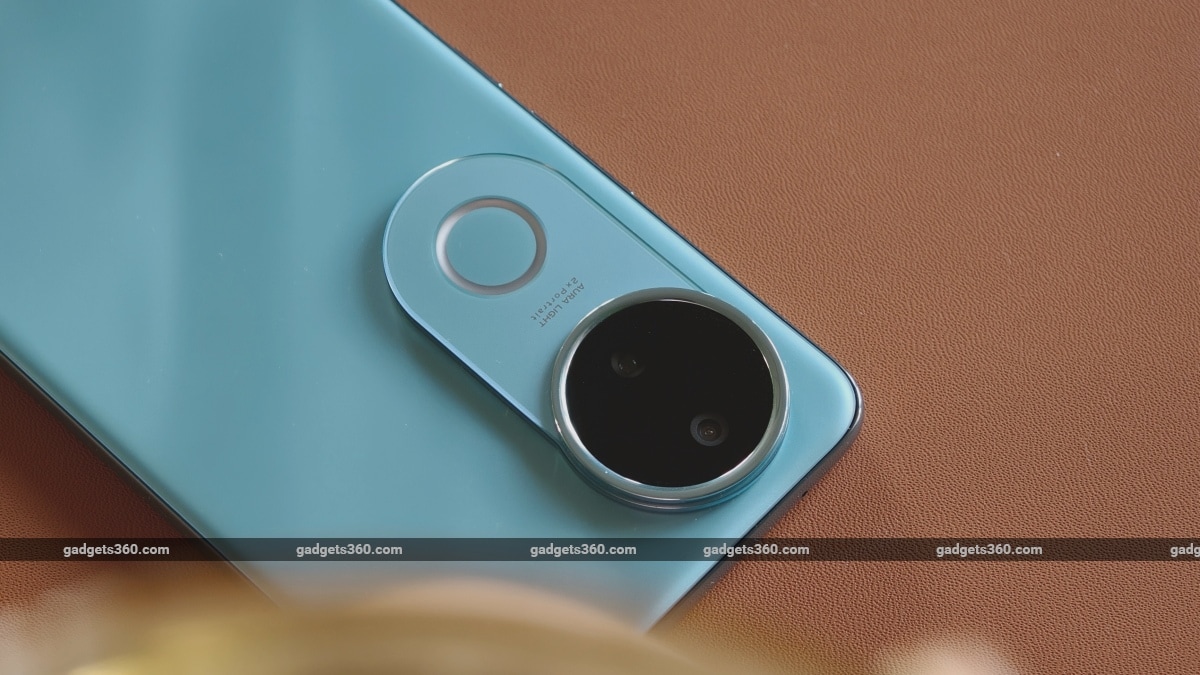
The iQOO Z10R has only one user-accessible rear-facing camera
The iQOO Z10R shares its cameras with the slightly more expensive iQOO Z10 and the Vivo T4, but has a different processor powering the imaging experience, and so the results are quite different. There's a single 50-megapixel primary camera (Sony IMX882) with OIS and an f/1.7 aperture. It is accompanied by another 2-megapixel sensor for gathering depth data when using the Portrait camera mode. Selfies are captured with a 32-megapixel camera featuring an f/2.4 aperture. Both cameras produce 12-megapixel binned images.
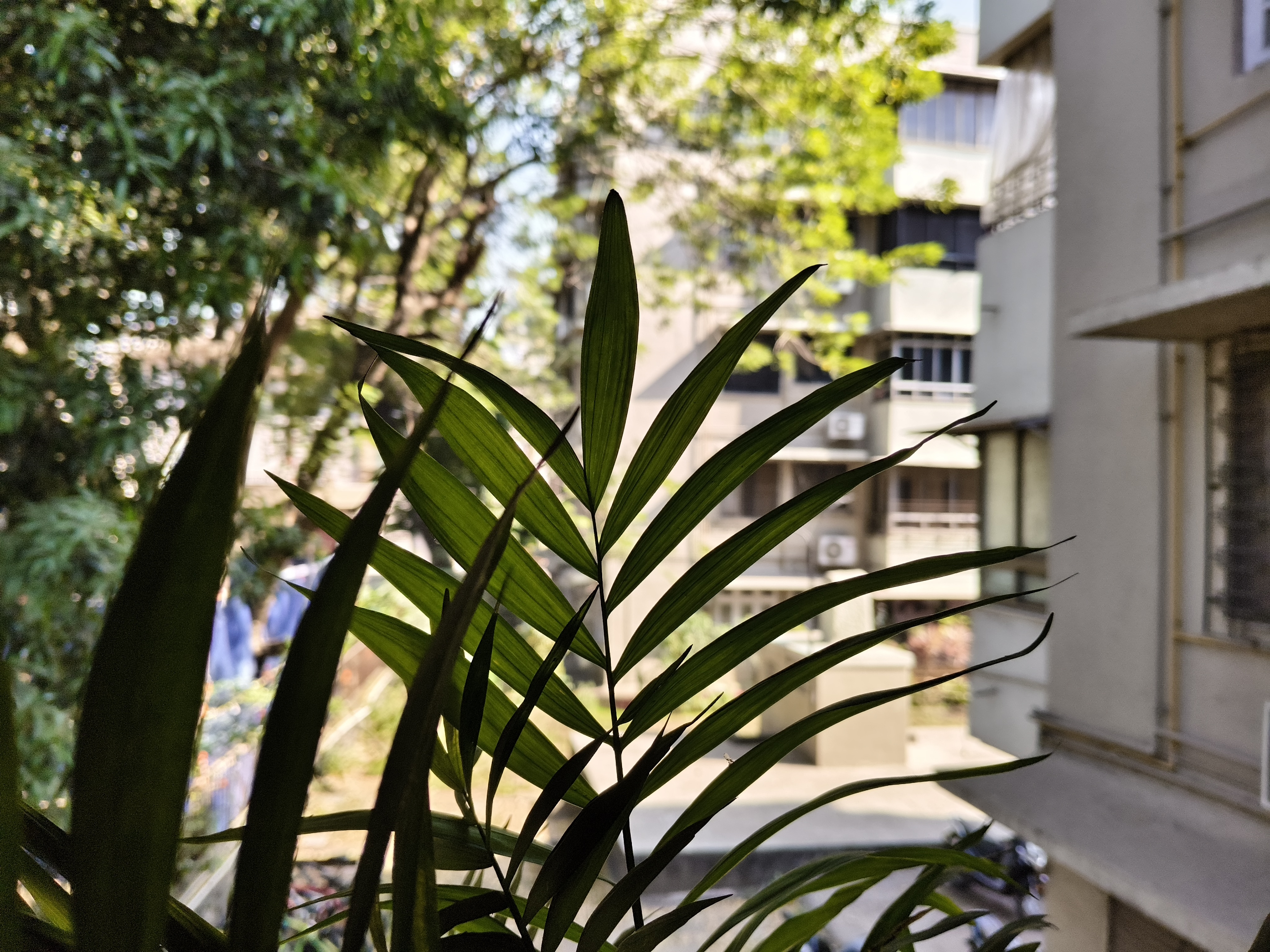
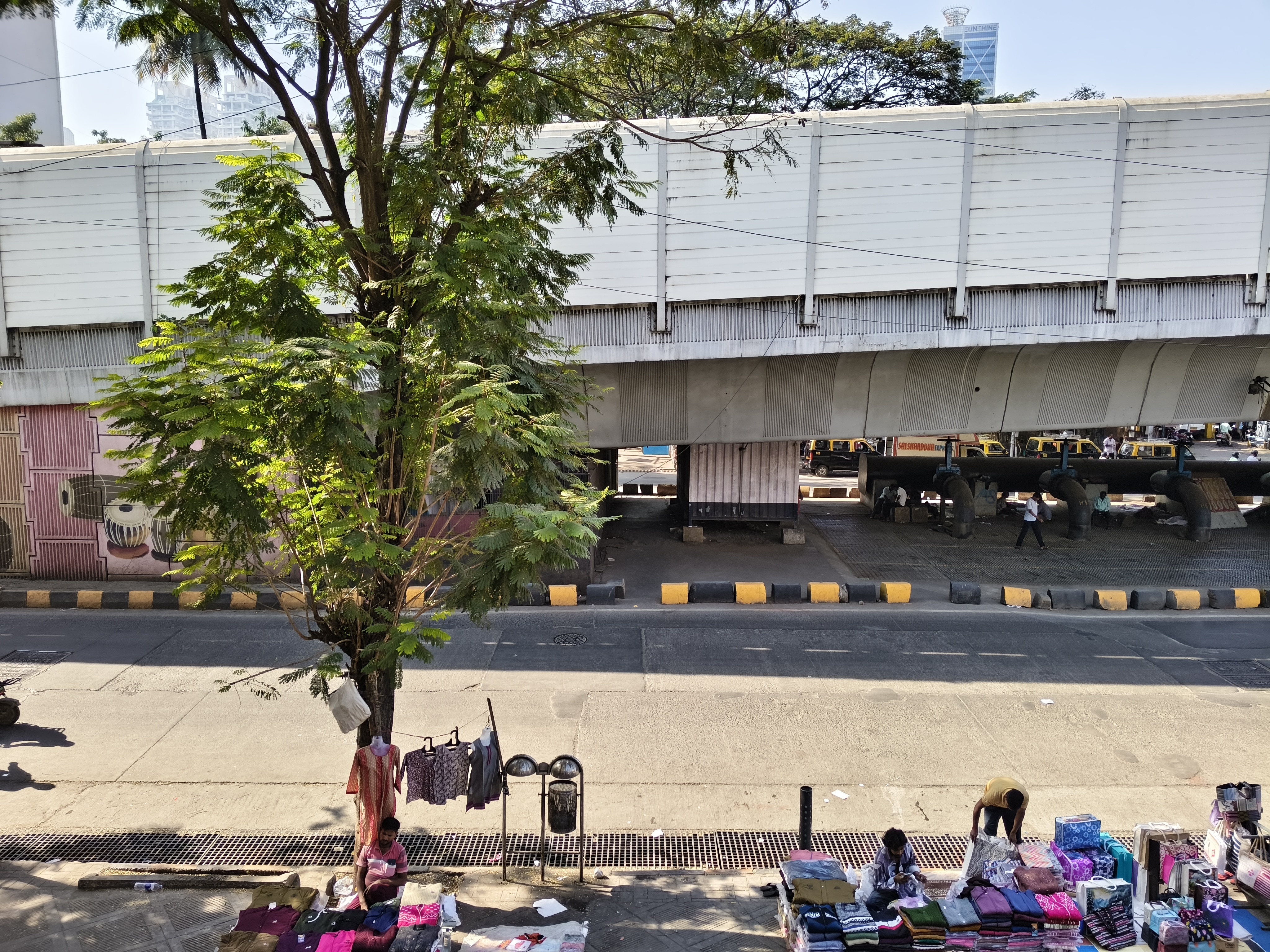
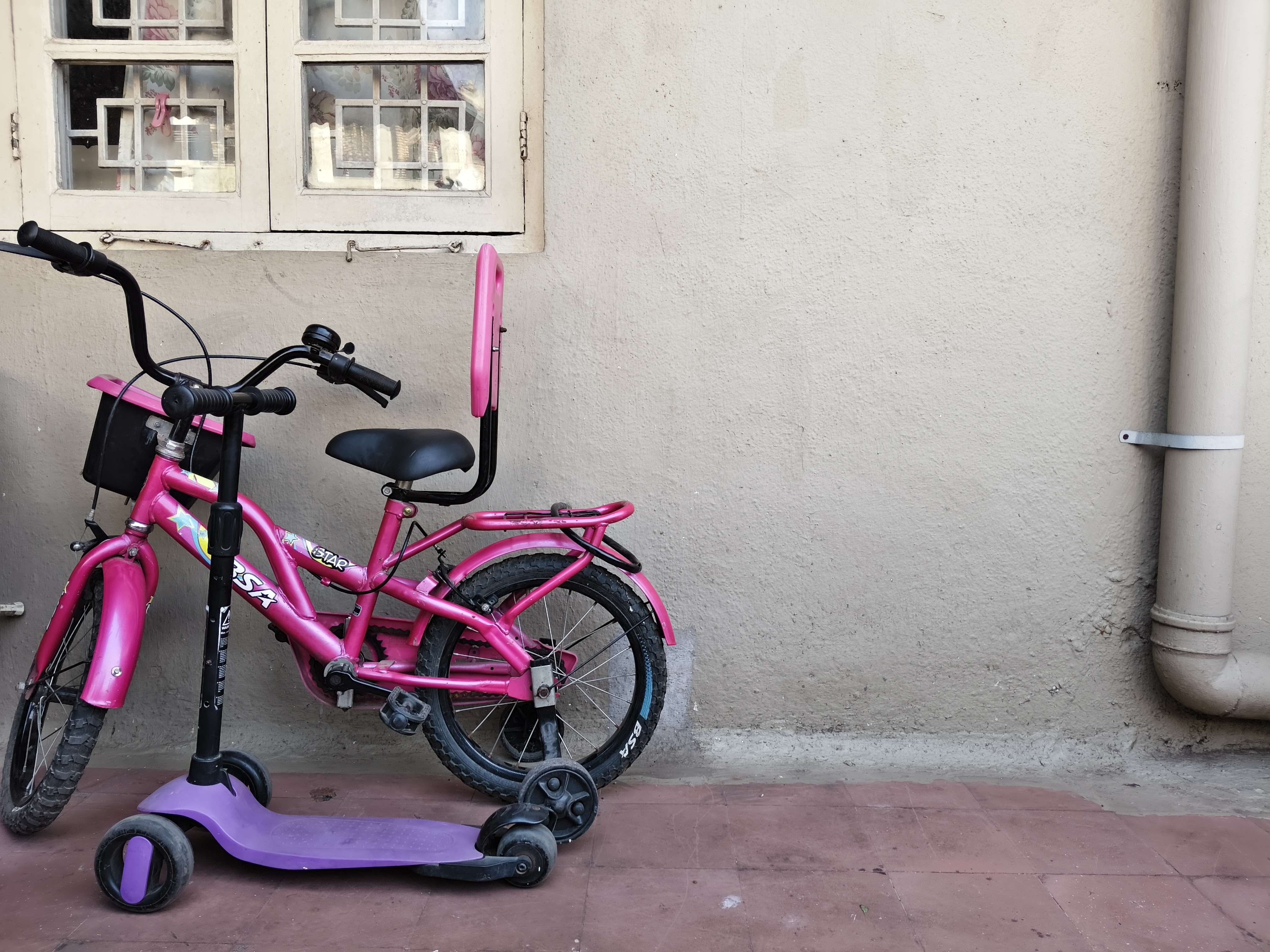
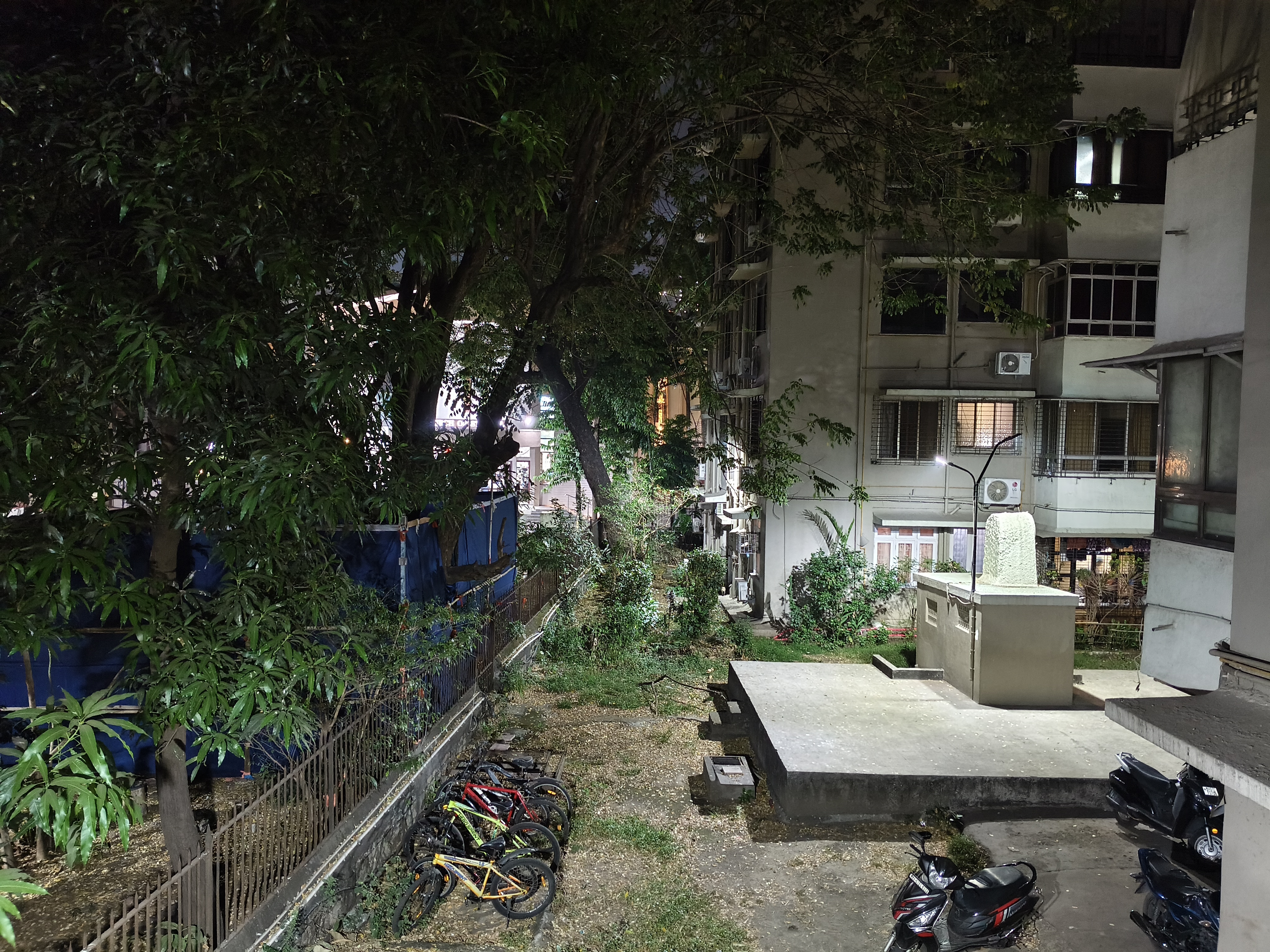
iQOO Z10R Primary camera samples (Tap images to expand)
The primary camera captures decent images in daylight. They appear a bit contrasted at times, but there's good dynamic range and decent colour reproduction when compared to the actual scene. An area where this camera falls short is detail. There's just not enough of it when you zoom into an image, even by a little. Textures begin to tear, and finer details appear blotchy even in daylight. The same also applies to low-light imagery, and the dedicated Night mode also does not help in any way. The same sensor produces better images on the Vivo T4. So, this is either a case of lazy optimisation or the result of a different Image Signal Processor (ISP) because of the latter's Qualcomm chipset.


iQOO Z10R Primary camera Portrait mode (top), Selfie camera Portrait mode (bottom). (Tap images to expand)
The primary camera's Portrait mode surprisingly manages quality images with good detail and accurate edge-detection. The same even applies to low-light images. The 32-megapixel front-facing camera isn't as impressive and shoots decent selfies in daylight, but image quality falls apart in low light.
Video recordings have decent image quality, even though you can shoot in 4K resolution. 1080p video recordings were cropped heavily to the extent that they appeared zoomed in. Video stabilisation is also a bit shaky. 4K videos have a wider field of view. Colours appeared fine, but the quality was a bit soft when shooting at 1080p. 4K video recordings looked better overall and managed good, resolved detail as well. Dynamic range falls a bit short, so that you will notice some highlight clipping and less detail in the shadows. The same 4K setting appears noisy with faded colour in low-light shooting conditions.
The iQOO Z10R retail box comes with a 44W charger
Compared to competing smartphones that are priced a bit higher, the iQOO Z10R does have a relatively smaller battery. With a 5,700mAh capacity, it can easily last a full day of heavy use and a little over a day of casual use. PCMark's Work Battery Life test, which runs various everyday tasks in a loop until the battery drains to 80 per cent, lasted a solid 19 hours and 57 minutes. Because it does not have a massive battery capacity, the included 44W charger was quick to charge the phone to 46 percent in 30 minutes and reached a fully charged state in 1 hour and 20 minutes.
iQOO Z10R Verdict
The iQOO Z10R is neither a reasonable budget Android smartphone nor a great mid-range device. This is because it's priced too high for a budget device and does not pack in the good low-light camera performance one expects from a mid-range device either. Sadly, there are enough options above and below its price point that do a better job. There is the Moto G96, which does a fine job in most areas, except for software updates, starting at Rs. 18,999. And then, there are basic mid-rangers like the Vivo T4 (Review) and the Motorola Edge 60 Fusion (Review) that fire on all fours, delivering immense value at around Rs. 22,000, which isn't very far from the iQOO Z10R's Rs. 20,999 price tag. Despite having features like a quad-curved display and an IP69 rating, it's not easy to recommend the iQOO Z10R, as the iQOO Z10 (a replica of the Vivo T4) delivers much more at a slightly higher price. Get the iQOO Z10R only if you crave a quad-curved display and an IP69 rating, as there's better value to be found both above and below its price point.
- REVIEW
- KEY SPECS
- NEWS
- Good
- Slim IP69-rated design
- Bright and fast HDR-capable curved-edge display
- Smooth software experience
- Good battery life
- Bad
- Only 2 years OS and 3 years of SMRs
- Jarring haptics
- Average overall camera performance
Read detailed iQOO Z10R 5G review
Display 6.77-inch
Processor MediaTek Dimensity 7400
Front Camera 32-megapixel
Rear Camera 50-megapixel + 2-megapixel
RAM 8GB, 12GB
Storage 128GB, 256GB
Battery Capacity 5700mAh
OS Android 15
Resolution 1080x2392 pixels
Comments
Get your daily dose of tech news, reviews, and insights, in under 80 characters on Gadgets 360 Turbo. Connect with fellow tech lovers on our Forum. Follow us on X, Facebook, WhatsApp, Threads and Google News for instant updates. Catch all the action on our YouTube channel.
Further reading:
iQOO, iQOO Z10R, iQOO Z10R 5G, iQOO Z10R 5G Price in India, iQOO Z10R Specifications, iQOO Z10R Design, iQOO Z10R Display, iQOO Z10R Software, iQOO Z10R Performance, iQOO Z10R Battery, iQOO Z10R Cameras
Related Stories




Advertisement
Follow Us




-

05:20
Samsung Galaxy Watch Ultra 2 Review: Is This the Best Android Smartwatch? -
07:01
Samsung Galaxy Z Fold 8 Review: Is This the Best Foldable Phone? -
06:39
Samsung Galaxy Z Fold8 Ultra Review: Cameras, Battery, Performance Tested -
04:33
[Sponsored] JBL Live 780NC: Great Sound, Perfect Comfort, Smart ANC & 80-Hour Battery -
12:04
[Partner Content] OPPO Reno16 Series Deep Dive: Built for Creators?
-
iPhone Duo के लिए ₹3 लाख का बजट नहीं है? ये 4 सस्ते फोल्डेबल फोन देखिए
-
सोशल मीडिया में छाया 80s AI Photo Trend, आप भी आजमाएं ये 5 Prompts
-
Motorola के 7000mAh बैटरी वाले फोन पर ₹4,500 तक की बचत
-
Vivo X Fold 6 के इंटरनेशनल मार्केट में लॉन्च की तैयारी, Geekbench पर हुई लिस्टिंग
-
₹8 हजार सस्ता मिल रहा 64MP कैमरा वाला Vivo 5G फोन! आई जबरदस्त डील
Advertisement
Popular on Gadgets
- Samsung Galaxy S26 Ultra
- Motorola Razr Fold
- ChatGPT
- OPPO Find N6
- Mobiles Under Rs. 40,000
- Vivo X300 Ultra
- Asus Zenbook S14
- iQOO 15
- Vivo X300 Pro
- Lenovo Yoga Slim 7i Aura Edition
- iQOO 15R
- Vivo X Fold 5
- Sony PlayStation 5
- HP OmniPad 12
- OnePlus Nord CE 6 Lite
- OnePlus Pad 4
- OPPO F33 Pro 5G
- Cryptocurrency
- HP OmniBook Ultra 14 (2026)
- iPhone 17
- Eureka Forbes AP 355 Room Air Purifier
- Latest Mobile Phones
- Compare Phones
Latest Gadgets
- iPhone Duo
- OPPO A7 Pro
- Huawei Mate XT 2 Ultimate Design
- Realme 16 Pro Harry Potter Edition
- Samsung Galaxy A07s
- Huawei Pura X View
- Tecno Camon Slim 5G
- iQOO Z11xa
- Acer Aspire G 3D 16
- Acer Swift Air 16 (2026)
- Infinix Xpad 30 Pro
- Lenovo Yoga Tab Gen 2
- Apple Watch Ultra 4
- Apple Watch Series 12
- Haier M70 Mini LED 65-inch
- Xiaomi TV FX Mini LED 65
- Acer Predator Atlas 8
- Asus ROG Ally
- Blue Star 1.5 Ton 5 Star Inverter Split AC (IE518ZNURS)
- Blue Star 2 Ton 3 Star Inverter Window AC (WIE324L)

- About Us
- Sitemaps
- Feedback
- Archives
- Contact Us
- RSS
- Advertise
- Career
- Privacy Policy
- Ethics
- Editorial Policy
- Terms & Conditions
- Complaint Redressal
Download Our Apps
Available in Hindi
© Copyright Red Pixels Ventures Limited 2026. All rights reserved.