-
 Best Phones for Video Recording in India: iPhone 17 Pro Max, Galaxy S26 Ultra, and More12 September 2026
 -
Best Phones for Portrait Photography in India in 2026: Pixel 11 Pro, Vivo X300 Ultra, More12 September 2026
-
iPhone 18 Pro, iPhone 18 Pro Max Alternatives: Pixel 11 Pro to Xiaomi 17 Ultra and More12 September 2026
-
Best Smartphones With 200-Megapixel Cameras to Buy in India in 2026: Oppo Find X9 Ultra, Galaxy S26 Ultra, More6 September 2026
-
Amazon Great Freedom Sale 2026: Best Deals on Premium and Flagship Smartphones From Apple, Samsung and More8 August 2026
- Home
- Mobiles
- Mobiles Reviews
- Vivo X300 Ultra Review: More Camera Than Smartphone
Vivo X300 Ultra Review: More Camera Than Smartphone
Is the Vivo X300 Ultra the camera phone and 'Ultra' device to beat in 2026? Let's find out in this review.
Written by Ketan Pratap | Updated: 14 June 2026 17:16 IST
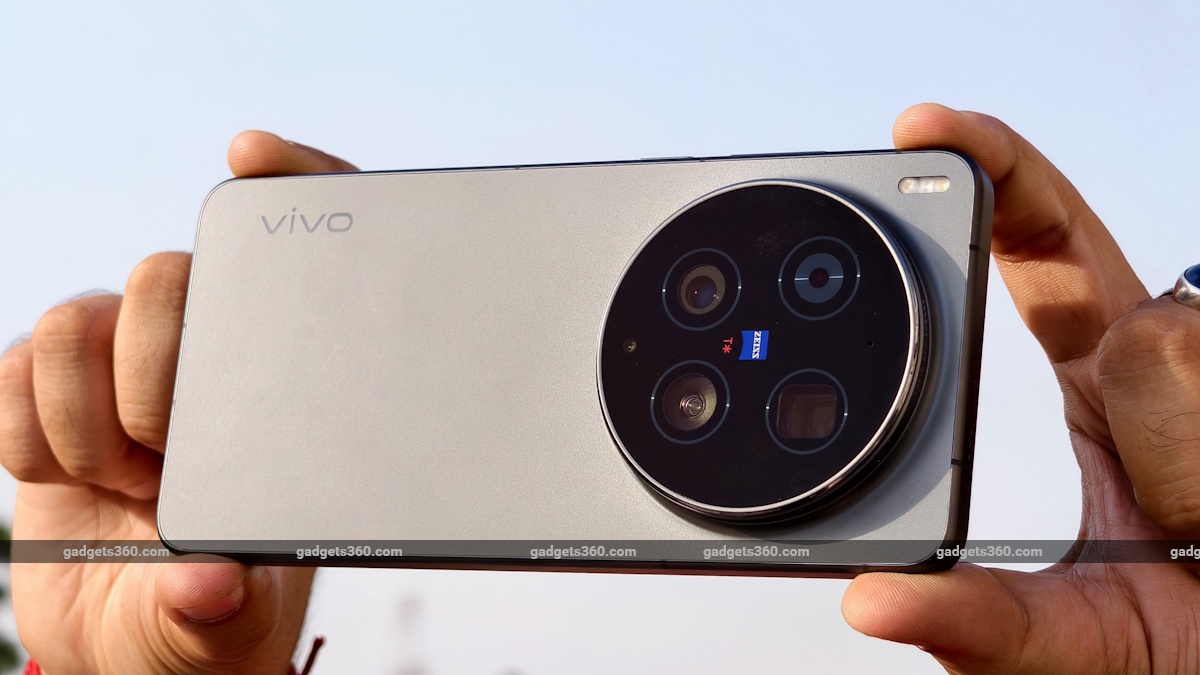
The Vivo X300 Ultra comes in a single storage variant in India
Click Here to Add Gadgets360 As A Trusted Source

 vivo X300 Ultra FAQs
Advertisement
With the X300 Ultra, Vivo debuts the Ultra series in India. It is among the company's most advanced imaging smartphones with a camera-first flagship philosophy. The smartphone isn't just versatile in the camera department; it's versatile across the board. To enhance functionality, Vivo has also included a telephoto extender kit, making it suitable for long-range mobile imaging, whether for wildlife, concerts, or distant subjects. Of course, ZEISS camera capabilities are part of the package by default, and by now, I can't imagine a premium Vivo smartphone without the collaboration. At the core of the X300 Ultra is Qualcomm's best-in-class Snapdragon 8 Elite Gen 5 Mobile Platform, along with everything else designed with attention to detail.
So, if you're a smartphone photography enthusiast, this year there's an Ultra bonanza in the Indian market for you, right from Xiaomi 17 Ultra to Oppo Find X9 Ultra to Vivo X300 Ultra. The question is which one should you pick? I wish the answer were straightforward, but I'm afraid not. Let's dive right in and break down the X300 Ultra.
Vivo X300 Ultra Price in India and a Look at the Competition
The Vivo X300 Ultra is priced in India at Rs. 159,999 and comes in a single 16GB + 512GB storage configuration. If you're into smartphone photography, you can look at the telephoto extender kits sold separately for the X300 Ultra.
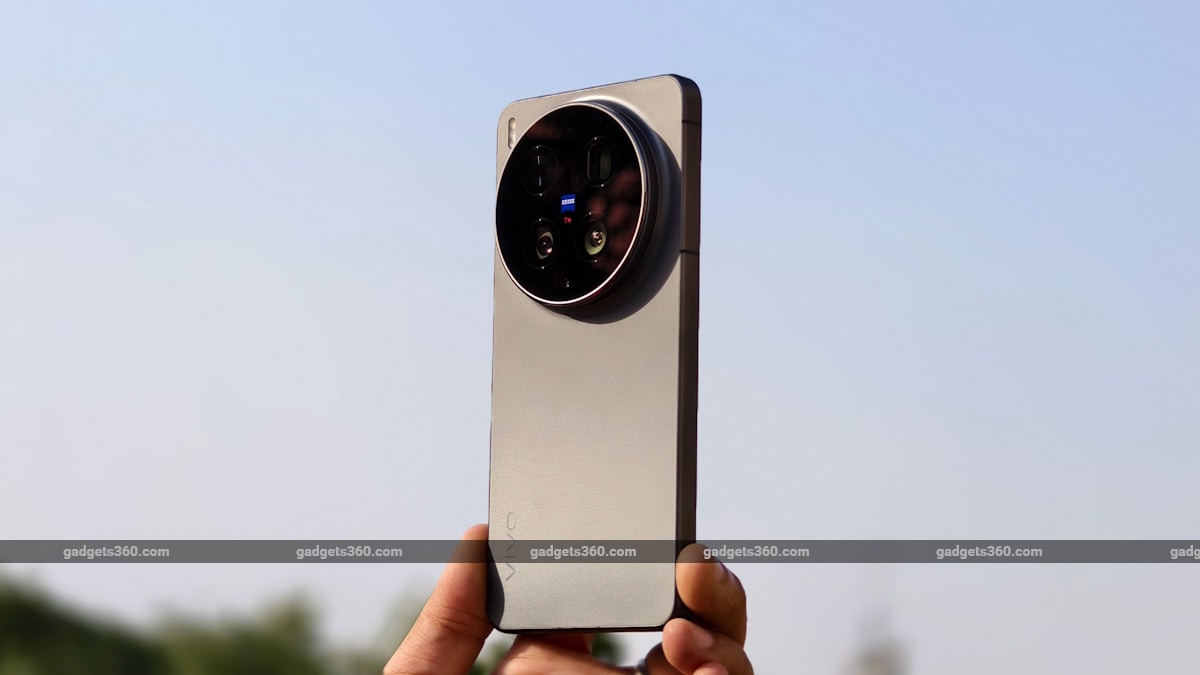
The Vivo X300 Ultra gets a glass front and back design
The 400mm-equivalent Vivo ZEISS Telephoto Extender Gen 2 Ultra costs Rs. 27,999, while the 200mm-equivalent Vivo ZEISS Telephoto Extender Gen 2 costs Rs. 15,999. Additionally, the Vivo Imaging Grip Kit is priced at Rs. 11,999.
For comparison, the Xiaomi 17 Ultra, launched in March this year, is available at Rs. 1,39,999 for the single 16GB+512GB storage configuration. It also comes with the Xiaomi Professional Photography Kit Pro worth Rs. 19,999. The Oppo Find X9 Ultra, on the other hand, launched last month, comes at Rs. 1,69,999 for the 12GB of RAM and 512GB of storage model.
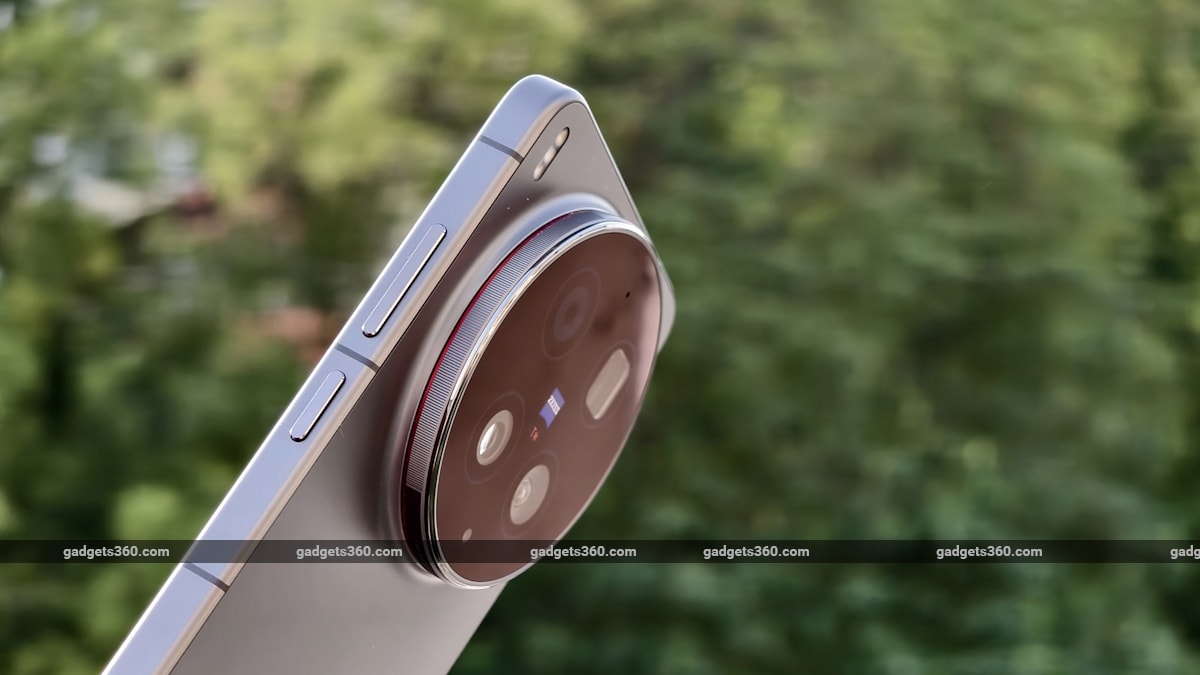
The camera bump on the back is huge
Vivo X300 Ultra Design: A Predictable but Camera-Focused Design
- 162.9x76.8x8.1mm (Eclipse Black) and 162.9x76.8x8.4 (Victory Green)
- 232 grams (Eclipse Black) and 237 grams (Victory Green)
- Fingerprint Sensor - 3D ultrasonic single-point fingerprint sensor
- Ingress Protection Rating - IP68 and IP69
- Colours - Eclipse Black and Victory Green
Design-wise, no points for guessing that the Vivo X300 Ultra feels like a camera-focused smartphone. The entire marketing pitch targets people who use DSLRs or want to own one, and the Ultra fits right in. The good thing is that Vivo isn't just targeting hardcore photography enthusiasts but also appealing to people who aspire to carry a better camera phone in their pockets.
The camera slab at the back is now bigger and larger than what we saw on the Vivo X300 Pro last year. The attention to detail at the back is magnificent, with DSLR-like printing on the camera ring and ZEISS and T* coatings as stars of the show. The pictures don't do it justice, but the camera deco actually protrudes a lot.
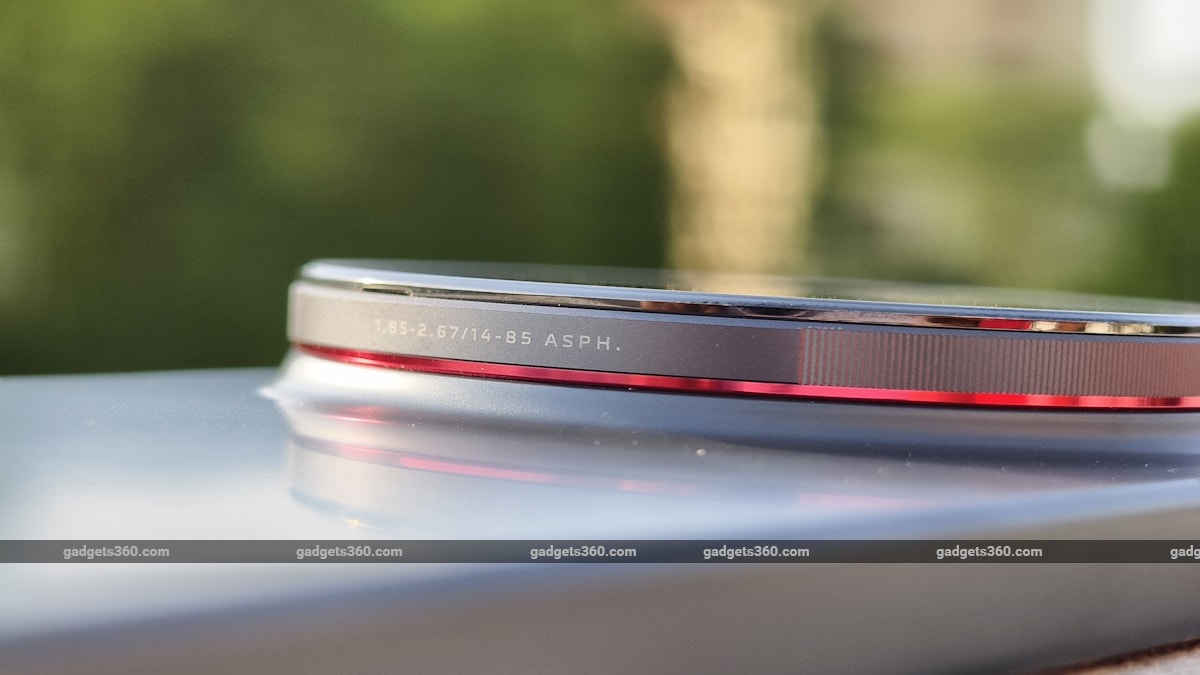
The X300 Ultra gets an adaptive zoom flash
The subtle Vivo branding on the back isn't as loud as some brands' logos, which are embossed prominently. Many, if not all, smartphone enthusiasts can guess that this is a Vivo phone thanks to plenty of hints, such as the blue ZEISS logo and the large camera deco.
It has been launched in Eclipse Black and Victory Green colours, and I got the former for this review, and it looks classy. At 232 grams (Eclipse Black), the X300 Ultra isn't a light device, and because of the chunkier camera deco, it has a top-heavy design that takes a little getting used to. Since I had reviewed the X300 Pro, it didn't take long to get used to the X300 Ultra, as the overall aesthetics are identical. Though the X300 Ultra is definitely on the heavier side.
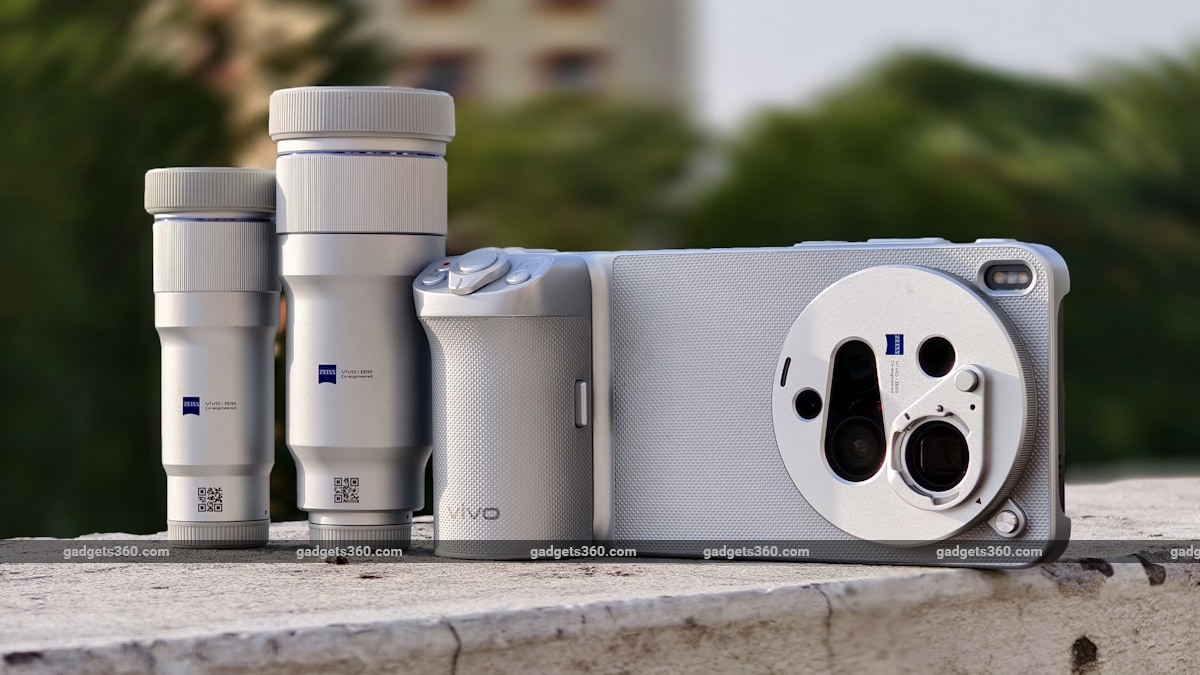
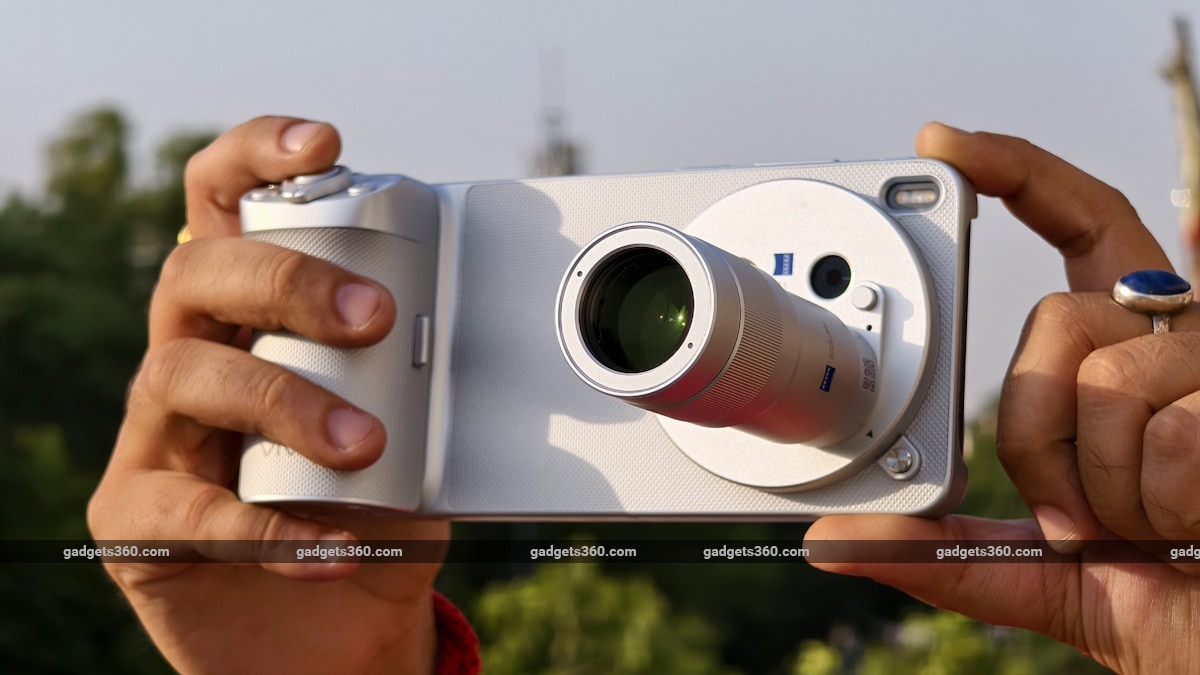
The 200mm equivalent Vivo ZEISS Telephoto Extender Gen 2 is available separately at Rs. 15,999
The unibody 3D glass design feels premium, and the metal biscuit-style camera module with classic knurled texture and engraved letters should make you a fan of the peak detailing. The signature Red ring design adds more character to the overall design, and the glass fibre back cover offers a reassuring hand feel. Overall, the X300 Ultra offers a solid hand feel and is comfortable to touch. There are thin, uniform bezels around the display, and the phone ships with a company-fitted screen protector. Flat design has now become a standard on smartphones across price ranges. Overall, a solid device that can impress most users.
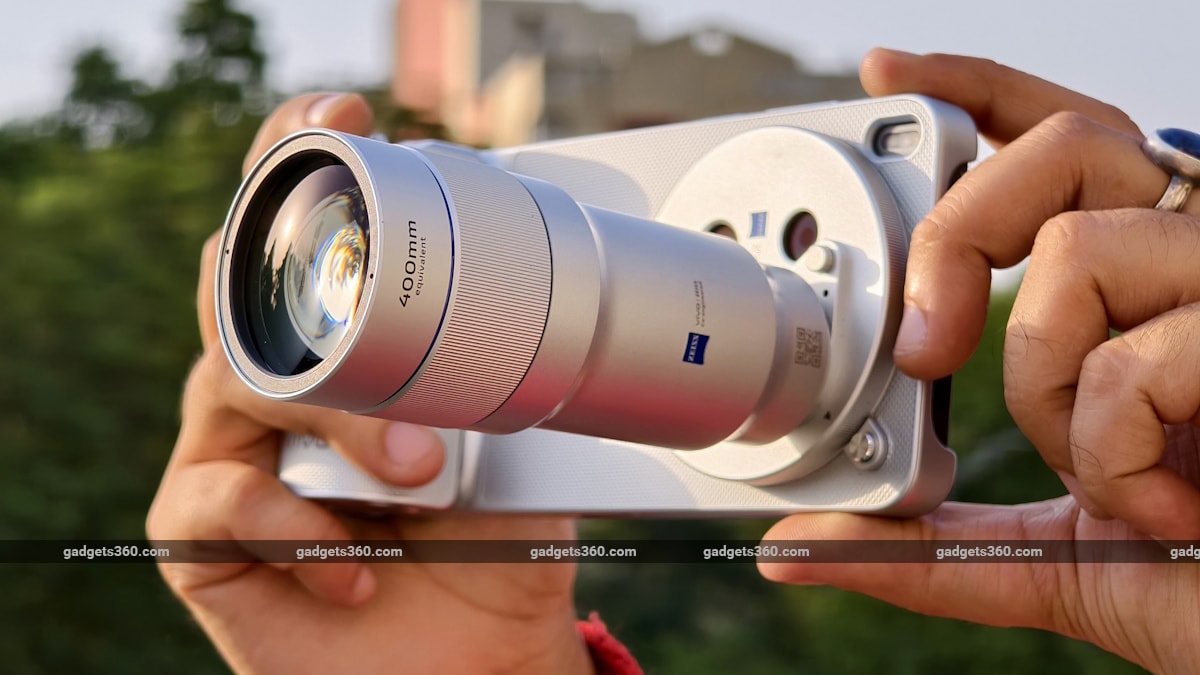
If a consumer wants to buy the lens separately, then the 400mm Telephoto Extender Gen 2 Ultra is available at Rs. 27,999
The X300 Ultra also gets IP68 and IP69 ingress protection ratings, which boost confidence when shooting outdoors in the rain. One thing I dearly missed was a dedicated camera physical launch button on one of the sides. It also has a 3D ultrasonic fingerprint sensor, which was quick during the review.
The Camera UI offers tons of features that users can play around with
Photography Kit
Vivo has launched a dedicated X300 Ultra Photography Kit that includes a 400mm-equivalent Vivo ZEISS Telephoto Extender Gen 2 Ultra, a 200mm-equivalent Vivo ZEISS Telephoto Extender Gen 2, and a Vivo Imagining grip. The entire package, along with the phone, costs Rs. 2,09,999. Of course, the extender kits are for hardcore photography enthusiasts.
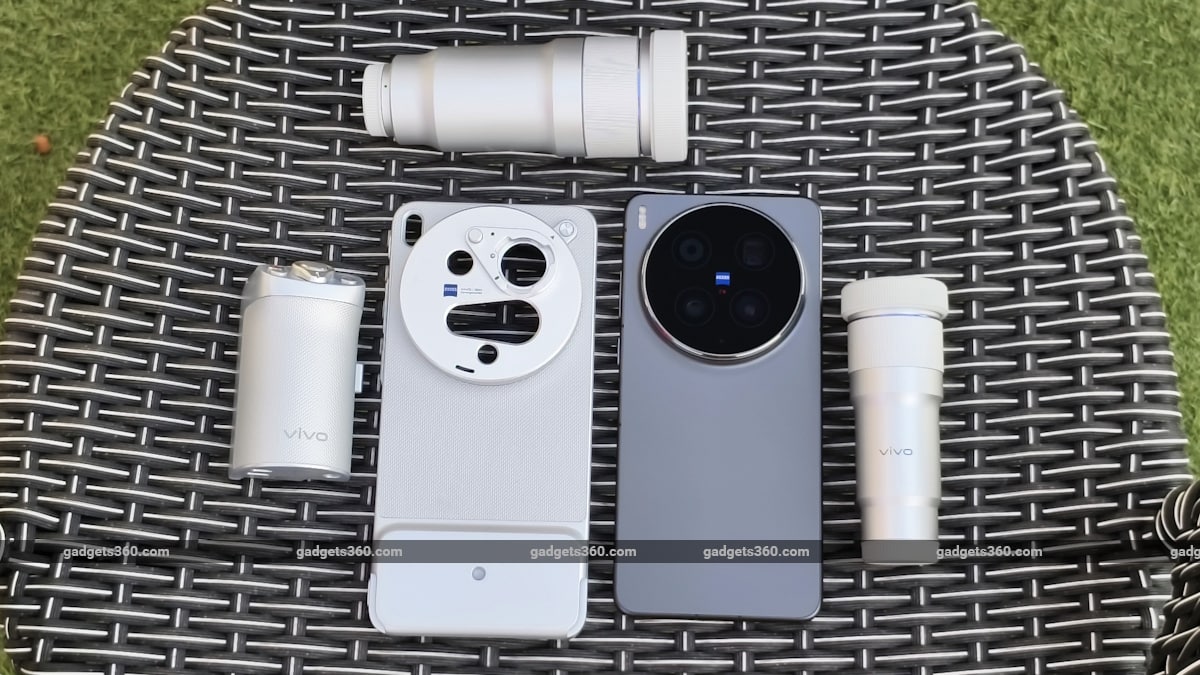
The X300 Ultra Photography Kit, including X300 Ultra smartphone, a 400mm Telephoto Extender Gen 2 Ultra and 200mm Telephoto Extender Gen 2, Imagining grip is priced at INR 2,09,999
Vivo X300 Ultra Display: Top-notch
- 6.82-inch LTPO AMOLED display and 4500nits peak brightness
- 144Hz, 2160Hz PWM and Dolby Vision support
- 1440x3168 pixels resolution and 510ppi pixel density
The X300 Ultra has the best display I've seen from Vivo. Though there aren't many upgrades compared to last year's X200 Ultra, since that model didn't make it to India, we will consider the latest as a new benchmark (no pun intended).
The phone offers a 6.82-inch OLED 2K display with 1440x3168-pixel resolution and 510 PPI. Vivo has also bumped the refresh rate to 144Hz from 120Hz, though you won't notice it in daily use. The peak brightness is 4500 nits and comes with all the bells and whistles, including Ultra XDR, HDR10+, Dolby Vision support, Eye Comfort and Protection, and more.
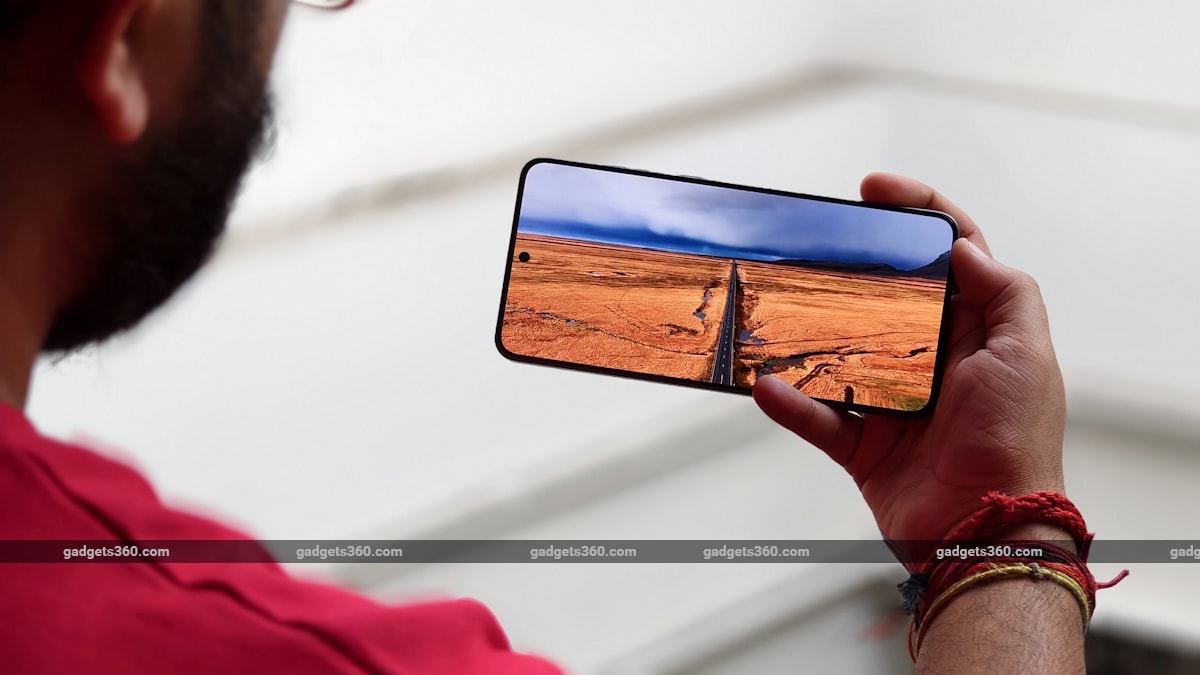
The 6.82-inch LTPO AMOLED display is one of the best I have used on any Vivo phone yet
Vivo says the X300 Ultra features Armour Glass protection on the front and back. While the X300 Ultra gets the best display hardware on paper, how does it fare? Well, in day-to-day usage, the panel on the X300 Ultra is plenty bright; text is sharp, and colours are vivid and crisp. Even the viewing angles are amazing. Notably, the X300 Ultra also supports Google Widevine L1 DRM, allowing you to play content in Full HD. The display settings on the X300 Ultra offer plenty of customisation options, including 2160Hz PWM dimming to reduce screen fatigue. It's a display you can play games on for hours without getting bored or binge-watch shows all day.
Vivo X300 Ultra Camera: Versatile, Intuitive, and Precision Guaranteed
- 200-megapixel main Sony LYTIA 901 sensor, f/1.9 aperture, PDAF, gimbal OIS
- 200-megapixel telephoto sensor with CIPA 7.0, f/2.7 aperture, PDAF, 3.7x optical zoom
- 50-megapixel ultrawide Sony LYT818 Sensor with 116-degree FOV, dual pixel PDAF, OIS
- 50-megapixel selfie camera
Alright, we are in the core department now, which is the reason why someone will put money on the X300 Ultra, and it doesn't disappoint at all. Let me break it down, starting with the main 200-megapixel camera, which has a 35mm-equivalent focal length, PDAF, OIS, an f/1.9 aperture, and features the Sony LYT-901 sensor. Then there's the 200-megapixel telephoto camera with an 85mm-equivalent focal length, PDAF, OIS, an f/2.7 aperture, and 3.7x optical zoom. Lastly, there's the 50-megapixel ultra-wide camera (YT818 sensor) with 14mm-equivalent focal length, dual-pixel PDAF, OIS, an f/2.0 aperture, and a 116-degree FOV (field of view). For selfies, the X300 Ultra gets a 50-megapixel autofocus camera.
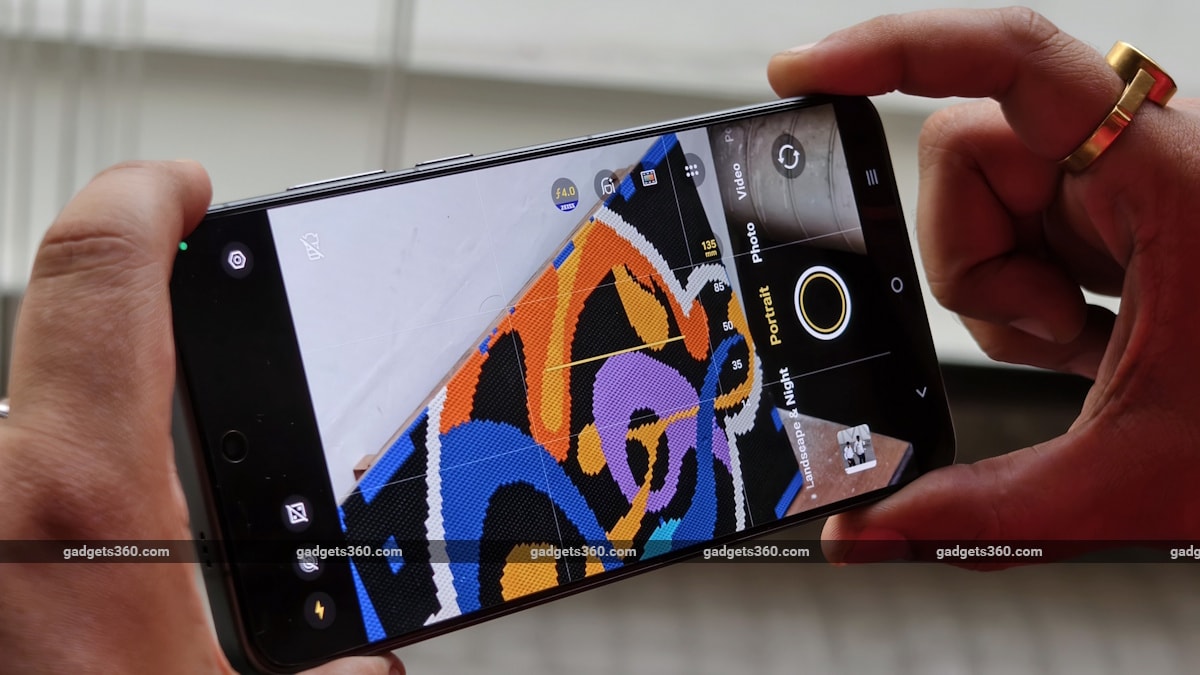
The camera UI on the X300 Ultra is very similar to the one we saw on the X300 Pro
All the cameras are designed for specific shooting conditions; for example, the 35mm is ideal for street photography and everyday shots with cleaner framing and stronger subject focus. The 85mm telephoto sensor offers gimbal-like stabilisation and is best suited for high-zoom shots and low-light scenarios. The X300 Ultra has one of the best ultra-wide cameras on paper, and it delivers bright, sharp photos across a range of lighting conditions.
The camera UI offers tons of customisation options and is a delight for camera enthusiasts. Starting with portraits, which is one of the biggest highlights of the X300 Ultra. It delivers excellent portraits, producing natural colours and skin tones that are closer to actual. In most samples, the colours are vivid, and the subject's facial details are well preserved. The subject isolation and bokeh also look natural and are not overdone by any means. Even in challenging lighting conditions, the X300 Ultra delivers better portraits.


Vivo X300 Ultra portrait samples (tap images to expand)
Jumping to daylight shots, the X300 Ultra delivers every time. The colours are accurate, the dynamic range is excellent, and there are tons of details. Be it shooting a live match or capturing fantastic landscapes, the phone punches above its weight, delivering top-notch results. The 35mm focal length does the job in most conditions, but if you want more, you can try the 50mm focal length too, which produces similarly amazing shots with tons of detail and accuracy. There's also 70mm, which delivers good overall shots.






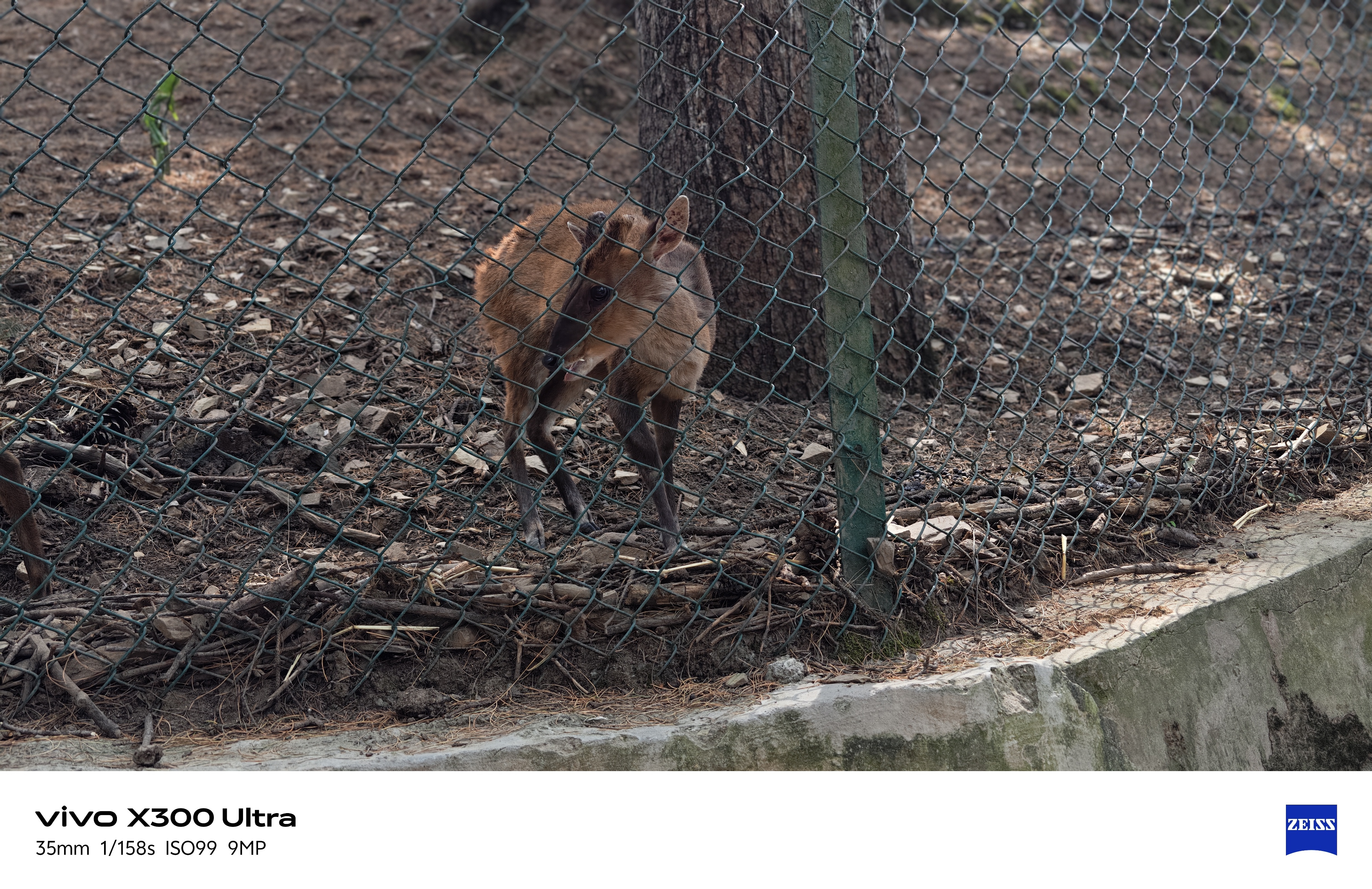

Vivo X300 Ultra primary camera samples (tap images to expand)
During a review, I try to keep the ultrawide sensor performance at the end of the camera section, but in the X300 Ultra's case, it is one of the best in the segment and deserves a mention around the main sensor. During daylight, the photos come out bright with a wide dynamic range and accurate colours. In the samples below, you can see how well the ultrawide captures the entire valley or the fort in the middle of nowhere—one of my favourite ultrawide cameras in this segment.




Vivo X300 Ultra ultrawide camera samples (tap images to expand)
The telephoto sensor on the X300 Ultra can also produce stunning shots and help you achieve cleaner, more precise framing. The photos have excellent detail across zoom levels, and you will be amazed by the colour accuracy, sharpness, and consistency. It keeps producing some of the sharpest images at 85mm, and even at 135mm, image quality does not take a hit. All around, great results from the X300 Ultra. In one of the shots, you can see how well the phone zooms into a picture from 35mm to 230mm - magnificent.

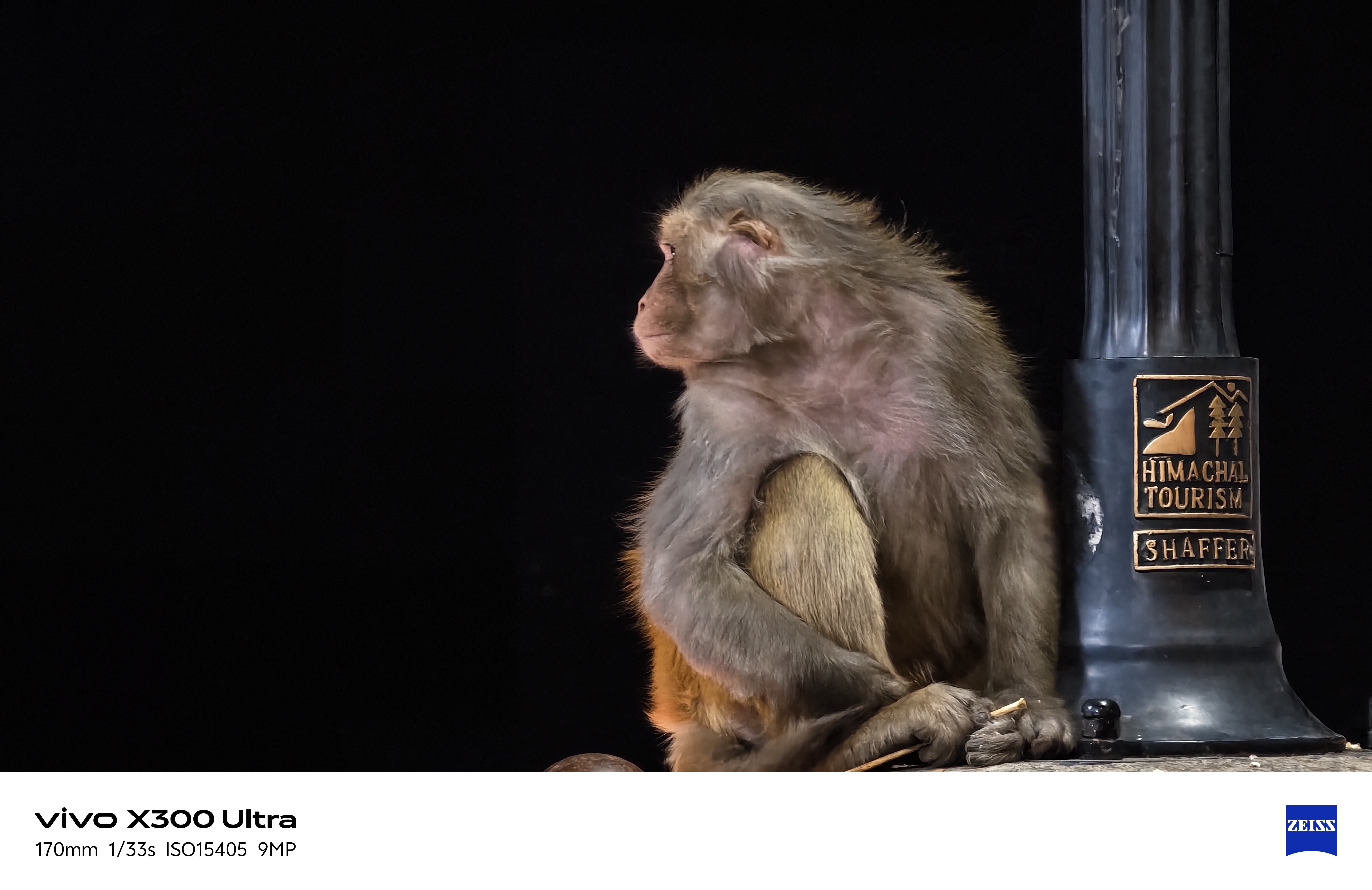

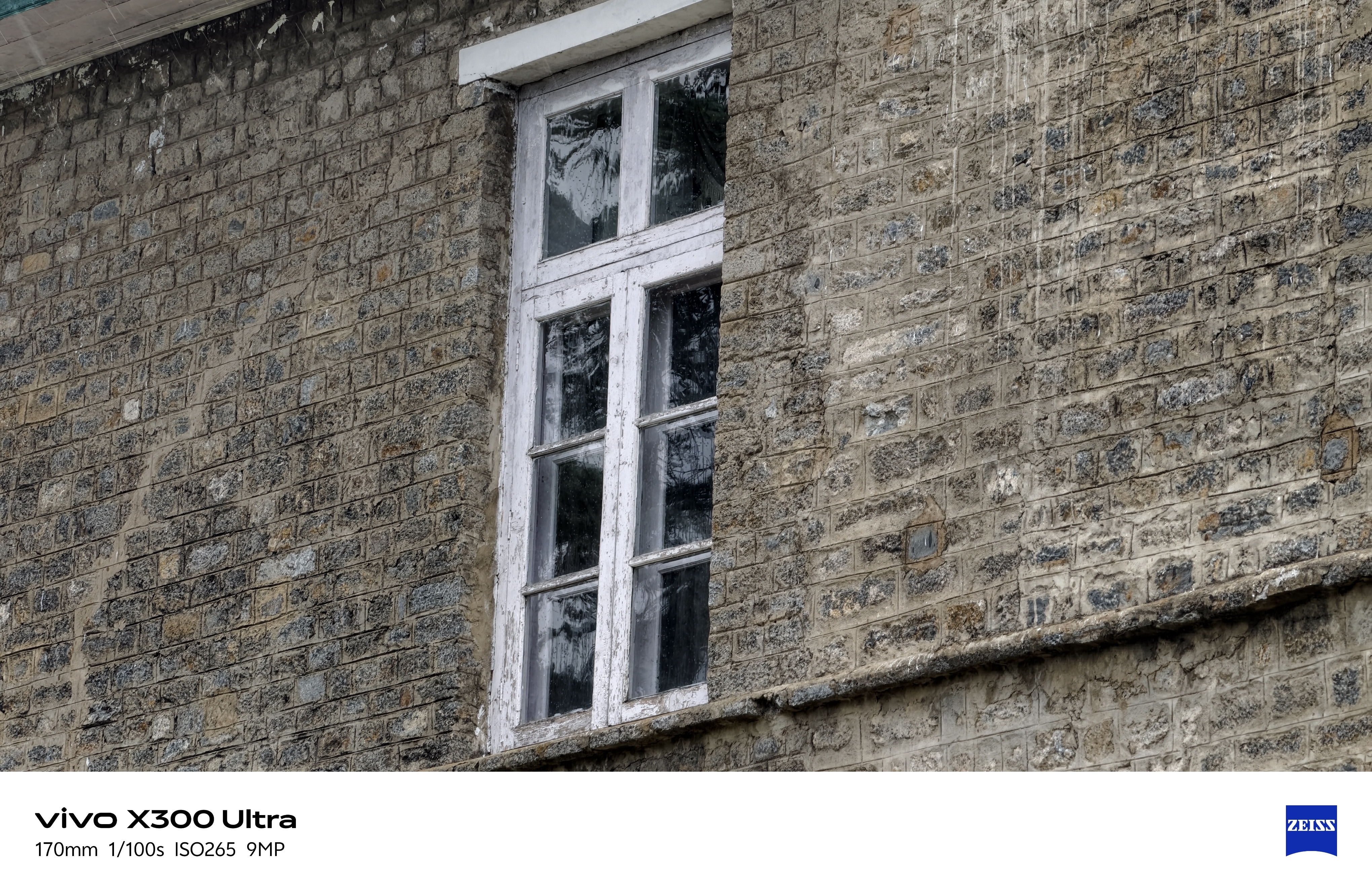

Vivo X300 Ultra telephoto camera samples (tap images to expand)

The X300 Ultra, even without the extender kit, is a capable shooter that can get you amazing zoom shots 
The X300 Ultra 35mm main sensor is a great addition and can impress you with regular shots. Here in this landscape shot, you see houses that are at least a few kilometres away
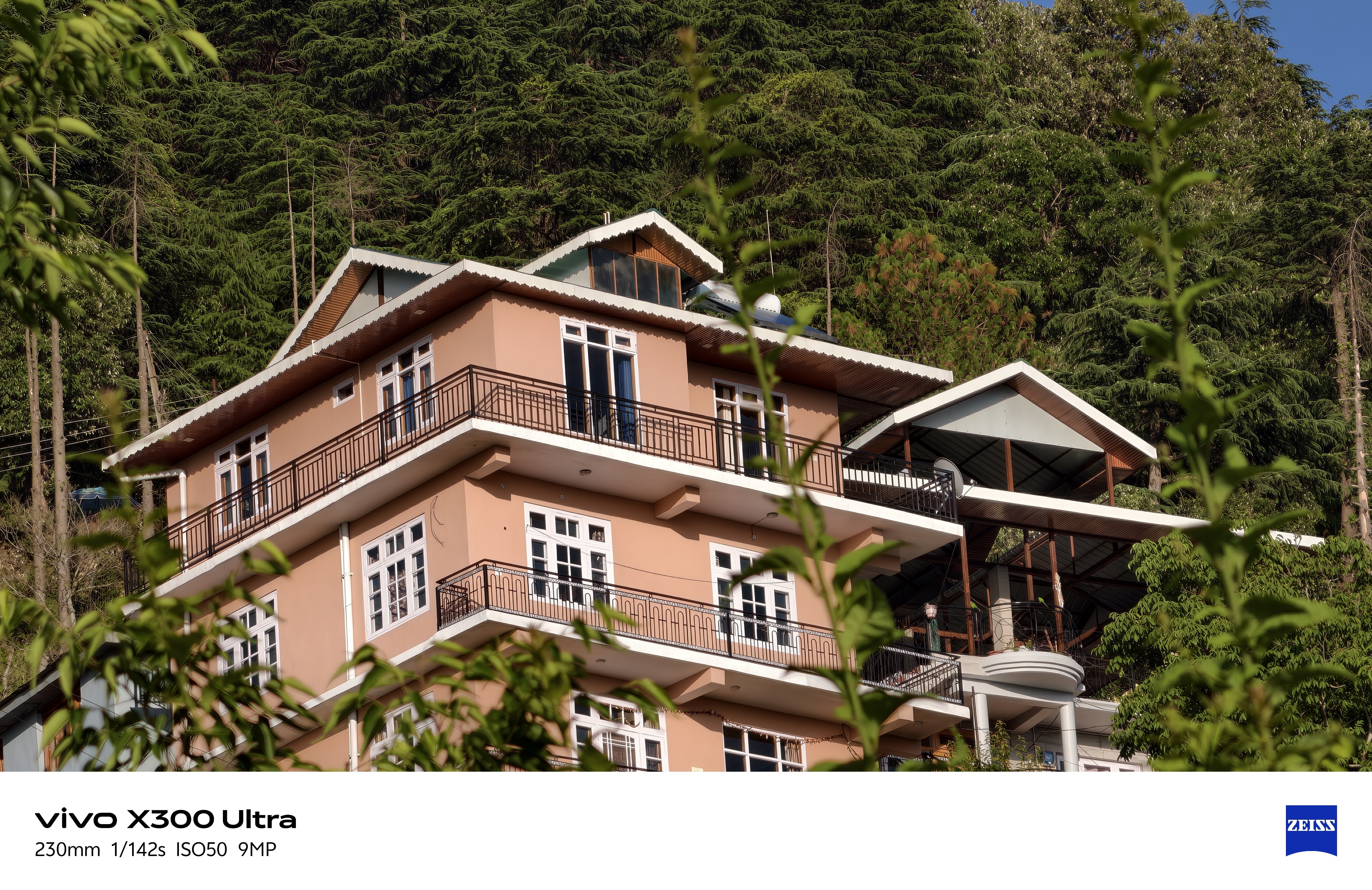
Now, you can see how well the X300 Ultra is loaded, so that a 230mm lens can give you a closer look at a building that seemed a few kilometres away. Another example of why X300 Ultra is among the best camera smartphones the money can buy in 2026
When it comes to low-light photography, I believe the X300 Ultra has set a benchmark, and I was able to capture stunning images with the main camera. Everything was on point, from dynamic range and colours to details and noise control in darker corners. If you're looking for a low-light camera phone that doesn't disappoint, the Vivo X300 Ultra should be your pick.





Vivo X300 Ultra low-light and indoor camera samples (tap images to expand)
Of course, it goes without saying that ZEISS*T coating plays a key role in making the captured shot truly magical. It uses ALD low-reflection and Super Blue Glass to reduce flare and ghosting of true colours, while also reducing flare and aberrations for cleaner, more natural images. This comes in handy during telephoto shots. Even in selfies, the phone does incredibly well and can go head-to-head with any new-age flagship.

The 200mm Vivo ZEISS Telephoto Extender Gen 2 in action (tap image to expand)

The 400mm Vivo ZEISS Telephoto Extender Gen 2 Ultra in action (tap image to expand)

Here's one example of how far you can go with X300 Ultra, when attached with a 200mm equivalent Vivo ZEISS Telephoto Extender Gen 2 (tap image to expand)

And, here's zooming into the above shot using the 400mm equivalent Vivo ZEISS Telephoto Extender Gen 2 Ultra (tap image to expand)
For video, the X300 Ultra is a capable device that can record 8K at 30 fps and 4K at up to 120 fps. The quality is production-level and comes in handy if you're a content creator. To make the workflow smoother, Vivo offers log capture across all cameras, along with Dolby Vision support.
The Photography Kit is an add-on for those who need it and definitely enhances the overall character of the device. The 200 mm equivalent Vivo ZEISS Telephoto Extender Gen 2 is great for landscapes and adventure images. In comparison, the 400 mm equivalent Vivo ZEISS Telephoto Extender Gen 2 Ultra is overkill and should only appeal to serious photographers for wildlife shoots.
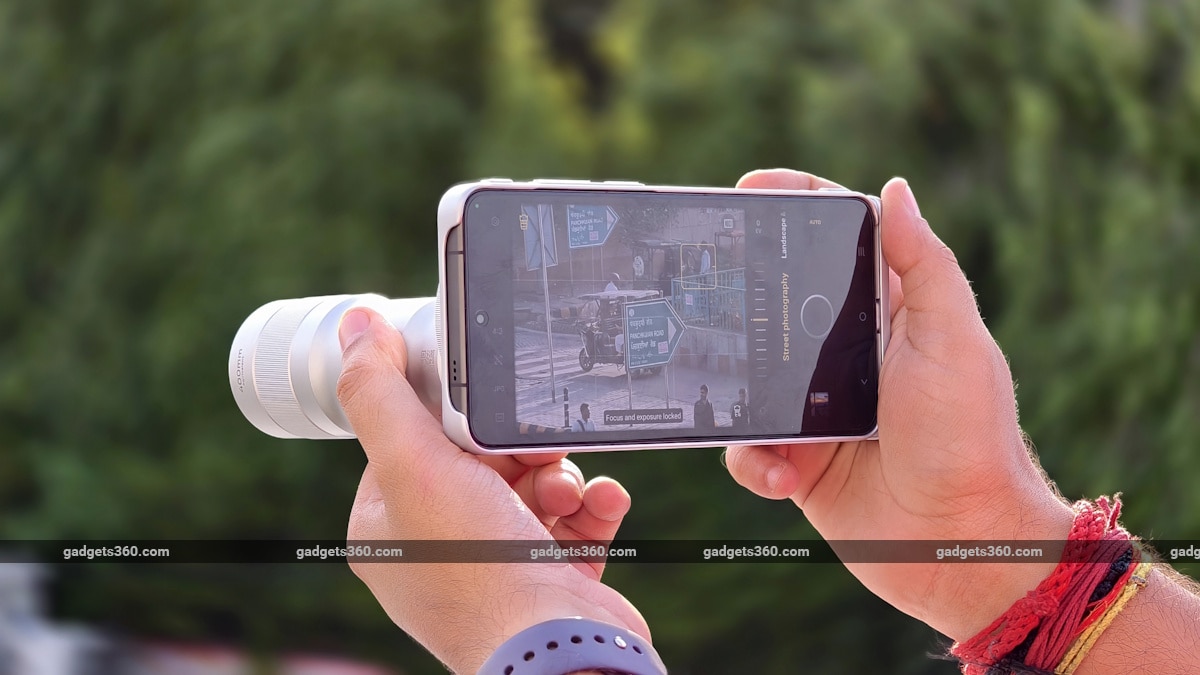
The lenses, once attached, are automatically paired with the device
Vivo X300 Ultra Performance: Flagship-Credentials
- Snapdragon 8 Elite Gen 5 (3nm)
- 16GB+512GB
- OriginOS 6 is based on Android 16
Vivo has smartly opted for Qualcomm's 3nm beast, the Snapdragon 8 Elite Gen 5 for the Ultra, while MediaTek Dimensity chipsets power the X300 Pro and X300. On paper, the Snapdragon 8 Elite Gen 5 is miles ahead of the competition, and, at the time of writing this review, is the best chipset you can find on any premium Android smartphone. As expected, the X300 Ultra can handle multitasking and even demanding games with ease. I tried games like Genshin Impact, BGMI Mobile, COD Mobile, and Need for Speed: No Limits, and the X300 Ultra handled all of them at both high and highest graphics settings, maintaining 60 fps throughout in some games like Genshin Impact and BGMI. While Vivo may not have marketed this one as a gaming powerhouse, do not consider this anything less than a gaming-capable device.
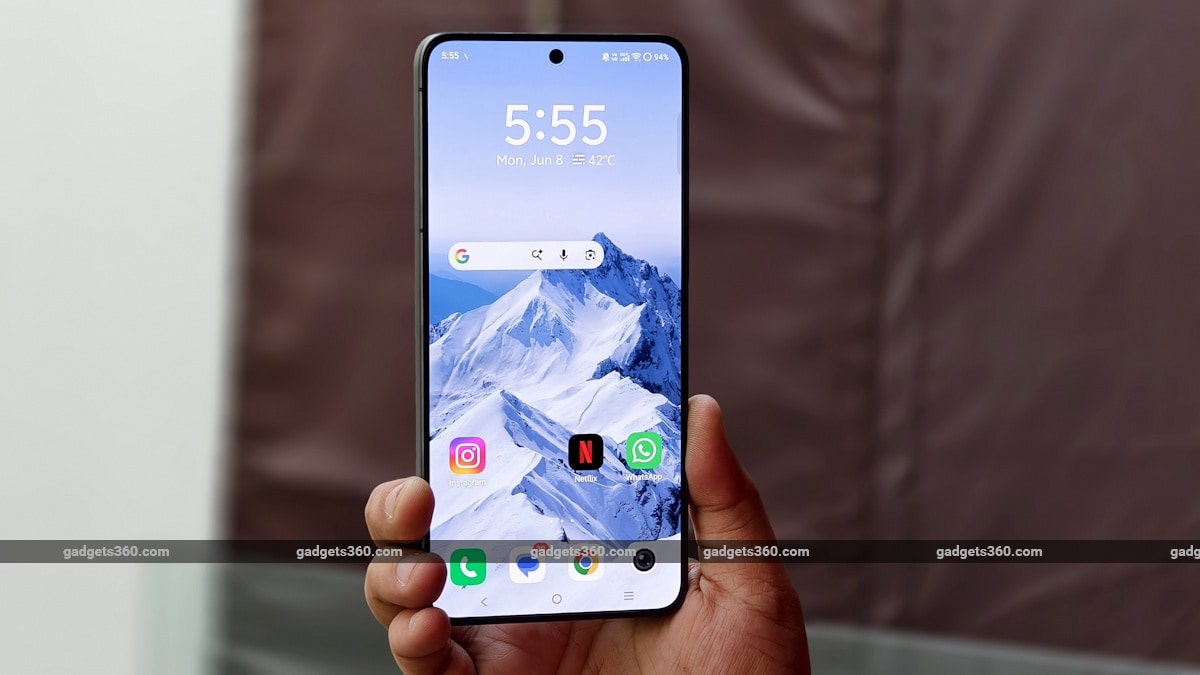
The phone sports a unibody glass-fibre construction
During the review period, I didn't encounter any issues and experienced almost no heat-up during regular tasks, even after using apps like Google Maps for over an hour. Of course, while using the camera extensively for testing, I noticed a few times that the app shut down while I was shooting the X300 Ultra in Delhi at over 40 degrees Celsius. Thanks to the liquid-cooling vapour chamber, the phone returns to normal temperatures within a few minutes.
In our synthetic benchmark tests, the X300 Ultra fared well, and I have compared its overall scores with other 'Ultras' on the market for a more meaningful comparison.
| Benchmarks | Vivo X300 Ultra | Oppo X9 Ultra | Xiaomi 17 Ultra |
|---|---|---|---|
| Display resolution | QHD+ | QHD+ | 1.5K |
| Chipset | Snapdragon 8 Elite Gen 5 (3nm) | Snapdragon 8 Elite Gen 5 (3nm) | Snapdragon 8 Elite Gen 5 (3nm) |
| AnTuTu v10 | 38,43,626 | 40,13,147 | 34,36,995 |
| PCMark Work 3.0 | 15,323 | 15,582 | 16,469 |
| Geekbench 6 Single | 3,497 | 3,577 | 3497 |
| Geekbench 6 Multi | 10,154 | 10,594 | 10,352 |
| Geekbench AI CPU (Quantized) | 4,209 | 4,660 | 3,055 |
| Geekbench AI GPU (Quantized) | 1,863 | 3,727 | 4,244 |
| 3DM Wild Life | Maxed Out | Maxed Out | Maxed Out |
| 3DM Wild Life Unlimited | 28,865 | 29,884 | 23,916 |
| 3DM Steel Nomad Light | 2,762 | Couldn't Run | 2,201 |
The phone is also great for typing long emails or texts, thanks to its flagship-level haptic motor feedback. The speaker is loud and doesn't muffle at high volumes. The phone also has IP68 and IP69 ingress protection ratings.
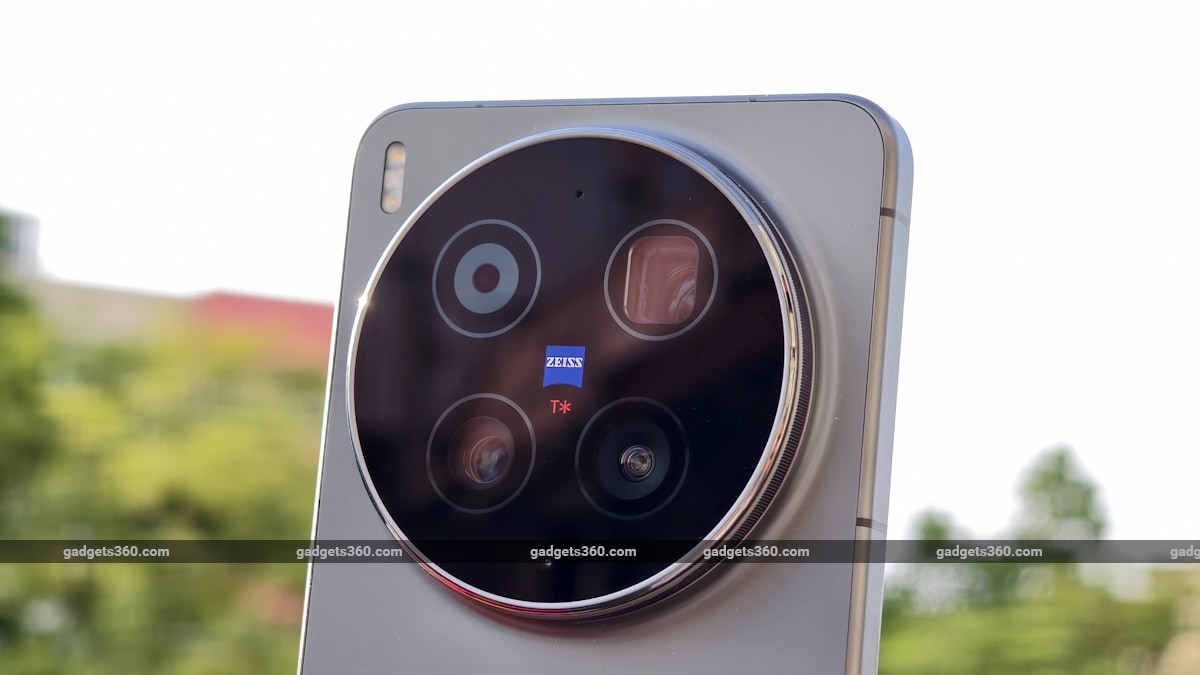
It comes with IP68/IP69 dust-tight and water-resistant (immersible up to 1.5m for 30 min)
The X300 Ultra runs OriginOS 6 based on Android 16, and I experienced this version on the X300 Pro (Review) last year; read more in detail here. Over the years, OriginOS has evolved significantly.
I will briefly touch on the software here, since there aren't many differences, and talking too much would make this review even longer. Much like the X300 Pro, the Ultra also gets five Android updates and seven years of security patches. Some highlights include Origin Island, which shows real-time notifications for music playback, ride-hailing, or food-delivery updates, and cross-ecosystem sharing, such as Airdrop and AirPods support. Much like other Android premium phones, the Vivo X300 Ultra also offers tons of AI features, including AI Creation, Vivo DocMaster, AI Transcript Assist, and AI Captions. However, Vivo doesn't market AI features on its phones as aggressively as Samsung does. The UI is cleaner and offers plenty of customisation options. But there's also bloatware, and I was especially annoyed by constant notifications from V-Appstore for random app updates and whenever a new update was available for any pre-installed app. I wish Vivo could have streamlined this on a premium device like the X300 Ultra.
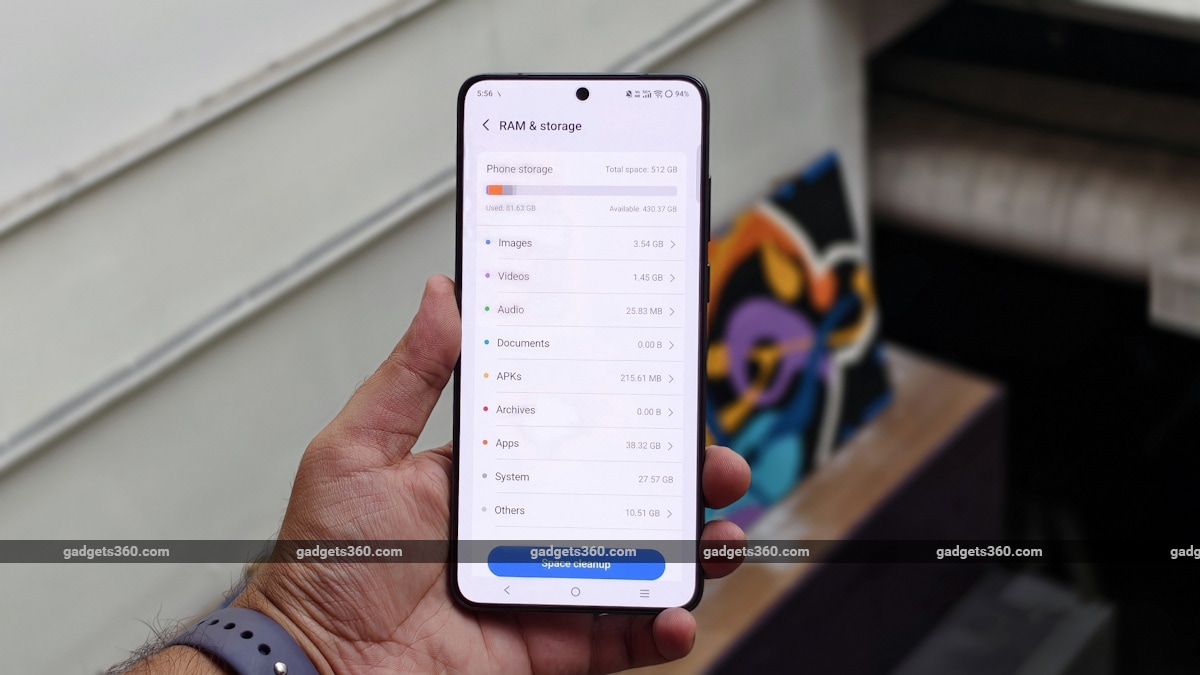
The phone is powered by a Snapdragon 8 Elite Gen 5 Mobile Platform and also has paired with the Pro Imaging Chip VS1+ for faster image processing and smooth performance across creative workflows
Vivo X300 Ultra Battery: Reliable
- 6600mAh
- 100W FlashCharge wired support
Another department where the Vivo X300 Ultra really outshines the competition is in battery life. It packs a 6600mAh battery and supports 100W Flash Charge. In fact, the phone also supports 40W wireless Flash Charge. Compared to the Vivo X200 Ultra (6000mAh) and X300 Pro (6510mAh), the Ultra packs a larger battery and definitely scores better.
In the PC Mark for Android test, the phone achieved an impressive score of 20 hours and 57 minutes, which sits slightly below the Oppo Find X9 Ultra's 21 hours and 35 minutes but beats the Xiaomi 17 Ultra, which scored 17 hours and 41 minutes.
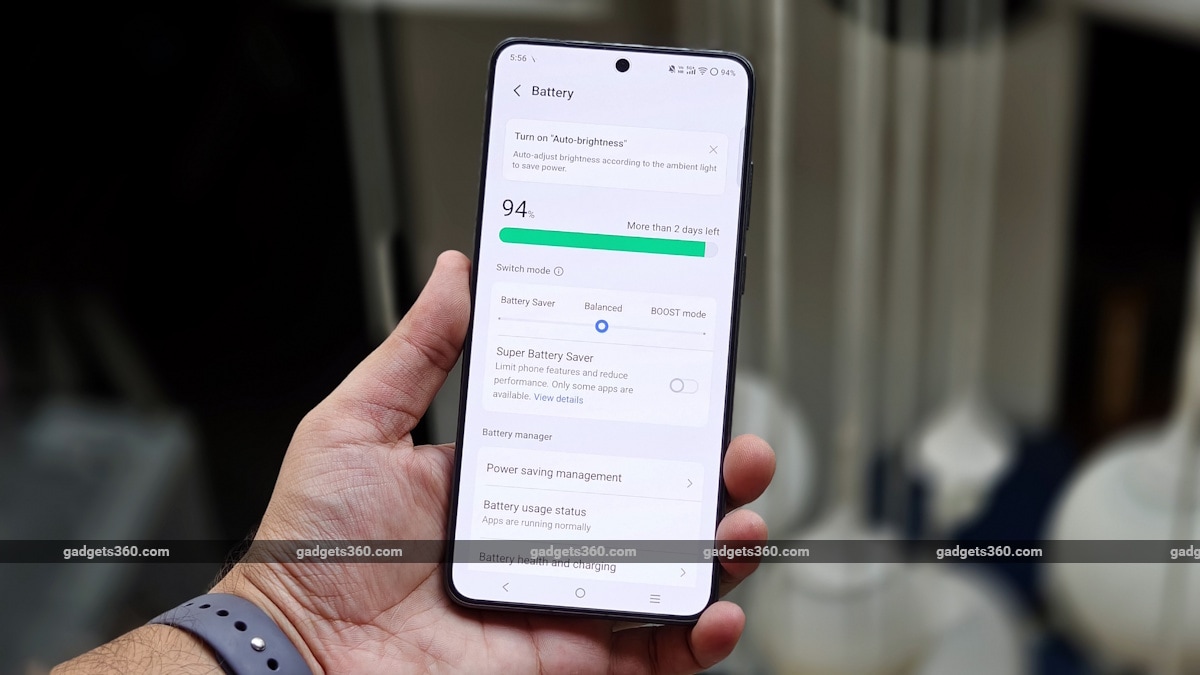
The 6600mAh battery comes with 100W wired FlashCharge, and it does impress during daily use
With heavy, continuous use, including a photography session of about 2 hours and gaming of about the same time, the phone still easily lasted a day. With medium use, where you haven't used your camera for more than 30 minutes, the X300 Ultra can deliver two days of battery life.
With 100W fast charging, the X300 Ultra also sets a benchmark in its segment. It can fully charge (0 to 100 percent) in under 50 minutes, while in 30 minutes of charging, the phone reaches 65 percent. This is a major strength, considering that the iPhone 17 Pro Max takes about 95 minutes to charge fully.
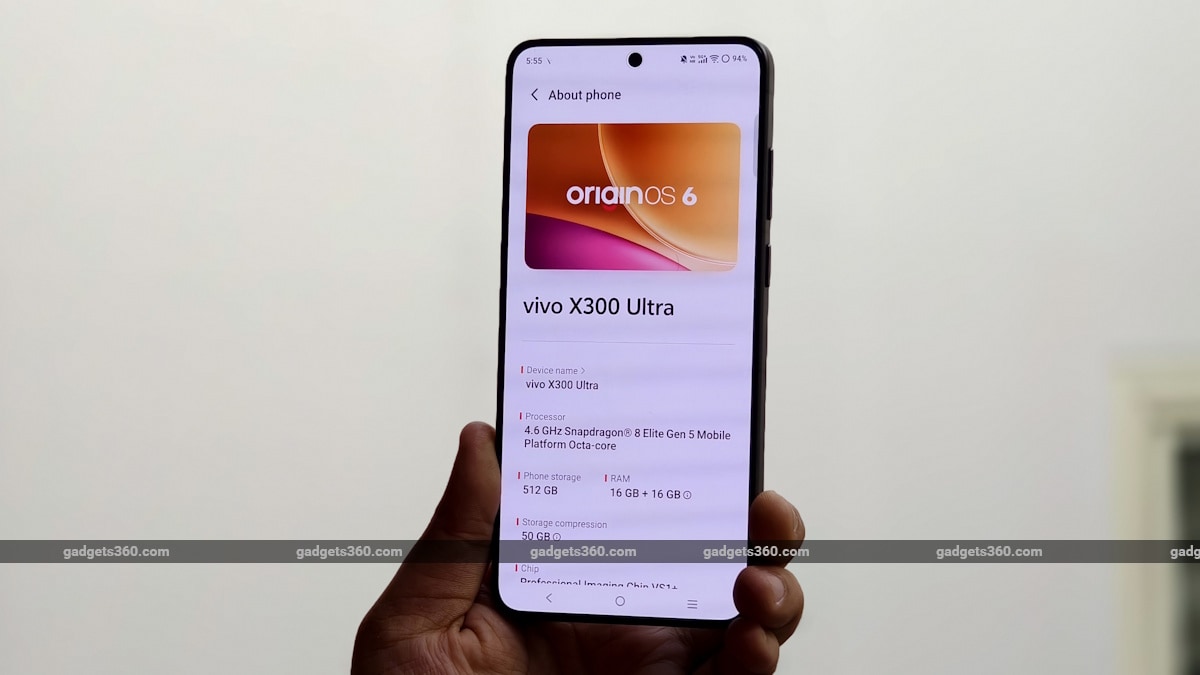
The phone also gets 40W wireless FlashCharge support
Vivo X300 Ultra Verdict
The Vivo X300 Ultra is definitely one of my favourite picks this year for top camera-focused smartphones. It is packed to the brim, and barely there's any area where you feel it could have been better. Starting with the biggest strength, the cameras are phenomenal, and Vivo also adds some weight with extender kits, so the X300 Ultra can punch above its weight and be seen as an alternative to a DSLR. The display is excellent, and performance is flagship-level, while the battery also impresses. Overall, it is a phone that's designed for camera lovers and doesn't try to be something it can't do.
However, the phone, along with extender kits, becomes the most expensive Ultra on the market and also goes way above rivals like the iPhone 17 Pro Max (Review) and Samsung Galaxy S26 Ultra (Review). The usual alternatives also include the Xiaomi 17 Ultra (Review), which is the most affordable of the Ultras. The Oppo Find X9 Ultra (Review) is another alternative to the X300 Ultra. But if you really love Vivo's colour science and do not have an Ultra budget, you can also go for the X300 Pro (Review). It also offers class-leading camera performance and is an excellent all-rounder. The best thing is that you save a lot of money compared to the Ultra.
vivo X300 Ultra FAQsWhat are the main features of the Vivo X300 Ultra?
The Vivo X300 Ultra is available with up to 16GB of RAM paired with up to 1TB of internal storage. It features a triple rear camera setup comprising a 200-megapixel main camera, a 50-megapixel ultra-wide-angle, and a 200-megapixel periscope shooter, and a 50 megapixel front-facing selfie camera . The phone supports fast charging with 100W wired charging and 40W wireless charging, backed by a 6,600mAh battery. It is powered by the Snapdragon 8 Elite Gen 5 processor and comes with a 6.82-inch 2K AMOLED display that supports up to a 144Hz refresh rate. The Vivo X300 Ultra is available in 2 colour options.
When was the Vivo X300 Ultra released?
The Vivo X300 Ultra was launched on May 6, 2026.
Where can I buy the Vivo X300 Ultra?
You can buy the Vivo X300 Ultra through the official Vivo website, e-commerce platforms such as Amazon, and select retail stores across India.
- REVIEW
- KEY SPECS
- NEWS
- Good
- Versatile cameras and feature-rich
- Camera kit to extend usability
- Excellent display
- Flagship performance
- Solid battery life
- Good camera-focused design with IP68/IP69 rating
- Bad
- Expensive
- Teleconverter lenses sold separately are also costly
- Not for everyone
Read detailed Vivo X300 Ultra review
Display 6.82-inch
Processor Snapdragon 8 Elite Gen 5
Front Camera 50-megapixel
Rear Camera 200-megapixel + 50-megapixel + 200-megapixel
RAM 12GB
Storage 256GB
Battery Capacity 6600mAh
OS Android 16
Resolution 1440x3168 pixels
Comments
Get your daily dose of tech news, reviews, and insights, in under 80 characters on Gadgets 360 Turbo. Connect with fellow tech lovers on our Forum. Follow us on X, Facebook, WhatsApp, Threads and Google News for instant updates. Catch all the action on our YouTube channel.
Further reading:
Vivo X300 Ultra, Vivo X300 Ultra Price in India
Related Stories



Advertisement
Follow Us




-

05:20
Samsung Galaxy Watch Ultra 2 Review: Is This the Best Android Smartwatch? -
07:01
Samsung Galaxy Z Fold 8 Review: Is This the Best Foldable Phone? -
06:39
Samsung Galaxy Z Fold8 Ultra Review: Cameras, Battery, Performance Tested -
04:33
[Sponsored] JBL Live 780NC: Great Sound, Perfect Comfort, Smart ANC & 80-Hour Battery -
12:04
[Partner Content] OPPO Reno16 Series Deep Dive: Built for Creators?
-
iPhone Duo के लिए ₹3 लाख का बजट नहीं है? ये 4 सस्ते फोल्डेबल फोन देखिए
-
सोशल मीडिया में छाया 80s AI Photo Trend, आप भी आजमाएं ये 5 Prompts
-
Motorola के 7000mAh बैटरी वाले फोन पर ₹4,500 तक की बचत
-
Vivo X Fold 6 के इंटरनेशनल मार्केट में लॉन्च की तैयारी, Geekbench पर हुई लिस्टिंग
-
Mivi One 5G सस्ता फोन भारत में आएगा तीन रंगों में, Android 16 सपोर्ट, 24 सितंबर को है लॉन्च
Advertisement
Popular on Gadgets
- Samsung Galaxy S26 Ultra
- Motorola Razr Fold
- ChatGPT
- OPPO Find N6
- Mobiles Under Rs. 40,000
- Vivo X300 Ultra
- Asus Zenbook S14
- iQOO 15
- Vivo X300 Pro
- Lenovo Yoga Slim 7i Aura Edition
- iQOO 15R
- Vivo X Fold 5
- Sony PlayStation 5
- HP OmniPad 12
- OnePlus Nord CE 6 Lite
- OnePlus Pad 4
- OPPO F33 Pro 5G
- Cryptocurrency
- HP OmniBook Ultra 14 (2026)
- iPhone 17
- Eureka Forbes AP 355 Room Air Purifier
- Latest Mobile Phones
- Compare Phones
Latest Gadgets
- iPhone Duo
- OPPO A7 Pro
- Huawei Mate XT 2 Ultimate Design
- Realme 16 Pro Harry Potter Edition
- Samsung Galaxy A07s
- Huawei Pura X View
- Tecno Camon Slim 5G
- iQOO Z11xa
- Acer Aspire G 3D 16
- Acer Swift Air 16 (2026)
- Infinix Xpad 30 Pro
- Lenovo Yoga Tab Gen 2
- Apple Watch Ultra 4
- Apple Watch Series 12
- Haier M70 Mini LED 65-inch
- Xiaomi TV FX Mini LED 65
- Acer Predator Atlas 8
- Asus ROG Ally
- Blue Star 1.5 Ton 5 Star Inverter Split AC (IE518ZNURS)
- Blue Star 2 Ton 3 Star Inverter Window AC (WIE324L)

- About Us
- Sitemaps
- Feedback
- Archives
- Contact Us
- RSS
- Advertise
- Career
- Privacy Policy
- Ethics
- Editorial Policy
- Terms & Conditions
- Complaint Redressal
Download Our Apps
Available in Hindi
© Copyright Red Pixels Ventures Limited 2026. All rights reserved.