-
 Best Smartphones for Content Creators and Vloggers: iPhone 17 Pro Max, Vivo X300 Ultra, More28 May 2026
 -
Vivo X300 Ultra vs Samsung Galaxy S25 Ultra vs iPhone 17 Pro Max: Features, Price and Specifications Compared6 May 2026
-
Best Smartphones in India With 80W or More Fast Charging Support: Oppo A6 Pro 5G, OnePlus 15R, Vivo X300 Pro, More8 January 2026
-
Vivo X300, Vivo X300 Pro Go on Sale in India Alongside Telephoto Extender Kit: Price, Offers, Features10 December 2025
-
Vivo X300 Launched in India With 6.31-Inch 1.5K OLED Display, 200-Megapixel Main Camera: Price, Features2 December 2025
- Home
- Mobiles
- Mobiles Reviews
- Vivo X300 Pro Review: Flagship Mobile Photography. Redefined.
Vivo X300 Pro Review: Flagship Mobile Photography. Redefined.
Here's why the Vivo X300 Pro is the only Android camera smartphone that matters—our review.
Written by Ketan Pratap | Updated: 2 December 2025 23:53 IST
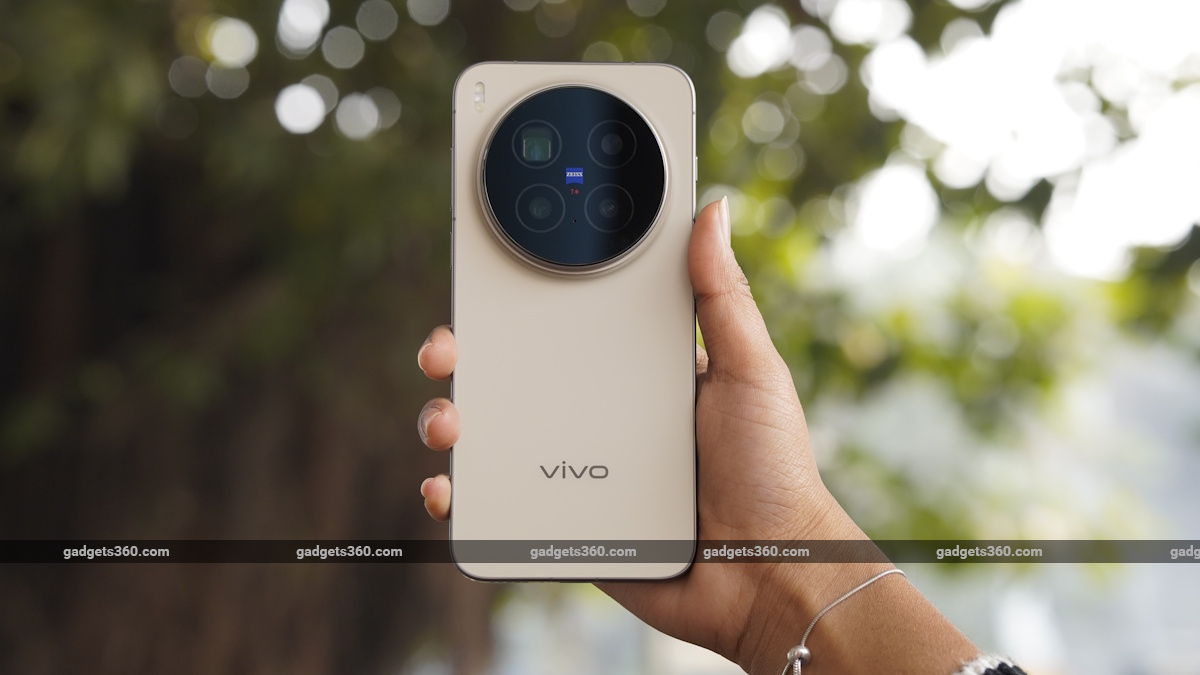
The Vivo X300 Pro is priced at Rs. 109,999 for 16GB+512GB model
Click Here to Add Gadgets360 As A Trusted Source

Disclaimer: Vivo sponsored the correspondent's flights and hotel stay for the event in Mauritius.
Advertisement
When Vivo launched the X200 Pro last year, it featured stellar cameras that earned it a nomination in the best smartphone category at various tech awards, including our in-house NDTV Gadgets 360 Awards 2025 edition. Now, when you already have a terrific device, how do you surpass it? Vivo might have just pulled it off with the latest X300 Pro.
To compare, the Vivo X300 Pro is slimmer than the X200 Pro despite packing a larger battery, and it finally supports telephoto extender support - something that was exclusive to the Ultra until last year. Additionally, the X300 Pro now runs OriginOS out of the box, replacing FuntouchOS. Of course, there's the popular ZEISS branding, which boasts the camera's prowess.
At a starting price of Rs. 99,999, the X300 Pro appeals to all Pro users, especially camera enthusiasts. Now, the company is adding support for the Vivo ZEISS 2.35x Telephoto Extender to Pro, making it a great package at an additional price of Rs. 18,999. Imagine getting the entire package at around the cost of the iPhone 17 Pro.
But let's cut to the chase and see whether the X300 Pro does justice to the price tag and how well it compares to the competition.
Vivo X300 Pro Design and Display: Looks and Feels Classic
- 161.2x75.5x8mm and 226 grams
- IP68 + IP69 for dust and water resistance
- 6.78-inch LTPO AMOLED display with 120Hz refresh rate, 4500nits peak brightness and 452PPI
Vivo has carved out a unique design proposition with its flagship Pro range of devices. And, the X300 Pro follows it to the core. The large circular camera deco is recognisable from a distance, and any smartphone enthusiast can easily identify Vivo X-series phones by their rear design. The legendary ZEISS branding in the middle of the camera housing is a badge of honour proudly representing perfection. One big change in the design department this year, though, is the move to shift to a flat body both front and rear.
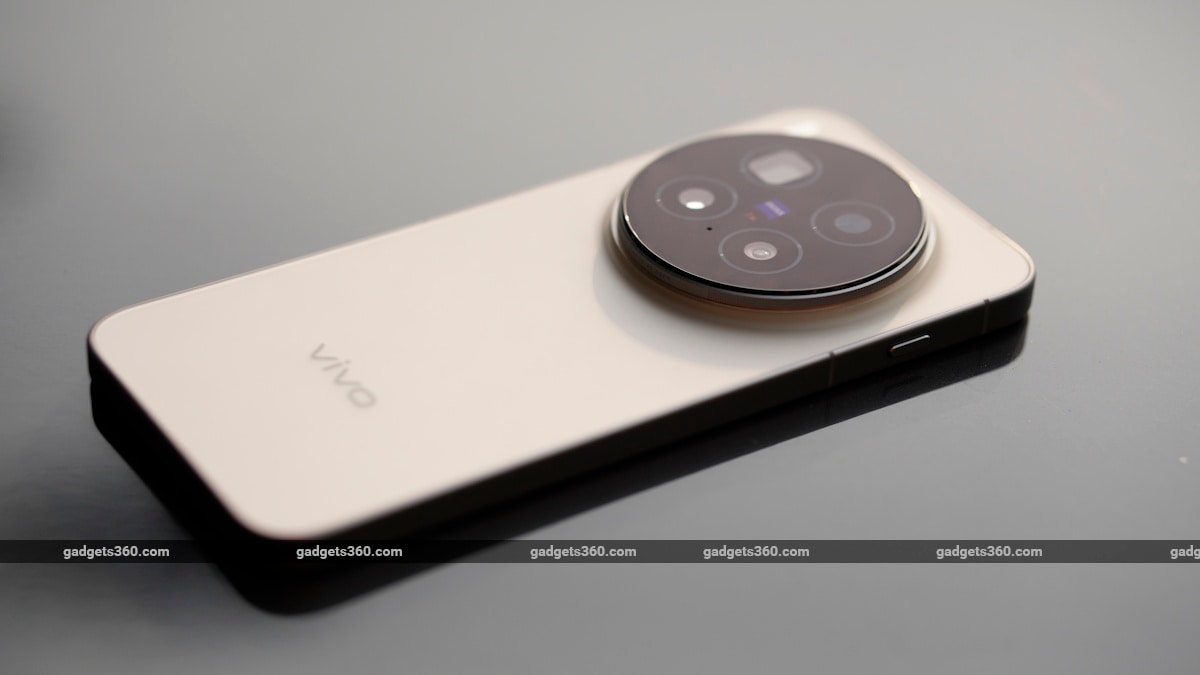
The X300 Pro gets a sleek, flat design
This year's camera bump is smaller than last year's. The back design features the company's new Coral Velvet Glass Technique, which uses frosted glass that makes the X300 Pro rear design fingerprint-resistant. Vivo's attention to detail is fantastic, as the outer lens sidewall features engravings mimicking the texture of a classic camera lens. The aluminium frame offers a solid hand feel. Like many devices in 2025, the Vivo X300 Pro also features a dedicated shortcut button that can be customised for tasks such as launching the camera. The bottom panel houses the SIM slot, and the device supports dual nano SIMs and eSIM. Vivo is bringing just two colours to India for now - Elite Black and Dune Gold. I got the second colour choice for this review, and it looks minimalistic and classy.
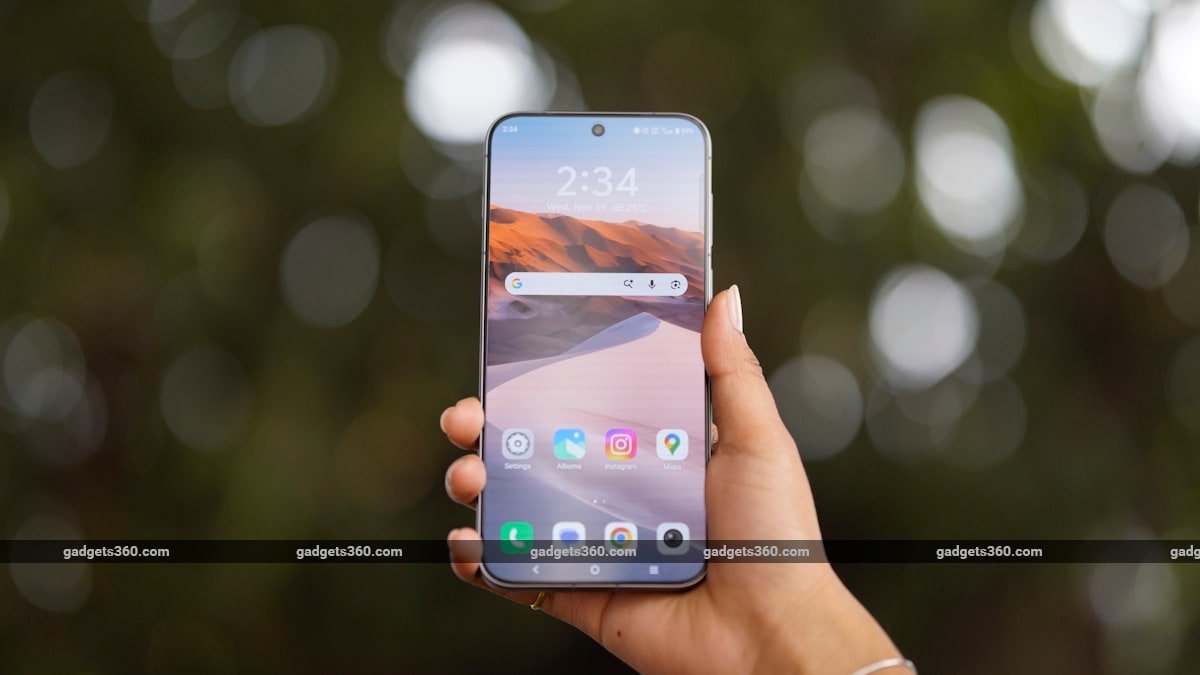
It features a 6.78-inch display
The front is primarily dominated by the screen, while the bezels have shrunk and are now symmetrical on all sides. The ultrasonic fingerprint scanner sits slightly below the centre of the screen and is easily accessible with the thumb when using the device with just one hand. The X300 Pro has an IP68 and IP69 rating for dust and water resistance. At 226 grams, the X300 Pro is marginally lighter than the X200 Pro (228 grams) and iPhone 17 Pro Max (233 grams). Interestingly, at 7.99mm, the X300 Pro is also slimmer than the iPhone 17 Pro Max (8.8mm).
Overall, the Vivo X300 Pro, despite the massive circular camera deco, feels proportionate, with weight evenly distributed.
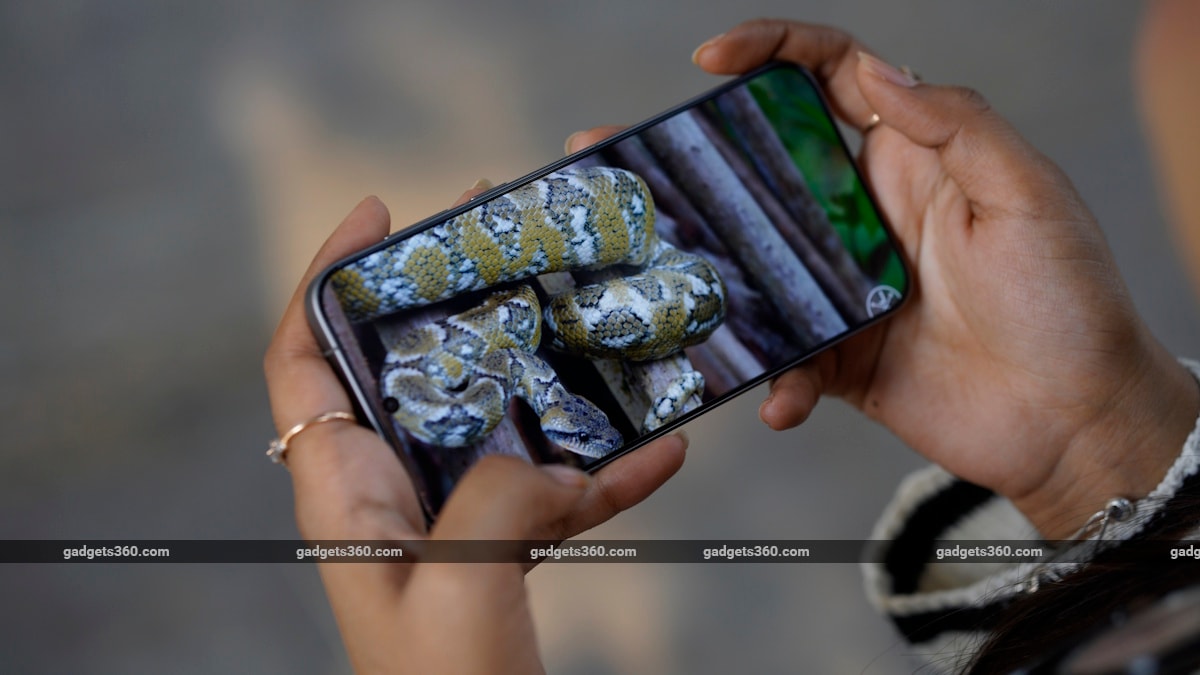
The 1.5K display is excellent for multi-media consumption and offers a 120Hz refresh rate
Jumping to the display on the X300 Pro, and it looks familiar. The X300 Pro features a 6.78-inch LTPO AMOLED display with a 1260x2800-pixel resolution and a 452 PPI pixel density. It gets a 120Hz refresh rate with 2160Hz PWM and DC dimming. Other standard features are onboard, such as Dolby Vision, HDR10+, Widevine L1, and TÜV Rheinland Flicker-Free Certification. Vivo also gets the SGS Low Blue Light Certification for the X300 Pro.
The device supports a peak brightness of 4500 nits, which isn't the best in the class but still sits near the top. Sunlight legibility is on point, and you never feel that the display isn't bright enough outdoors. The screen is flagship-grade and great for multimedia consumption, whether binge-watching on platforms like YouTube, Netflix and Prime Video or gaming. The texts appear crisp while images are sharp with natural colours.
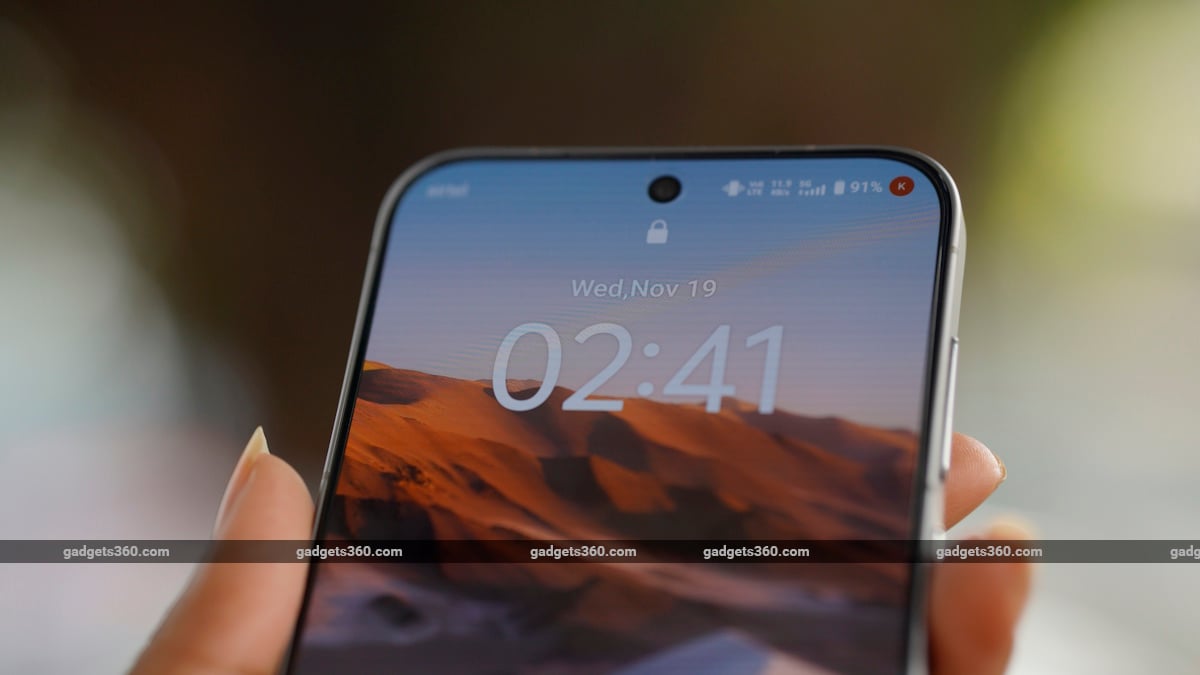
At the front, you get a 50-megapixel JN1 sensor
Vivo X300 Pro Camera: Quintessential
- 200-megapixel ZEISS APO telephoto camera
- 50-megapixel LYT-828 main camera
- 50-megapixel wide-angle camera
- 50-megapixel ZEISS wide-angle selfie camera
The Vivo X300 Pro camera setup may look similar to the X200 Pro's, but it also offers upgrades. The primary 50-megapixel camera now uses a Sony Lytia LYT-828 sensor, up from the 818 seen on the X200 Pro, and features an f/1.57 aperture. The telephoto camera is a 200-megapixel HPB sensor with an f/2.67 aperture. The telephoto camera gets up to 20x zoom support, ZEISS T* coating and ZEISS APO certification. The ultra-wide camera uses a 50-megapixel JN1 sensor, which, on paper, seems the same as the one in the X200 Pro. At the front, you get a 50-megapixel wide-angle selfie camera with 92-degree FOV and f/2.0 aperture. The phone also packs an adaptive Zoom flash that supports brightness adjustment based on focal length, with hardware coverage for 24 mm, 50 mm, and 85 mm.
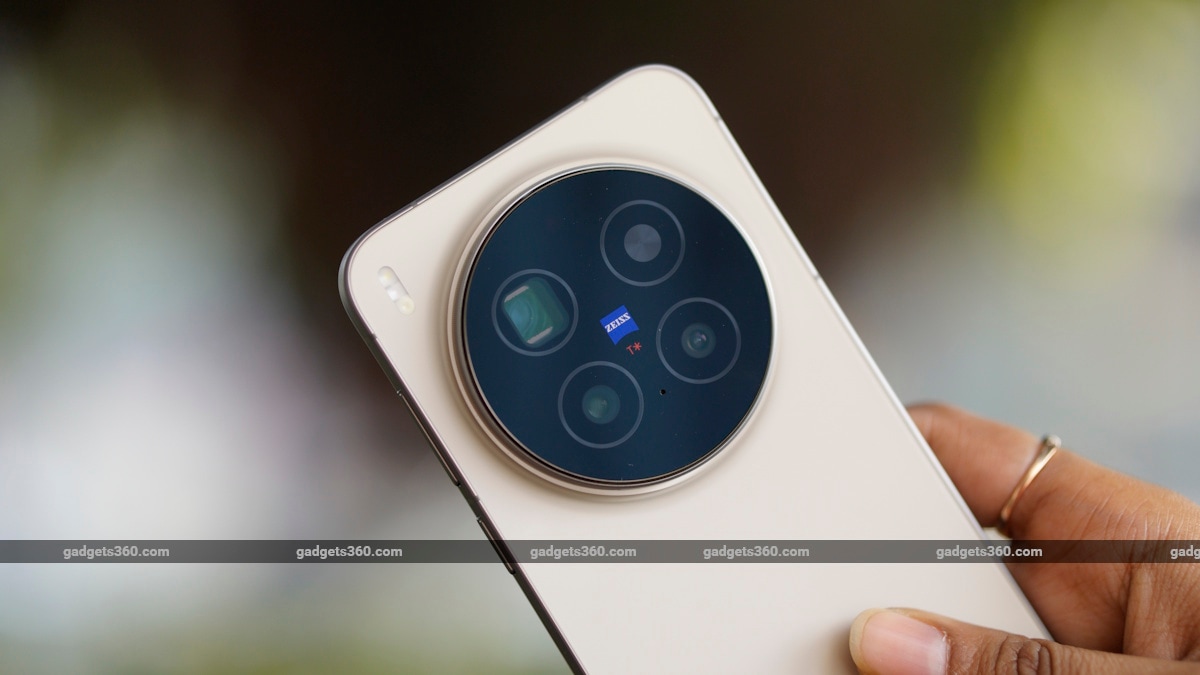
The phone packs a triple camera setup at the back
The Vivo X300 Pro offers multiple focal lengths to frame your shots perfectly, starting at 15mm (0.6x), 24mm (1x), 36mm (1.5x), 48mm (2x), 85mm (3.5x), 121mm (5x), and 242mm (10x). Of course, ZEISS colour science is part of the package, as it has been on earlier X-models.
Jumping straight to daylight samples, I love how comfortably Vivo X300 Pro reproduces colours exactly as they appear in real life, without artificial shifts that make a green apple appear green rather than a shade of green. The dynamic range is on point across images, and you can easily identify between the deepest shadows and the brightest highlights. The contrast across daylight photos has been pleasing, adding depth without crushing details. The samples I clicked across at different focal lengths look great, and you can't go wrong with even 2x - excellent detail levels.


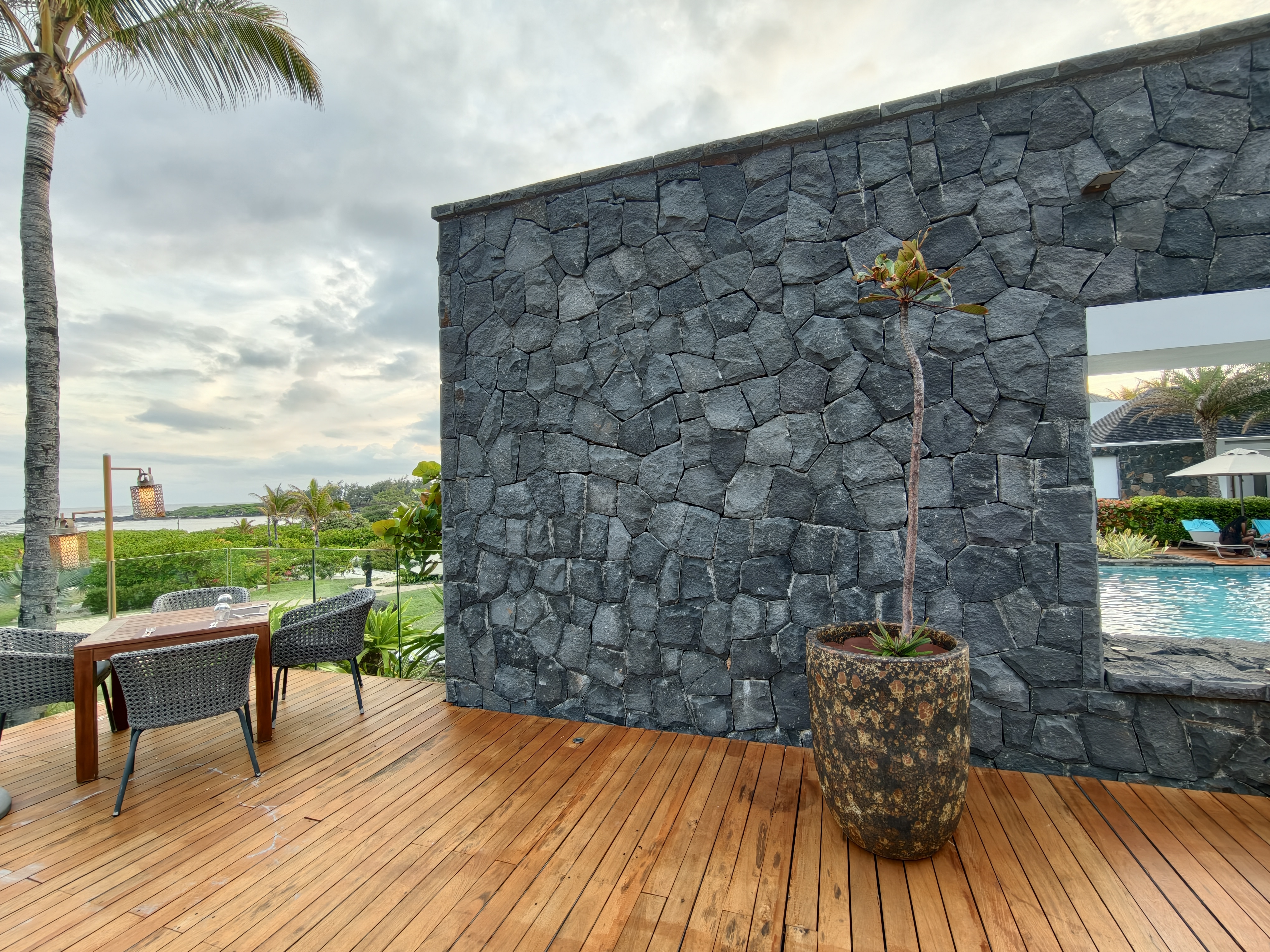


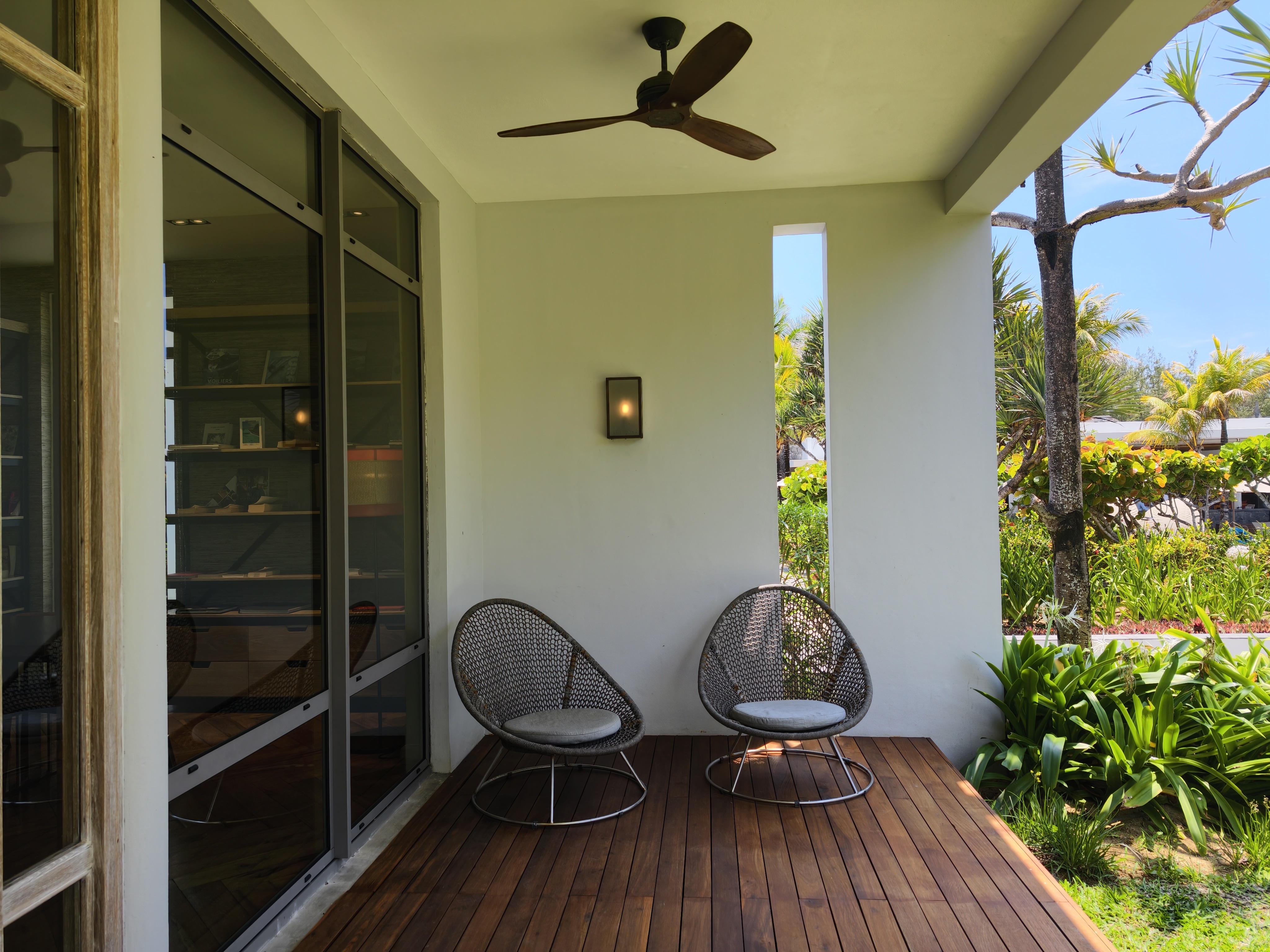

Vivo X300 Pro Primary (1x) Camera Daylight Shots (tap images to expand)
Vivo has excelled in the perfect portrait game, and, just as in the auto industry, different car manufacturers source a good engine, smartphone manufacturers should source this from Vivo. The natural bokeh shots come out great and are generally smoother and more pleasing than software blur. The skin tone is natural, with no artificial colours added. The ZEISS tuning is especially useful when depth mapping clearly distinguishes the subject from the foreground/background, for example, identifying individual strands of hair or complex glasses in frames, in Portrait Mode on the X300 Pro.





Vivo X300 Pro Portrait Camera Samples (tap images to expand)
The telephoto lens (3.5x) is one of the X300 Pro's big strengths, and I absolutely loved shooting with it. Below are two of my favourite shots taken using the 85mm telephoto lens.


Vivo X300 Pro Telephoto Camera Samples (tap images to expand)
The Vivo X300 Pro is a capable shooter for macro and zoom shots. The 10x focal length can capture some really good shots with enough detail for your social media post. Vivo is also widely promoting CIPA 5.5-rated stabilisation, which indicates professional-grade stability. Below are some zoom shots showing how far you can go with the X300 Pro, even without an extender kit.

Landscape captured using 1x (tap image to expand)

10x shot captured using X300 Pro (tap image to expand)

A photo taken of a parking lot in 1x (tap image to expand)

The red car is being focused here, captured in 10x (tap image to expand)
Even today, there are very few smartphones whose daylight performance is almost on par with their low-light results. Vivo X300 Pro is definitely part of that list. It can capture details even in extremely low light and match true colours. The noise suppression is well in check without making the image look waxy. Autofocus is excellent and consistently accurate, even in low light. The X300 Pro packs cameras that deliver the same high-quality image output in terms of colour, detail, and exposure across its different lenses (main, ultrawide, and telephoto).

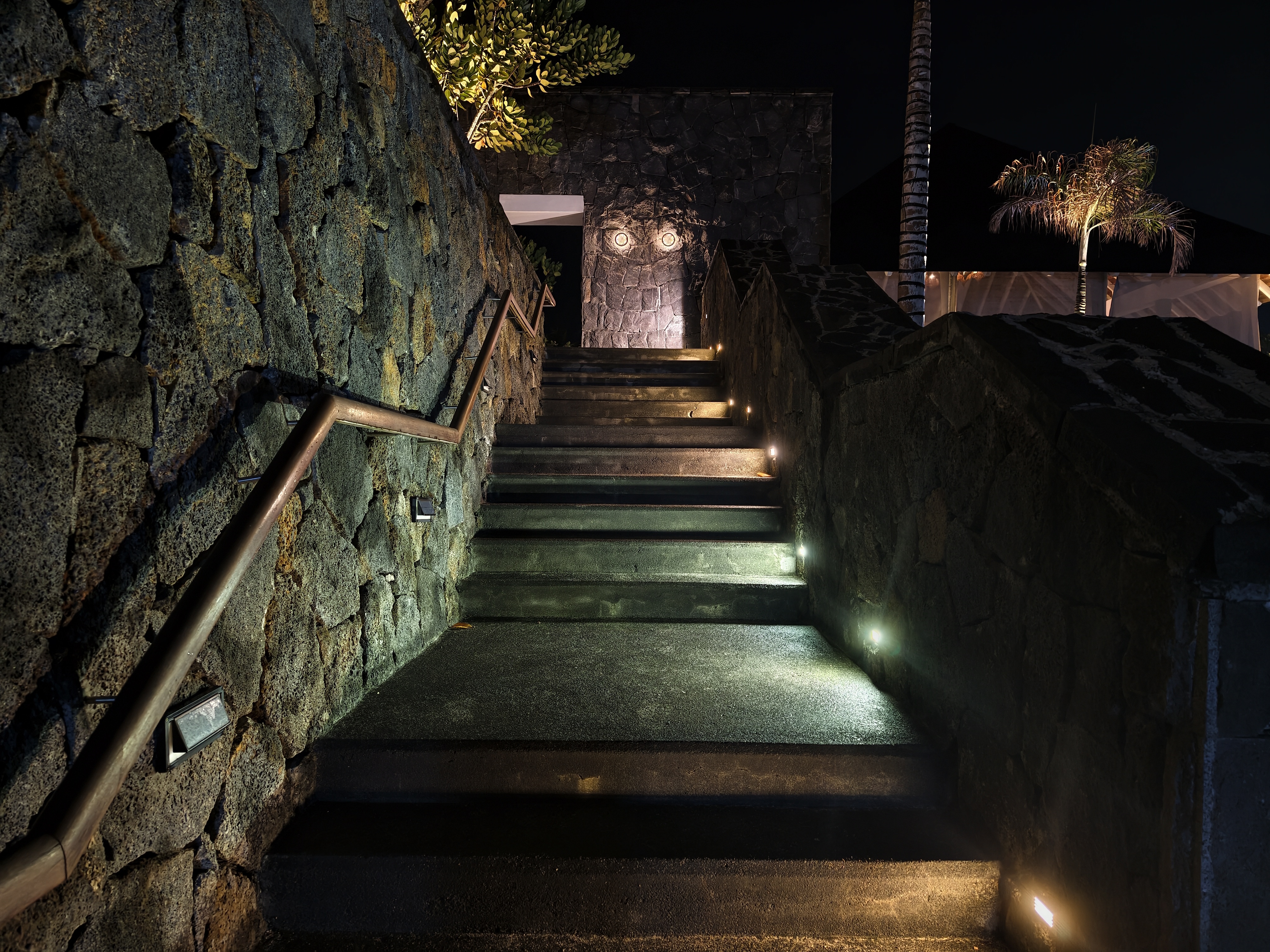

Vivo X300 Pro Low-light Camera Samples (tap images to expand)

Indoor camera sample clicked using 1x (tap image to expand)
Out of the entire camera pack, the ultrawide sensor is the most overlooked, but it does the job well. The ultrawide samples came out well, and the quality is top-notch with enough details. The selfie camera has been upgraded and can produce some excellent shots. The skin tone is exceptional with abundant details.
Vivo has also packed a bunch of AI features into the gallery app, like Object Eraser, Live Photo Zoom Out, AI Landscape Master, and AI Storyboard. All of which work perfectly and better than what you get on Apple devices.
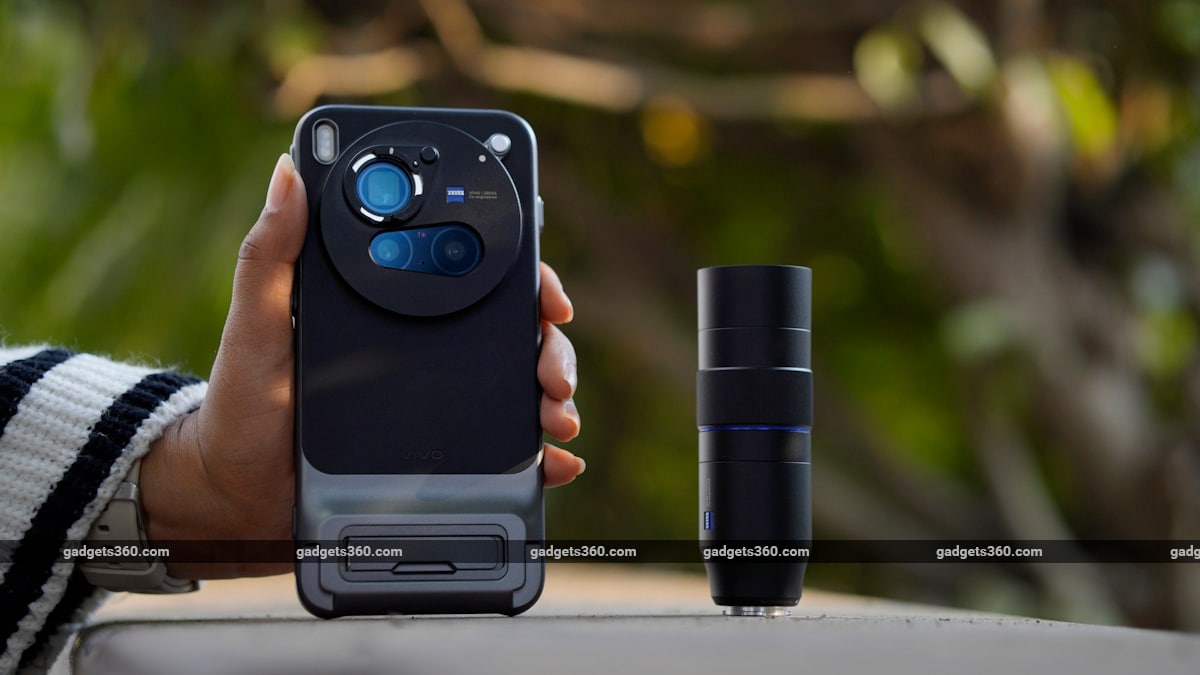
The Telephoto Extender Kit has been priced at Rs. 18,999
Vivo ZEISS 2.35x Telephoto Extender Kit
Vivo has given the X300 Pro superpowers by adding the 2.35x Telephoto Extender Kit. It has been co-developed with ZEISS and upgrades the 85mm telephoto lens to 200mm, delivering sharper images with natural colours. Vivo gave me the chance to visit a natural park to test the Vivo ZEISS 2.35x Telephoto Extender Kit, and the results (see below) should blow you away.
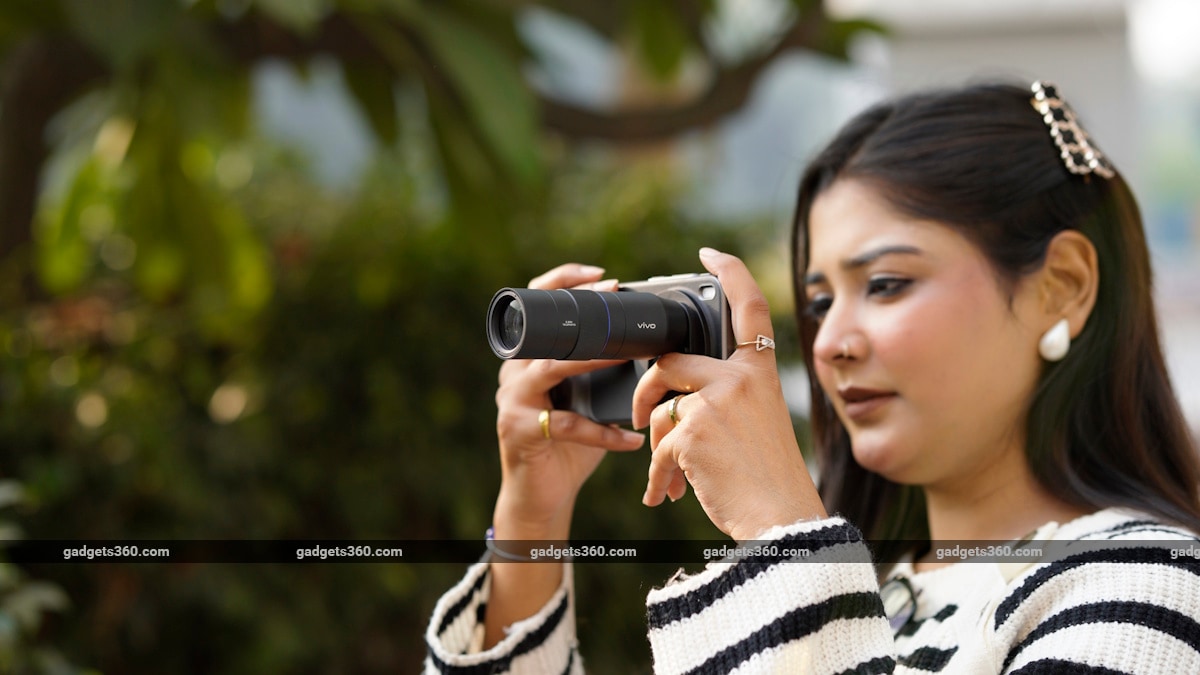
The Vivo ZEISS 2.35x Telephoto Extender Kit is great for capturing distant subjects with excellent clarity
It is like true optical zoom capability unleashed, where you no longer want a DSLR with a zoom kit when you have the X300 Pro with the 2.35x Telephoto Extender Kit.








Vivo X300 Pro Telephoto Extender Kit Camera Samples (tap images to expand)
Vivo X300 Pro Performance: Everyday Tasks Handled With Ease
- Octa-core Mediatek Dimensity 9500 (3nm-based)
- Single 512GB + 16GB storage and RAM option
- Android 16-based OriginOS 6
The Vivo X300 Pro packs the MediaTek Dimensity 9500, a 3nm chip built by TSMC. Oppo's Find X9 Pro packs the same chipset.
Vivo uses MediaTek's latest chip with the ARM V9.3 architecture, featuring one core at 4.21GHz C1-Ultra, three cores at 3.5GHz C1-Premium, and four cores at 2.7GHz C1-Pro. In India, Vivo has launched the X300 Pro in a single 16GB + 512GB model, while in China, it is also available in a 1TB storage variant. I really wish Vivo had brought the 1TB storage version, as when used with the Vivo ZEISS 2.35x Telephoto Extender Kit, the image sizes are large.
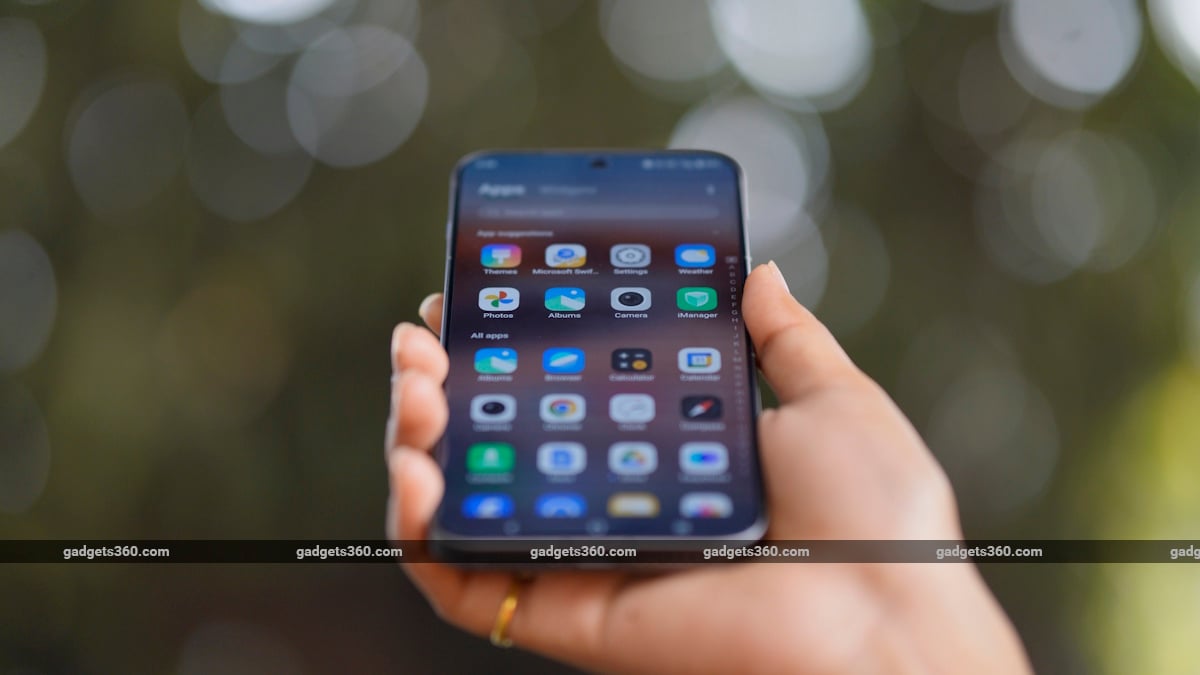
The X300 Pro will get 5 years of Android updates and 7 years of security fixes from the company
Vivo's latest Pro model performs well in synthetic benchmarks. Below, I compare the Vivo X300 Pro benchmark scores with those of the Oppo Find X9 Pro and OnePlus 15.
| Benchmarks | Vivo X3 Pro | OnePlus 15 | Oppo Find X9 Pro |
|---|---|---|---|
| Display resolution | 1.5K+ | 1.5K | 1,272 x 2,772 |
| Chipset | Dimensity 9500 (3nm) | Snapdragon 8 Elite Gen 5 (3nm) | Dimensity 9500 (3nm) |
| AnTuTu v10 | 34,82,878 | 36,35,346 | 35,10,178 |
| PCMark Work 3.0 | 16,485 | 15,527 | 13,826 |
| Geekbench 6 Single | 3,337 | 3,622 | 3,251 |
| Geekbench 6 Multi | 9,983 | 10,712 | 9,771 |
| GFXB T-rex | 121 | 60 | 61 |
| GFXB Manhattan 3.1 | 121 | 60 | 60 |
| GFXB Car Chase | 118 | 60 | 60 |
| 3DM Slingshot Extreme OpenGL | Maxed Out | Maxed Out | Maxed Out |
| 3DM Slingshot | Maxed Out | Maxed Out | Maxed Out |
| 3DM Wild Life | Maxed Out | Maxed Out | Maxed Out |
| 3DM Wild Life Unlimited | 26,529 | 27,327 | 26,331 |
The X300 Pro is an excellent everyday companion that can handle all tasks with ease. Right from multitasking, gaming, browsing, and more. While Vivo has been extensively promoting the X300 Pro as a camera phone champ, it can also handle some gaming.
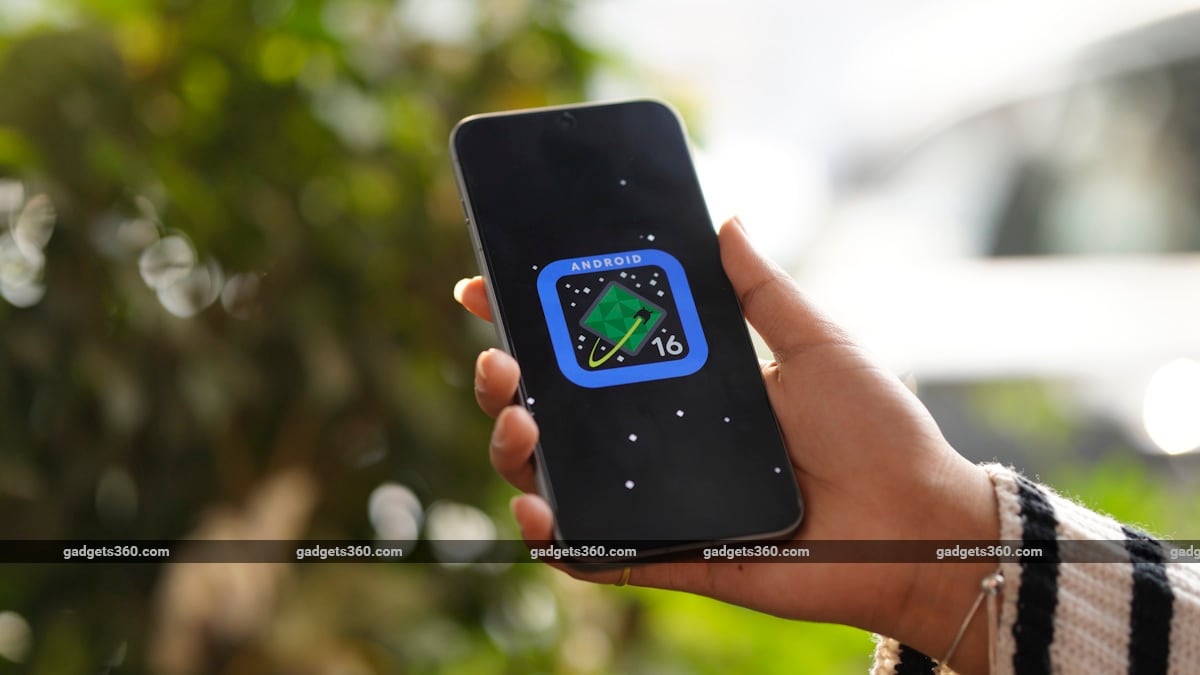
It runs on OriginOS 6, based on Android 16 out of the box
I tried the X300 Pro for gaming, and it didn't disappoint, though it does get extremely warm. It ran BGMI at the highest graphics settings and frame rate. The phone packs a stereo speaker setup with one bottom-firing and another integrated in the earpiece at the top. The speakers are loud, but clarity-wise, they aren't as good as some of the speakers seen on premium smartphones. The iPhone 17 Pro and the Samsung Galaxy S25 Ultra have better speaker setups.
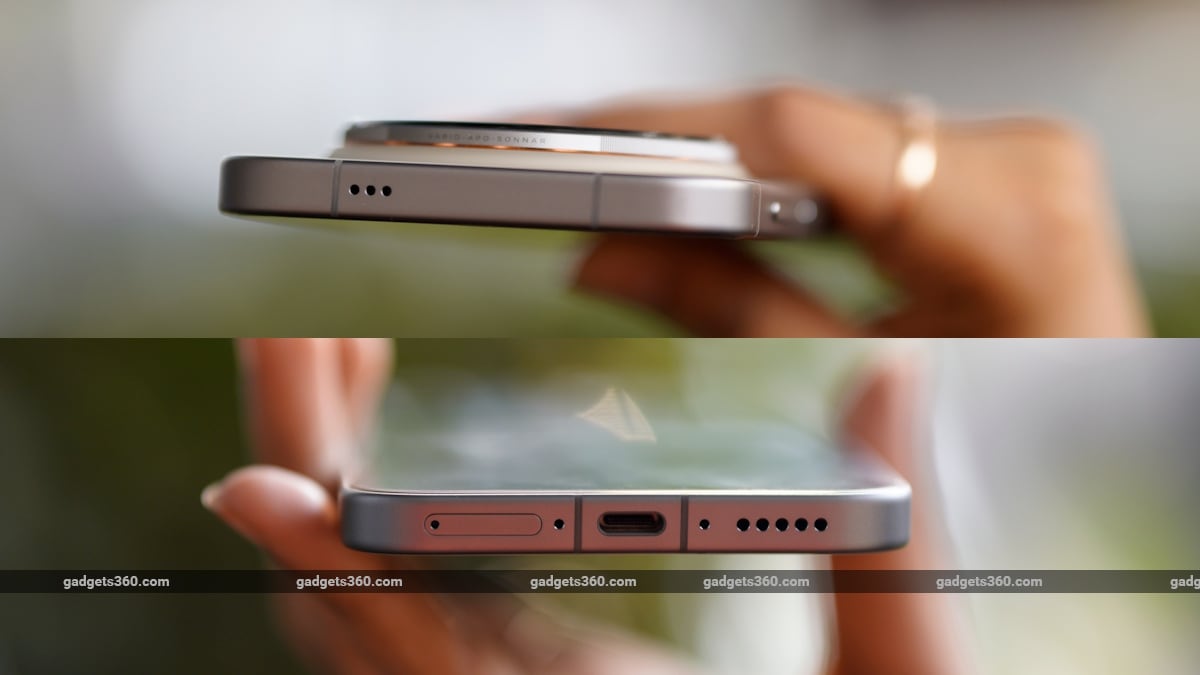
It gets a stereo speaker setup
The Vivo X300 Pro is the first X-series phone that runs OriginOS 6 out of the box. Based on Android 16, OriginOS 6 introduces new animations, including a spring effect for menu stretching and a dynamically adjusting background blur to create depth. You also get a blur transition that's visible in text, icons, and UI elements.
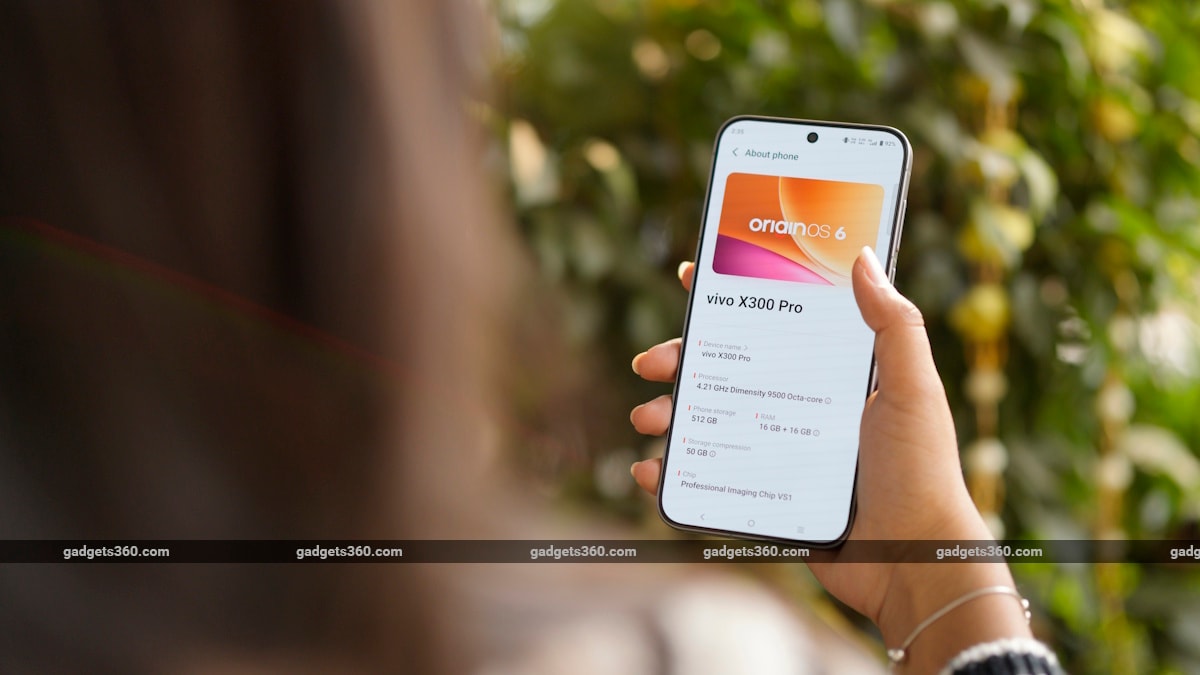
The X300 Pro running OriginOS 6 gets better animations and smoother transitions when compared to Funtouch OS
Vivo claims that OriginOS 6 now features a dual rendering architecture that combines a unified rendering framework with separated rendering frameworks. This architecture boosts efficiency while keeping resource use low, enabling smooth animations in features like one-shot transitions and real-time blur. Vivo has really paid attention to detail across various animations in OriginOS 6, and that feels refreshing compared to the FuntouchOS experience. The control centre, much like iOS, can be used separately for quick setting toggles and notifications in a split-style layout. You can always choose to keep it combined.
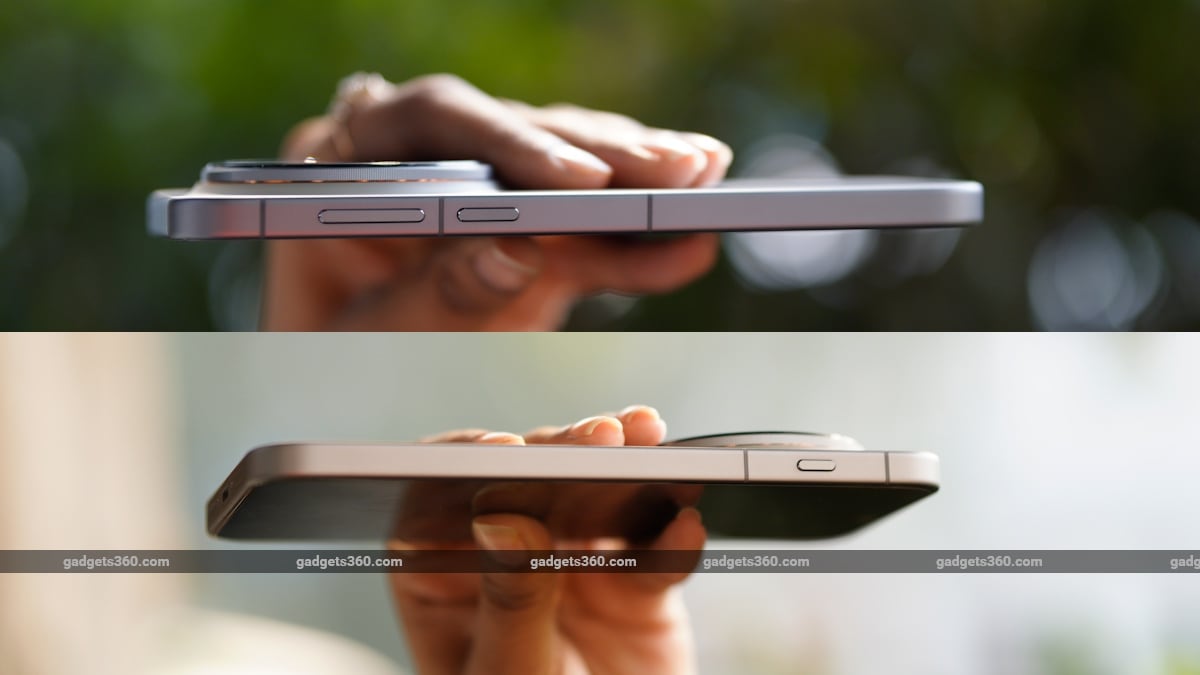
Vivo's X300 Pro measures just 7.9mm
The phone also gets Origin Island, a new take on Android for iPhone's Dynamic Island feature. On the X300 series, you can keep music controls handy alongside other functions, keeping instant information at a glance. One of the key advantages of this new feature is that the moment you copy text or drag a file, Origin Island opens the app based on its learning to paste it. During my review, copying the OTP for completing transactions was quite effortless, thanks to the prompt option offered by Origin Island.
As expected, the new OriginOS 6 offers tons of personalisation options for home and lock screens. You can choose from animated wallpapers and flexible clock controls.
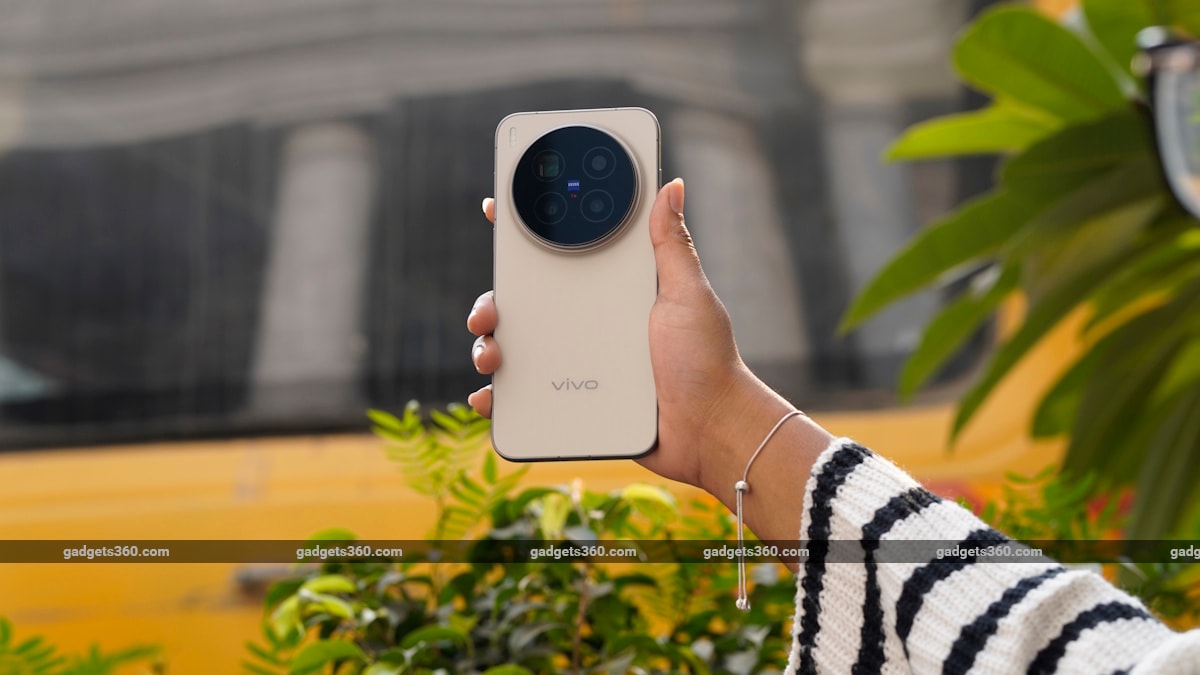
It comes in Elite Black and Dune Gold colours
There's also Origin Widgets that offer key details like AQI data, steps, battery and more in an interactive way. There's also the Flip Cards feature that changes wallpapers based on gyroscope input, so every time you tilt the phone, your wallpaper switches. There's also the Vivo Office Kit, which mirrors the phone's screen and controls on your PC or Mac. Vivo is also marketing One Tap Transfer, which makes sharing photos, videos or files easier between devices with just one tap.
Vivo has also added Private Space, which can help keep your work and personal lives separate with a dedicated vault with apps and other docs relevant to your work.
Vivo has announced 5 + 7 years of software and security fixes for the X300 series. Other goodies include Circle-to-Search support alongside Gemini pre-installed.
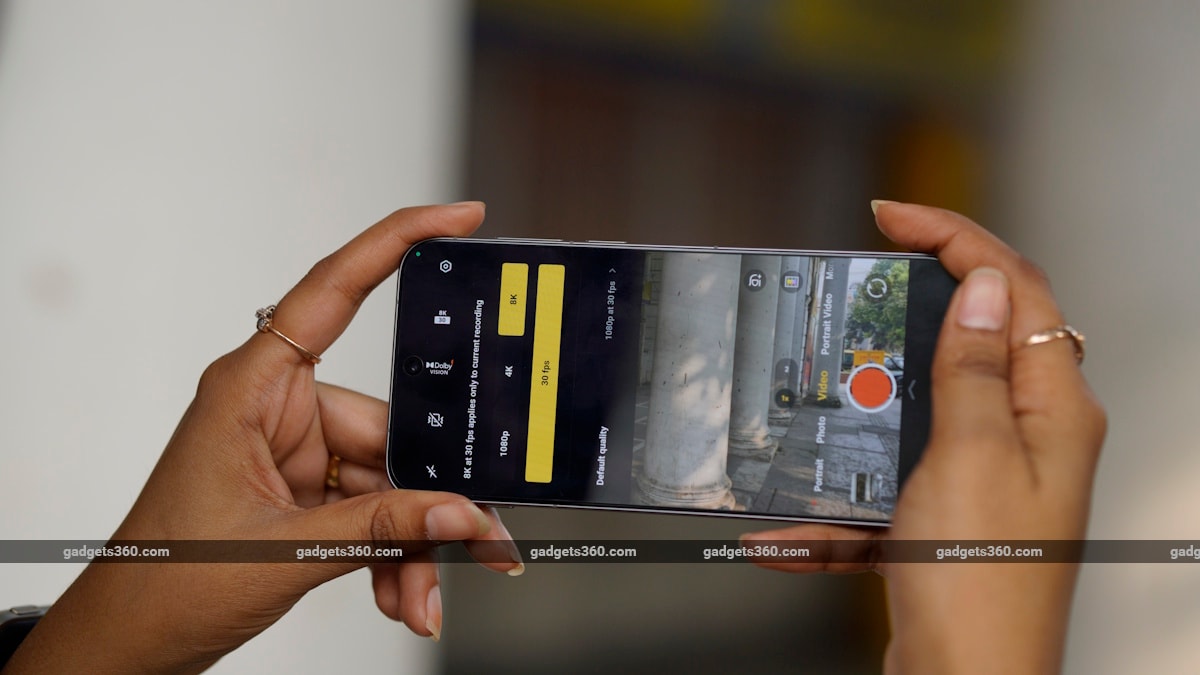
The X300 Pro offers support for 4K 120 fps Dolby Vision video recording, and the quality is top-notch
Vivo X300 Pro Battery: Worthy Upgrade
- 6510mAh with 90W FlashCharge wired support
- 40W wireless charging support
- Supports reverse wireless charging
When it comes to the battery, the Vivo X300 Pro gets a big bump over the X200 Pro. From 6,000mAh on the X200 Pro, the X300 Pro gets a 6,510mAh unit. While wired charging remains at 90W, wireless charging has been updated to 40W - up from 30W in the predecessor.
Time to fully charge now sits at around 40-45 minutes, which is lower than what it took on the X200 Pro, which packed a smaller battery. A quick 15 minutes of charging can bump the battery to 50 percent, which is impressive. In real-world usage, the X300 Pro easily lasted over a day with limited camera use and with regular tasks and apps open in the background. Of course, using the camera for about an hour affects the device's overall battery life. With extensive camera use, we got about 20 hours of battery life.
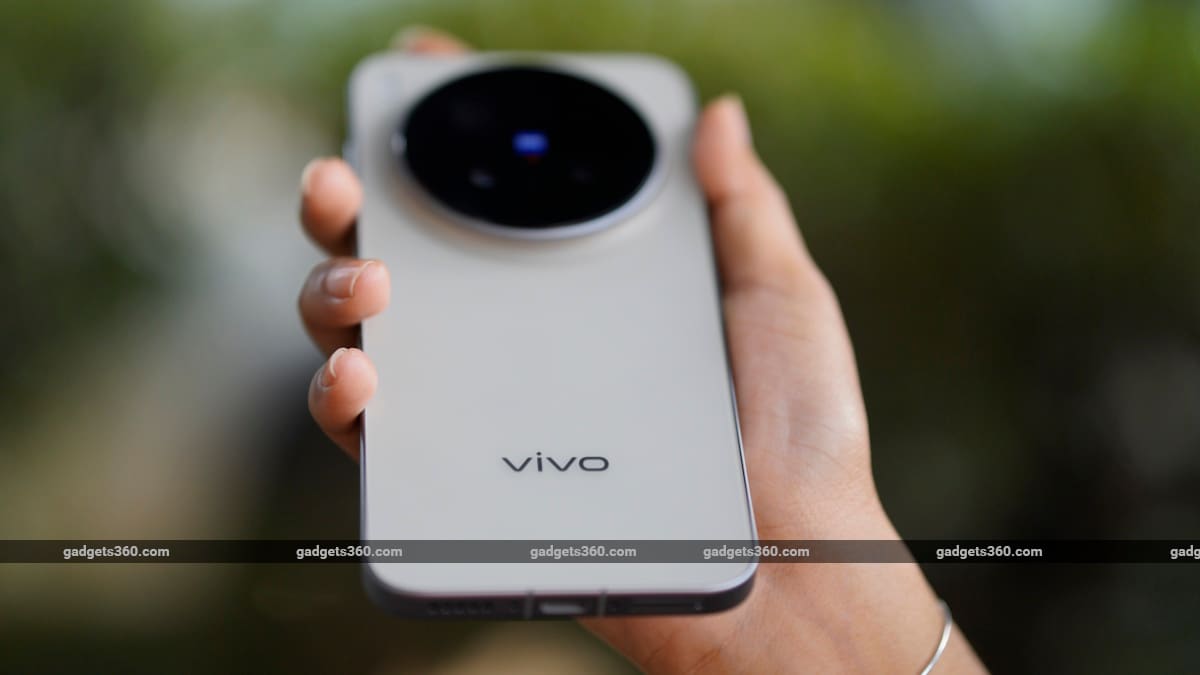
The phone gets a flat screen design, rounded corners and symmetrical bezels
In our in-house HD video loop test, the X300 Pro lasted about 22 hours, which is way more than the X200 Pro (about 19 hours). Overall, the battery is one of the highlights of the X300 Pro and really stands out when compared to the likes of the iPhone 17 Pro.
Vivo X300 Pro Verdict
At Rs. 109,999, the Vivo X300 Pro is an excellent camera phone for everyday adventures. Get the Telephoto Extender Kit at Rs. 18,999, and you don't just have a regular smartphone but a camera powerhouse. Much like the X200 Pro (Review), the X300 Pro has been designed with camera enthusiasts in mind, but by adding support for the Telephoto Extender Kit, Vivo has tipped us off that we may not see the Ultra in India for some time. But never mind, the X300 Pro delivers full value at this price, and you won't be unimpressed with the cameras.
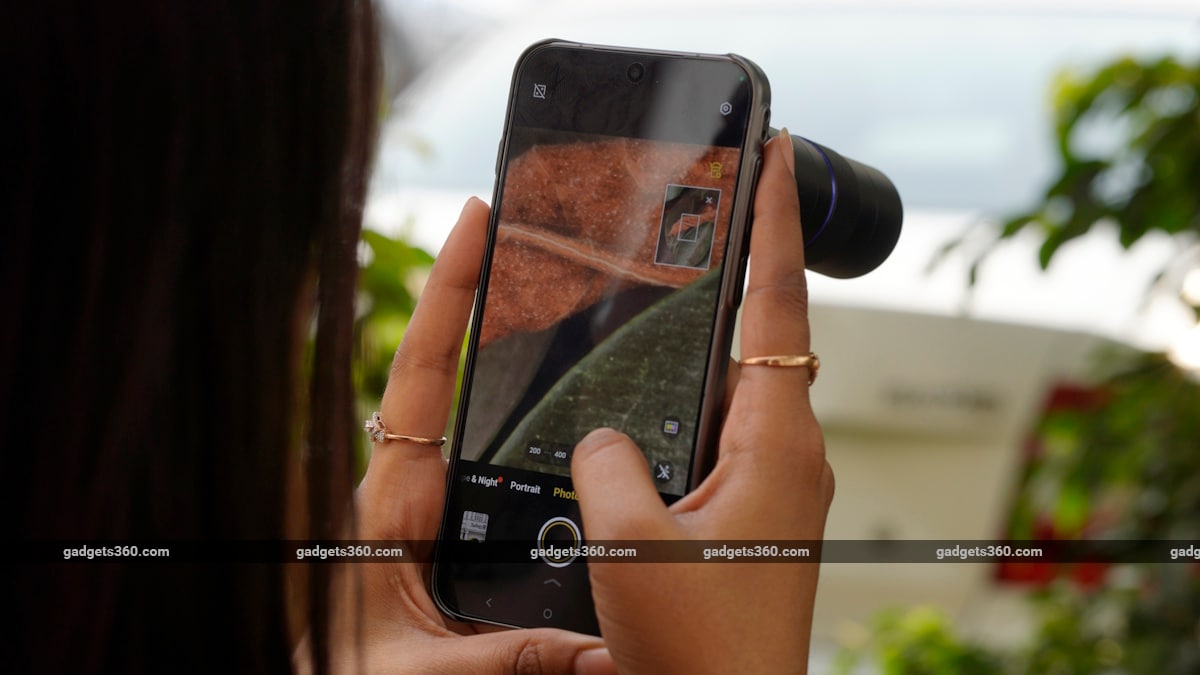
With the Telephoto Extender Kit, the Vivo X300 Pro can be your perfect wildlife adventure companion
Apart from the camera setup, the X300 Pro is a great flagship smartphone for everyday use. It can handle anything and everything you want from a premium-end device. Performance-wise, there are no complaints, and the battery should impress as well. Though I wish Vivo had introduced more storage trims as it did for the X300 (Review).
To sum it up, the Vivo X300 Pro should appeal to anyone looking for a great camera smartphone that doesn't compromise in any department. In case you're seriously into wildlife photography, get the Telephoto Extender Kit, and you will thank me later.
For alternatives, consider the iPhone 17 Pro, which is slightly more expensive, or the Samsung Galaxy S25 Ultra (Review), which remains a good all-rounder even by the end of 2025. There are other options like the Oppo Find X9 Pro (Review), which is priced very closely and is powered by the same chipset.
Disclaimer: Vivo sponsored the correspondent's flights and hotel stay for the event in Mauritius.
- REVIEW
- KEY SPECS
- NEWS
- Good
- Solid and premium hand feel
- IP68 and IP69
- Excellent display
- Flagship-grade performance
- Fantastic camera setup with telephoto extender support
- Impressive battery performance
- Bad
- Phone gets hot while running games
- Single 512GB storage
- Speakers are not the best in class
- Expensive
Read detailed Vivo X300 Pro review
Display 6.78-inch
Processor MediaTek Dimensity 9500
Front Camera 50-megapixel
Rear Camera 50-megapixel + 200-megapixel + 50-megapixel
RAM 16GB
Storage 512GB
Battery Capacity 6510mAh
OS Android 16
Resolution 1260x2800 pixels
Comments
Get your daily dose of tech news, reviews, and insights, in under 80 characters on Gadgets 360 Turbo. Connect with fellow tech lovers on our Forum. Follow us on X, Facebook, WhatsApp, Threads and Google News for instant updates. Catch all the action on our YouTube channel.
Further reading:
Vivo X300 Pro Price in India, Vivo X300 Pro
Related Stories


Advertisement
Follow Us




-
![[Sponsored] LG NANO 4K UHD AI TV NU885: Gemini Search, Dolby Atmos & 5 Years of Updates](https://www.gadgets360.com/static/desktop/images/spacer.png)
04:17
[Sponsored] LG NANO 4K UHD AI TV NU885: Gemini Search, Dolby Atmos & 5 Years of Updates -
00:57
[Sponsored] Samsung Galaxy Z Fold8 My Fan Cam in Action: Find the Moment, Then Share It -
01:41
[Sponsored] What Do You Need To Know Before Your Next Run? | Samsung Galaxy Watch Ultra2 -
01:32
[Sponsored] Big Day Tomorrow? Prep Today | Samsung Galaxy Watch Ultra2 -
04:37
[Sponsored]: CP PLUS CarKam CP-F89B: 4K Dashcam With Rear Camera, GPS & Emergency Recording
-
iPhone 18 Pro vs iPhone 17 Pro: Flipkart पर किस पर मिल रही ज्यादा छूट
-
Flipkart Big Billion Days Sale: 9 हजार से भी सस्ता रेफ्रिजरेटर, डिस्काउंट
-
दिवाली पर नया टूव्हीलर खरीदने का प्लान 1 लाख से भी कम में मिल रहे ये 5 EV
-
हर महीने रिचार्ज के झंझट से चाहिए छुटकारा तो Jio, Airtel और VI के प्लान देंगे 365 दिन अनलिमिटेड कॉल और इंटरनेट
-
Flipkart Big Billion Days Sale: 50 इंच स्मार्ट टीवी मिल रहे सस्ते, कीमत 21 हजार से शुरू
Advertisement
Popular on Gadgets
- Samsung Galaxy S26 Ultra
- Motorola Razr Fold
- ChatGPT
- OPPO Find N6
- Mobiles Under Rs. 40,000
- Vivo X300 Ultra
- Asus Zenbook S14
- iQOO 15
- Vivo X300 Pro
- Lenovo Yoga Slim 7i Aura Edition
- iQOO 15R
- Vivo X Fold 5
- Sony PlayStation 5
- HP OmniPad 12
- OnePlus Nord CE 6 Lite
- OnePlus Pad 4
- OPPO F33 Pro 5G
- Cryptocurrency
- HP OmniBook Ultra 14 (2026)
- iPhone 17
- Eureka Forbes AP 355 Room Air Purifier
- Latest Mobile Phones
- Compare Phones
Latest Gadgets
- Vivo Y600s Pro
- Vivo Y32 (2026)
- Infinix Smart 20 HD
- Vivo V80
- Vivo S2 FE
- Vivo Y600K Turbo
- Realme P4s Lite
- Vivo S60t
- HP ZBook Ultra G3a
- Dell Pro Rugged 14
- Amazon Alexa Tablet 8
- Amazon Alexa Tablet 11
- Amazfit T-Rex Dual Solar
- OPPO Watch S2
- Toshiba 65-Inch 4K Ultra HD Smart Mini LED QLED TV (65Z670SP)
- Haier M70 Mini LED 65-inch
- Acer Predator Atlas 8
- Asus ROG Ally
- Blue Star 1.5 Ton 5 Star Inverter Split AC (IE518ZNURS)
- Blue Star 2 Ton 3 Star Inverter Window AC (WIE324L)

- About Us
- Sitemaps
- Feedback
- Archives
- Contact Us
- RSS
- Advertise
- Career
- Privacy Policy
- Ethics
- Editorial Policy
- Terms & Conditions
- Complaint Redressal
Download Our Apps
Available in Hindi
© Copyright Red Pixels Ventures Limited 2026. All rights reserved.