

Get Alerts
From Gadgets 360

ASUSTeK Computer Inc., known as ASUS, is a Taiwanese multinational computer hardware and electronics company was founded in 1989 in Taiwan. ASUS is one of the world's largest computer hardware companies. Its products include desktops, PC peripherals, laptops, smartphones, tablets and hybrid devices. The company has made Android phones powered by Intel and Qualcomm SoCs.







Asus Latest News View All News
-
Select Asus and ROG Laptops Get 3-Month Google AI Pro, AI Plus Subscription in India Updated: 23 September 2026

-
Asus, Acer and HP Googlebook 14 Announced Alongside Dell XPS Googlebook, Lenovo Googlebook 15: Price, Features Updated: 22 September 2026
-
Googlebooks From Acer, Asus, and Lenovo Leaked in Renders Ahead of Launch Updated: 18 September 2026
-
Asus Vivobook S14, Vivobook S16, Vivobook 14 Flip, Vivobook S14 Flip and Vivobook 16 Launched in India Updated: 16 September 2026
-
Googlebook Laptops to Open for Pre-Orders on September 21, Google Confirms Updated: 15 September 2026
-
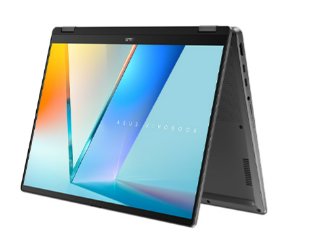
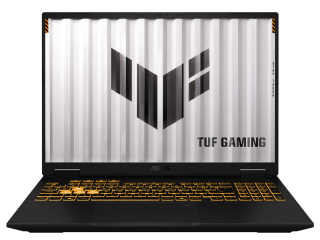
Asus TUF Gaming 16 (FX610) Launched in India With Up to Nvidia GeForce RTX 5060 GPU, Alongside Refreshed TUF A15, A16 and F16 Updated: 25 August 2026

Asus Reviews View All Reviews
-
Asus ROG Zephyrus G16 (2026)
-
Asus ProArt PZ14
-
Asus Asus Zenbook A14 (2026)
-
Asus Zenbook Duo 2026 (UX807)
Asus ROG Zephyrus G16 (2026) Review
- Design
- Display
- Software
- Performance
- Battery Life
- Graphics
- Sound
- Value for Money
- Good
- Excellent battery life
- Bright and crisp display
- Robust gaming performance
- Portable design
- Bad
- Major price increase
- Lack of significant hardware upgrades
- Laptop can run hot under heavy loads
Asus' ROG Zephyrus series has settled into its identity over the past two years. The Taiwanese manufacturer has gone through a few iterations, ironed out the kinks, and found the right balance of sleek design and slick performance. As a result, it's hard to see meaningful upgrades in each yearly refresh. Instead, new ROG Zephyrus laptops offer iterative improvements that refine what's already good and trim what's not.
Asus ProArt PZ14 Review
- Design
- Display
- Software
- Performance
- Battery Life
- Graphics
- Sound
- Value for Money
- Good
- Gorgeous 3K 144Hz OLED display
- Excellent day-to-day performance
- Premium, lightweight aluminium build
- Useful Asus Pen 3.0
- Impressive battery life
- Bad
- Detachable keyboard is awkward on the move
- Limited port selection, unupgradable storage
- Storage isn't upgradeable
Apart from traditional desktops and laptops, just about every other form factor powered by Windows has, at some point, seen its fall from grace. We had the Windows phones from Nokia, Windows RT-powered devices, Windows UMPCs, and even some rather strange attempts at making foldables work with Microsoft's operating system. Windows tablets, similarly, have also been in a strange spot. Although Microsoft's Surface lineup proved years ago that the idea works, the truth is an iPad is still the obvious answer for most if you want something genuinely tablet-like. Asus wants to change that equation with the new ProArt PZ14.
Asus Asus Zenbook A14 (2026) Review
- Design
- Display
- Software
- Performance
- Battery Life
- Sound
- Value for Money
- Good
- Premium Ceraluminum chassis
- Extremely lightweight
- Comfortable keyboard and touchpad
- Excellent battery life
- Good selection of ports
- Bad
- OLED panel is still limited to 60hz
- Display is a bit reflective for outdoor use
- Priced at a premium over last year’s model
The race to build thinner and lighter laptops has been going on for years, but not every attempt has been successful. Many manufacturers manage to reduce the weight, only to compromise on performance, battery life, or even basic usability. Asus seems to have found a sweet spot with the Zenbook lineup. The brand has introduced multiple variants in the Zenbook lineup with Intel, AMD, and Qualcomm chipsets to cater to a wider audience across different price points.
Asus Zenbook Duo 2026 (UX807) Review
- Design
- Display
- Software
- Performance
- Battery Life
- Sound
- Value for Money
- Good
- Sturdy all-metal chassis
- Vibrant displays
- Great battery life
- Dependable performance
- Can be used in multiple modes
- Unique form factor
- Bad
- Slightly heavier and bulky build
- No SD card reader
- Slightly thick top bezel
Asus is one of the few brands that have always kept innovating in the mundane laptop design. Whether it be the Zenbooks or Vivobooks, the company has made sure to bring some innovations to the customers. One such product that brings innovations to the masses is the Asus Zenbook Duo. First launched in 2024, the first iteration created the buzz, though it still had some loose ends. However, with the latest Asus Zenbook Duo 2026, the company has made some significant improvements.
Latest Features
-
Best Laptops Under Rs. 90,000 in India to Buy During Amazon, Flipkart Sale: Acer Aspire 7 (2026), Dell 15 (2025) and MoreWritten by Dhruv Raghav, 25 August 2026
-
Best Gaming Laptops Under Rs. 1.5 Lakh in IndiaWritten by Nithya P Nair, 25 August 2026
-
Best Gaming Laptops Under Rs 1 Lakh in India From Asus, Acer, HP and MoreWritten by Sucharita Ganguly, 25 August 2026
-
Asus Targets No. 1 Position in India This Year: VP Arnold Su on Tablets, Pricing, and MoreWritten by Rohan Pal, 25 August 2026
-
Amazon Great Freedom Sale 2026: Best Deals on Gaming Laptops Under Rs. 1 Lakh From Asus, MSI, and MoreWritten by Dhruv Raghav, 25 August 2026
-
Chromebook vs Windows Laptop: Which One Should You Buy in India?Written by Sucharita Ganguly, 25 August 2026
Asus Videos View All Videos
-
01:19
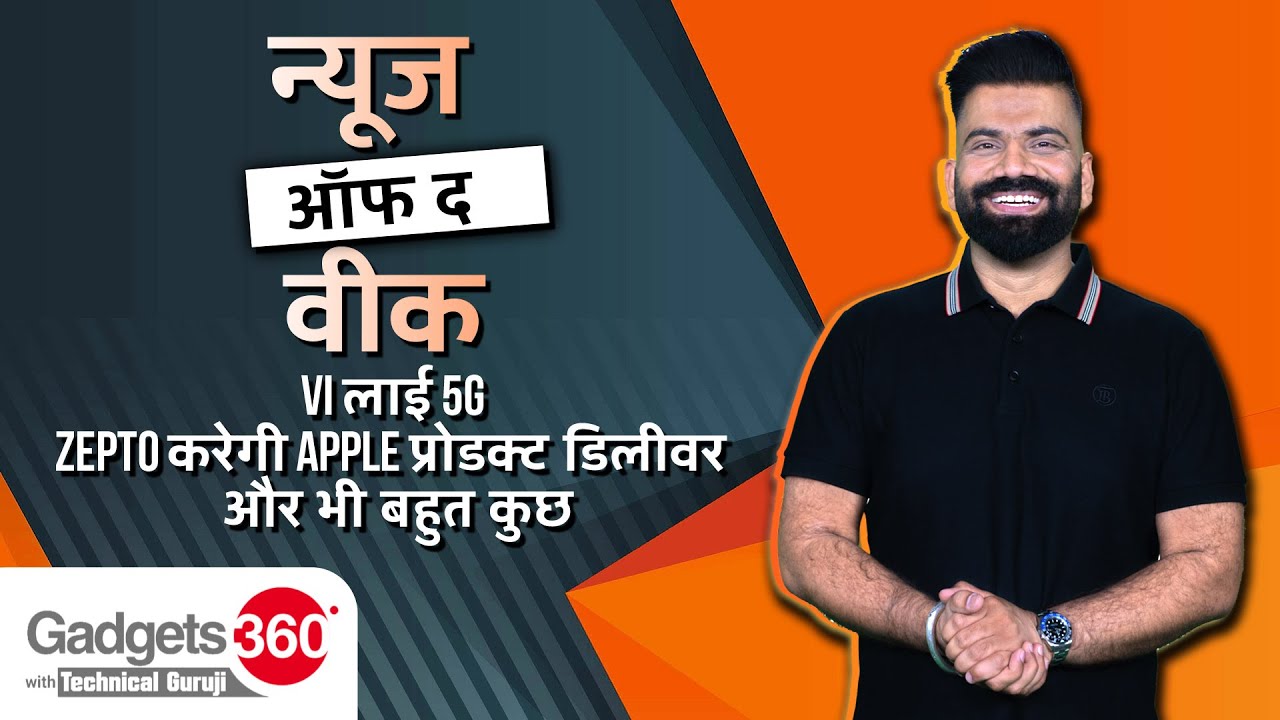
Gadgets 360 With Technical Guruji: Vi लाई 5G, Zepto करेगी Apple प्रोडक्ट डिलीवर और भी बहुत कुछ
-
01:45
Gadgets 360 With Technical Guruji: Samsung से लेकर Beats के Airpods तक हफ्ते भर की बड़ी Tech Updates
-
18:07
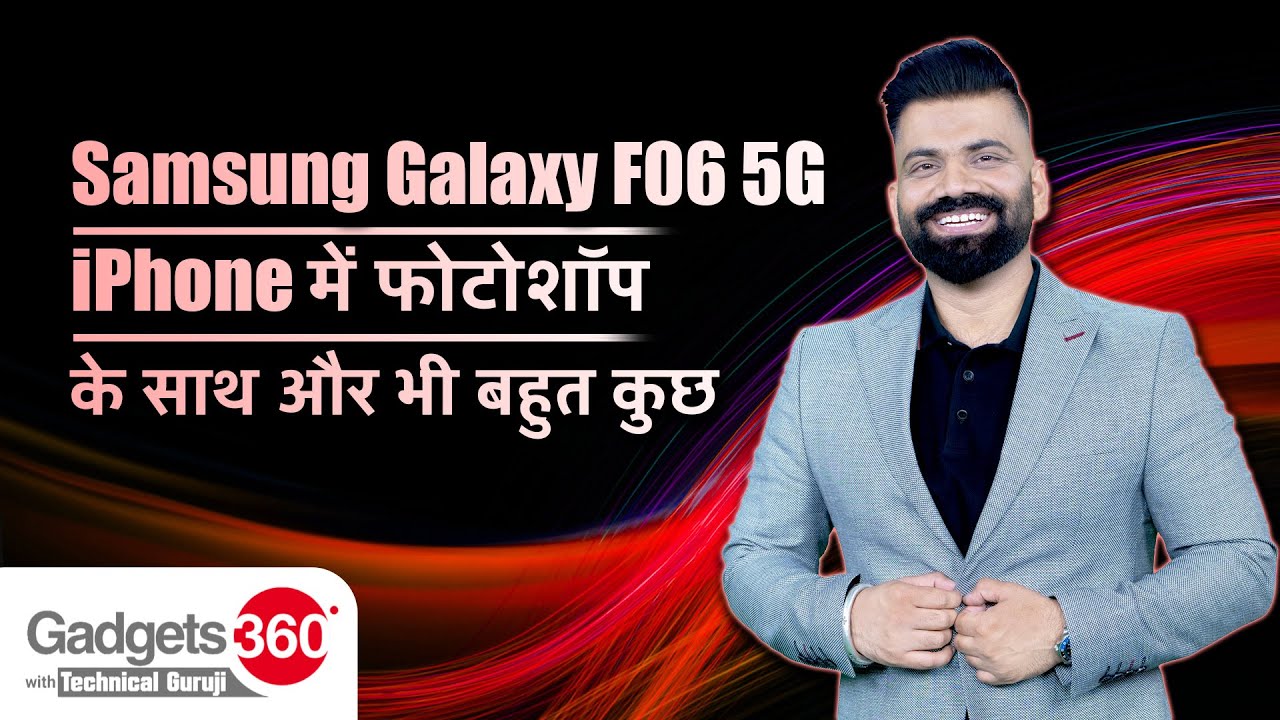
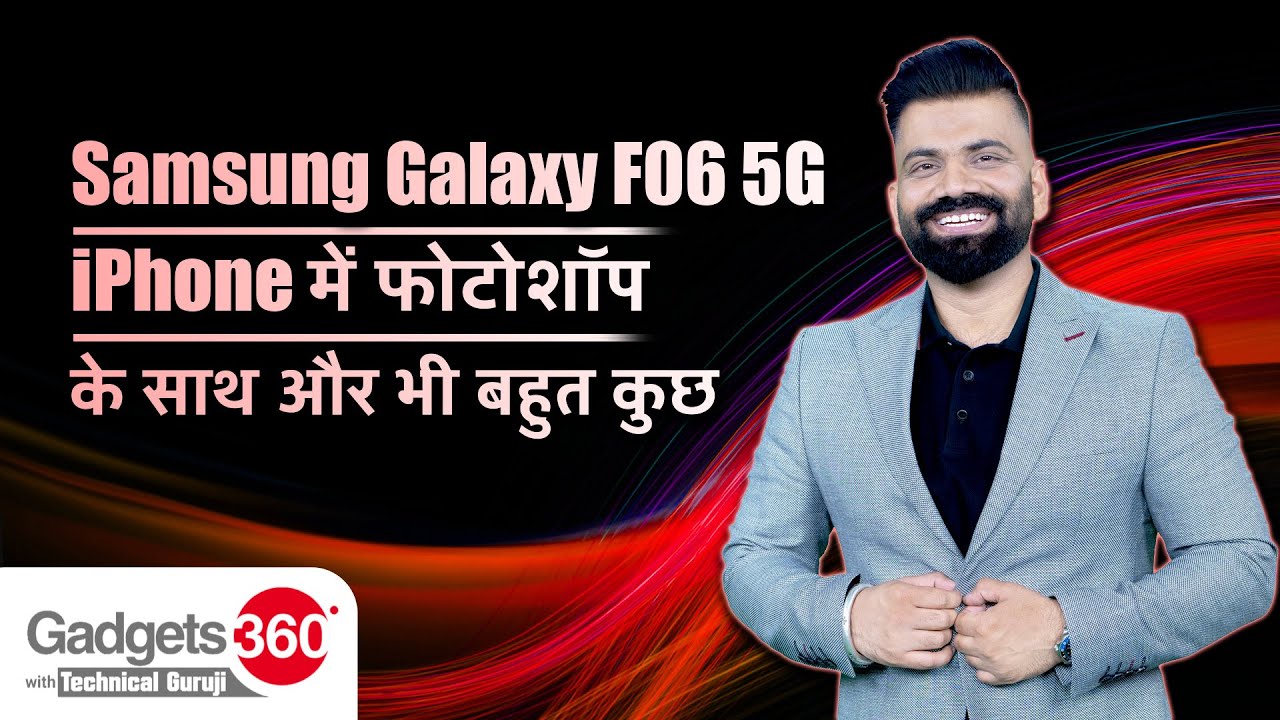
Samsung Galaxy F06 5G, iPhone में Photoshop के साथ और भी बहुत कुछ |Gadgets 360 With Technical Guruji
-
01:58
Snapdragon X Platform Launched - AI Features, ASUS Laptops & More!
-
02:51
ASUS VivoBook S 14 OLED Review: Should You Get It?
-
03:08
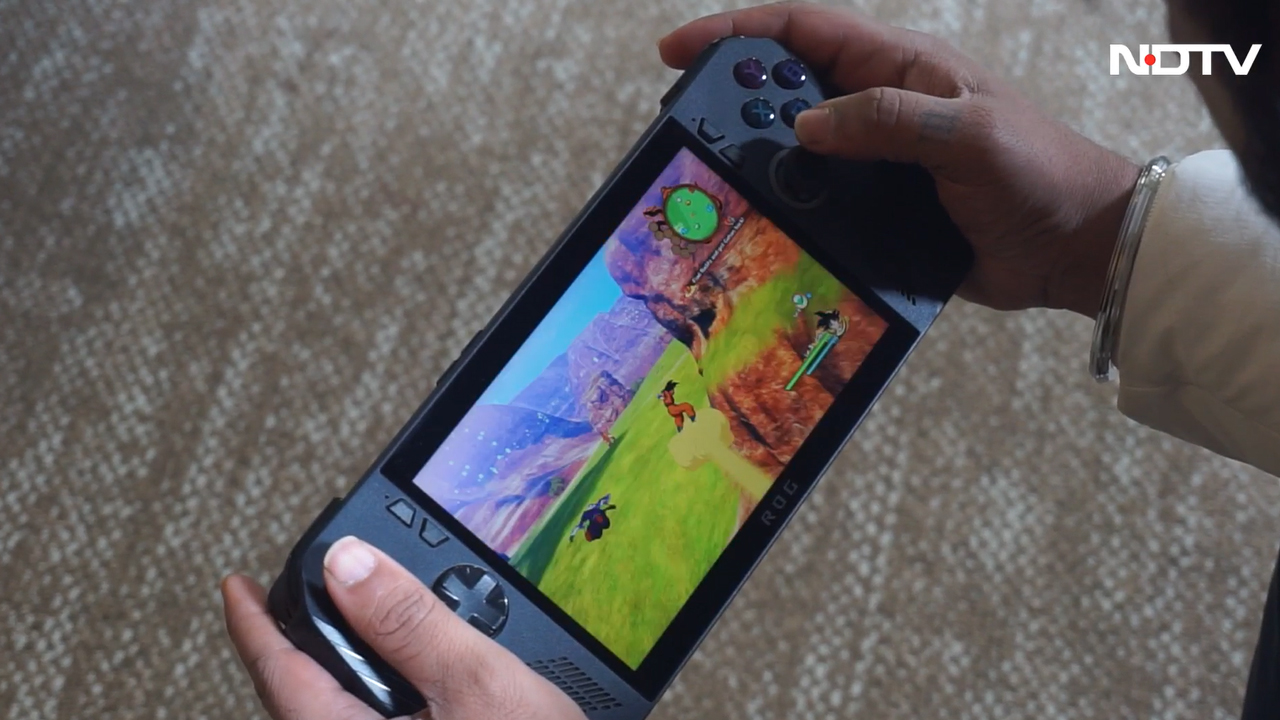
ASUS ROG Ally X Review: Worth The Price Tag?


Trending





Latest Products

Advertisement
Best Mobile Phones
- Best Mobile Phones
- Best Camera Mobile Phones
- Best Mobile Phones Under 10000
- Best Mobile Phones Under 15000
- Best Mobile Phones Under 20000
- Best Mobile Phones Under 25000
- Best Mobile Phones Under 30000
- Best Mobile Phones Under 35000
- Best Mobile Phones Under 40000
- Mobile Phones between 10000 to 15000
- Best Camera Mobile Phones Under 15000
- Best Camera Mobile Phones Under 20000
- Best Camera Mobile Phones Under 25000
- Best Camera Mobile Phones Under 30000
- Best 5G Mobile Phones Under 15000
- Best 5G Mobile Phones Under 20000
- Best 5G Mobile Phones Under 25000
- Best 5G Mobile Phones Under 30000
- Best 5G Mobile Phones Under 40000
- Best 5G Mobile Phones Under 50000
Advertisement
Popular on Gadgets
- Samsung Galaxy S26 Ultra
- Motorola Razr Fold
- ChatGPT
- OPPO Find N6
- Mobiles Under Rs. 40,000
- Vivo X300 Ultra
- Asus Zenbook S14
- iQOO 15
- Vivo X300 Pro
- Lenovo Yoga Slim 7i Aura Edition
- iQOO 15R
- Vivo X Fold 5
- Sony PlayStation 5
- HP OmniPad 12
- OnePlus Nord CE 6 Lite
- OnePlus Pad 4
- OPPO F33 Pro 5G
- Cryptocurrency
- HP OmniBook Ultra 14 (2026)
- iPhone 17
- Eureka Forbes AP 355 Room Air Purifier
- Latest Mobile Phones
- Compare Phones
Latest Gadgets
- Vivo Y600K Turbo
- Realme P4s Lite
- Vivo S60t
- OPPO F35 5G
- OPPO F35 Pro 5G
- Samsung Galaxy F08
- Samsung Galaxy M08
- OPPO K15x
- Dell 14 Plus 2-in-1 (AMD Ryzen AI 7 350, 2025)
- Microsoft Surface Laptop, 13-inch (2nd Edition)
- Samsung Galaxy Tab S12+
- Samsung Galaxy Tab S12 Ultra
- Amazfit T-Rex Dual Solar
- OPPO Watch S2
- Toshiba 65-Inch 4K Ultra HD Smart Mini LED QLED TV (65Z670SP)
- Haier M70 Mini LED 65-inch
- Acer Predator Atlas 8
- Asus ROG Ally
- Blue Star 1.5 Ton 5 Star Inverter Split AC (IE518ZNURS)
- Blue Star 2 Ton 3 Star Inverter Window AC (WIE324L)

- About Us
- Sitemaps
- Feedback
- Archives
- Contact Us
- RSS
- Advertise
- Career
- Privacy Policy
- Ethics
- Editorial Policy
- Terms & Conditions
- Complaint Redressal
Download Our Apps
Available in Hindi
© Copyright Red Pixels Ventures Limited 2026. All rights reserved.