-
 Flipkart Big Billion Days Sale: Oppo Find X9 Ultra, K14x and Other More Phone Deals Revealed30 September 2026
 -
Samsung Galaxy S26 FE vs Oppo Find X9s vs Vivo V70 Elite: Price in India, Specifications and Features Compared27 September 2026
-
Best Phones for Video Recording in India Under Rs. 1 Lakh: From iPhone 17 to Google Pixel 11 and More20 September 2026
-
iPhone 18 Pro, iPhone 18 Pro Max Alternatives: Pixel 11 Pro to Xiaomi 17 Ultra and More12 September 2026
-
Best Smartphones With 200-Megapixel Cameras to Buy in India in 2026: Oppo Find X9 Ultra, Galaxy S26 Ultra, More6 September 2026
- Home
- Mobiles
- Mobiles Reviews
- Oppo Find X9s Review: A Premium Smartphone That’s Almost ‘Pro’
Oppo Find X9s Review: A Premium Smartphone That’s Almost ‘Pro’
Oppo’s newest X9s looks the part for a premium smartphone, but comes up a bit short in terms of performance.
Written by Sheldon Pinto, Edited by Ketan Pratap | Updated: 21 May 2026 20:48 IST
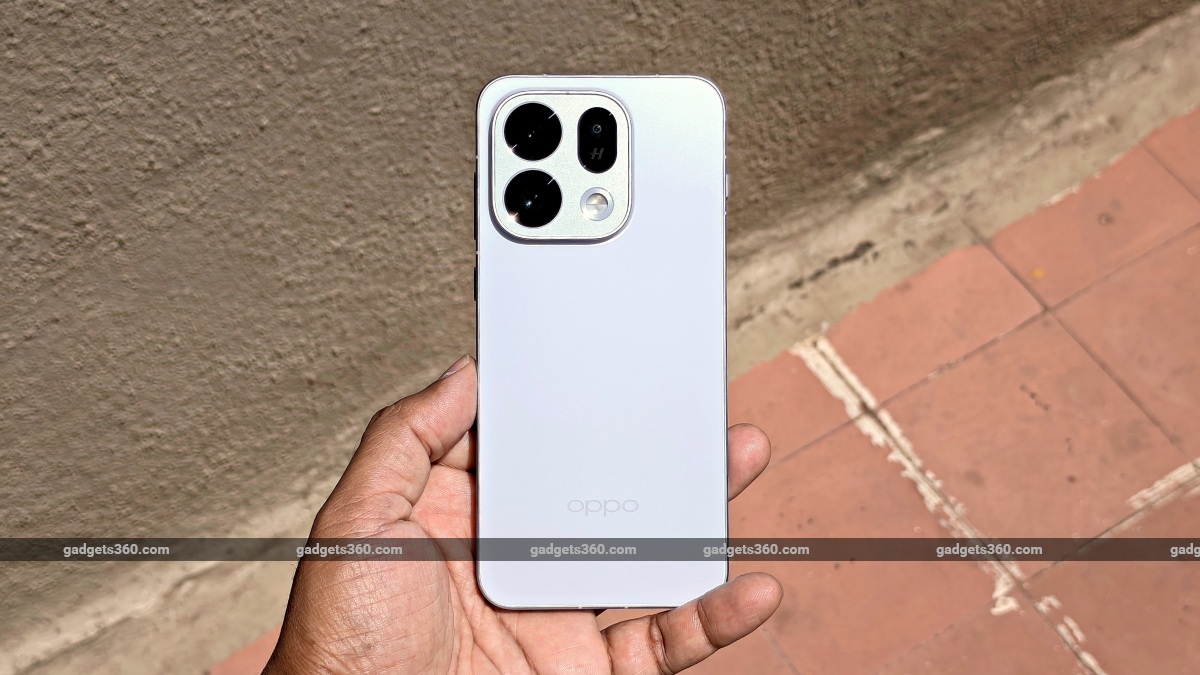
The Oppo Find X9s is priced at Rs. 79,999 in India
Click Here to Add Gadgets360 As A Trusted Source

 OPPO Find X9s FAQs
Advertisement
The memory crisis hasn't even peaked and we are already getting a glimpse of things to come, how it's affecting, and will continue to impact the world of smartphones. A clear-cut example of this is the Vivo X300 FE, which was launched a few weeks ago. It had everything the previous model did with some big design upgrades, but arrived at a substantially higher price and lesser capability, which made it hard to recommend. Despite being the first non-Pro model from Vivo's line-up to get the Telephoto Extender lens treatment (sold separately), it still had to compete with previously launched models from Vivo's own lineup. Such is the state of 2026 amidst the memory crisis!
And now, Oppo has launched its version of the X300 FE. It's called the Oppo Find X9s, and as expected, it's a watered-down version of the Find X9, which was an easy recommendation in our review. Although it appears quite capable on paper, its higher price wasn't something we expected because it gets nothing new in terms of features (or capability) that's not available in the existing Find X9. Should you bother getting one? Read on to find out!
Oppo Find X9s Design: Familiar
- Dimensions - 156.98 × 73.93 × 7.99mm
- Weight - 202g
- Durability - IP68 + IP69
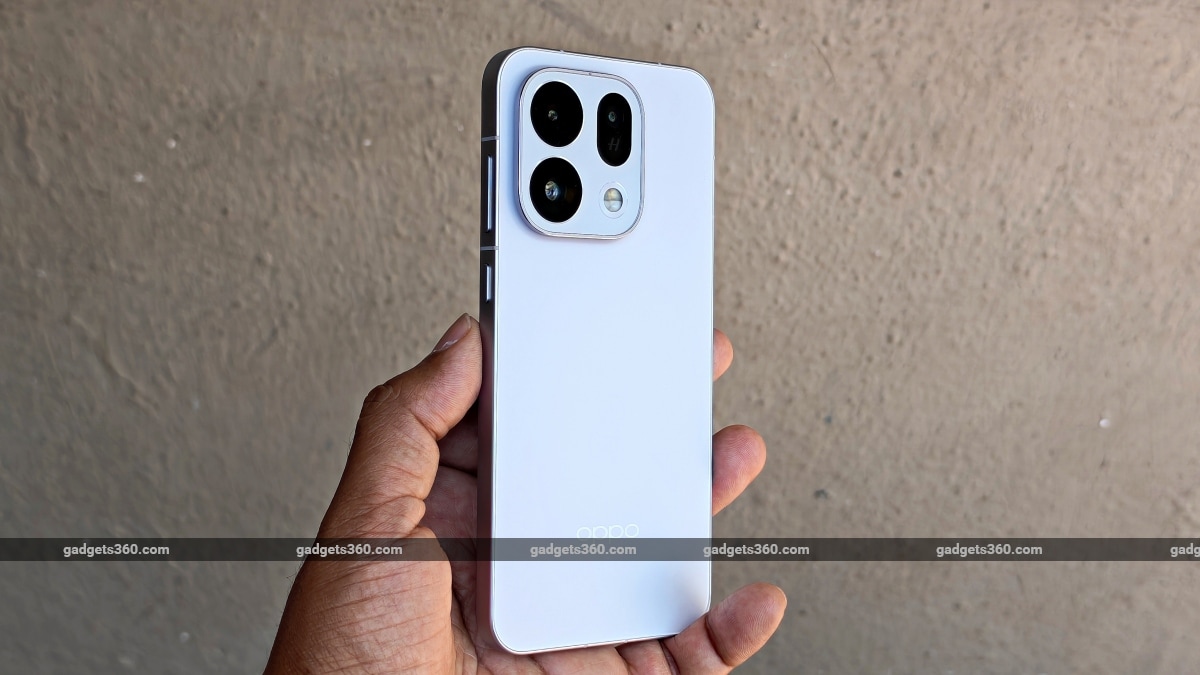
Versus the Find X9, Oppo's Find X9s gets the new Sunset Orange and Lavender Sky (pictured) finishes
Oppo did not launch the Find X8s in India after announcing the Find X8 and Find X8 Pro in late 2024. The phone never reached India, but it would have made for a decent Vivo X200 FE alternative if it had launched here. The Oppo Find X9s, unlike Vivo's take on the X300 FE (which looks very different from any other Vivo device), uses the same design and dimensions as the flagship Find X9. It looks identical to the Find X9 in terms of overall dimensions and weight. So, those who buy the Find X9s will not be able to tell the difference compared to the largely superior Find X9.
Oppo Find X9s Display: Good, but Not the Best!
- Display size - 6.59-inch, 2,760 × 1,256 pixels, 1.5K, 460 PPI
- Display type - LTPS AMOLED, 10-bit, 60-90-120Hz
- Display protection - Gorilla Glass 7i
Oppo's Find X9s packs a quality display that is largely similar to the one used in the Find X9 in terms of design and brightness. It's perfectly flat, has skinny borders all around, and gets sufficiently bright to be perfectly legible on a sunny afternoon when outdoors.
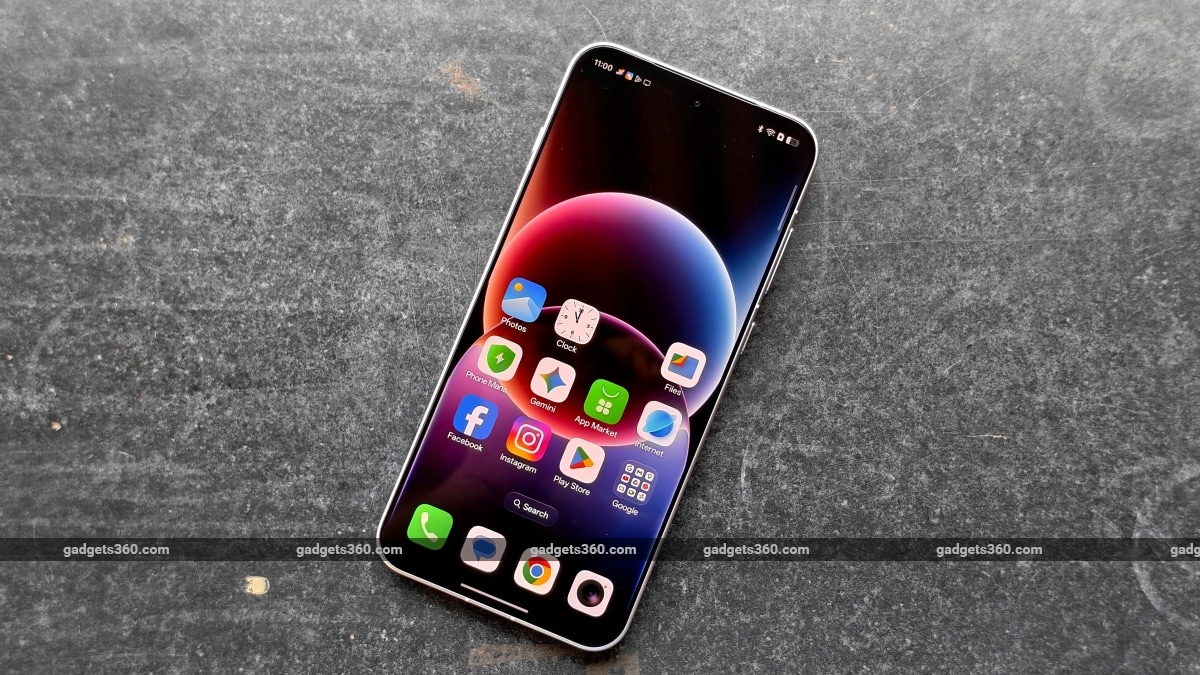
The Oppo Find X9s' display is very similar to the Find X9's panel
Its display is also Dolby Vision HDR capable, which makes it great for viewing supported content in OTT apps like Netflix. There's an ultrasonic fingerprint reader built in, which worked reliably.
Indeed, at this price point, the Xiaomi 17 offers the best visuals with its power-efficient, 12-bit LTPO AMOLED panel. Vivo's X300 also has an LTPO panel. However, Oppo's Find X9 and X9s pack higher-capacity batteries to make up for this minor limitation.
Oppo Find X9s Software: Mix and Match!
- Android version - 16
- Software - ColorOS 16
- Software commitment - 5 years OS + 6 years SMRs
Our review unit came with ColorOS 16.0.7 installed, but we had early access to all the new and upcoming features. While Oppo has sprinkled a bunch of new features across the new version of this OS, I tried out the new Live Space feature, which basically works like Samsung's Now Bar (from One UI 8), but takes things a notch higher. It plugs into Android 16's Live Updates (in notifications) feature and gives you access to all your active apps in a minimalist way on your lock screen and home screen. This feature is very similar to Apple's Dynamic Island feature in principle.
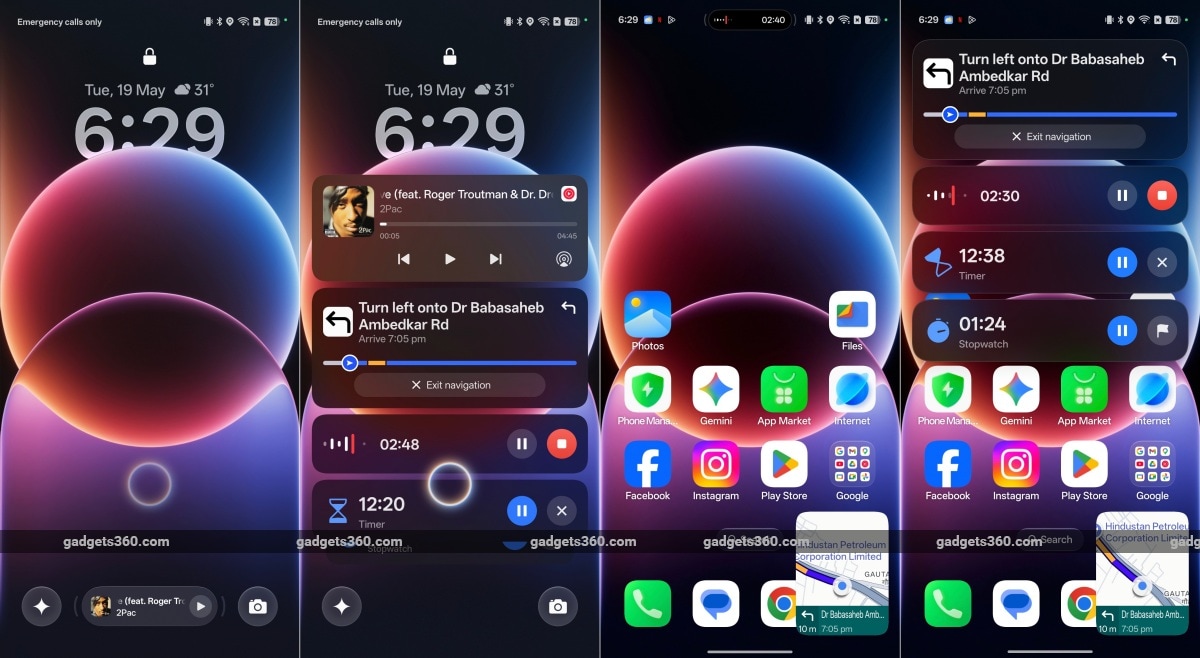
Live Space in ColorOS 16
You simply have to swipe down on the lock screen to get things going, and you will see a small capsule at the bottom of the display between the lock screen shortcuts. You can swipe to switch between active apps here, and even when the phone is unlocked, at the top of the display around the selfie camera. This makes Live Space available on both the lock screen and home screen. What's cool about Oppo's take on this Dynamic Island lookalike is that you can swipe between many active apps (I tried five).
As for the rest of ColorOS 16, it is very Apple-inspired. The earlier version of ColorOS 16 had a few neat tricks, like the ability to expand, stretch and customise homescreen icons, which was quite unique. The latest version adds even more transparency and glass-like elements in more places. And one of the areas you will notice this is in the revamped camera app.
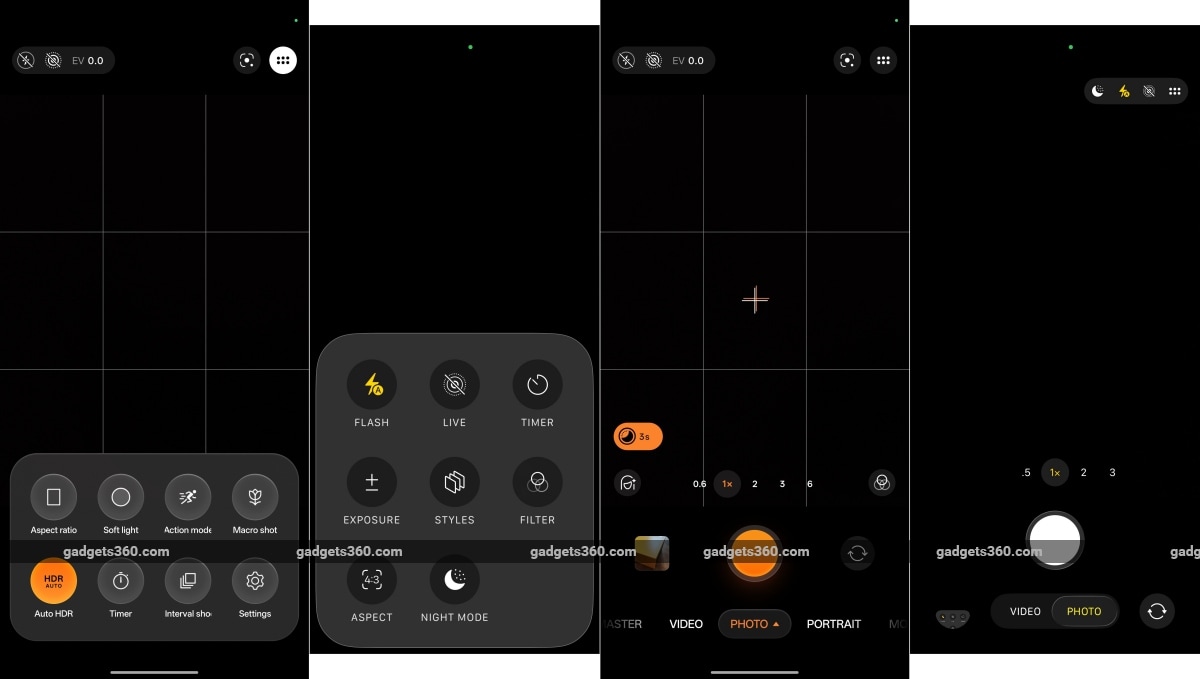
The new ColorOS camera app mimics Apple's iOS 26 camera app
It is a very close copy of the iOS camera app, with a transparent, pill-shaped camera mode selector at the bottom and a 6-dot button to pull up the quick camera settings. Of course, Oppo did not miss the chance to copy the quick settings pop-up menu as well, and you can even swipe upwards from the bottom to access it just like iOS 26.
Head to the video mode, and you can even find a copy-pasted interface of iOS 26's video recording mode. Even the front/rear camera switching button looks identical! While those who seek the iOS 26 or liquid-glass experience on Android will be happy to see Oppo blatantly copy Apple, I did expect to see something original from the brand.
The phone comes with a few preinstalled third-party apps that can be uninstalled. Also, be prepared to be spammed by the App Market app upon unboxing the device. Thankfully, you can turn off notifications from this app in Settings.
I also tried out the new built-in AirDrop support. It works seamlessly for a bunch of photos or videos, but I noticed that heavy transfers (around 2GB, 9GB or higher) take abnormally long. In most cases, I ended up cancelling the transfer, as the transfer process took time to commence (connecting) and send. So, AirDrop support is only useful for sending across a single file or small files and photos to your Apple devices.
Oppo Find X9s Performance: Not Exactly ‘Pro'
- Processor - MediaTek Dimensity 9500s, 3.73GHz, 3nm
- RAM - 12GB, LPDDR5X
- Storage - 256/512GB, UFS 4.1
The Find X9s's 3nm processor does not offer the best performance at this price point. In fact, the Oppo Find X9, which retails at a lower price, does better. However, the performance remains “flagship-grade,” as buyers will not notice any software-related issues or lag when multitasking. ColorOS 16 is well optimised and runs smoothly (as it should), with no hiccups or stuttering.
| Benchmarks | Oppo Find X9s | Oppo Find X9 | Xiaomi 17 |
|---|---|---|---|
| Display resolution | 1.5K | 1.5K | 1.5K |
| Chipset | MediaTek Dimensity 9500s (3nm) | MediaTek Dimensity 9500 (3nm) | Qualcomm Snapdragon 8 Elite Gen 5 (3nm) |
| AnTuTu v10 | 29,59,111 | 34,38,884 | 30,98,607 |
| PCMark Work 3.0 | 12,648 | 12,900 | 17,252 |
| Geekbench 6 Single | 2,212 | 2,966 | 3,486 |
| Geekbench 6 Multi | 7,287 | 8,710 | 10,036 |
| Geekbench AI CPU (Quantized) | 2,750 | FTR | 5,332 |
| Geekbench AI GPU (Quantized) | 1,261 | 1,710 | 2,698 |
| 3DM Wild Life | Maxed Out! | Maxed Out | Maxed Out |
| 3DM Wild Life Unlimited | 23,192 | 26,128 | 21,221 |
| 3DM Steel Nomad Light | 2,383 | 3,033 | 2,017 |
Genshin Impact runs perfectly fine at both High and Highest graphics settings, maintaining a steady 60 fps. The phone does not heat up much when playing the visually demanding 3D game at ‘High' graphics, but does warm up at the ‘Highest' graphics setting. Touch sampling rate is spot on, and you can tune the touch sampling rate even further in the slide-out gaming console.
Gaming is not a problem for the Find X9s, but the camera app does heat the phone up significantly. This is a bit weird given that the phone has a large (32,052.5mm2) vapour-chamber cooling system to spread out and manage the heat, while maintaining performance. The phone gets quite hot, mainly when capturing Dolby Vision HDR video at 4K resolution. While this heating earlier impacted the recorded footage (choppy framerate), a recent update (prior to publishing this review) resolved this issue to quite an extent. Post this update, the recorded footage came out well, even though the visuals in the viewfinder appeared a bit choppy.
Oppo Find X9s Cameras: Good but not great!
- Primary camera - 50-megapixel (Sony LYT-700), f/1.8, PDAF, OIS
- Telephoto camera - 50-megapixel (Sony LYT-600), 3x zoom (73mm), f/2.6, OIS
- Ultrawide - 50-megapixel (Samsung JN5) f/2.0, AF
- Selfie camera - 32-megapixel, (Sony IMX615), f/2.4
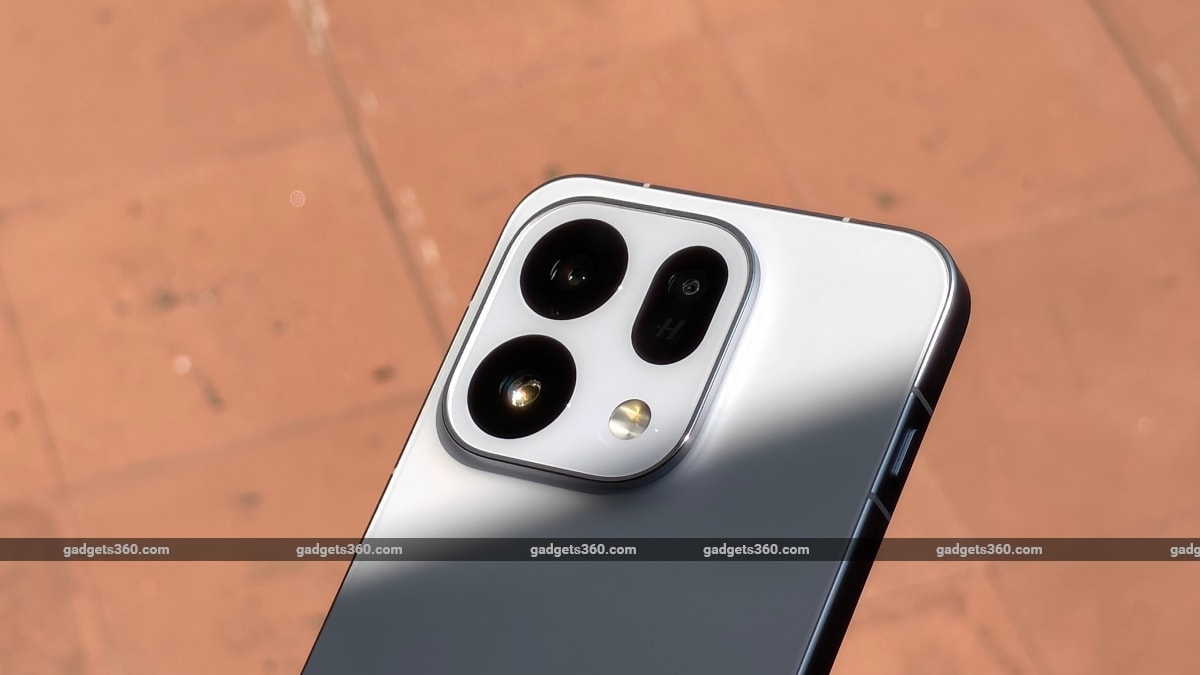
The Oppo Find X9's cameras have changed, even though they seem similar to the Find X9 in terms of resolution
The camera specifications listed above may not be as impressive as the hardware on the Find X9. But I'm happy to see that Oppo did not reduce the resolution of the ultrawide camera and has retained HDR support for recording video. What is missing on the Find X9s is the advanced image binning options that are present on the Find X9, Find X9 Pro and Find X9 Ultra models. The ‘High-resolution image format' (or binning option) allows the cameras to capture images at 26 or 28-megapixels, allowing for better detail and resolution at the cost of slightly bigger image files. On the Find X9s you are stuck with capturing images at 12-megapixels only.

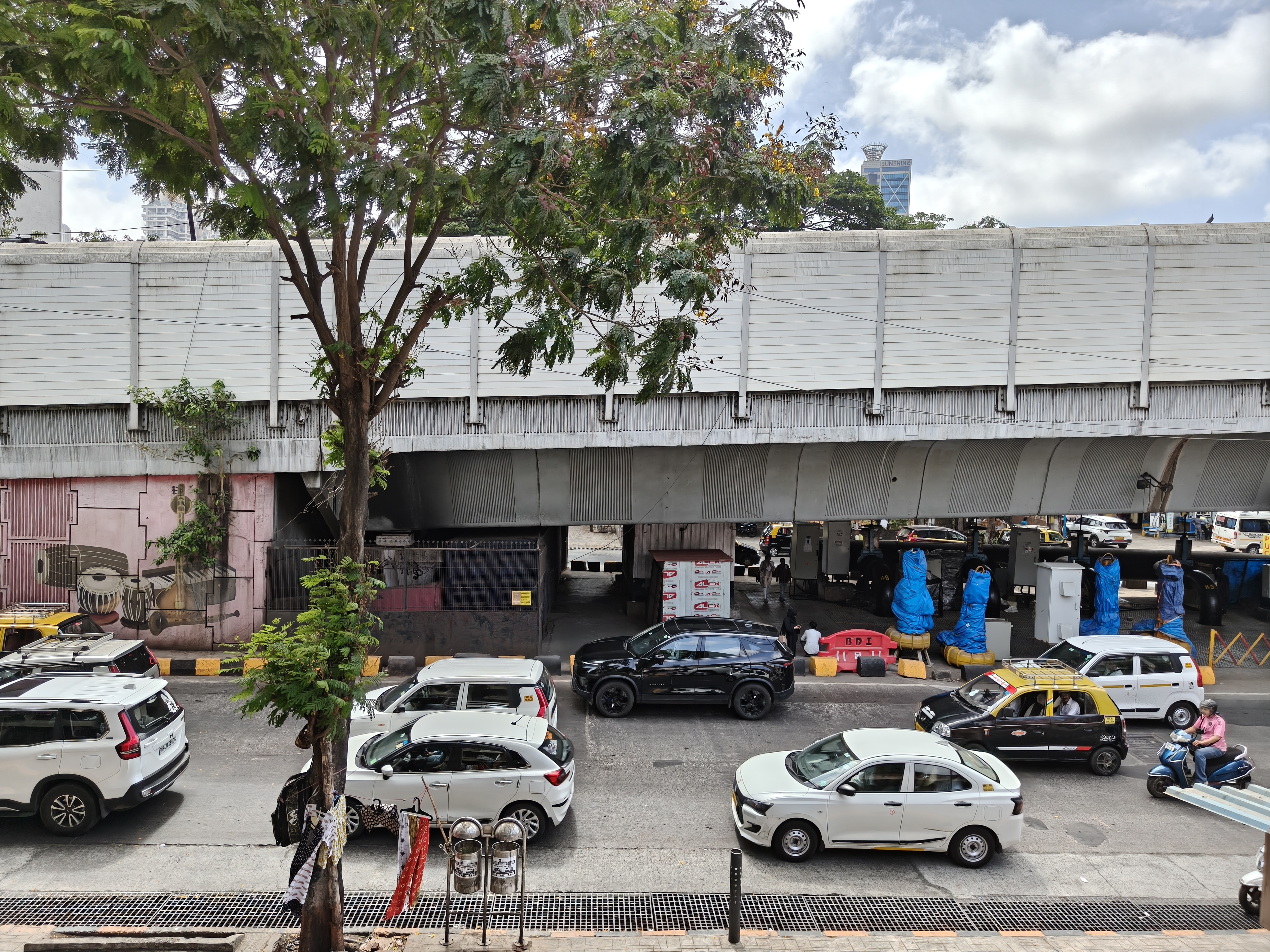

Oppo Find X9s primary camera samples (tap images to expand)
The primary camera captures vibrant images with good detail. However, the photos aren't as sharp or as detailed as on the Find X9. While plenty is visible in the shadows, the camera tends to clip the bright spots when shooting high-contrast scenes. If you prefer a bit of contrast in your photos, you can switch to the Hasselblad camera mode for deeper shadows that add emotion to your photos.


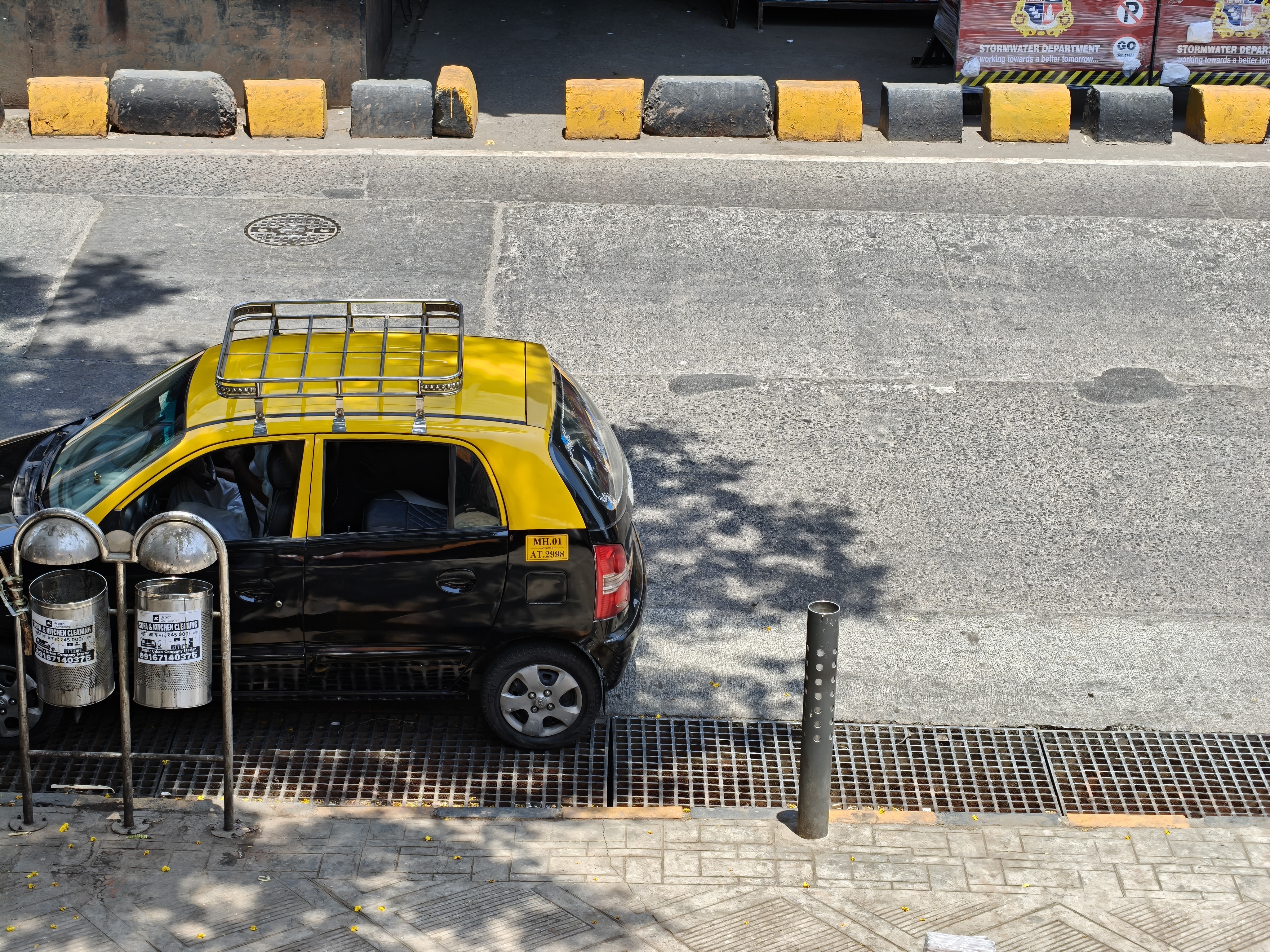
Oppo Find X9s 3X telephoto camera samples (tap images to expand)
The telephoto camera shoots images at 3X optical zoom. These images show good detail and sharpness even in low-light conditions. My only gripe with the telephoto camera is its 60-centimetre minimum shooting distance, which does not let you get close to your subjects.


The Find X9s' lossless 6X telephoto captures detailed and sharp images in daylight, but has an enhanced appearance in low-light (tap image to expand)
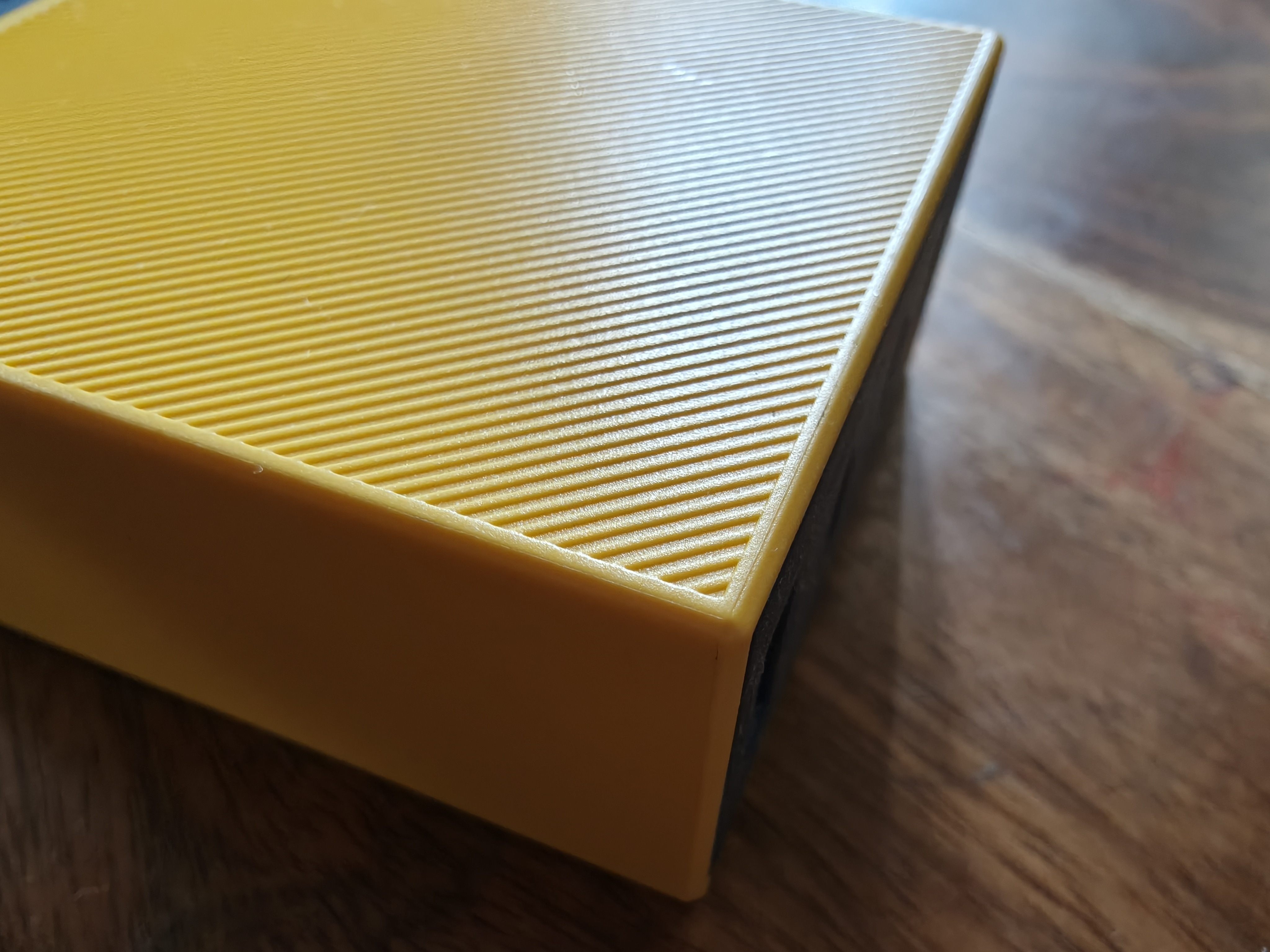
Oppo Find X9s macro camera sample (tap image to expand)
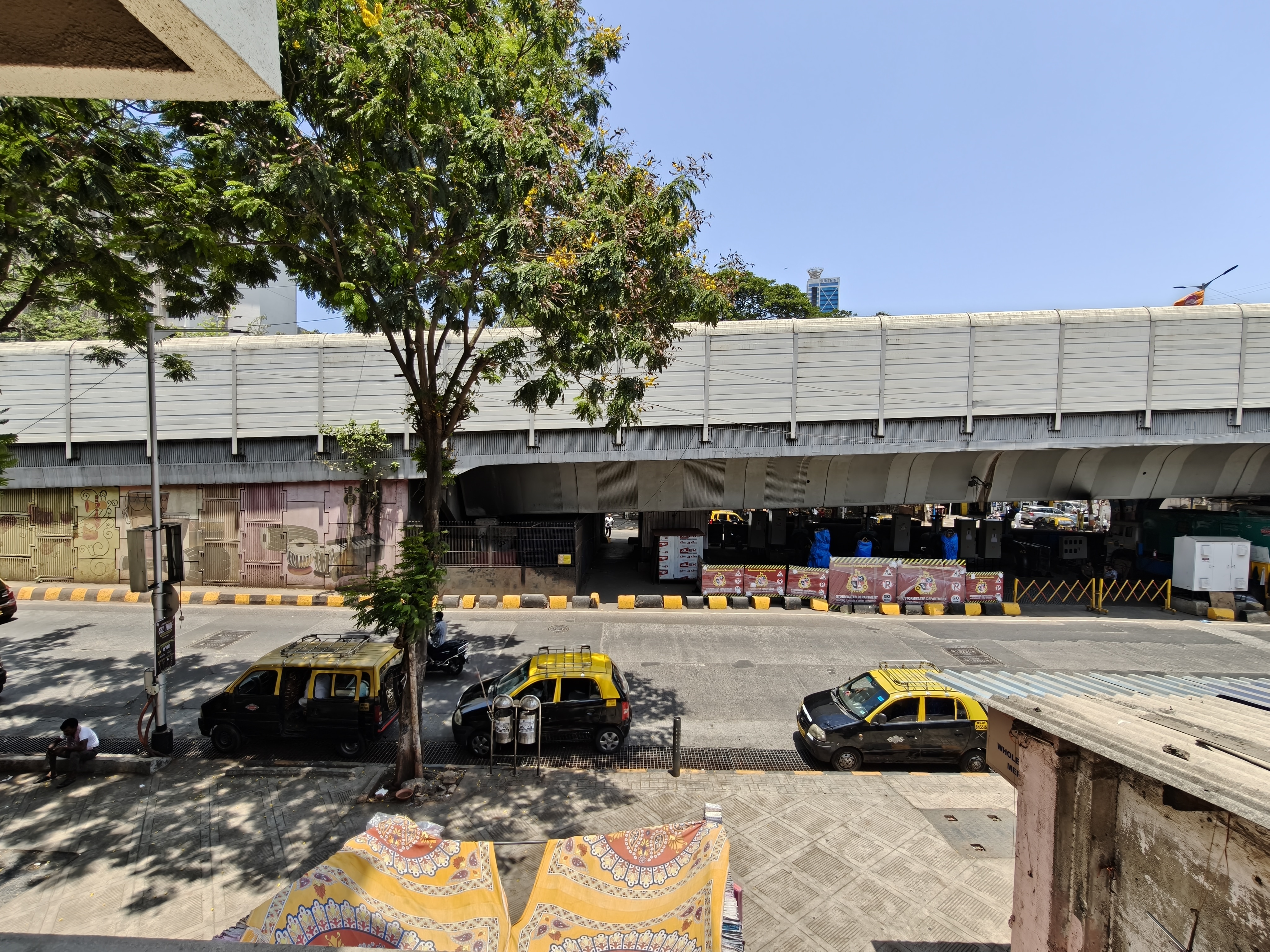

Oppo Find X9s ultrawide camera samples (tap images to expand)
Since the ultrawide camera has autofocus, you can get some sharp macro photos with this smartphone in good light. Daylight performance of the ultrawide is pretty good, but we expected better in low-light, and photos appeared a bit soft.

Selfies have good edge-detection, but the dynamic range could have been better in low-light (tap image to expand)
When capturing video, the frame rate is steady (although not as steady as an iPhone). Colours look good and natural. Focusing is quick as well. There's good detail in the shadows, but the primary camera once again tends to clip the bright spots. 4K 60 fps recording manages smooth and steady video recordings as well. The 3X telephoto camera also does a fine job of capturing video and providing that extra reach. Ultrawide camera footage appears a bit soft but usable in daylight. The phone can shoot HDR (Dolby Vision) footage as well, and it does a fine job in daylight, adding some much-needed contrast.
In low light, videos captured at 4K 30 fps and 60 fps appear slightly more contrasted but with minimal noise. HDR videos don't look as good as regular videos, as they introduce more noise and appear a bit soft. One odd detail I noticed is that the selfie camera creates a weird visible halo around my head when recording video in Dolby Vision.
Oppo Find X9s Battery: Impressive!
- Battery capacity - 7,025mAh, Si-C (Li-ion)
- Wired charging - 80W SuperVOOC, 55W USB-PD
- Wireless charging - No
- Charger in the box - 80W
The Oppo Find X9s in PCMark's Work Battery Life test managed a good score of 22 hours and 20 minutes, which is a bit below the Find X9's 24 hours and 17 minutes. With casual use, the phone easily lasted about two days. With heavy, continuous use, including gaming and camera use, the phone can last a little over a day.
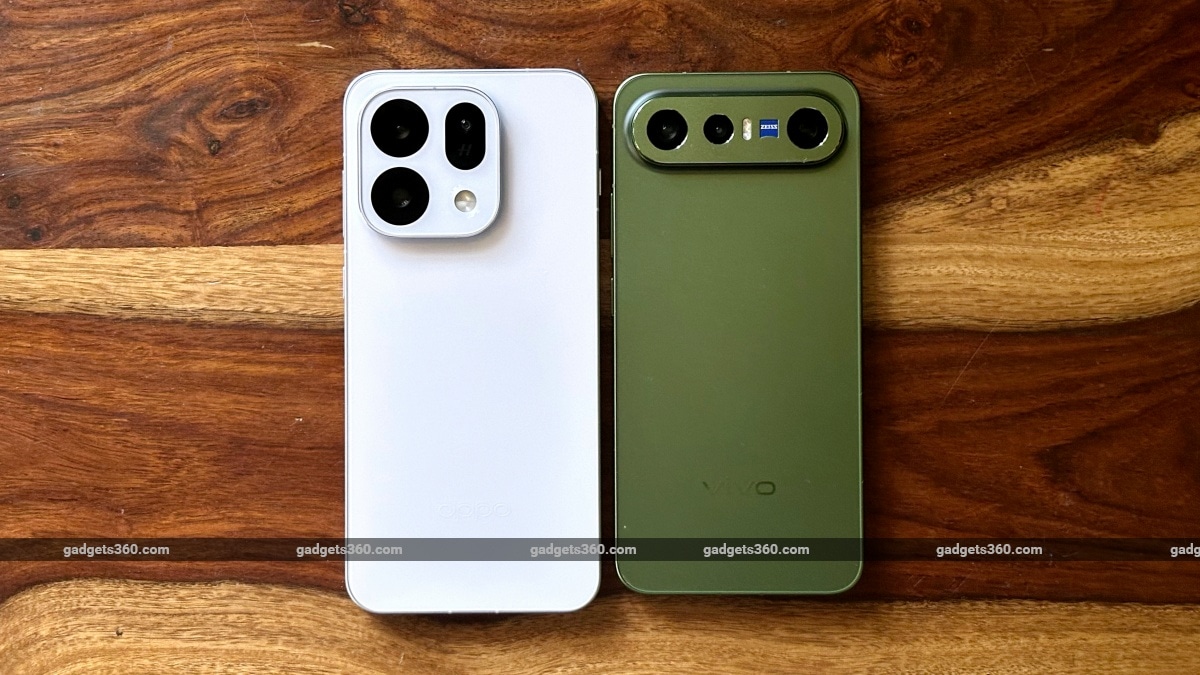
The Oppo Find X9s is slightly bigger than the Vivo X300 FE, and so it manages a higher-capacity battery
With a high-capacity battery, the obvious downside is slower charging. The Oppo Find X9s does fine in this regard, charging to 53% in 30 minutes and 98% in an hour, reaching a fully charged state in 1 hour and 22 minutes, which is nearly as good as the Find X9 we reviewed earlier.
What is missing on the Find X9s is wireless charging. The Find X9 offers 50W wireless charging using the Oppo AIRVOOC 50W Magnetic Charger (sold separately). So, those who are accustomed to wirelessly charging their smartphones will find this missing feature a deal-breaker.
Oppo Find X9s Verdict
Why are Chinese brands launching pricier versions of older models with lesser capability than the premium models that went on sale half a year ago? Personally, I feel that these devices, although more expensive and less capable than their flagship counterparts, will stand by as replacements when existing stocks of the Vivo X300 and the Oppo Find X9 deplete. Once this happens, buyers will have to adapt to the higher-priced gear that's been launched today or simply look for devices over Rs. 1 lakh to get flawless imaging, as memory prices are expected to climb even higher in the coming year. This also means we can expect Vivo's X400 and Oppo Find X10 to be sold at eye-watering prices, rather than the Sub Rs. 80,000 prices they retailed at in late 2025 and early 2026.
The Oppo Find X9s's case is a bit different from Vivo's X300 FE. The X200 FE was launched in India at Rs. 54,999 in 2025, while the X300 FE was launched at Rs. 79,999, a big price hike of Rs. 25,000. Meanwhile, Oppo has launched its X9s for the first time in India (the Find X8s was launched elsewhere last year). While they both have the same end goal, which is to eventually replace the X300 and the Find X9, Oppo's price hike is easier to accommodate because it has trimmed things down in the right places. And so, you are essentially getting a watered-down Find X9 at an additional Rs. 5,000. But that does not mean that you get one right away!
If you are in the mood to spend north of Rs. 70,000 on a flagship Android device today, Vivo's X300 (from Rs. 75,999), should be your first pick. It packs a power-efficient LTPO panel, a very capable set of cameras, including a 200-megapixel primary camera. If you aren't a fan of OriginOS and are a big fan of ColorOS or prioritise battery life, then Oppo's Find X9 is a good choice. Currently priced from Rs. 74,999 (12+256GB), it's a much better pick overall compared to the Find X9s. On the stock Android side of things, there's Google's Pixel 10 (from Rs. 74,999), which is also a good option for those looking for a clean and bloatware-free software experience with some interesting AI add-ons. And lastly, both the Vivo X300 and the X300 FE can also get you some extended zoom action, provided you are ready to empty your pockets to try out something new. Weirdly, each of the above-mentioned competitors has wireless charging, with the Pixel 10 offering built-in magnets as well. And the lack of this feature adds to the Find X9s's shaky camera performance. Oppo's Find X9s gets you the good hardware and features at its current price, but it will be better placed whenever the Find X9 goes out of stock, or when the Find X10 releases.
OPPO Find X9s FAQsWhat are the main features of the OPPO Find X9s?
The OPPO Find X9s is available with up to 12GB of RAM paired with 512GB of internal storage. It features a triple rear camera setup comprising 50MP Ultrawide angle, 50MP Wide angle, 50MP Telephoto, and 32MP front selfie camera. The phone supports fast charging with 80W wired charging, backed by a 7025mAh battery. It is powered by the MediaTek Dimensity 9500s processor and comes with a 6.59-inch FHD+ AMOLED display that supports up to a 120Hz refresh rate. The OPPO Find X9s is available in 3 colour options.
When was the OPPO Find X9s released?
The OPPO Find X9s was launched on May 21, 2026.
Where can I buy the OPPO Find X9s?
You can buy the OPPO Find X9s through the official OPPO website, e-commerce platforms such as Amazon, and select retail stores across India.
- REVIEW
- KEY SPECS
- NEWS
- Good
- Familiar yet premium IP69-rated design
- Bright and fast AMOLED display
- Live Space feature is quite handy
- Good telephoto camera
- Good battery life
- Bad
- Gets hot when recording video
- No wireless charging
- No 120 fps video recording
Read detailed OPPO Find X9s review
Display 6.59-inch
Processor MediaTek Dimensity 9500s
Front Camera 32-Ultrapixel
Rear Camera 50-Ultrapixel + 50-megapixel + 50-megapixel
RAM 12GB
Storage 256GB, 512GB
Battery Capacity 7,025mAh
OS Android 16
Resolution 1,256x2,760 pixels
Comments
Get your daily dose of tech news, reviews, and insights, in under 80 characters on Gadgets 360 Turbo. Connect with fellow tech lovers on our Forum. Follow us on X, Facebook, WhatsApp, Threads and Google News for instant updates. Catch all the action on our YouTube channel.
Further reading:
Oppo Find X9s, Oppo, Oppo Find X9s Design, Oppo Find X9s Display, Oppo Find X9s Software, Oppo Find X9s Performance, Oppo Find X9s Cameras, Oppo Find X9s Battery, Oppo Find X9s Price in India
Related Stories


Advertisement
Follow Us




-
![[Sponsored]: CP PLUS CarKam CP-F89B: 4K Dashcam With Rear Camera, GPS & Emergency Recording](https://www.gadgets360.com/static/desktop/images/spacer.png)
04:37
[Sponsored]: CP PLUS CarKam CP-F89B: 4K Dashcam With Rear Camera, GPS & Emergency Recording -
04:23
[Partner Content] Your Phone Can Do WAY More Than You Think | OPPO ColorOS 16 -
01:59
Samsung Galaxy Z Fold8 Ultra: Unfold the Ultra Night -
03:24
Apple Pay Launches In India: Supported Devices, Cards And Payments Explained -
00:21
[Sponsored] Samsung Galaxy Z Fold8, Fold8 Ultra
Advertisement
Popular on Gadgets
- Samsung Galaxy S26 Ultra
- Motorola Razr Fold
- ChatGPT
- OPPO Find N6
- Mobiles Under Rs. 40,000
- Vivo X300 Ultra
- Asus Zenbook S14
- iQOO 15
- Vivo X300 Pro
- Lenovo Yoga Slim 7i Aura Edition
- iQOO 15R
- Vivo X Fold 5
- Sony PlayStation 5
- HP OmniPad 12
- OnePlus Nord CE 6 Lite
- OnePlus Pad 4
- OPPO F33 Pro 5G
- Cryptocurrency
- HP OmniBook Ultra 14 (2026)
- iPhone 17
- Eureka Forbes AP 355 Room Air Purifier
- Latest Mobile Phones
- Compare Phones
Latest Gadgets
- Samsung Galaxy F08
- Samsung Galaxy M08
- OPPO K15x
- OPPO K15s
- HMD Vibe 2 Pro 5G
- OPPO K14 Plus 5G
- Lava Shark 2 Pro 5G
- Ai+ Pulse 2 FE
- Dell 14 Plus 2-in-1 (AMD Ryzen AI 7 350, 2025)
- Microsoft Surface Laptop, 13-inch (2nd Edition)
- Samsung Galaxy Tab S12+
- Samsung Galaxy Tab S12 Ultra
- Amazfit T-Rex Dual Solar
- OPPO Watch S2
- Toshiba 65-Inch 4K Ultra HD Smart Mini LED QLED TV (65Z670SP)
- Haier M70 Mini LED 65-inch
- Acer Predator Atlas 8
- Asus ROG Ally
- Blue Star 1.5 Ton 5 Star Inverter Split AC (IE518ZNURS)
- Blue Star 2 Ton 3 Star Inverter Window AC (WIE324L)

- About Us
- Sitemaps
- Feedback
- Archives
- Contact Us
- RSS
- Advertise
- Career
- Privacy Policy
- Ethics
- Editorial Policy
- Terms & Conditions
- Complaint Redressal
Download Our Apps
Available in Hindi
© Copyright Red Pixels Ventures Limited 2026. All rights reserved.