
-
 Global Xiaomi 18 Pro and 18 Pro Max Reported to Get Smaller Batteries Compared to China Models25 September 2026
 -
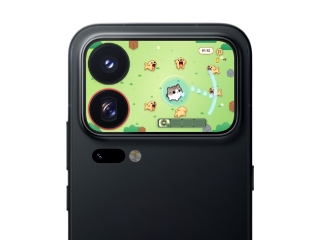
Xiaomi 18 Pro India Launch Teased Following China Debut; to Feature Secondary Rear Screen25 September 2026
-
Snapdragon 8 Elite Gen 6 Series: Here Are All the Phones Featuring the New Chipsets24 September 2026
-
Xiaomi 18 Pro Max, Xiaomi 18 Pro Launched With Up to 2nm Snapdragon 8 Elite Extreme Gen 6 SoC, Privacy Display23 September 2026
-
Xiaomi 18 Pro Camera Details Revealed Ahead of September 23 Launch: What You Need to Know22 September 2026
- Home
- Mobiles
- Mobiles Reviews
- Xiaomi 17 Review: A Real Galaxy S26 and iPhone 17 Rival?
Xiaomi 17 Review: A Real Galaxy S26 and iPhone 17 Rival?
The Xiaomi 17 does not go overboard with features and yet demands a healthy asking price. Find out why in our detailed review
Written by Sheldon Pinto, Edited by Ketan Pratap | Updated: 29 March 2026 12:58 IST
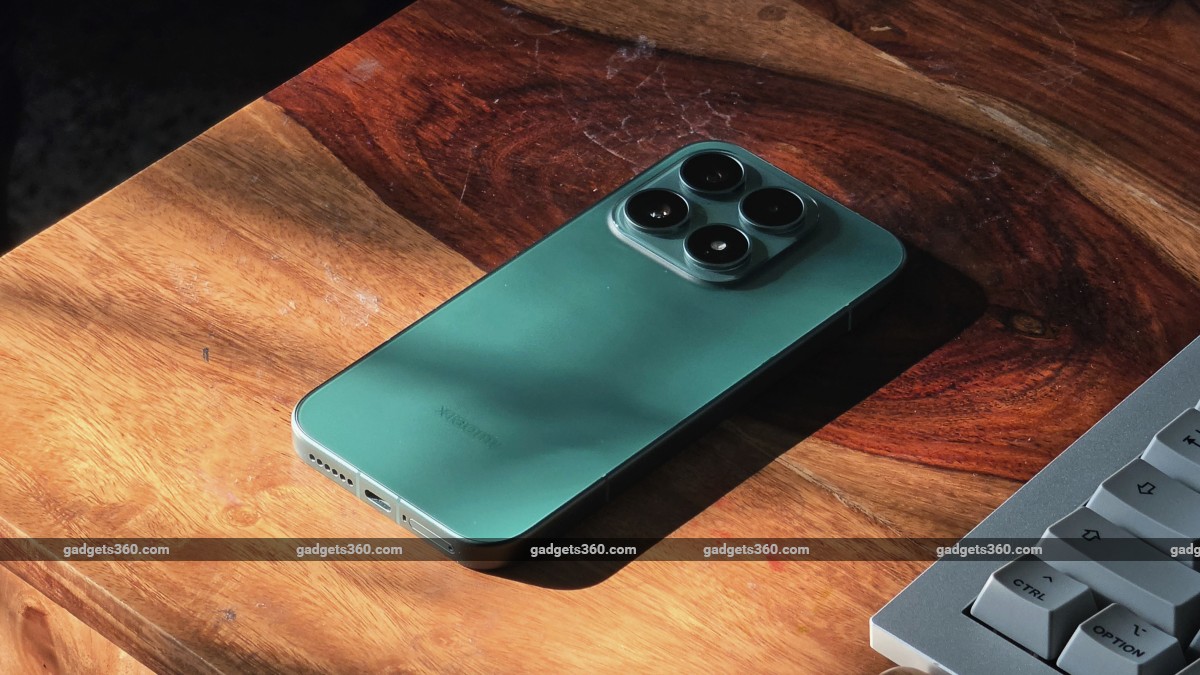
The Xiaomi 17 is priced at Rs 89,999 for both the 256 and 512GB storage variants, until stocks last
Click Here to Add Gadgets360 As A Trusted Source

Advertisement
In the premium segment, buyers expect nothing but the best from their smartphones. This would include excellent displays, crazy-good cameras and phenomenal battery life. But come 2025, we witnessed the reemergence of compact flagships. Devices that claimed to offer 'Pro'-grade hardware (including cameras) in a compact form factor, minus the 'Pro' price tag. A segment once dominated by Samsung's Galaxy S series, now has competition from a bunch of manufacturers like Vivo, Oppo and Xiaomi that launched a series of compact and premium devices. 2026 is no different. Rising prices (due to the RAM crisis) have forced manufacturers to add more variety, with handsets like Vivo's V series entering the fray, starting at as low as Rs. 51,999. With so much competition, it does seem a bit odd that Xiaomi decided to raise the price of its latest compact flagship tag to a new high.
The Xiaomi 17 is the brand's latest compact flagship. It packs a few notable upgrades and a few downgrades over its predecessor, the Xiaomi 15. But it shows up with a new and expensive Rs. 89,999 asking price. With its ideal competitors priced far below, around Rs. 75,000, can the Xiaomi 17 offer enough value? And does it offer anything special at this new and higher price point?
Xiaomi 17 Design: A premium compact
- Dimensions - 151.1 x 71.8 x 8.06mm
- Weight - 191g
- Durability - IP68
The Xiaomi 17 has a simple yet elegant design that feels quite premium in the Venture Green unit we received for this review. There's really nothing special on the front as it looks similar to the Vivo X300 and the Oppo Find X9. Samsung's Galaxy S26 is both slimmer and lighter than the other compacts. The Xiaomi 17's aluminium frame has rounded corners and flat sides, but with rounded and smoothened edges on the front and rear sides that make it comfortable to hold. The rear glass panel has a smoky finish that is smooth to the touch and does not pick up fingerprints because of its matte nature. The buttons are placed on the right side only and have good travel and feedback.
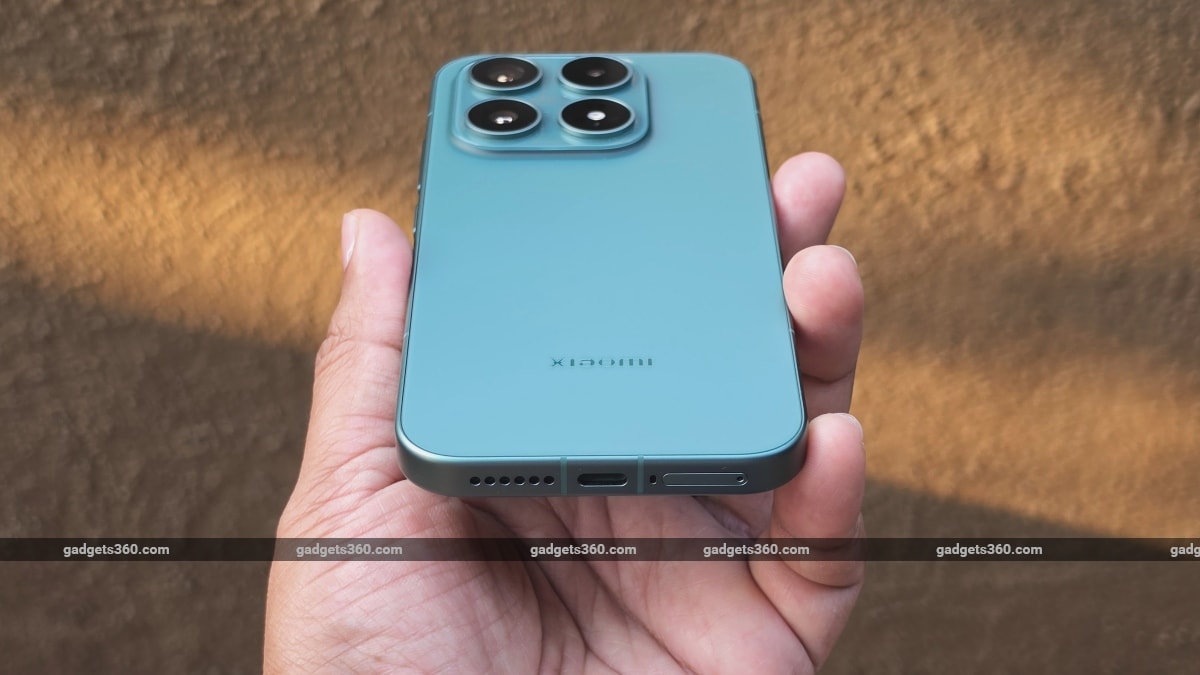
The Xiaomi 17's rounded edges and compact size make it a delight to hold
The camera module gets a refreshed layout compared to the Xiaomi 15. The new layout basically exposes the camera hardware versus the concealed appearance of the previous model. The three rear cameras are accompanied by an LED flash module, which is disguised to appear like a fourth camera. However, it is not a case of “all show and no go" as this fourth camera cutout also holds the laser-assisted focusing system and the colour spectrum sensor, apart from the visible LED flash and a mic.
Having reviewed the Oppo Find X9, I do like the overall finish of the Xiaomi 17 better as its edges are more rounded compared to the latter, making it comfortable to hold. The phone has a certain heft, but does not feel abnormally heavy. Its compactness, which is similar to the Find X's overall dimensions, makes it good for one-handed use, although you may have to do the occasional stretch to reach items at the top of the screen. Thanks to its matte finished frame and rear glass, it is also very slippery. So, it's good that Xiaomi provides a transparent protective case in the box.
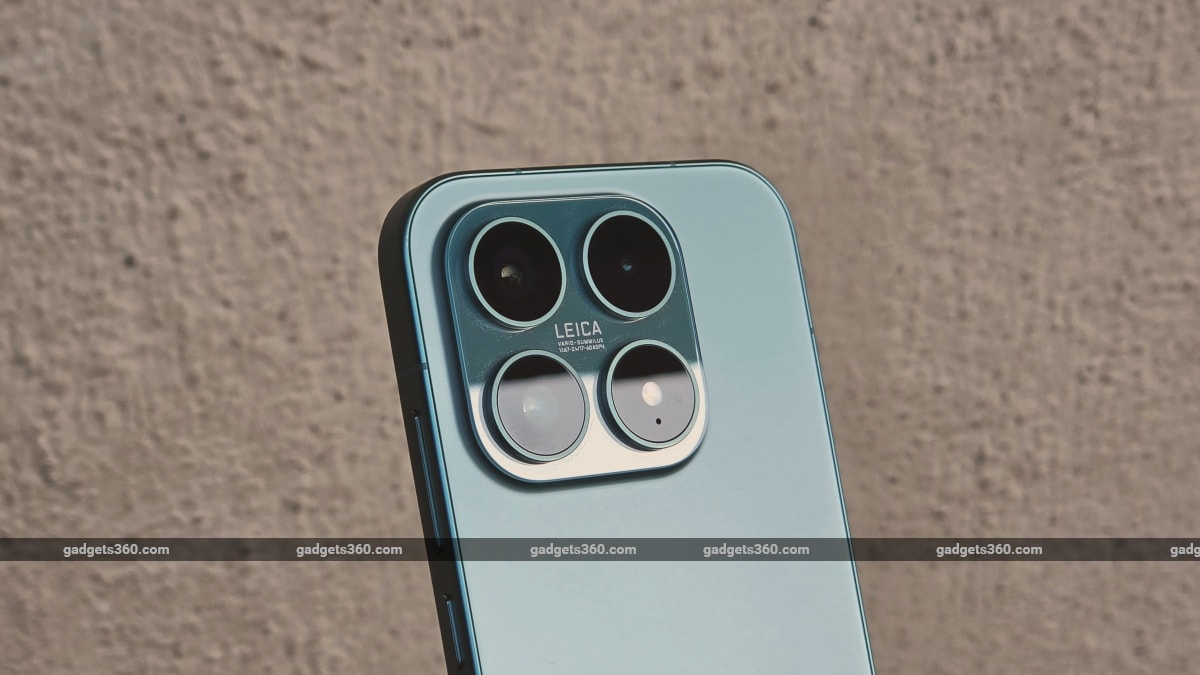
A closer look at the Xiaomi 17's camera design and layout
The device is IP68-rated, the same as the previous model. On its product page, Xiaomi mentions an IP69 rating in a features rundown, but I could not find it elsewhere, even on the specifications page, which only lists an IP68 rating. Given its higher price this year, an IP69 rating would have been appreciated as some competing devices do offer the same. Xiaomi claims that its IP68 rating should be good in 4 metres of water for up to 30 minutes. However, the company also clearly mentions (in its T&Cs) that the device should not be immersed in seawater or pool water, and that its “ warranty will not cover the liquid damage caused in the environments beyond the IP68 test condition”.
Xiaomi 17 Display: Best in class
- Display size - 6.3-inch, 1,220 x 2,656 pixels, 1.5K, 460 PPI
- Display type - 12-bit, AMOLED, LTPO, 1-120Hz
- Display protection - Xiaomi Shield Glass
One area that does justify the Xiaomi 17's higher price is its display. The flat 12-bit panel delivers vibrant, accurate colours and can switch between DC and PWM dimming to give you the best of both worlds at high and low brightness levels. It also supports HDR10+ and Dolby Vision, with supported content appearing bright and contrasted as expected. Viewing angles are excellent, and the display can easily handle the bright outdoors, remaining perfectly visible under bright sunlight. It is indeed one of the best panels in this segment, easily outdoing Samsung, Oppo and Vivo's panels at this price point.
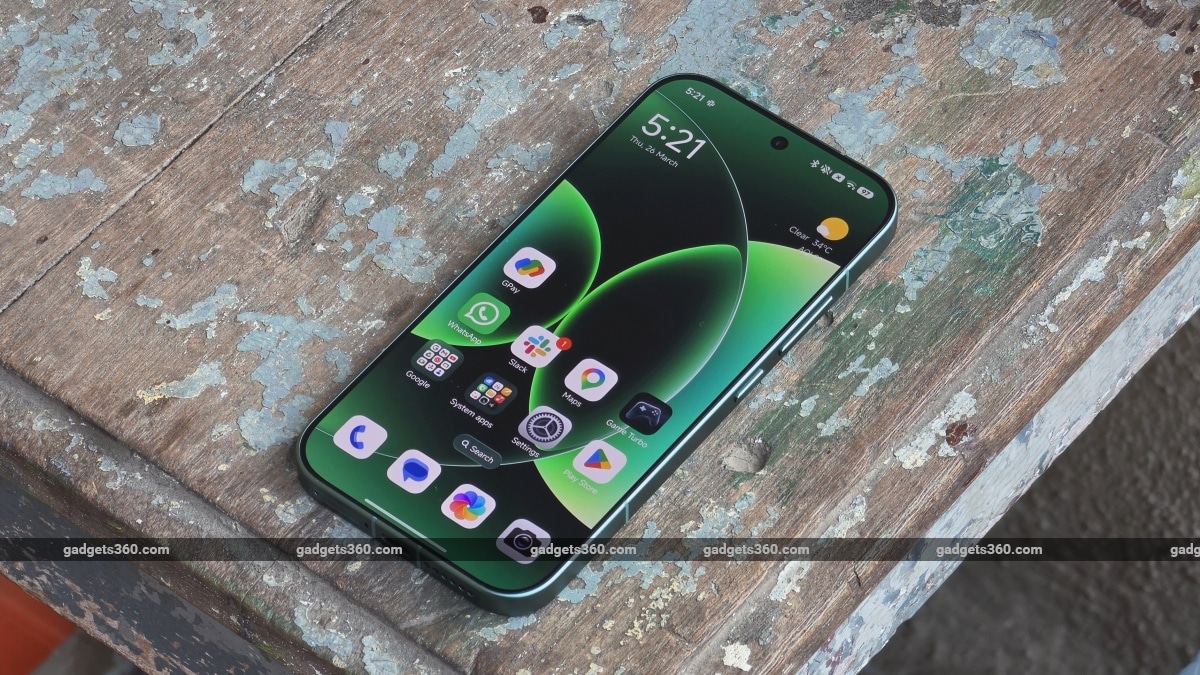
The Xiaomi 17's display has skinny borders
Visuals aside, the panel also has razor-thin borders comparable to those on devices well above its price point. With HyperOS, the display also supports always-on capability (AOD), which lets you set the lockscreen wallpaper as your AOD. However, setting the entire wallpaper (rather than just the clock and notifications) will slightly affect the phone's battery life.
The stereo speakers make for a great audio experience, creating immersive sound thanks to Dolby Atmos support. And so, it was quite the treat to watch TV shows and movies on this display despite its smaller dimensions.
Xiaomi 17 Software: A beautiful mess
- Android version - 16
- Software - HyperOS 3.0
- Software commitment - 5 years OS updates + 6 years SMRs
With a powerful chipset, an LTPO panel, and a well-optimised UX, the software experience on the Xiaomi 17 is best described as ‘fluid'. Whether you are browsing third-party apps or native ones, the software experience is consistently smooth with no hiccups.
The software is also immensely customisable. There are customisable lock screen themes, plenty of lock screen depth and transition effects to choose from. And once you get bored of those, you can jump into the numerous wallpapers that Xiaomi offers, including the good old Super wallpapers that transition from AOD to lockscreen and the homescreen in a seamless manner. Lastly, there's also a ton of downloadable Xiaomi widgets in the widget selection menu.
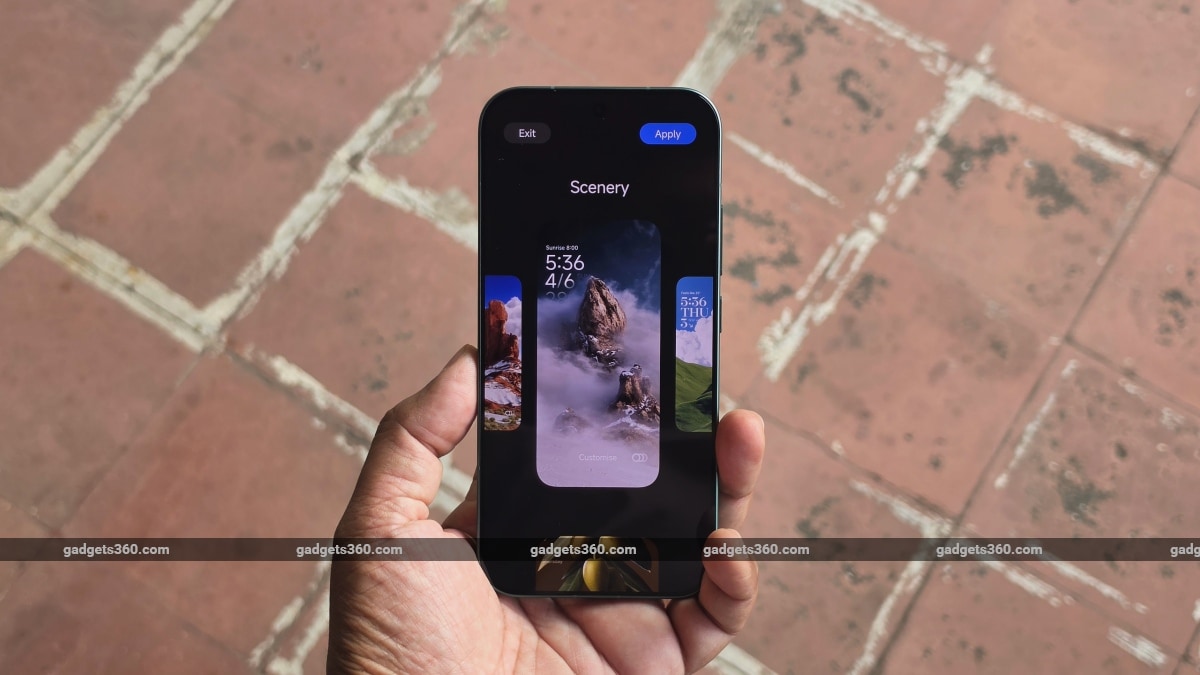
Xiaomi's HyperOS 3.0 has a very customisable lock screen
As with most premium Android devices, you get two AI models for all your AI requirements—Google's Gemini AI and Xiaomi's HyperAI. HyperAI is used in a variety of areas, from generating video wallpapers from photos (AI Dynamic Wallpapers) to translations and image editing. AI translations were accurate to an extent, but the app, at times, would transliterate, which offered no value. The AI image editing capabilities aren't good. At times, the tool would erase the objects, leaving an obvious blur behind, or at times it would simply replace the object with something else, making things worse than before. And these edits were quite basic and far from complex, indicating that Xiaomi's tools do need a lot of polish. Indeed, I have seen better AI eraser edits on more affordable devices. If you aren't happy with HyperAI, you can revert to Google's apps for better and more accurate AI tools and results.
As always, despite costing above Rs. 80,000, the phone still comes with several third-party apps that can be uninstalled. There are also several Xiaomi-branded apps, but no app-doubles. Post setup and during testing, I did not notice any spammy notifications.
Xiaomi 17 Performance: Flagship indeed
- Processor - Qualcomm Snapdragon 8 Elite Gen 5, 4.6GHz, 3nm
- RAM - 12GB (LPDDR5X)
- Storage - 256/512GB (UFS 4.1)
- USB - 3.2 Gen 2
As you can tell from the table below. We saw no glaring issues with the Xiaomi 17, which performed on par with the competition. What is quite obvious is that its benchmark scores aren't very different compared to devices that are priced lower, like in the case of the Oppo Find X9 and iQOO 15R.
| Benchmarks | Xiaomi 17 | Oppo Find X9 | iQOO 15R |
|---|---|---|---|
| Display resolution | 1.5K | 1,256 x 2,760 | 1.5K |
| Chipset | Qualcomm Snapdragon 8 Elite Gen 5 (3nm) | MediaTek Dimensity 9500 (3nm) | Snapdragon 8 Gen 5 (3nm) |
| AnTuTu v10/v11 | 30,98,607 | 34,38,884 | 30,91,779 |
| PCMark Work 3.0 | 17,252 | 12,900 | 15,023 |
| Geekbench 6 Single | 3,486 | 2,966 | 2,659 |
| Geekbench 6 Multi | 10,036 | 8,710 | 8,574 |
| Geekbench AI CPU (Quantized) | 5,332 | FTR | 4,198 |
| Geekbench AI GPU (Quantized) | 2,698 | 1,710 | 2,419 |
| 3DM Wild Life | Maxed Out | Maxed Out | Maxed Out |
| 3DM Wild Life Unlimited | 21,221 | 26,128 | 21,026 |
| 3DM Steel Nomad Light | 2,017 | 3,033 | 1,596 |
As for real-world performance, the phone does heat up, as with every Elite-powered device we have reviewed to date. The phone definitely throttles a bit to control heat (so that your hands don't get burnt), combined with the vapour cooling system, ensuring that heavy games like Genshin Impact operate smoothly and flawlessly even at the highest settings. The phone also warmed up when using the camera app, but aside from the viewfinder showing slightly stuttery visuals during 4K recording, the recorded footage appeared fine with no issues, and the camera app did not crash or show any warnings.
Xiaomi 17 Cameras: A lot to see
- Primary camera - 50-megapixel, f/1.7, PDAF, OIS
- Telephoto camera - 50-megapixel, f/2.0, PDAF, OIS, 2.6X optical
- Ultrawide camera - 50-megapixel, f/2.4, 102-degree, FF
- Selfie camera - 50-megapixel, f/2.2, PDAF
Xiaomi's collaboration with camera maker Leica has quite an effect on the quality of photos this smartphone captures. While most camera partnerships usually extend to a set of filters or the camera's colour calibration in a specific mode, Xiaomi has indeed allowed Leica to simply take over. This isn't necessarily a bad thing, but it affects the overall camera output, since users don't really have the option to opt out of anything.
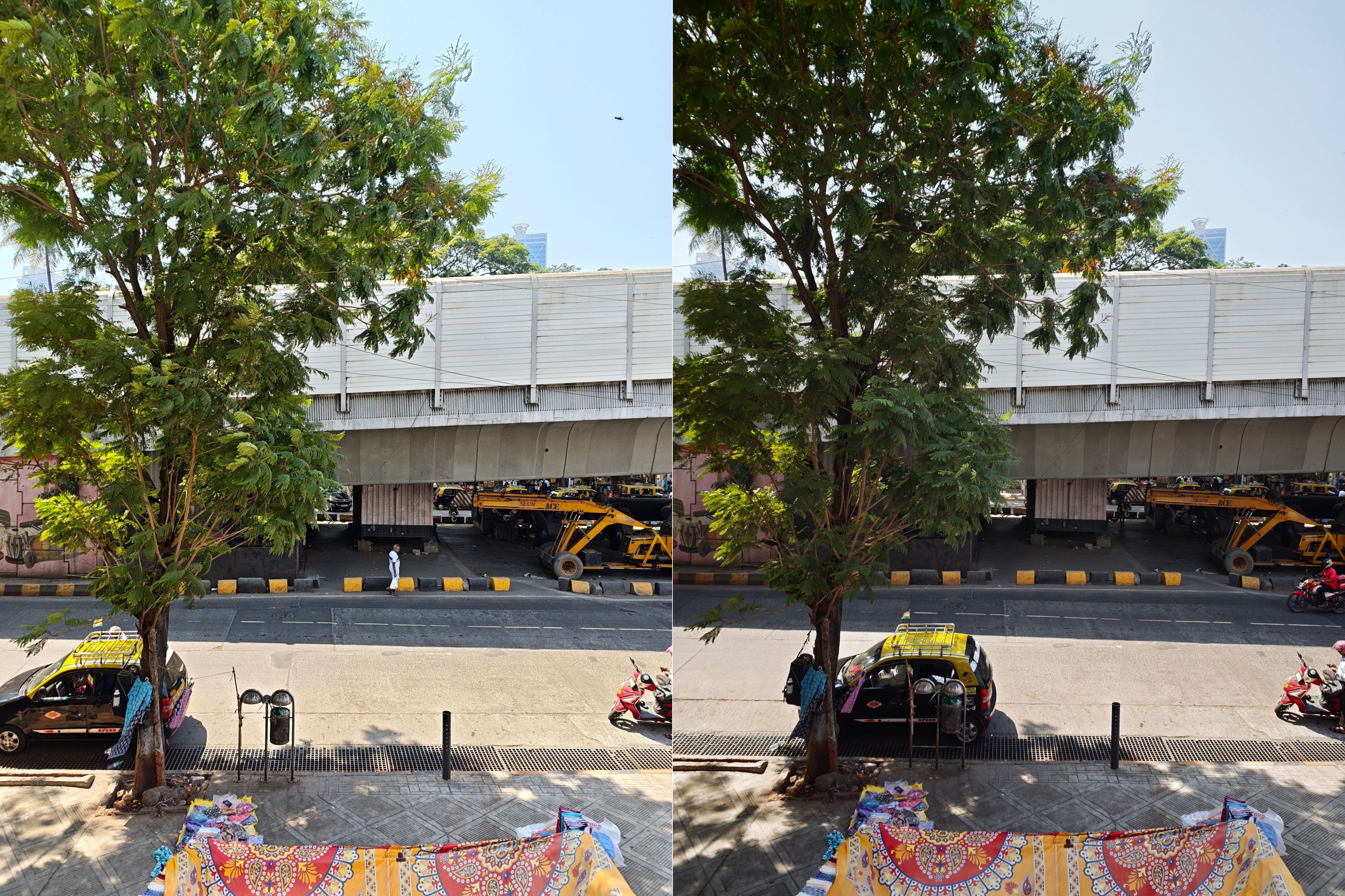
Leica Vibrant (left) versus Leica Authentic (right) shooting styles
Upon launching the camera app, you will see that the device defaults to the Leica Vibrant “style” (or shooting preset) for photos in the standard Auto shooting mode. After snapping a few photos, I immediately found the colours to appear saturated with perfect dynamic range, which is what most buyers typically expect from a premium device (or processing that appeals to a wider audience). Soon enough, I discovered that tapping on the Leica button on the top left corner switches to another Leica Authentic style. Having owned and used cameras and a DSLR in the past, I found this better, as the images showed less saturated colour, higher contrast, and some vignetting, adding more emotion to the same scene. It wasn't killing the dynamic range by crushing the shadows, but simply adding a bit of contrast and lowering the exposure slightly to make them appear as if they were captured by a professional with a camera. Indeed, I stuck with the latter for the most part, and I'm sure that shutterbugs or photography enthusiasts who pick up this phone will prefer the same style.

The Leica-branded filters available on the Xiaomi 17
The camera app also offers a bunch of Leica-branded filters apart from the regular ones you will find in the Xiaomi camera app. There are Leica Vivid, Leica Natural, Leica Black and White, Leica Black and White High Contrast (my favourite), Leica Sepia, and Leica Blue, all of which are supposed to simulate the same effects available on Leica's cameras. Unlike the standard filters available in the camera app, these are quite tasteful in a manner similar to the Ricoh GR colour modes in the Realme GT 8 Pro. You can take a look at these filters in the collage above, and they do add plenty of emotion, changing the mood of any photograph. While I usually stay away from filters, Xiaomi's camera app has quite a few that I surprisingly found quite appealing.
While all of the above make it sound like the Xiaomi 17 is a photographer's smartphone, it's not exactly picture-perfect.
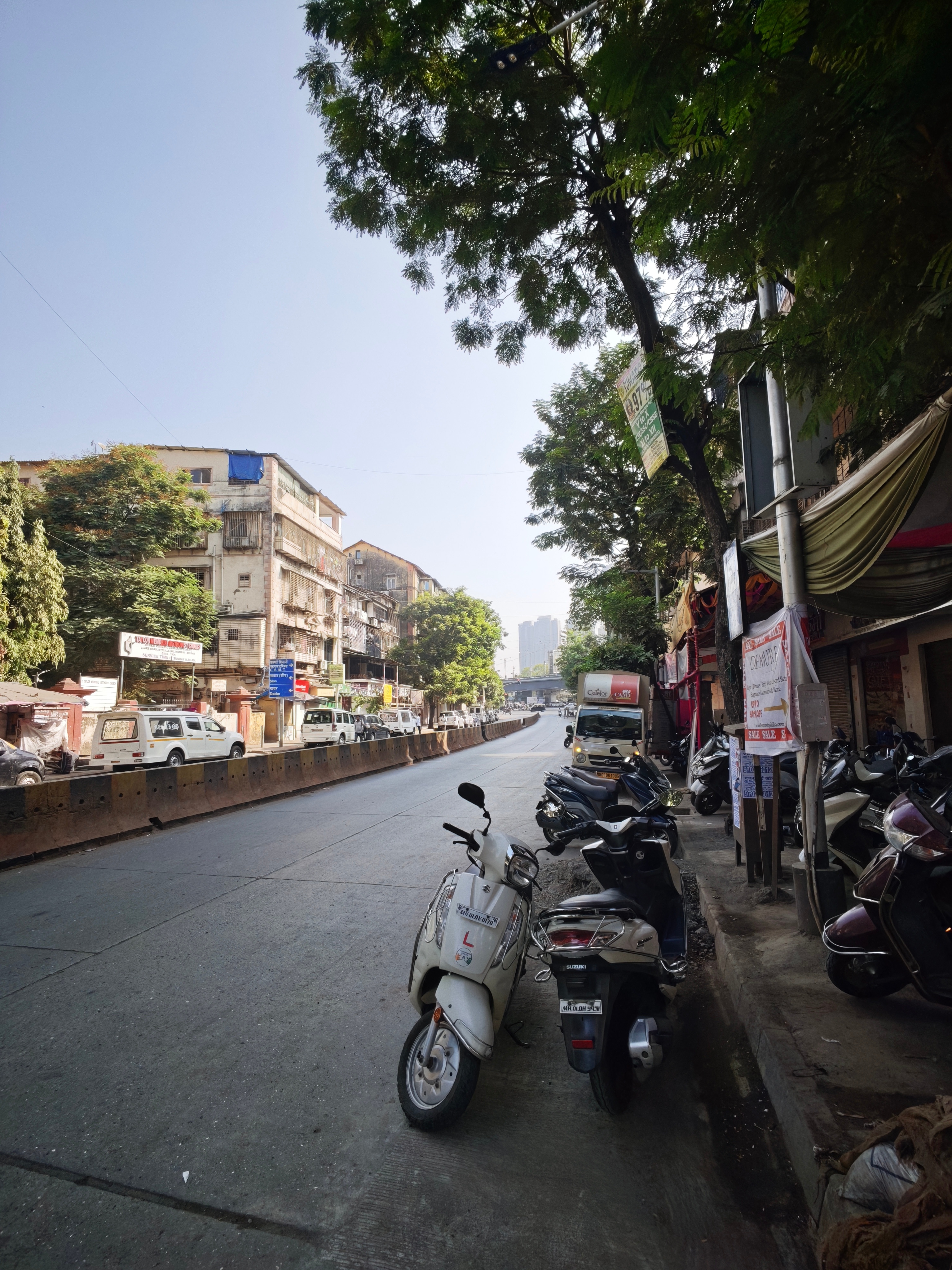
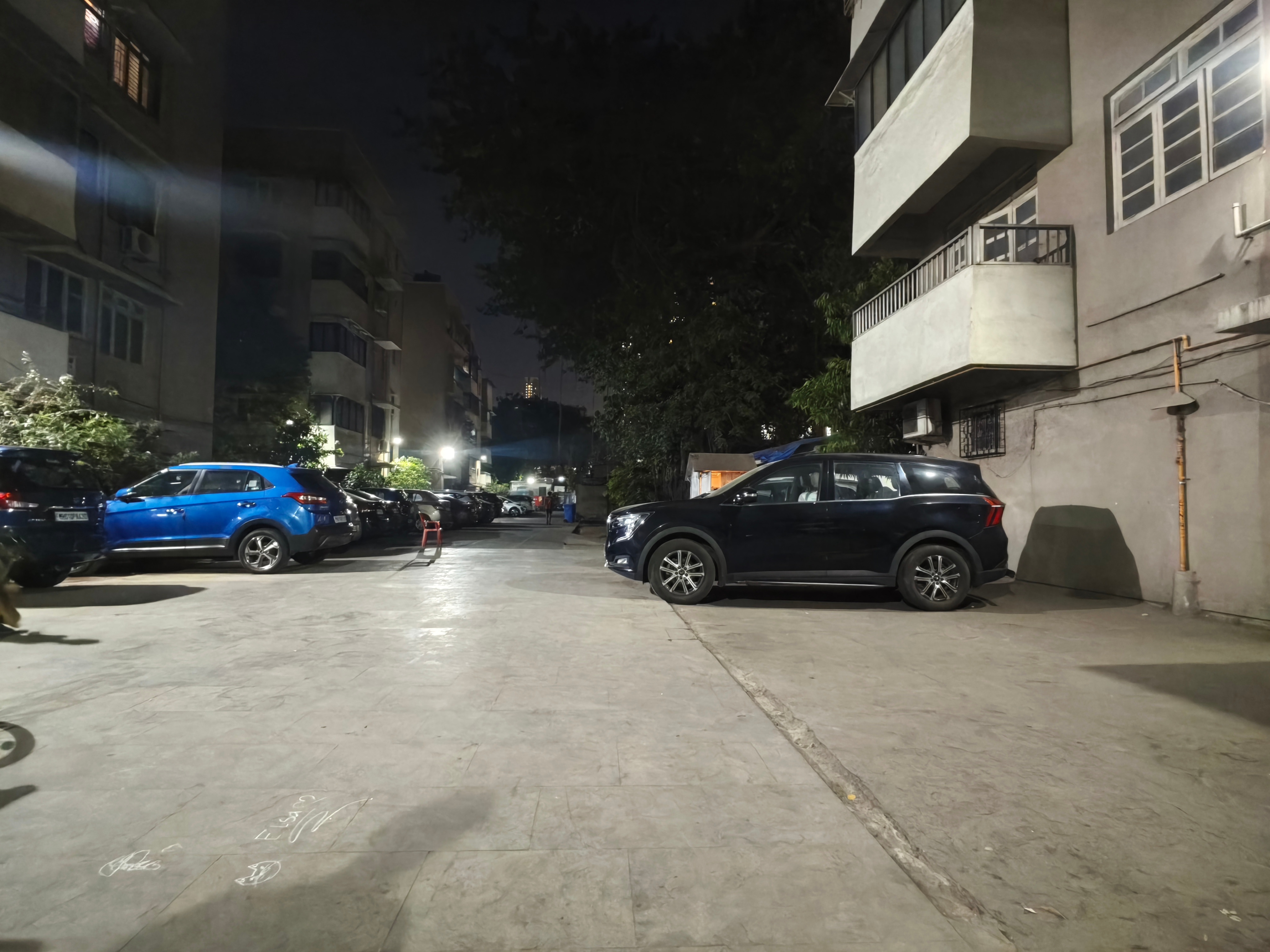
Xiaomi 17 ultrawide camera samples. (Tap images to expand)
The ultrawide camera, despite lacking autofocus, does a surprisingly good job of capturing a wider field of view, making photos appear dramatic. The 17mm equivalent or 102-degree field of view does not appear as exaggerated as ultrawides typically are on most smartphones, but the results do look pretty good thanks to Xiaomi (or Leica's) processing. Where this basic ultrawide hardware takes an obvious hit is in low-light scenarios. Photos appear soft and textureless, even though the edges of objects in these photos do appear defined.




Xiaomi 17 primary camera samples. (Tap images to expand)
The primary camera captures fantastic photos. The photos have excellent detail, showing very mature processing that isn't oversharpened, nor does it appear overprocessed, as it does on most flagships at this price point. In low-light, images turn out really well, managing to show good detail and dynamic range in street-lit conditions.






Xiaomi 17 telephoto camera samples. (Tap images to expand)
The floating telephoto camera also impresses. You don't have the standard 3X telephoto camera, but a 2.6X optical (60mm equivalent), which manages some really impressive photos, be it street photography, candid photos or whatever you can throw at it, in all types of lighting conditions. It picks up really fine detail but does not go about oversharpening it to kingdom come. Since it's a floating telephoto arrangement, you can also shoot as close as 10 centimetres and get excellent separation and a natural bokeh. Shooting at 5X lossless results in a minor drop in quality in daylight, but these photos are still pretty impressive (see: the man sitting on a scooter). Low-light photos at 5X magnification appear a bit soft and waxy.

Xiaomi 17 selfie camera sample (tap image to expand)
Selfies come out sharp in daylight, and they have accurate edge-detection as well. However, low-light selfies appear a bit soft and lack detail, even though colour and dynamic range are spot on.
Video quality in daylight looks impressive and is good enough to rival an iPhone at this price point. There's enough detail, good dynamic range and excellent stabilisation when shooting at 4K. An 8K video is also very usable, provided you have enough space to store large files. Dolby Vision footage also looks very good, showing vibrant colour, good dynamic range and contrast. Low-light video continues to impress with equally good detail. Indeed, the Xiaomi 17 is a good option for content creators willing to part with their iPhones. My only gripe with the phone's otherwise excellent video-capture capabilities is its ultrawide camera, which produces soft-looking recordings that only get worse in low-light settings.
Xiaomi 17 Battery: Surprisingly good
- Battery capacity - 6,330mAh, Si/C, Li-ion
- Wired charging - 100W
- Wireless charging - 50W (using proprietary dock)
- Charger in the box - 100W
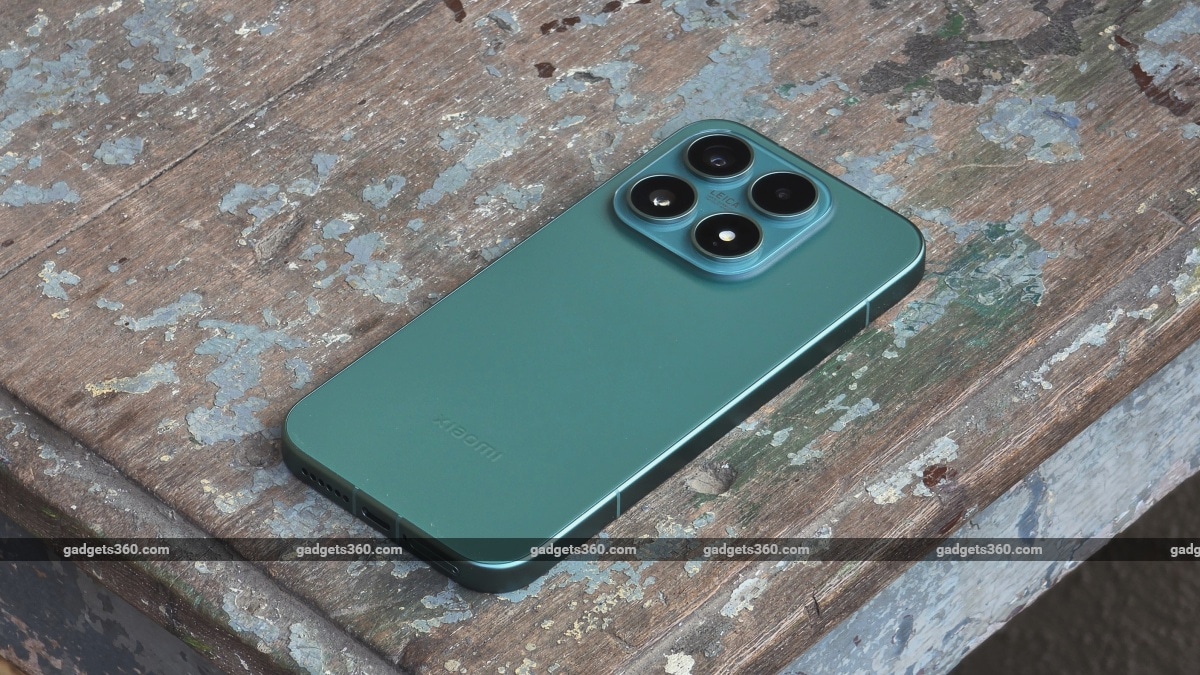
The Xiaomi 17 has good battery life for a compact device
The LTPO panel, combined with a very power-efficient processor and good software optimisation, lets the Xiaomi 17 make good use of its high-capacity silicon-carbon-based battery. In our synthetic PCMark Battery Life test that runs a bunch of everyday tasks on loop, the Xiaomi 17 performed well, managing a solid 19 hours and 7 minutes, which is good for a compact device. With real-world use, I could manage a day and a half of mixed (Wi-Fi + cellular) usage, provided I did not capture too much 4k video or played graphic intensive games. With more cellular and heavy gaming and camera usage, the phone will last you a whole day with about 30 to 20 percent charge remaining at the end of the day.
The bundled charger also does a fine job with wired charging, managing a 78 percent charge in 30 minutes and reaching a fully charged state in just 45 minutes, which is impressive! The phone also offers 50W wireless charging, but I could not find the same on sale on Xiaomi's website.
Xiaomi 17 Verdict
Xiaomi's 17, despite some downgrades, remains an easy recommendation for someone looking for something better or different than the typical camera setup under Rs. 90,000 in India. Leica-branded cameras aside, the Xiaomi 17 is a solid device with the best chipset available, an excellent display and good battery life in a compact form factor. It should be the one to reach for if you are serious about photography or video recording, as it offers more mature image processing than what Vivo's X300 and Oppo's Find X9 offer.
However, given that these competing smartphones have nearly as good hardware for less, your decision to pick the Xiaomi 17 will mainly boil down to its Leica imaging, video recording capabilities, processing power and your budget.
If you seek even better battery life from a compact device, the Oppo Find X9 should be an easy pick, with its higher-capacity 7,025mAh battery at a lower price of Rs. 74,999. You will get an impressive set of cameras with the Find X9, but video recordings won't be as impressive as on the Xiaomi 17.
Vivo's X300 is another sharpshooter at this price point, offering far better ultrawide camera performance than the Xiaomi 17. The rest of its cameras also shoot tack-sharp Instagram-worthy shots (if that's what you are chasing). However, it falls a bit short in terms of processing power and battery life, and has average speakers, aside from the heating issues mentioned in our review.
Lastly, there's Samsung's Galaxy S26, which has grown thinner and lighter (with the same core hardware upgrades) this year. But given that its camera hardware hasn't changed in years, we aren't expecting any wonders this year either.
- REVIEW
- KEY SPECS
- NEWS
- Good
- Vibrant 12-bit LTPO AMOLED display
- Impressive still cameras and video recording
- Perfectly usable 8K video recording
- Good battery life
- 100W fast wired charging
- 50W wireless charging (using proprietary dock)
- Bad
- Average ultrawide camera
- AI tools need some polish
- Poor ultrawide video recording
- Preinstalled third-party app
Read detailed Xiaomi 17 review
Display 6.30-inch
Processor Snapdragon 8 Elite Gen 5
Front Camera 50-megapixel
Rear Camera 50-megapixel + 50-megapixel + 50-megapixel
RAM 12GB
Storage 256GB
Battery Capacity 6330mAh
OS Android 16
Resolution 2,656x1,220 pixels
Comments
Get your daily dose of tech news, reviews, and insights, in under 80 characters on Gadgets 360 Turbo. Connect with fellow tech lovers on our Forum. Follow us on X, Facebook, WhatsApp, Threads and Google News for instant updates. Catch all the action on our YouTube channel.
Further reading:
Xiaomi, Xiaomi 17, Xiaomi 17 Design, Xiaomi 17 Display, Xiaomi 17 Software, Xiaomi 17 Performance, Xiaomi 17 Cameras, Xiaomi 17 Battery, Xiaomi 17 Price in India, Xiaomi 17 Specifications in India
Related Stories




Advertisement
Follow Us




-
![[Sponsored] Samsung Galaxy Z Fold8, Fold8 Ultra](https://www.gadgets360.com/static/desktop/images/spacer.png)
00:21
[Sponsored] Samsung Galaxy Z Fold8, Fold8 Ultra -
03:41
[Sponsored] Samsung Galaxy Z Fold8: How It Fits Into an Actor’s Busy Day | Camera, Multitasking & More -
09:53
iPhone 18 Goes On Sale In India: Huge Crowds, Long Queues At Apple Stores -
06:32
Google Pixel 11 Pro XL Review: The Most Exciting Pixel Yet? | 120X Zoom + Tensor G6 -
05:20
Samsung Galaxy Watch Ultra 2 Review: Is This the Best Android Smartwatch?
-
Amazon Great Indian Festival: सेल से पहले 6 मोबाइल पर Early Bird Deals
-
Vivo Y600i हुआ लॉन्च; 8000mAh बैटरी और ड्रॉप प्रोटेक्शन के साथ आया फोन
-
लैपटॉप की बैटरी हेल्थ ऐसे करें चेक, नहीं होगा नुकसान
-
Nothing Phone (4a), Phone (4b) भारत में नए 6GB रैम वेरिएंट में हुए लॉन्च, जानें कीमत
-
Redmi 17C 5G जल्द होगा भारत में लॉन्च, 3 कलर्स के ऑप्शन
Advertisement
Popular on Gadgets
- Samsung Galaxy S26 Ultra
- Motorola Razr Fold
- ChatGPT
- OPPO Find N6
- Mobiles Under Rs. 40,000
- Vivo X300 Ultra
- Asus Zenbook S14
- iQOO 15
- Vivo X300 Pro
- Lenovo Yoga Slim 7i Aura Edition
- iQOO 15R
- Vivo X Fold 5
- Sony PlayStation 5
- HP OmniPad 12
- OnePlus Nord CE 6 Lite
- OnePlus Pad 4
- OPPO F33 Pro 5G
- Cryptocurrency
- HP OmniBook Ultra 14 (2026)
- iPhone 17
- Eureka Forbes AP 355 Room Air Purifier
- Latest Mobile Phones
- Compare Phones
Latest Gadgets
- Vivo Y600i
- Mivi One 5G
- Xiaomi 18 Pro Max
- Motorola Signature 27
- OPPO Find X10 E
- OnePlus N6 Lite 4G
- Ai+ Nova 2 Power 5G
- Lava Virat Curve 5G
- Microsoft Surface Laptop, 13-inch (2nd Edition)
- Lenovo LOQ 15AHP11
- Microsoft Surface Pro, 12-inch (2nd Edition)
- Xiaomi Pad 9 Pro
- Amazfit T-Rex Dual Solar
- OPPO Watch S2
- Haier M70 Mini LED 65-inch
- Xiaomi TV FX Mini LED 65
- Acer Predator Atlas 8
- Asus ROG Ally
- Blue Star 1.5 Ton 5 Star Inverter Split AC (IE518ZNURS)
- Blue Star 2 Ton 3 Star Inverter Window AC (WIE324L)

- About Us
- Sitemaps
- Feedback
- Archives
- Contact Us
- RSS
- Advertise
- Career
- Privacy Policy
- Ethics
- Editorial Policy
- Terms & Conditions
- Complaint Redressal
Download Our Apps
Available in Hindi
© Copyright Red Pixels Ventures Limited 2026. All rights reserved.