-
 Best Smartphones Under Rs. 15,000 in India: From Moto G37 Power to Poco C85 and more21 June 2026
 -
Poco C85x 5G Key Specifications, Features Revealed a Day Ahead of Launch in India9 March 2026
-
Samsung Galaxy F70e 5G vs Redmi 15C 5G vs Poco C85 5G: Price in India, Specifications and Features Compared10 February 2026
-
Poco C85 5G Launched in India With 6,000mAh Battery, 50-Megapixel Rear Camera: Price, Specifications9 December 2025
-
Poco C85 5G Launching Today: Know Price in India, Features, Specifications and More9 December 2025
- Home
- Mobiles
- Mobiles Reviews
- Poco C85 Review: Big Battery, Basic Performance
Poco C85 Review: Big Battery, Basic Performance
The Poco C85 attempts to cover the budget basics with an interesting design and a long-lasting battery.
Written by Sheldon Pinto, Edited by Ketan Pratap | Updated: 2 February 2026 08:58 IST
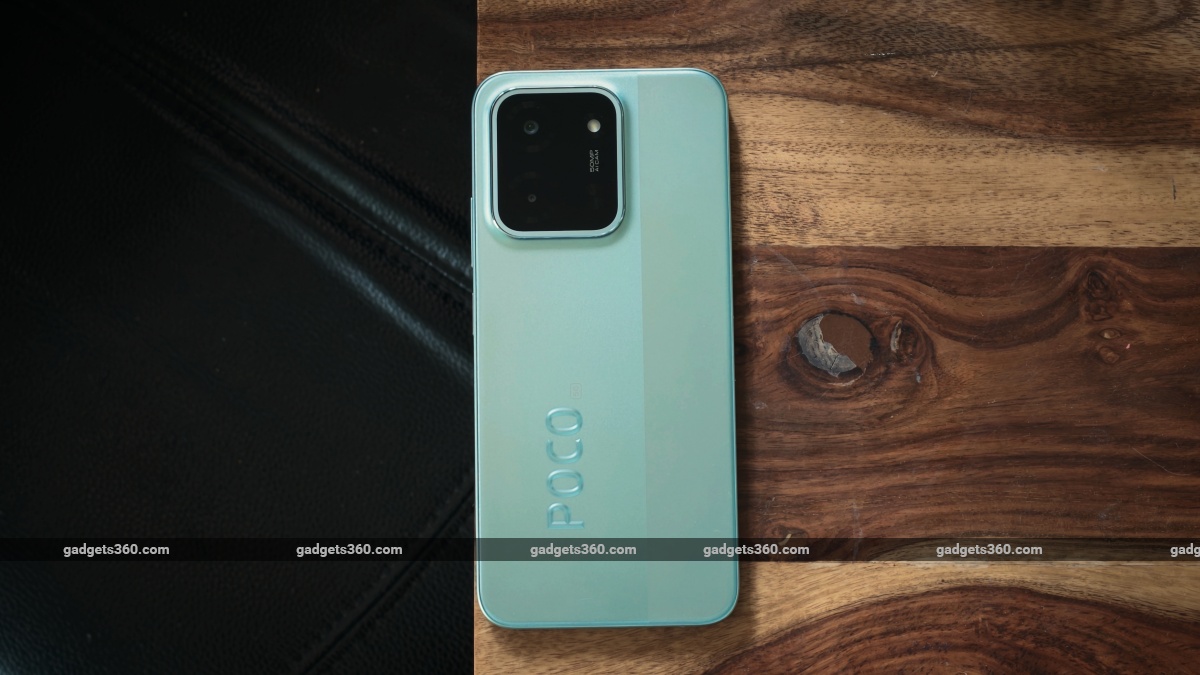
The Poco C85 is priced from Rs. 12,499 in India
Click Here to Add Gadgets360 As A Trusted Source

Advertisement
Aside from the fact that the Poco C85 has specifications identical to the Redmi 15C, Poco's successor to the budget C75 aims to deliver the basics at a budget price. Compared to its predecessor, it has a brand-new design, a new processor, improved durability and a bigger battery with faster charging. It may appear that Poco has checked several items on the list of every budget smartphone buyer. But do these upgrades make sense when put together? And does the new Poco C85 offer enough value? Read on to find out!
Poco C85 Design
The Poco C85's design appears very different from the C75 it replaces. The comically large circular camera module has now been replaced by a smaller and more sensibly sized rectangular module. It takes up less space and does not get in your way when gripping the device.
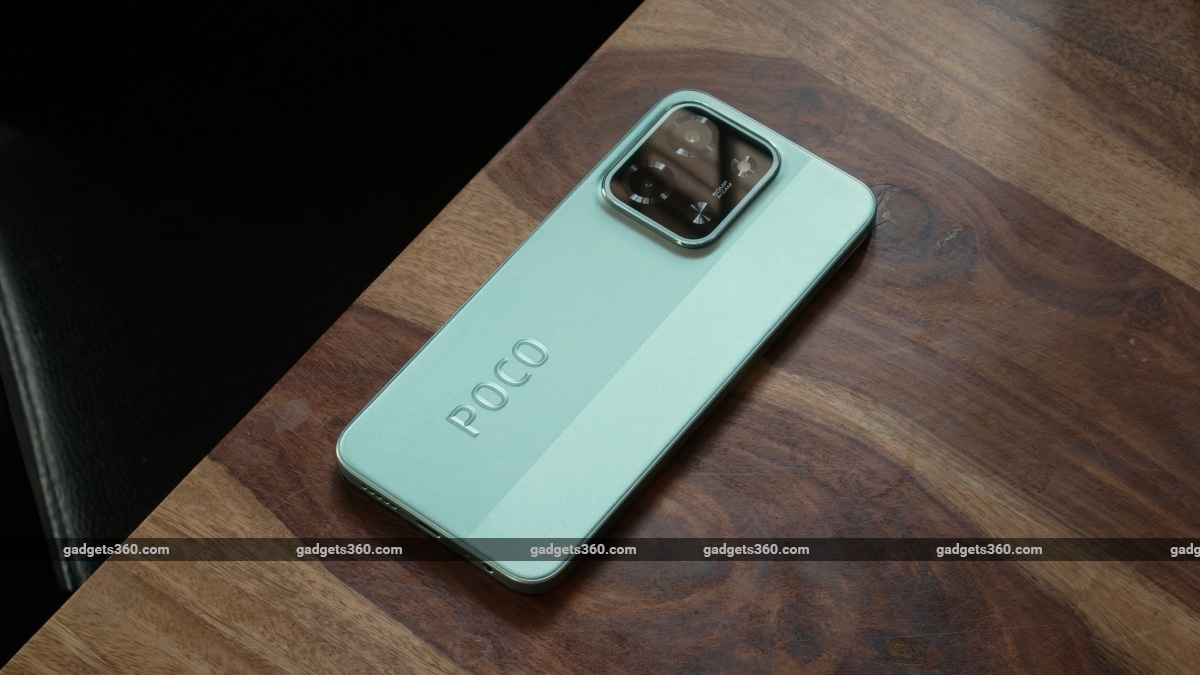
The rear panel has a split design with a smaller rectangular camera module
The rear panel has this embossed appearance with a split metallic finish. The 'Poco' branding appears to be embossed on the rear panel, but it's just an effect.
Given that the Poco C85 has a polycarbonate shell, I am happy to see an IP64 rating for dust and water resistance. The phone has all of its buttons on the right side, while the speaker, USB-C port and 3.5mm headphone jack are at the bottom. Overall, it has a very clean and minimalist design, which is a good upgrade over the C75's tacky design.
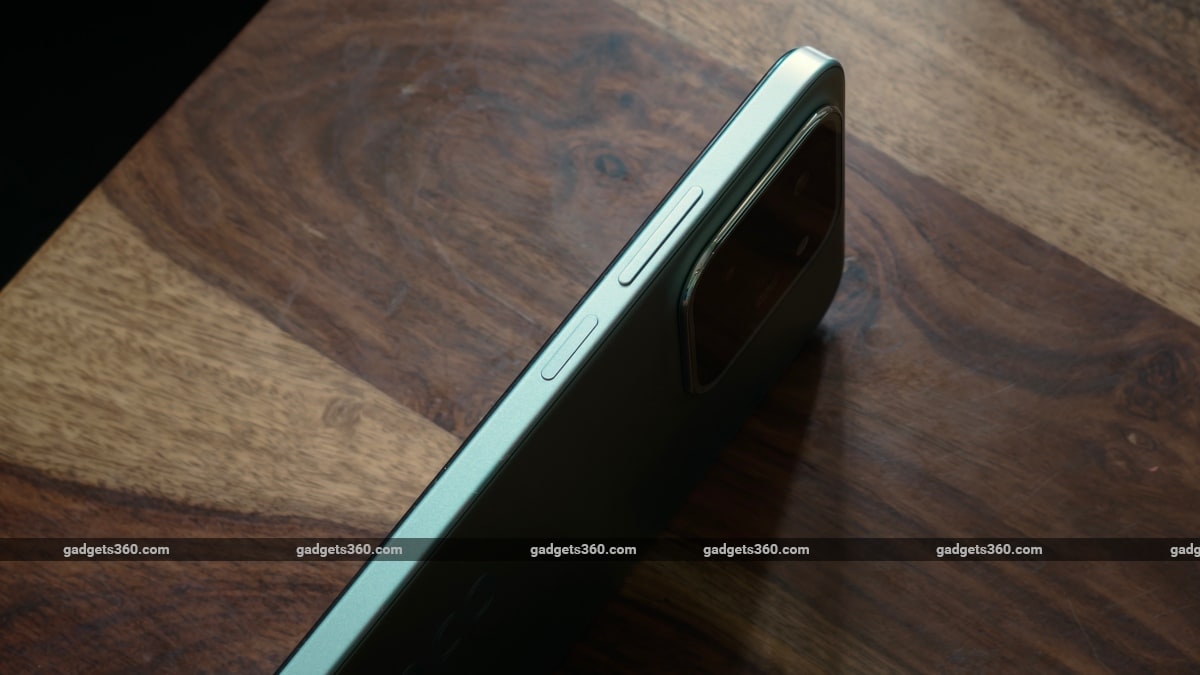
The fingerprint reader embedded in the power/unlock button works reliably
That said, the phone does feel large and heavy. The metallic finish does a fine job of resisting fingerprints but also makes the device very slippery.
The 6.9-inch HD+ IPS LCD panel is quite large. Its notched design has a slightly dated appearance, but it gets sufficiently bright (810 nits) to be visible clearly outdoors.
Poco C85 Performance
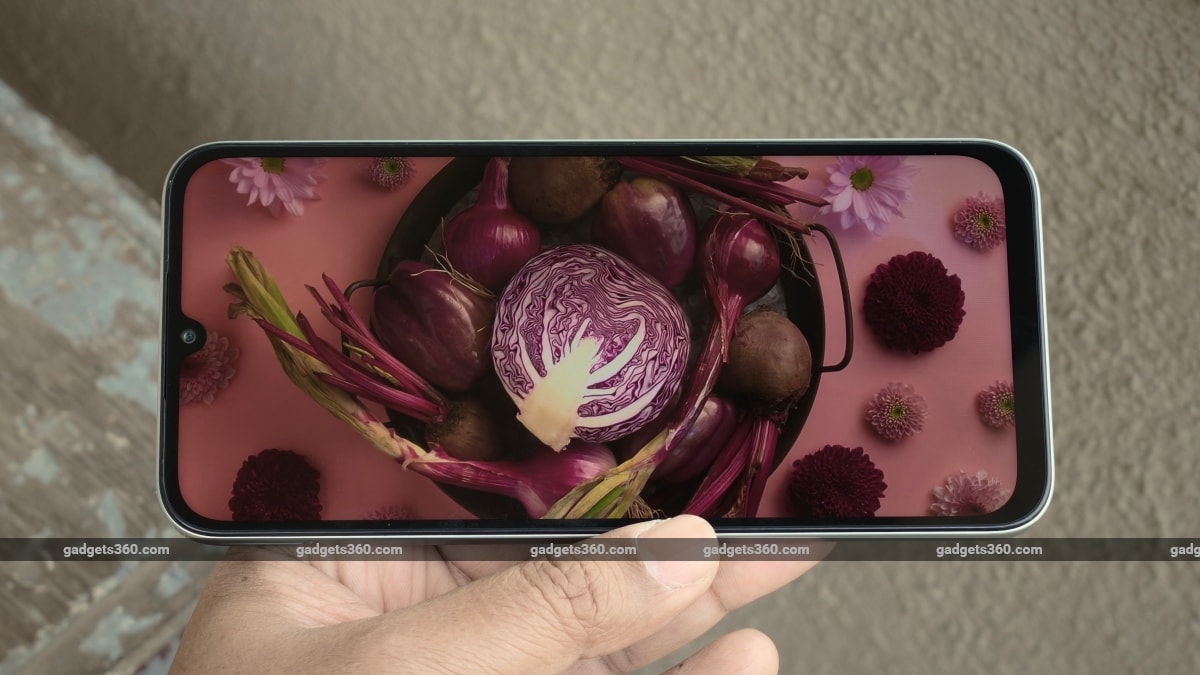
The large display has a dated notched cutout for the selfie camera
The display shows saturated colours but cannot reproduce deep blacks. Brightness is not a problem as it gets sufficiently bright outdoors and is legible under direct sunlight. Viewing angles are a bit limited, so the contrast levels drop, making the display appear a bit washed out when viewed at extreme angles. The 120Hz screen refresh rate is adaptive, but it is not useful. This is because the software interface and games cannot maintain a sustained frame rate due to the underwhelming hardware and bloated software.
Surprisingly, Poco has managed Widevine L1 playback certification. Users can enjoy sharper visuals with Full HD playback, even though the display is an HD+ panel. However, you will need to plug in a pair of wired earphones or connect TWS earphones, as the bottom-firing speaker sounds very one-sided and tinny, even if it is sufficiently loud.
The Poco C85 runs Xiaomi's HyperOS 2.0, built on Android 15. Poco promises two years of OS and three years of security updates, which is decent for a low-end budget smartphone. HyperOS 2.0 offers heavy customisation options, from themes to icons to downloadable fonts. It all scales well, too. However, given the underlying processor and the 6GB of RAM our unit was equipped with, it's not the fastest phone in its segment.
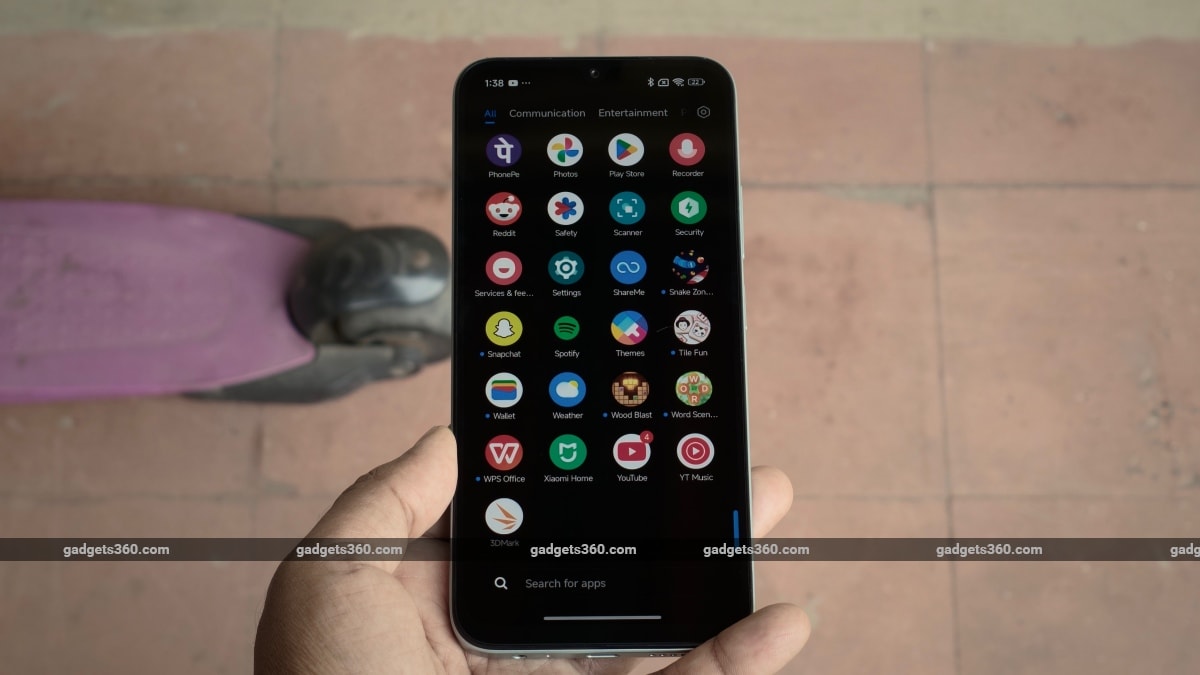
Out of the box, the Poco C85 comes with tons of bloatware and preinstalled third-party apps and games
There are tons of bloatware, including preinstalled apps, games and several native apps. The software experience feels a bit heavy, as the interface stutters frequently when interacting with the UI. There's also the occasional waiting for apps to launch. Our review unit came with 6GB of RAM and could only sustain 7 non-gaming apps in the background. But even out of these, some apps frequently restarted when revived from the Recents menu.
Again, the HyperOS version on the Poco C85 seems to be a stripped-down version of the one that runs on more expensive devices. Several animations, transitions and even AI tools are missing (apart from the usual Gemini defaults). Given how much the phone struggles with Android 15, we aren't sure if it will be able to run future updates smoothly.
| Benchmarks | Poco C85 | Moto G67 Power |
|---|---|---|
| Display resolution | HD+ | FHD+ |
| Chipset | Dimensity 6300 (6nm) | Snapdragon 7s Gen 2 (4nm) |
| AnTuTu v10 | 5,74,555 | 8,49,640 |
| PCMark Work 3.0 | 9,520 | 15,013 |
| Geekbench 6 Single | 733 | 1,020 |
| Geekbench 6 Multi | 1,891 | 2,901 |
| Geekbench AI CPU (Quantized) | 984 | 408 |
| Geekbench AI GPU (Quantized) | 440 | 562 |
| 3DM Wild Life | 1,311 | 3,293 |
| 3DM Wild Life Unlimited | 1,295 | 3,324 |
| 3DM Steel Nomad Light | NA | 308 |
Given its humble hardware specifications, the phone is better suited for casual games like Subway Surfers. Asphalt Legends, even at the default low graphics settings, could barely deliver a steady frame rate with plenty of dropped frames and noticeable lag while playing the game. The phone struggled just to react to screen swipes or orientation changes.
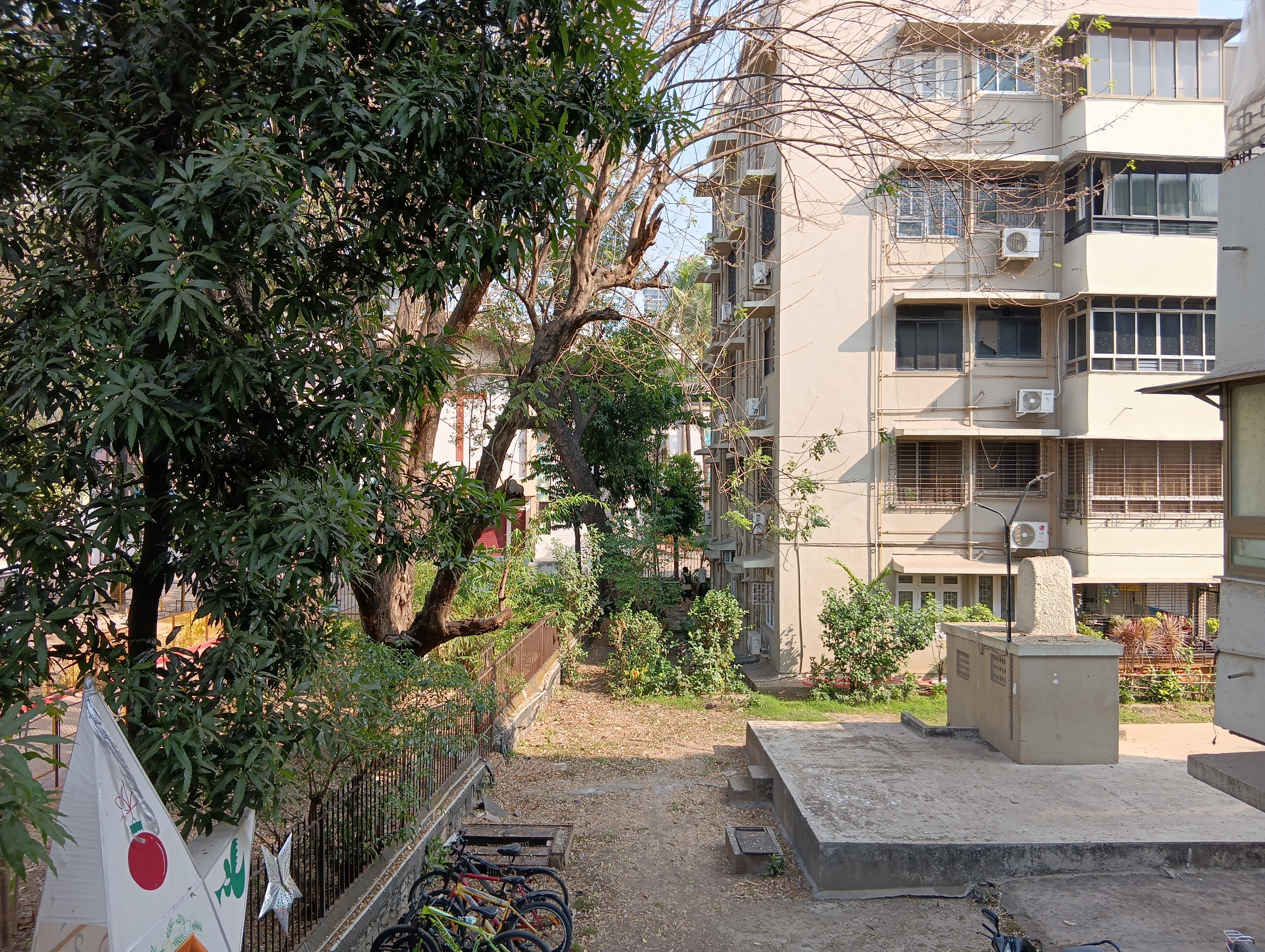
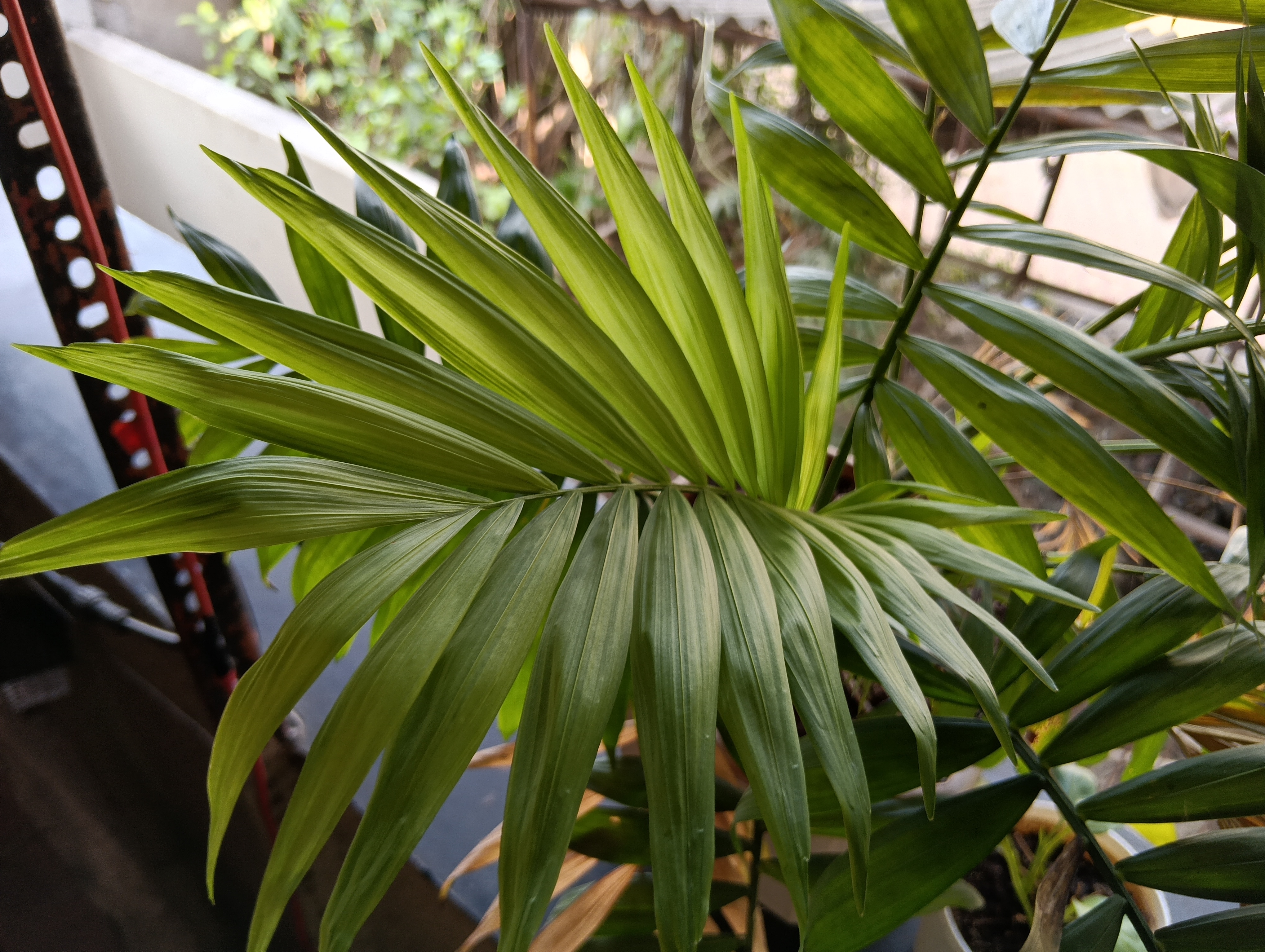

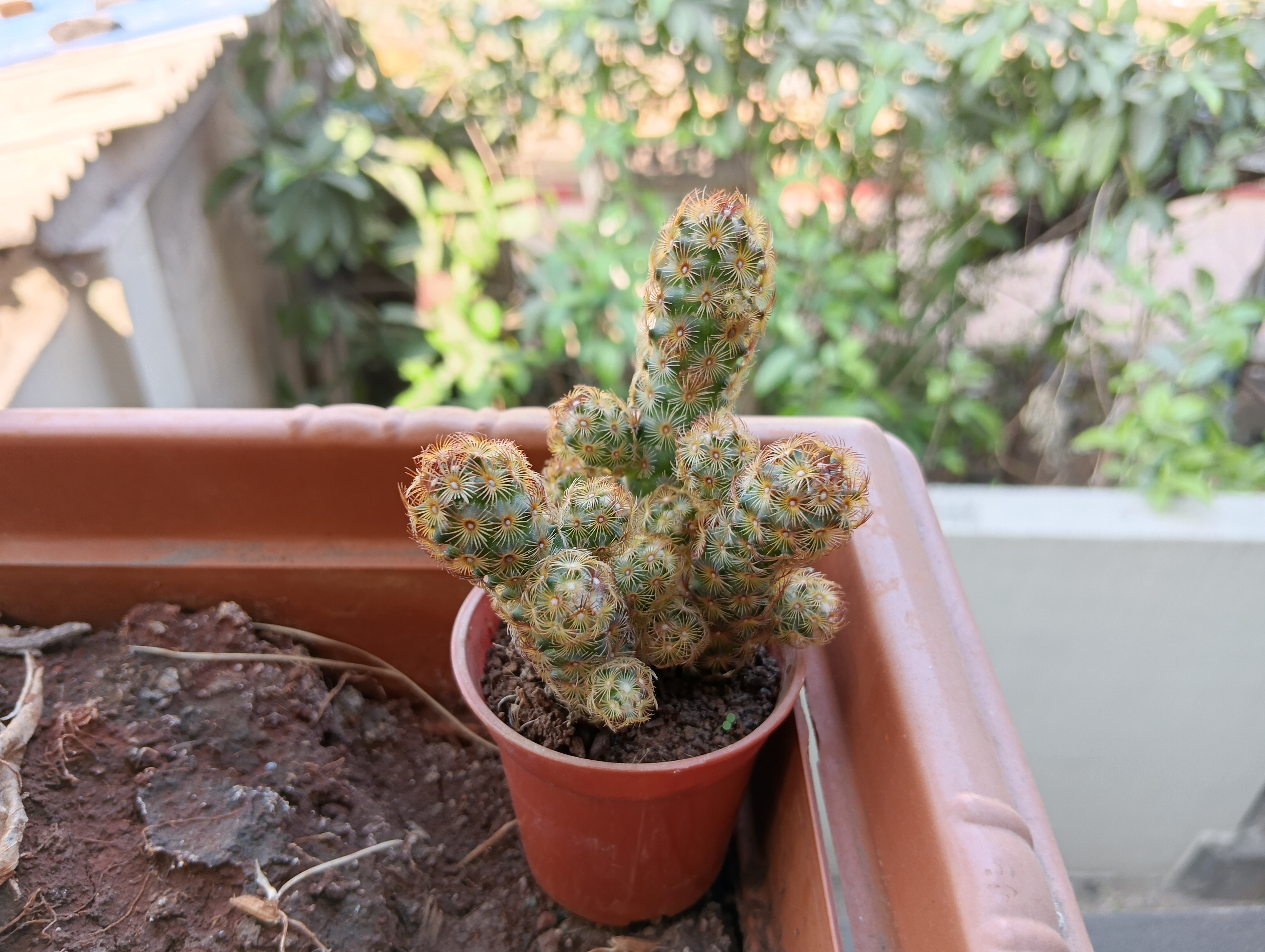
Poco C85 daylight primary camera samples (tap images to expand)
The phone has a single user-accessible, 50-megapixel rear-facing camera and an 8-megapixel front-facing camera. Image quality from the primary camera is decent for a budget device. You get warmer colour tones and decent dynamic range. A few details are left out in the brighter and darker areas of an image, especially when shooting contrasty scenes. I also noticed some purple fringing closer to the edges when shooting in daylight. These images are best viewed without zooming in, as there's very little detail available when you do.

Poco C85 low-light primary camera sample (tap image to expand)
Despite using the dedicated Night mode, low-light images aren't great. They come out a bit contrasty and show noticeable noise, which reduces texture detail. Details are not really present when you zoom in, as low-light imaging with this camera is mainly about holding pixels together to make objects recognisable by defining their outlines and borders.


Poco C85 camera samples. Top: Selfie portrait mode, bottom: Rear camera portrait mode (tap images to expand)
Selfies captured in Auto camera mode are passable and show a decent amount of facial detail, but backgrounds appear flat and lack detail. In Portrait mode, faces look oversharpened, and backgrounds are blown out, appearing mostly white, especially in bright environments. I noticed the same issues when using the rear camera's Portrait mode.
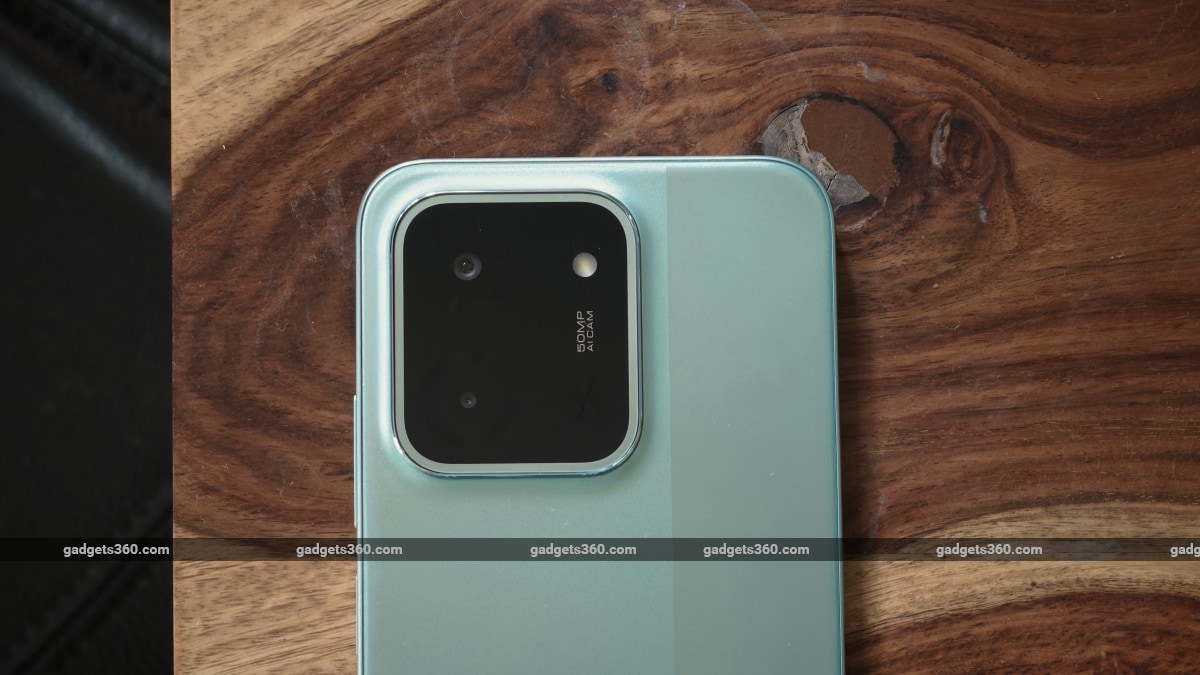
The Poco C85 still has a single user accessible rear-facing camera
The rear camera can record 1080p at 30 fps. The output is quite shaky as there seems to be no electronic image stabilisation available. The video recordings appear soft and don't pack much detail. Colours appear natural, but the camera tends to overexpose the bright spots, leading to clipped highlights. The contrast and brightness levels shift dramatically when panning. When shooting in low light, the overall quality is quite poor, and aggressive noise cancellation results in flattened or blotchy textures, giving the video a soft appearance.
With the upgraded 6,000mAh battery, the Poco C85 managed an impressive 26 hours and 11 minutes in PC Mark's Work Battery Life test. With regular use, which included social media apps, plenty of messaging and office apps, and some light gaming, the device lasted well over a day of use. The combination of a slightly larger 6,000mAh battery, a low-resolution display, and the fact that it cannot do much in terms of gaming or imaging played a big role in delivering the above battery life figures.
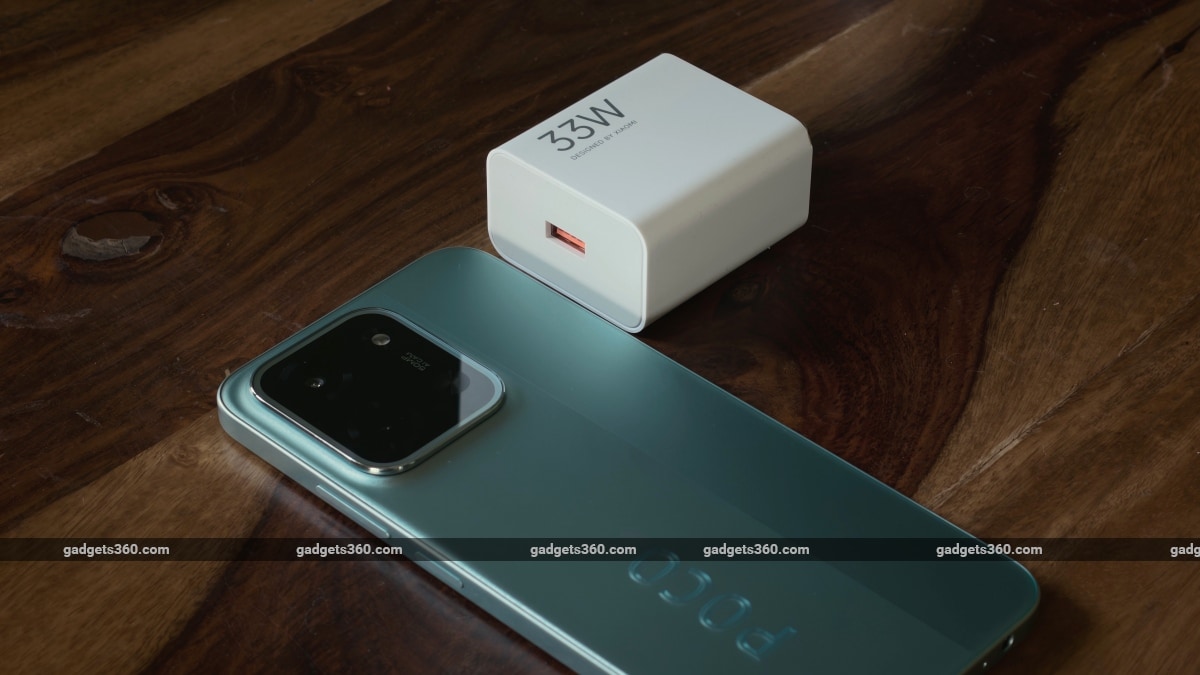
Poco offers a 33W charger in the box
The box contents include a 33W charger. This helps the phone achieve a 29 percent charge in 30 minutes, 62 percent in an hour, and reach a fully-charged state in 1 hour and 40 minutes, which isn't bad for a budget device. The phone also supports 10W wired reverse charging, if needed.
Poco C85 Verdict
After weeks of testing, it's clear that the Poco C85 isn't very high on value. It delivers the basics, but its underpowered chipset and bloated software will leave users wanting more in everyday performance, even if it's their first smartphone. What will hit the sweet spot for those on tight budgets is its battery life and large display. And for this select group of users willing to sacrifice basic usability for better battery life, the Poco C85 will surprisingly make sense. For everyone else, you are indeed better off spending a bit more and getting a more capable device. The Moto G67 Power, at Rs. 15,999, is a better option, offering a better processor, better durability, better cameras, and a bigger battery in a stylish package.
- REVIEW
- KEY SPECS
- NEWS
- Good
- Stylish IP64-rated design
- Bright and large display
- Big battery with fast charging
- Decent software commitment
- Bad
- Single speaker does not sound great
- Software is loaded with bloatware
- Stuttery software experience
- Average cameras
Read detailed Poco C85 5G review
Display 6.90-inch
Processor MediaTek Dimensity 6300
Front Camera 8-megapixel
Rear Camera 50-megapixel
RAM 4GB, 6GB, 8GB
Storage 128GB
Battery Capacity 6,000mAh
OS Android 15
Resolution 720x1600 pixels
Comments
Get your daily dose of tech news, reviews, and insights, in under 80 characters on Gadgets 360 Turbo. Connect with fellow tech lovers on our Forum. Follow us on X, Facebook, WhatsApp, Threads and Google News for instant updates. Catch all the action on our YouTube channel.
Further reading:
Poco C85, POCO, Poco C85 5G, Poco C85 5G Design, Poco C85 Display, Poco C85 Features, Poco C85 Specifications, Poco C85 Software, Poco C85 Performance, Poco C85 Battery, Poco C85 Cameras
Related Stories



Advertisement
Follow Us




-

05:20
Samsung Galaxy Watch Ultra 2 Review: Is This the Best Android Smartwatch? -
07:01
Samsung Galaxy Z Fold 8 Review: Is This the Best Foldable Phone? -
06:39
Samsung Galaxy Z Fold8 Ultra Review: Cameras, Battery, Performance Tested -
04:33
[Sponsored] JBL Live 780NC: Great Sound, Perfect Comfort, Smart ANC & 80-Hour Battery -
12:04
[Partner Content] OPPO Reno16 Series Deep Dive: Built for Creators?
Advertisement
Popular on Gadgets
- Samsung Galaxy S26 Ultra
- Motorola Razr Fold
- ChatGPT
- OPPO Find N6
- Mobiles Under Rs. 40,000
- Vivo X300 Ultra
- Asus Zenbook S14
- iQOO 15
- Vivo X300 Pro
- Lenovo Yoga Slim 7i Aura Edition
- iQOO 15R
- Vivo X Fold 5
- Sony PlayStation 5
- HP OmniPad 12
- OnePlus Nord CE 6 Lite
- OnePlus Pad 4
- OPPO F33 Pro 5G
- Cryptocurrency
- HP OmniBook Ultra 14 (2026)
- iPhone 17
- Eureka Forbes AP 355 Room Air Purifier
- Latest Mobile Phones
- Compare Phones
Latest Gadgets
- iPhone Duo
- OPPO A7 Pro
- Huawei Mate XT 2 Ultimate Design
- Realme 16 Pro Harry Potter Edition
- Samsung Galaxy A07s
- Huawei Pura X View
- Tecno Camon Slim 5G
- iQOO Z11xa
- Acer Aspire G 3D 16
- Acer Swift Air 16 (2026)
- Xiaomi Pad 9 Pro
- Xiaomi Pad 9
- Apple Watch Ultra 4
- Apple Watch Series 12
- Haier M70 Mini LED 65-inch
- Xiaomi TV FX Mini LED 65
- Acer Predator Atlas 8
- Asus ROG Ally
- Blue Star 1.5 Ton 5 Star Inverter Split AC (IE518ZNURS)
- Blue Star 2 Ton 3 Star Inverter Window AC (WIE324L)

- About Us
- Sitemaps
- Feedback
- Archives
- Contact Us
- RSS
- Advertise
- Career
- Privacy Policy
- Ethics
- Editorial Policy
- Terms & Conditions
- Complaint Redressal
Download Our Apps
Available in Hindi
© Copyright Red Pixels Ventures Limited 2026. All rights reserved.