-
 Samsung Galaxy S27 Series May Get Scam Detection Alongside Galaxy S25 Series, and Older Flagships1 September 2026
 -
Samsung Plans to Launch Five Foldable Phones Next Year, Including Galaxy Z TriFold 2, Galaxy Fold 9 Series: Report17 August 2026
-
Samsung Galaxy Z TriFold 2 Could Be Delayed as Company Plans Slidable Phone's Debut, Tipster Claims13 July 2026
-
Samsung Patent Document Hints at Galaxy Smartphone With Expanding Display, Movable Camera System22 May 2026
-
Samsung Patent Application Suggests Galaxy Z TriFold 2 Could Launch With an S-Pen Housed Inside Its Hinge11 May 2026
- Home
- Mobiles
- Mobiles Features
- Most Innovative and Unique Gadgets of 2025: Samsung Galaxy Z TriFold, iPhone Air and More
Most Innovative and Unique Gadgets of 2025: Samsung Galaxy Z TriFold, iPhone Air and More
iPhone Air costs Rs. 1,19,900 for the base model with 256GB storage.
Written by Nithya P Nair, Edited by Manas Mitul | Updated: 26 December 2025 19:58 IST
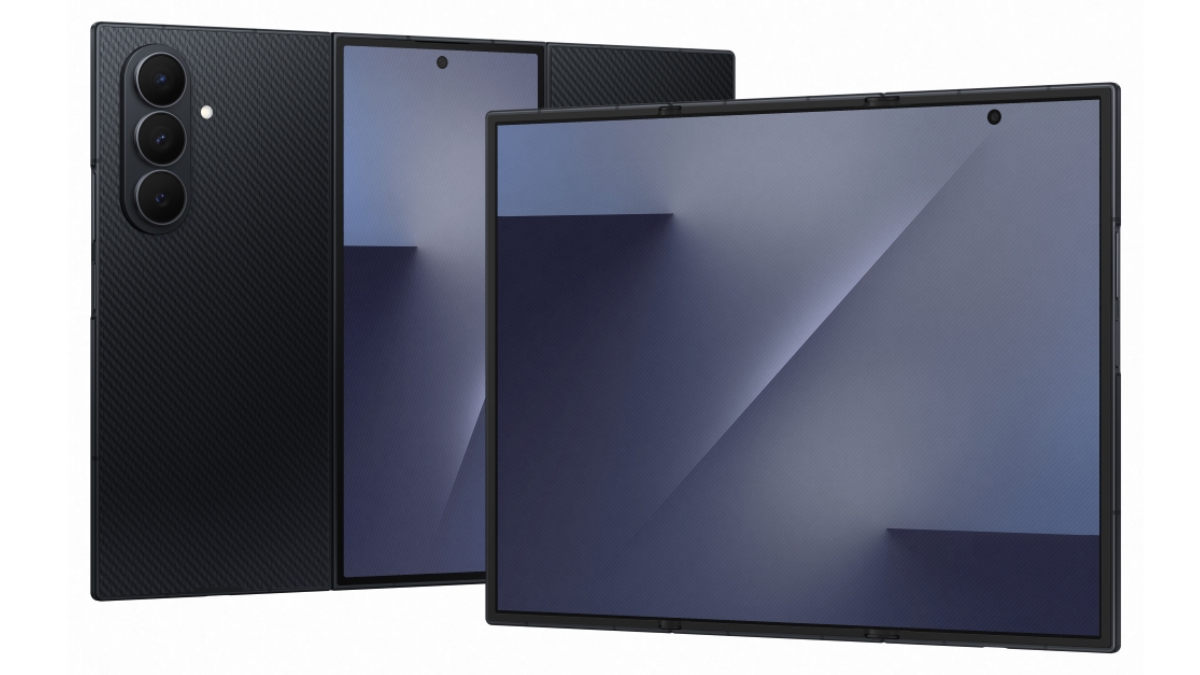
Photo Credit: Samsung
The Galaxy Z TriFold is Samsung's first triple foldable phone
Click Here to Add Gadgets360 As A Trusted Source

Advertisement
Groundbreaking technologies are transforming everyday life, and this year was no exception. In 2025, we witnessed several new gadgets that pushed the margins of technological innovation. These include a host of foldable smartphones, smart wearables and more. Many innovative devices that were just a concept became available commercially this year. As we are heading into a new year, we have rounded up some of the most distinct gadgets of 2025 that stand out for their design, functionality, and innovation.
The list includes Samsung's long-awaited triple-folding smartphone, the Galaxy Z TriFold; Apple's iPhone Air; Ray-Ban Meta Gen 2 Glasses; Lenovo's ThinkBook Plus Gen 6 Rollable; and Halliday Smart Glasses.
Samsung Galaxy Z TriFold
Samsung's long-awaited triple folding smartphone, the Samsung Galaxy Z TriFold, went official this year. The new smartphone marked Samsung's foray into the multi-folding handset market. The TriFold is one of the first commercially available triple-screen foldable phones in the international market and pushes the boundaries of mobile form factors. It features an inward-folding design and has a 10-inch QXGA+ Dynamic AMOLED 2X main display with up to 1,600 nits of peak brightness and up to 120Hz adaptive refresh rate.
The Galaxy Z TriFold features a 6.5-inch full-HD+ Dynamic AMOLED 2X cover display with 2,600nits of peak brightness, up to 120Hz adaptive refresh rate. It has an octa-core 3nm Snapdragon 8 Elite for Galaxy chipset under the hood, coupled with 16GB of RAM and up to 1TB of onboard storage. The handset is preloaded with Android 16-based OneUI 8.
For optics, the Galaxy Z TriFold has a triple rear camera unit led by a 200-megapixel primary camera. The camera setup also includes a 12-megapixel ultrawide camera and a 10-megapixel telephoto camera with up to 30x digital zoom. The phone has a 10-megapixel selfie camera on both the cover screen and main screen. The phone has a 5,600mAh battery with 45W wired and 15W wireless fast charging support.
Samsung Galaxy Z TriFold Price
The Galaxy Z TriFold is priced at KRW 3,59,400 million (roughly Rs. 2.2 lakh) in South Korea. It will soon be available in the US starting Q1 next year.
iPhone Air
The iPhone Air was released in September 2025 as Apple's thinnest ever smartphone to date. The new device set trends by combining Apple's design language with new engineering, and challenged other smartphone manufacturers to shift their designs. The iPhone Air measures just 5.6mm in thickness.
The phone features a 6.5-inch Super Retina XDR OLED display with ProMotion support. The display supports up to 120Hz refresh rate and reaches up to 3,000 nits. It runs on an Apple A19 Pro chipset and supports Apple Intelligence features.
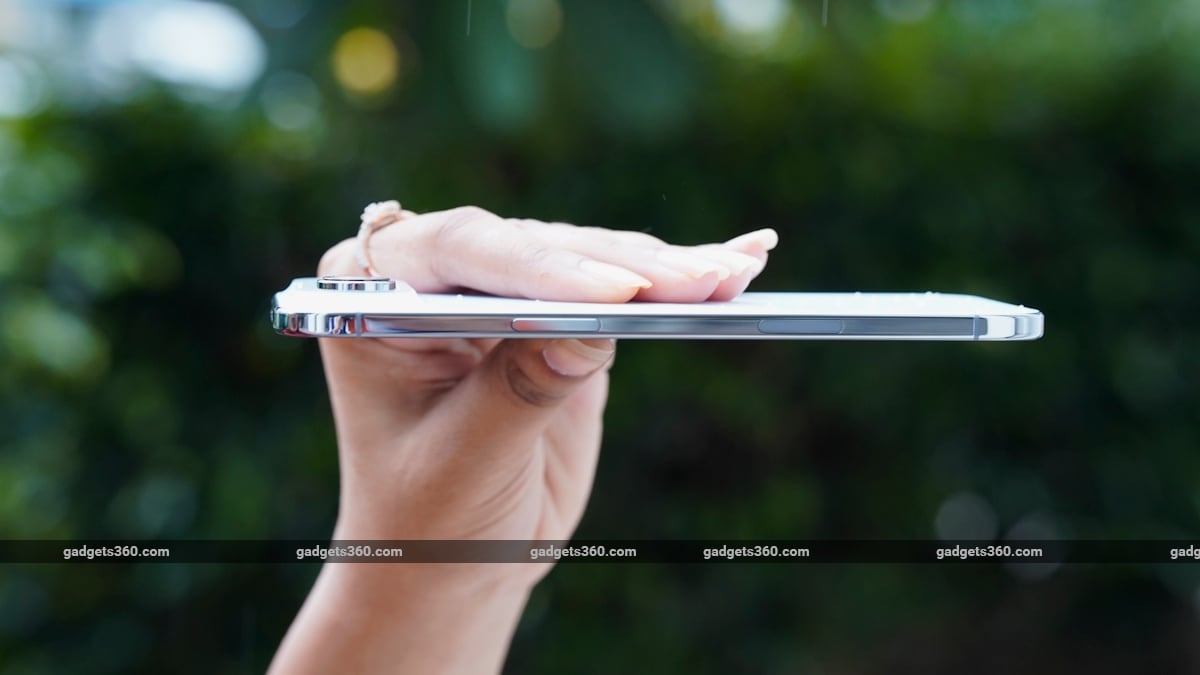
The iPhone Air features Apple's N1 chip. It uses a C1X modem. On the rear, it has a 48-megapixel camera with an f/1.6 aperture. On the front, the device boasts an 18-megapixel sensor for selfies and video chats. The phone has a 3,149mAh battery and is claimed to deliver up to 27 hours of video playback on a single charge.
iPhone Air Price in India
The price of iPhone Air starts at Rs. 1,19,900 for the base model with 256GB storage in India. The 512GB and 1TB storage versions are priced at Rs. 1,39,900 and Rs. 1,59,900, respectively. The phone is available in Sky Blue, Light Gold, Cloud White, and Space Black colour options.
Ray-Ban Meta Gen 2 Glasses
The Ray-Ban Meta Gen 2 Glasses are co-developed by Meta and EssilorLuxottica. This model retains the design of traditional Ray-Ban glasses while integrating advanced features. The smart glasses allow users to take photos and videos hands-free and access the Meta AI voice assistant. The device has open-ear speakers for audio.
Available in multiple frame styles like Wayfarer and Headliner with different finishes, the Ray-Ban Meta Gen 2 Glasses feature a 12-megapixel ultra-wide camera capable of capturing 1080p videos up to 60 seconds. They have a five-microphone system. Users can even stream directly to Instagram and Facebook with the smart glasses.
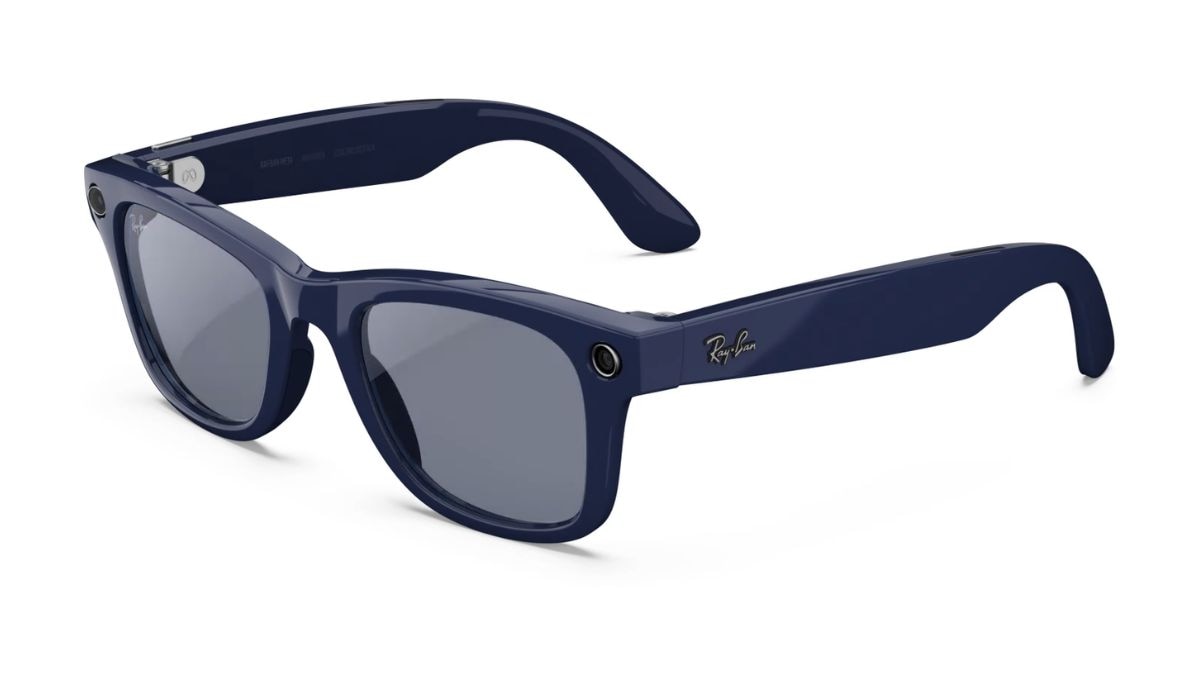
The Ray-Ban Meta Gen 2 Glasses support Bluetooth 5.3. They are compatible with both iOS and Android through the Meta View app. The glasses come with up to 32GB of internal storage. The glasses are claimed to deliver up to eight hours of usage on a single charge. The case of the glasses is said to offer an additional 48 hours worth of charging.
Ray-Ban Meta Gen 2 Glasses Price in India
The Ray-Ban Meta Gen 2 Glasses price in India starts at Rs. 39,900. They are available in Headliner, Skyler, and Wayfarer styles and Shiny Cosmic Blue, Shiny Mystic Violet, and Shiny Asteroid Grey shades.
Lenovo ThinkBook Plus Gen 6 Rollable AI
Lenovo launched the Lenovo ThinkBook Plus Gen 6 Rollable AI PC at CES 2025. It is the first laptop to feature a vertically expanding rollable OLED display. The screen can extend with the press of a dedicated button or through camera-based gestures, allowing users to enjoy more space for multitasking.
Under the hood, the Lenovo ThinkBook Plus Gen 6 Rollable AI has an Intel Core Ultra 7 (Series 2) processor, paired with up to 32GB of RAM and 1TB of SSD storage. The rollable display can shift a 12.7-inch screen into a larger 15.3-inch vertical display. This OLED panel offers a 2.5K resolution. It uses Intel Arc graphics and runs on Windows 11.
The Lenovo ThinkBook Plus Gen 6 Rollable AI features a 5-megapixel IR camera. It has 2W Harman/ Kardon speakers with Dolby Atmos support. It features a 66Wh battery.
Lenovo ThinkBook Plus Gen 6 Rollable AI Price
The Lenovo ThinkBook Plus Gen 6 Rollable AI PC has a starting price tag of $3,499 (roughly Rs. 3,00,300). It is available in select global markets.
Halliday Smart Glasses
Another notable, unique product released this year is Halliday smart glasses that come with several AI features and a screen that uses a smart ring for control. This product merges augmented reality (AR) with traditional eyewear design. Halliday glasses can overlay digital content directly onto the wearer's field of vision in real time. This allows users to get navigation directions and notifications. The smart glasses use a DigiWindow display module built into the frame. A wearer can see a roughly 3.5‑inch screen in the upper‑right of their view.
The Halliday smart glasses can be worn all day like normal eyewear. It weighs around 35g. The glasses are compatible with prescription lenses and support Bluetooth pairing with smartphones. The glasses can be managed through a smart ring accessory or touch controls on the frame. Halliday glasses also respond to voice commands, gestures, and eye-tracking. They provide real-time object recognition and translation.
Halliday Smart Glasses Price
The Halliday smart glasses are priced $449 (roughly Rs. 40,000) and are currently available in select global markets like the US.
- KEY SPECS
- NEWS
Display size 16.70-inch
Touchscreen No
Processor Intel Core Ultra 7
RAM 32GB
OS Windows 11
SSD 1TB
Graphics Intel Iris Xe
Weight 1.69 kg
More Lenovo Laptops
- REVIEW
- KEY SPECS
- NEWS
- Good
- Incredibly lightweight and super thin
- Stunning display
- Solid performance
- Good primary and selfie cameras
- Bad
- A single-camera sensor at the back
- Slow charging
- Battery life could have been better
- Mono speaker leaves much to be desired
- Expensive
Read detailed Apple iPhone Air review
Display 6.50-inch
Processor Apple A19 Pro
Front Camera 18-megapixel
Rear Camera 48-megapixel
RAM 12GB
Storage 256GB, 512GB, 1TB
OS iOS 26
Resolution 1260x2736 pixels
- KEY SPECS
- NEWS
Display (Primary) 10.00-inch
Cover Display 6.50-inch
Cover Resolution 1080x2520 pixels
Processor Snapdragon 8 Elite
Front Camera 10-megapixel + 10-megapixel
Rear Camera 200-megapixel + 12-megapixel + 10-megapixel
RAM 16GB
Storage 1TB
Battery Capacity 5,600mAh
OS Android 16
Resolution 2,160x1,584 pixels
Comments
Get your daily dose of tech news, reviews, and insights, in under 80 characters on Gadgets 360 Turbo. Connect with fellow tech lovers on our Forum. Follow us on X, Facebook, WhatsApp, Threads and Google News for instant updates. Catch all the action on our YouTube channel.
Further reading:
Samsung Galaxy Z TriFold, Ray Ban Meta Gen 2, iPhone Air, Halliday Smart Glasses, Lenovo ThinkBook Plus Gen 6 Rollable AI
Related Stories




Advertisement
Follow Us




-
![[Sponsored] Samsung Galaxy Z Fold8: How It Fits Into an Actor’s Busy Day | Camera, Multitasking & More](https://www.gadgets360.com/static/desktop/images/spacer.png)
03:41
[Sponsored] Samsung Galaxy Z Fold8: How It Fits Into an Actor’s Busy Day | Camera, Multitasking & More -
09:53
iPhone 18 Goes On Sale In India: Huge Crowds, Long Queues At Apple Stores -
06:32
Google Pixel 11 Pro XL Review: The Most Exciting Pixel Yet? | 120X Zoom + Tensor G6 -
05:20
Samsung Galaxy Watch Ultra 2 Review: Is This the Best Android Smartwatch? -
07:01
Samsung Galaxy Z Fold 8 Review: Is This the Best Foldable Phone?
-
Trump-Xi की मुलाकात से महंगे होंगे फोन या घटेंगे दाम?
-
Flipkart Big Billion Days: इन 6 स्मार्टफोन पर सेल से पहले मिल रही है डील
-
Bank Strike 2026: 28 से 30 सितंबर तक बैंक हड़ताल, क्या UPI और ATM चलेंगे?
-
OnePlus 16 में मिलेगा 200 मेगापिक्सल का प्राइमरी कैमरा, अगले महीने होगा लॉन्च
-
Ray-Ban Meta (Gen 3) लॉन्च, पहले से ज्यादा समय तक रिकॉर्ड कर पाएंगे वीडियो, गजब के स्टाइलिश फ्रेम भी
Advertisement
Popular on Gadgets
- Samsung Galaxy S26 Ultra
- Motorola Razr Fold
- ChatGPT
- OPPO Find N6
- Mobiles Under Rs. 40,000
- Vivo X300 Ultra
- Asus Zenbook S14
- iQOO 15
- Vivo X300 Pro
- Lenovo Yoga Slim 7i Aura Edition
- iQOO 15R
- Vivo X Fold 5
- Sony PlayStation 5
- HP OmniPad 12
- OnePlus Nord CE 6 Lite
- OnePlus Pad 4
- OPPO F33 Pro 5G
- Cryptocurrency
- HP OmniBook Ultra 14 (2026)
- iPhone 17
- Eureka Forbes AP 355 Room Air Purifier
- Latest Mobile Phones
- Compare Phones
Latest Gadgets
- Mivi One 5G
- Xiaomi 18 Pro Max
- Motorola Signature 27
- OPPO Find X10 E
- OnePlus N6 Lite 4G
- Ai+ Nova 2 Power 5G
- Lava Virat Curve 5G
- Lava Bold N4 Pro 5G
- Lenovo LOQ 15AHP11
- Lenovo Legion 5a (2026)
- Xiaomi Pad 9 Pro
- Xiaomi Pad 9
- Amazfit T-Rex Dual Solar
- OPPO Watch S2
- Haier M70 Mini LED 65-inch
- Xiaomi TV FX Mini LED 65
- Acer Predator Atlas 8
- Asus ROG Ally
- Blue Star 1.5 Ton 5 Star Inverter Split AC (IE518ZNURS)
- Blue Star 2 Ton 3 Star Inverter Window AC (WIE324L)

- About Us
- Sitemaps
- Feedback
- Archives
- Contact Us
- RSS
- Advertise
- Career
- Privacy Policy
- Ethics
- Editorial Policy
- Terms & Conditions
- Complaint Redressal
Download Our Apps
Available in Hindi
© Copyright Red Pixels Ventures Limited 2026. All rights reserved.