The publication writes that the Xiaomi 14 Ultra has joined the Android 16 beta earlier than expected, despite usually needing extensive optimisation for major updates. Its inclusion suggests Xiaomi has addressed key compatibility issues sooner than usual. The rapid expansion of the beta also indicates that the Android 16 base is more stable than initially expected.
- Home
- Mobiles
- Mobiles News
- Xiaomi Reportedly Expands Android 16 Based HyperOS 3.1 Beta Access to More Smartphones
Xiaomi Reportedly Expands Android 16-Based HyperOS 3.1 Beta Access to More Smartphones
HyperOS 3.1 reportedly introduces a broad set of changes across design, functionality, and security.
Written by Sucharita Ganguly, Edited by David Delima | Updated: 30 January 2026 12:18 IST
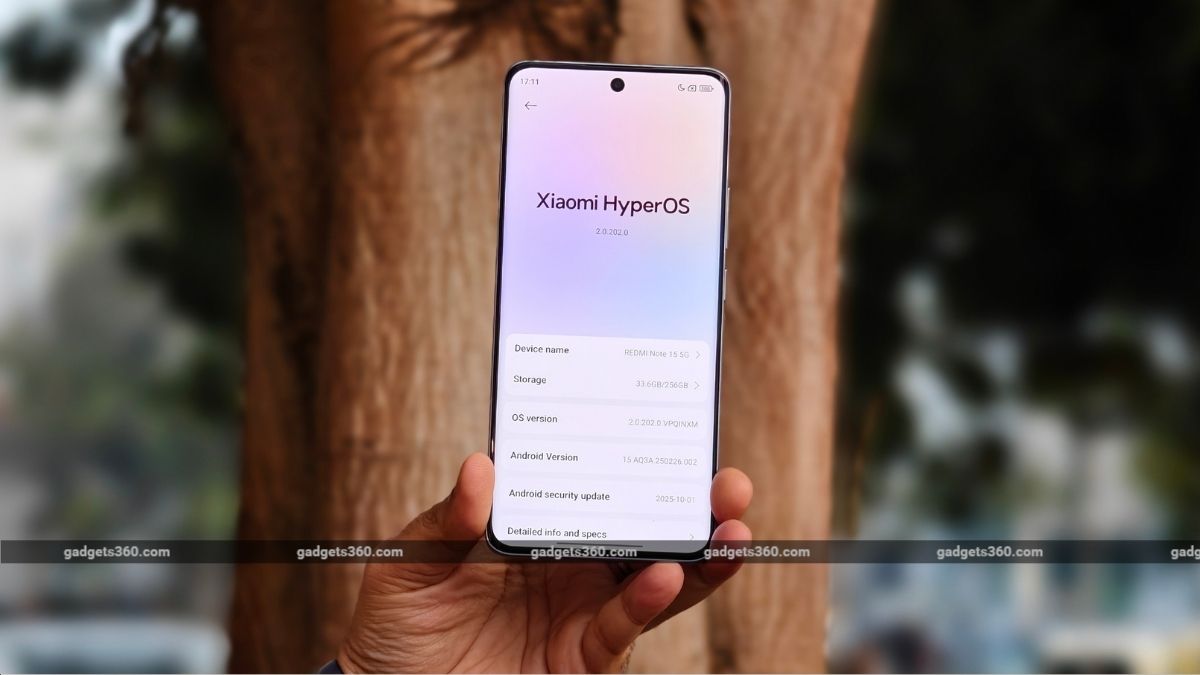
Xiaomi has yet to confirm whether the programme will extend to global models
Click Here to Add Gadgets360 As A Trusted Source

Advertisement
Xiaomi has expanded testing of its next software update, expanding the HyperOS 3.1 beta programme to include more devices based on Android 16, according to a report. Just days after opening the initial beta, the company has added new flagship smartphones to the testing pool, even as the stable HyperOS 3 rollout remains underway. The latest expansion signals faster-than-usual progress on Android 16 and suggests Xiaomi is accelerating development across its premium phones and tablets ahead of a broader release.
Xiaomi HyperOS 3.1 Android 16 Beta: Eligible Devices
The Chinese smartphone maker has expanded the HyperOS 3.1 beta programme, extending access to the Android 16-based update to more devices, according to a report from XiaomiTime. The publication says the company began recruiting a second batch of testers just days after the initial beta launch. The latest phase adds the Xiaomi 14 Ultra and the Redmi K80 Pro to the testing list, even as Xiaomi continues rolling out the stable HyperOS 3 update.
In addition to these smartphones, the second batch reportedly covers Xiaomi 15 series models and the Xiaomi Pad 7 Ultra. Several China-market devices, including the Redmi K90, Redmi K90 Pro Max, Xiaomi 17, Xiaomi 17 Pro, Xiaomi 17 Pro Max, Xiaomi 17 Ultra, Xiaomi Pad 8 Pro, and Xiaomi Pad 8, have already reportedly received HyperOS 3.1 builds.
Xiaomi is likely to continue adding more devices to the HyperOS 3.1 beta over the coming weeks, although the company has yet to confirm whether the programme will extend to global models.
HyperOS 3.1 reportedly introduces a broad set of changes across design, functionality, and security. The updated Hyper Island is said to support Android 16 Live Updates, allowing third-party apps to display real-time information, add To Do and QR code previews, enable lock screen card swiping, and feature a refreshed music progress bar.
Xiaomi is said to have rebuilt core apps like Gallery and Weather, redesigned the recent apps menu with an iOS-style layout, added motion sickness reduction tools, and optimised full-screen gesture animations. The update is also said to bring a new Password app, expanded privacy controls, refined fingerprint and pattern options, deeper ecosystem features such as native AirPods support and iPhone call handling, a revamped Accessibility section, redesigned biometric settings, and new quick gesture controls on select models.

- KEY SPECS
- NEWS
Display 6.67-inch
Processor Snapdragon 8 Gen 3
Front Camera 20-megapixel
Rear Camera 50-megapixel + 32-megapixel + 50-megapixel
RAM 16GB
Storage 1TB
Battery Capacity 6550mAh
OS Android 15
Resolution 3200x1440 pixels

- KEY SPECS
- NEWS
Display 6.73-inch
Front Camera 32-megapixel
Rear Camera 50-megapixel + 50-megapixel + 50-megapixel + 50-megapixel
RAM 16GB
Storage 512GB
Battery Capacity 5300mAh
OS Android 14
Resolution 3200x1440 pixels

- KEY SPECS
- NEWS
Display 14.00-inch
Processor Xiaomi XRING 01
Front Camera 32-megapixel
Resolution 2136x3200 pixels
RAM 12GB
Storage 256GB
Rear Camera 50-megapixel
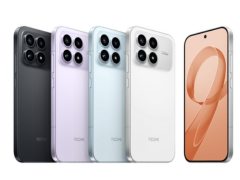
- KEY SPECS
- NEWS
Display 6.59-inch
Processor Snapdragon 8 Elite
Front Camera 20-megapixel
Rear Camera 50-megapixel + 50-megapixel + 8-megapixel
RAM 16GB
Storage 1TB
Battery Capacity 7,100mAh
OS Android 16
Resolution 1,156x2,510 pixels

- KEY SPECS
- NEWS
Display 6.90-inch
Processor Snapdragon 8 Elite Gen 5
Front Camera 32-megapixel
Rear Camera 50-megapixel + 50-megapixel + 50-megapixel
RAM 16GB
Storage 1TB
Battery Capacity 7,560mAh
OS Android 16
Resolution 1,200x2,608 pixels
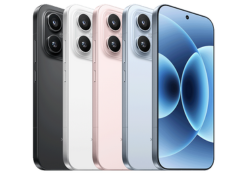
- KEY SPECS
- NEWS
Display 6.30-inch
Processor Snapdragon 8 Elite Gen 5
Front Camera 50-megapixel
Rear Camera 50-megapixel + 50-megapixel + 50-megapixel
RAM 12GB
Storage 256GB
Battery Capacity 7,000mAh
OS Android 16
Resolution 2,656x1,220 pixels

- KEY SPECS
- NEWS
Display (Primary) 6.30-inch
Cover Display 2.70-inch
Cover Resolution 904x572 pixels
Processor Snapdragon 8 Elite Gen 5
Front Camera 50-megapixel
Rear Camera 50-megapixel + 50-megapixel + 50-megapixel
RAM 12GB
Storage 256GB
Battery Capacity 6300mAh
OS Android 16
Resolution 1220x2656 pixels

- KEY SPECS
- NEWS
Display (Primary) 6.90-inch
Cover Display 2.90-inch
Cover Resolution 976x596 pixels
Processor Snapdragon 8 Elite Gen 5
Front Camera 50-megapixel
Rear Camera 50-megapixel + 50-megapixel + 50-megapixel
RAM 12GB
Storage 512GB
Battery Capacity 7500mAh
OS Android 16
Resolution 1200x2608 pixels
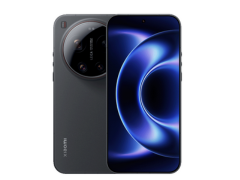
- KEY SPECS
- NEWS
Display 6.90-inch
Processor Snapdragon 8 Elite Gen 5
Front Camera 50-megapixel
Rear Camera 50-megapixel + 200-megapixel + 50-megapixel
RAM 12GB
Storage 512GB
Battery Capacity 6,800mAh
OS Android 16
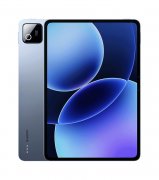
- KEY SPECS
- NEWS
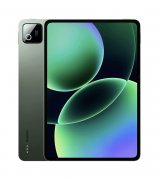
Display 11.20-inch
OS Android
Rear Camera 50-megapixel + 32-megapixel
Battery Capacity 9200mAh
- KEY SPECS
- NEWS
Display 11.20-inch
OS Android
Rear Camera 13-megapixel + 8-megapixel
Battery Capacity 9200mAh
Comments
Get your daily dose of tech news, reviews, and insights, in under 80 characters on Gadgets 360 Turbo. Connect with fellow tech lovers on our Forum. Follow us on X, Facebook, WhatsApp, Threads and Google News for instant updates. Catch all the action on our YouTube channel.
Related Stories
-
 HyperOS 3 Update Rolls Out to Xiaomi 14, Redmi Note 14 5G and More Devices With Android 16, New AI Features16 December 2025
 -
Poco F7 Series, Poco X7 and X7 Pro to Get HyperOS 3 Update This Month: Release Schedule27 November 2025
-
Xiaomi's HyperOS 3 Update Confirmed to Launch in India Soon20 November 2025
-
Xiaomi 15T Series Gets Free 3 Months Gemini Pro Subscription, New AI Features With HyperOS 324 September 2025
-
Xiaomi Unveils HyperOS 3 Based on Android 16 With HyperIsland and New AI-Powered Features24 September 2025




Advertisement
Follow Us




-

03:06
How To Delete Instagram Account | Step-By-Step Guide -
05:36
[Sponsored] Haier C90 OLED TV | Dolby Vision IQ, 144Hz OLED and Google TV in Action -
07:38
Redmi Pad 2 Pro Review | Worth Buying or not? | Best Tablet in Budget? -
08:02
Top OxygenOS 16 Features You Must Know: Don't Miss These OnePlus Features On Your Phone! -
10:42
[Partner Content] OPPO Find X9 Two Week Experience: Here's Why It Stands Out
-
200MP कैमरा के साथ Redmi Note 15 Pro 5G, Note 15 Pro+ 5G लॉन्च, जानें
-
Facebook और Instagram के फीचर्स नहीं रहेंगे फ्री, करना होगा भुगतान
-
Android 17 लेकर आएगा ब्लर UI, स्क्रीन रिकॉर्डर भी होगा अपडेट, जानें
-
बोरिंग साइनबोर्ड से छुटकारा! Samsung लाई 13 इंच बड़ा E-Paper डिस्प्ले, कहीं भी रखो, बिना बिजली चलेगा
-
2500 रुपये से ज्यादा सस्ती कीमत में खरीदें 50MP कैमरा, 5500mAh बैटरी वाला Vivo स्मार्टफोन, देखें डील
Advertisement
Popular on Gadgets
- Samsung Galaxy Unpacked 2025
- ChatGPT
- Redmi Note 14 Pro+
- iPhone 16
- Apple Vision Pro
- Oneplus 12
- OnePlus Nord CE 3 Lite 5G
- iPhone 13
- Xiaomi 14 Pro
- Oppo Find N3
- Tecno Spark Go (2023)
- Realme V30
- Best Phones Under 25000
- Samsung Galaxy S24 Series
- Cryptocurrency
- iQoo 12
- Samsung Galaxy S24 Ultra
- Giottus
- Samsung Galaxy Z Flip 5
- Apple 'Scary Fast'
- Housefull 5
- GoPro Hero 12 Black Review
- Invincible Season 2
- JioGlass
- HD Ready TV
- Laptop Under 50000
- Smartwatch Under 10000
- Latest Mobile Phones
- Compare Phones
Latest Gadgets
- Redmi Turbo 5
- Redmi Turbo 5 Max
- Moto G77
- Moto G67
- Realme P4 Power 5G
- Vivo X200T
- Realme Neo 8
- OPPO Reno 15 FS
- HP HyperX Omen 15
- Acer Chromebook 311 (2026)
- Lenovo Idea Tab Plus
- Realme Pad 3
- HMD Watch P1
- HMD Watch X1
- Haier H5E Series
- Acerpure Nitro Z Series 100-inch QLED TV
- Asus ROG Ally
- Nintendo Switch Lite
- Haier 1.6 Ton 5 Star Inverter Split AC (HSU19G-MZAID5BN-INV)
- Haier 1.6 Ton 5 Star Inverter Split AC (HSU19G-MZAIM5BN-INV)

- About Us
- Sitemaps
- Feedback
- Archives
- Contact Us
- RSS
- Advertise
- Career
- Privacy Policy
- Ethics
- Editorial Policy
- Terms & Conditions
- Complaint Redressal
Download Our Apps
Available in Hindi
© Copyright Red Pixels Ventures Limited 2026. All rights reserved.